







Start With The Right Machine For Your Output
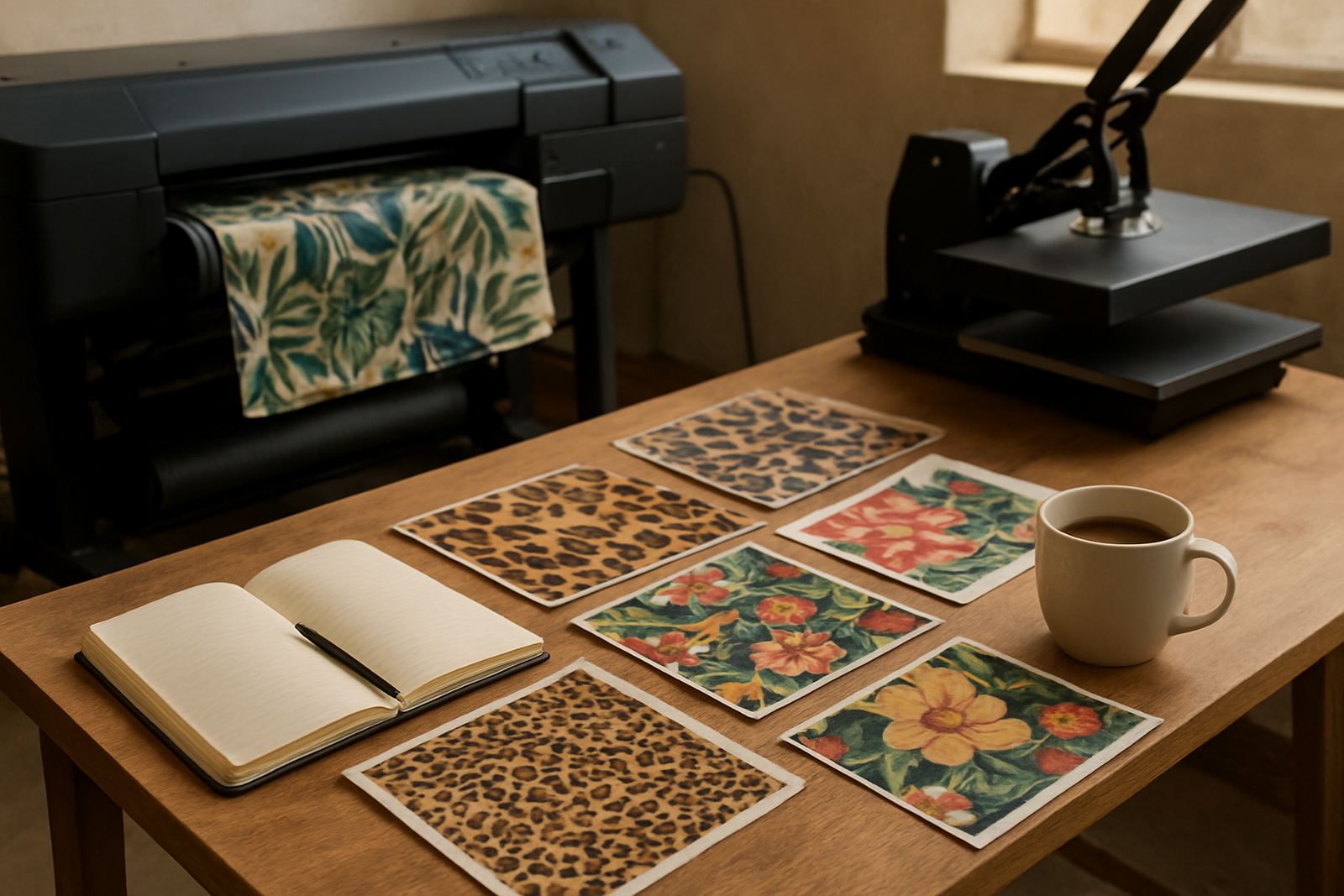
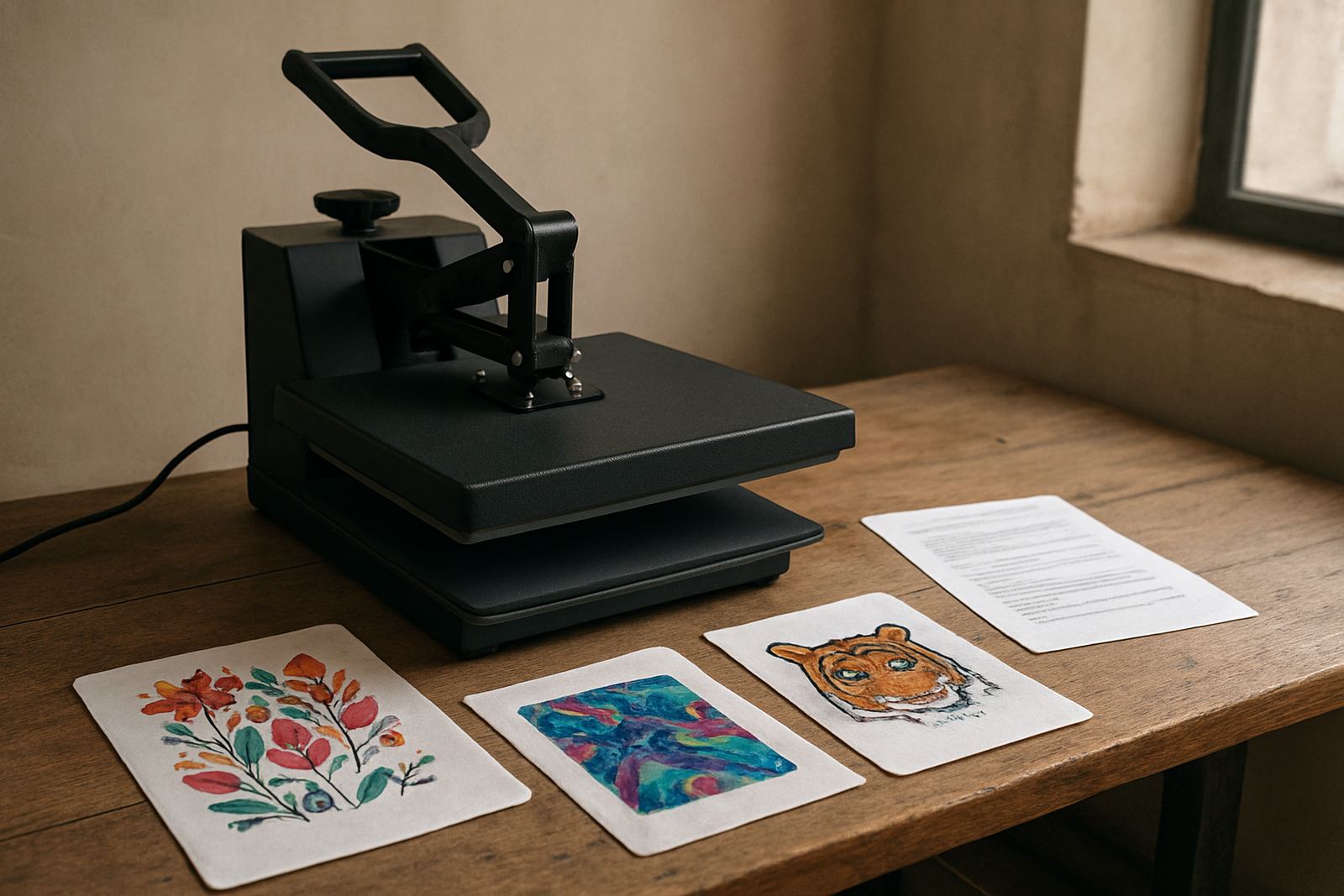
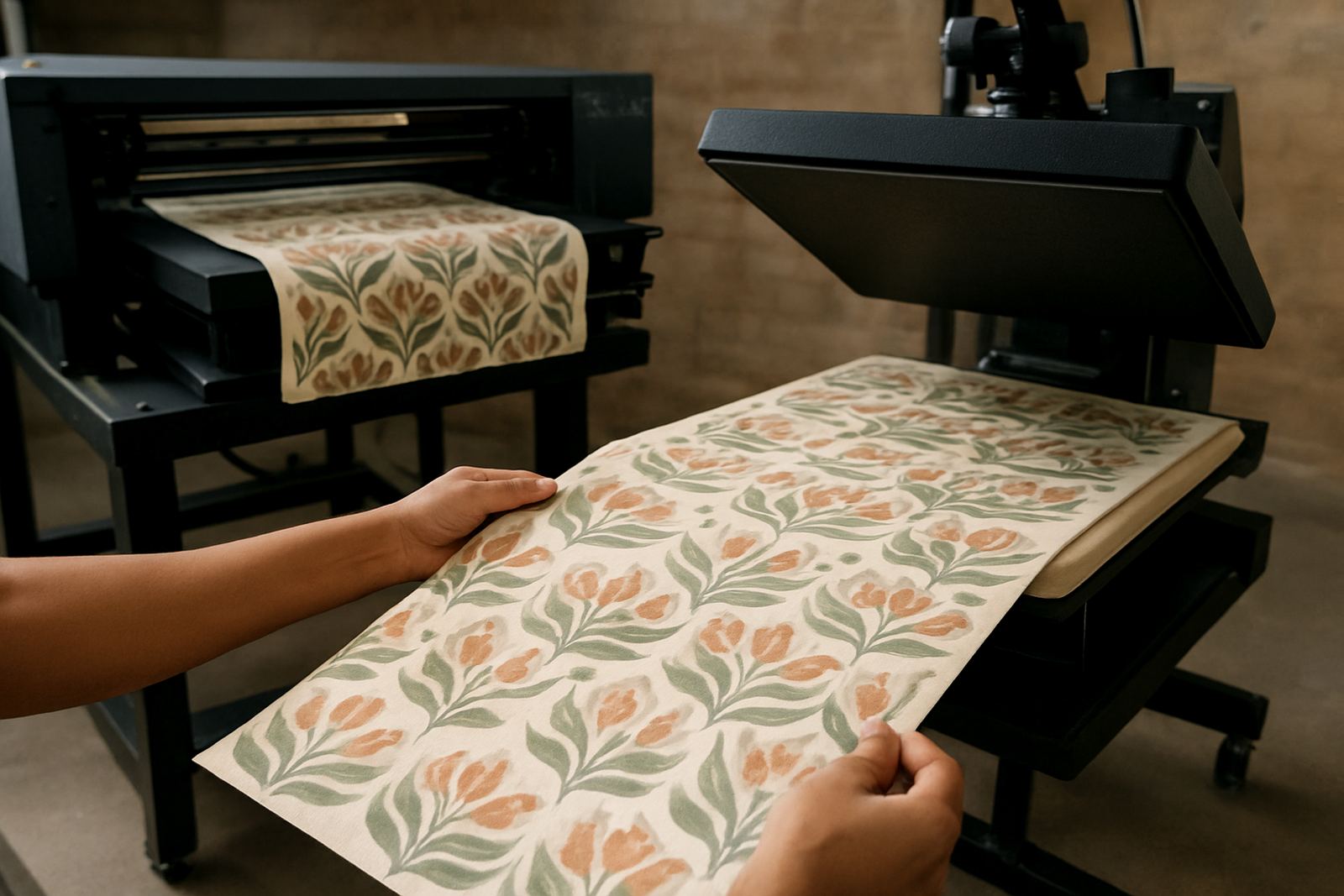
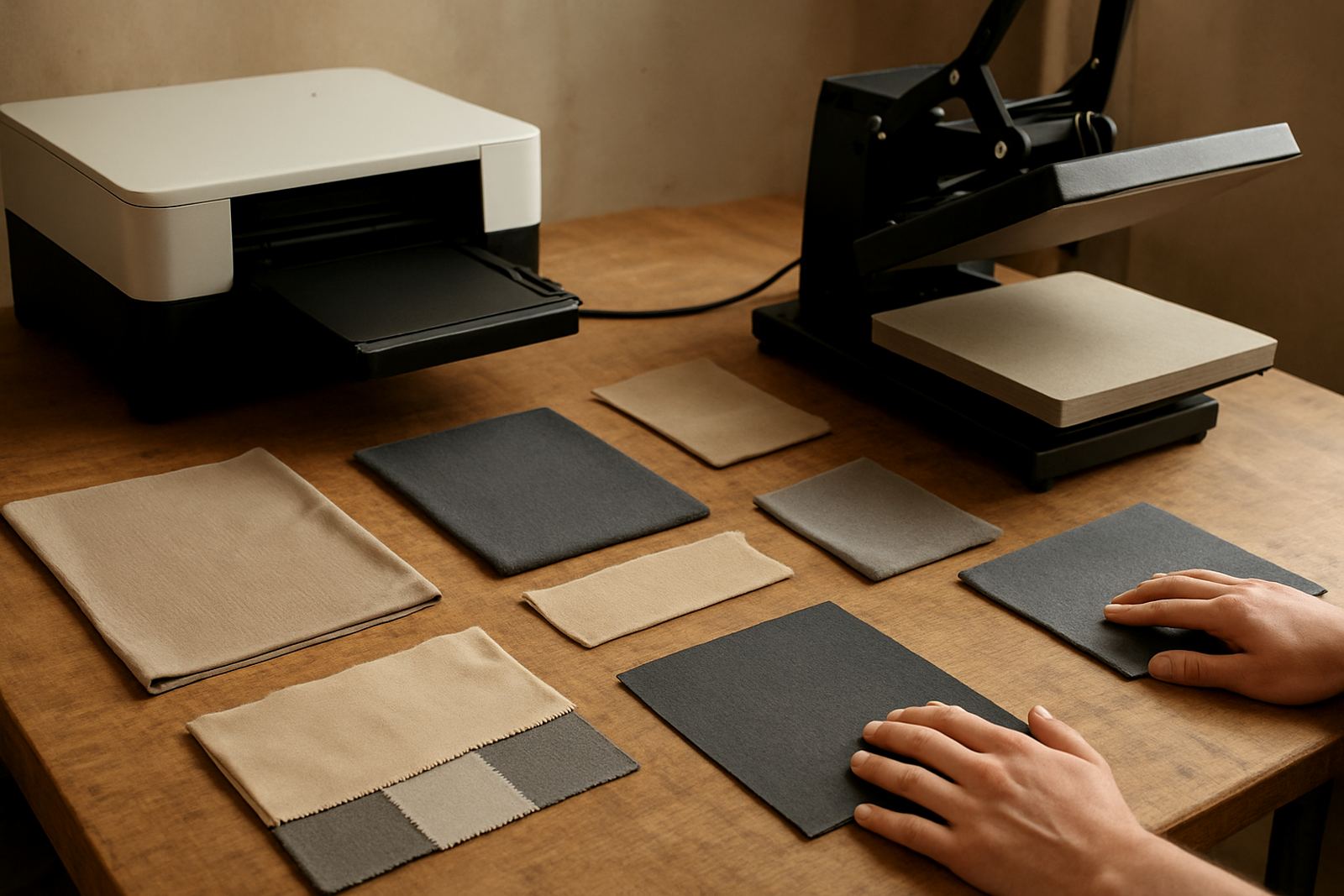
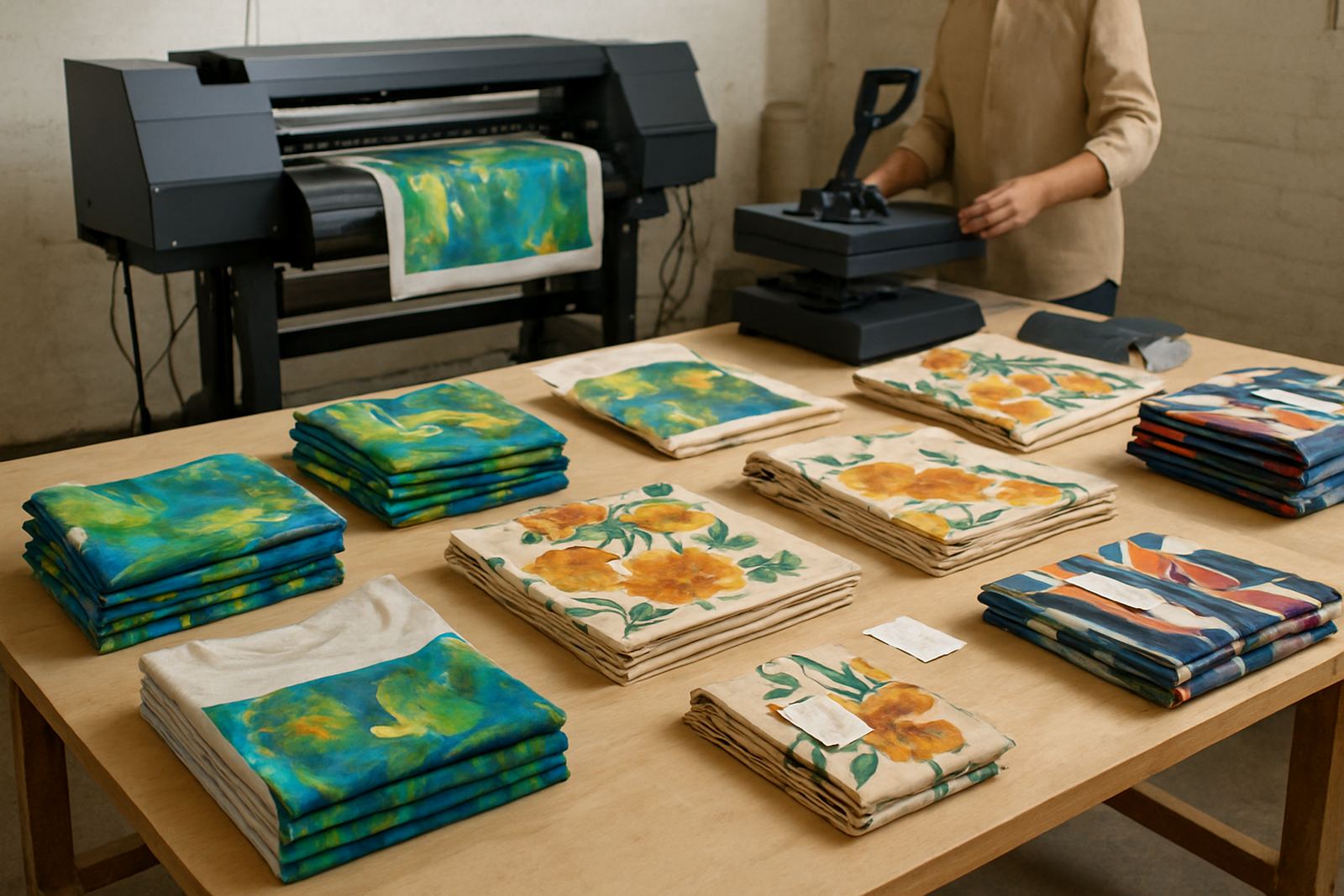
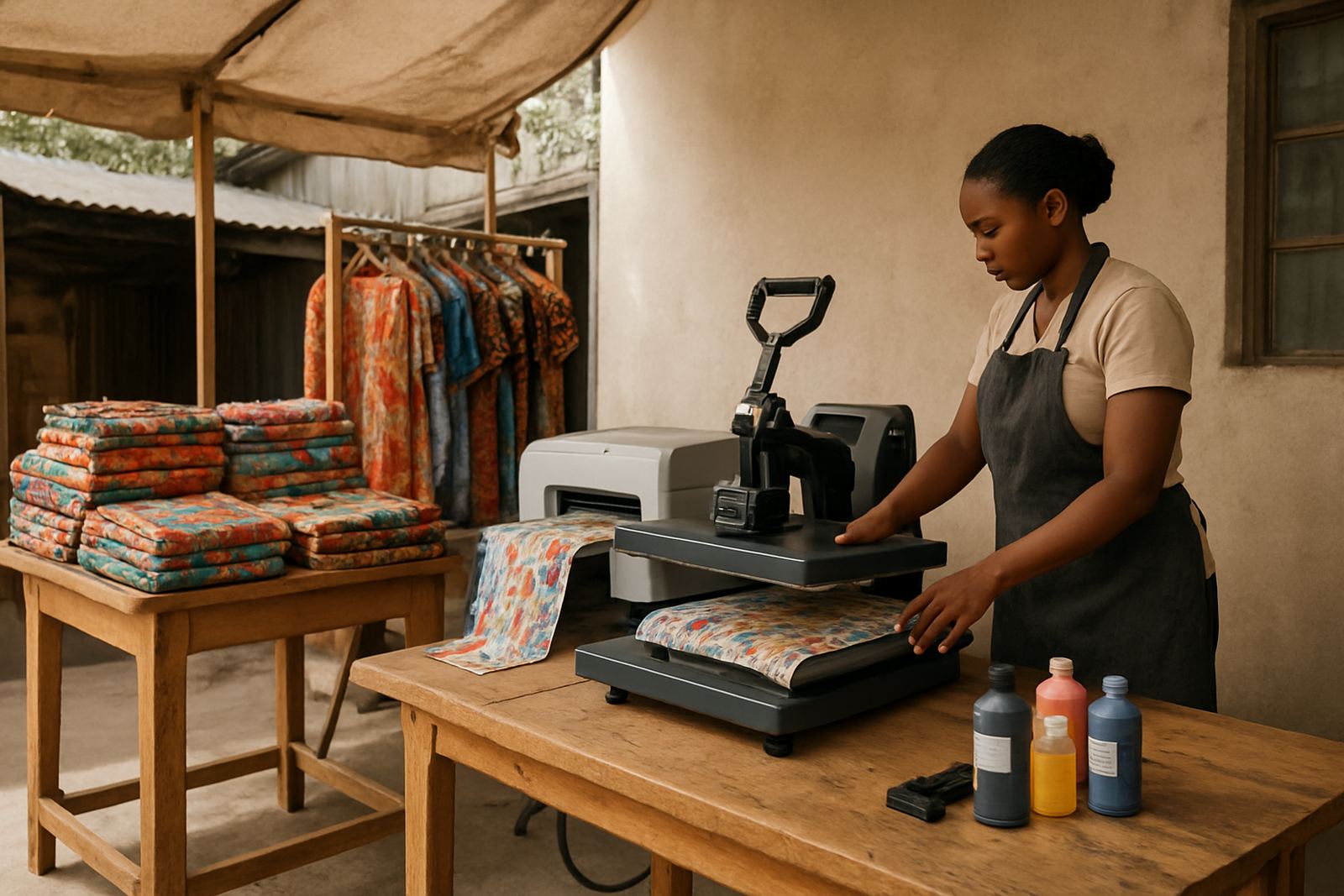
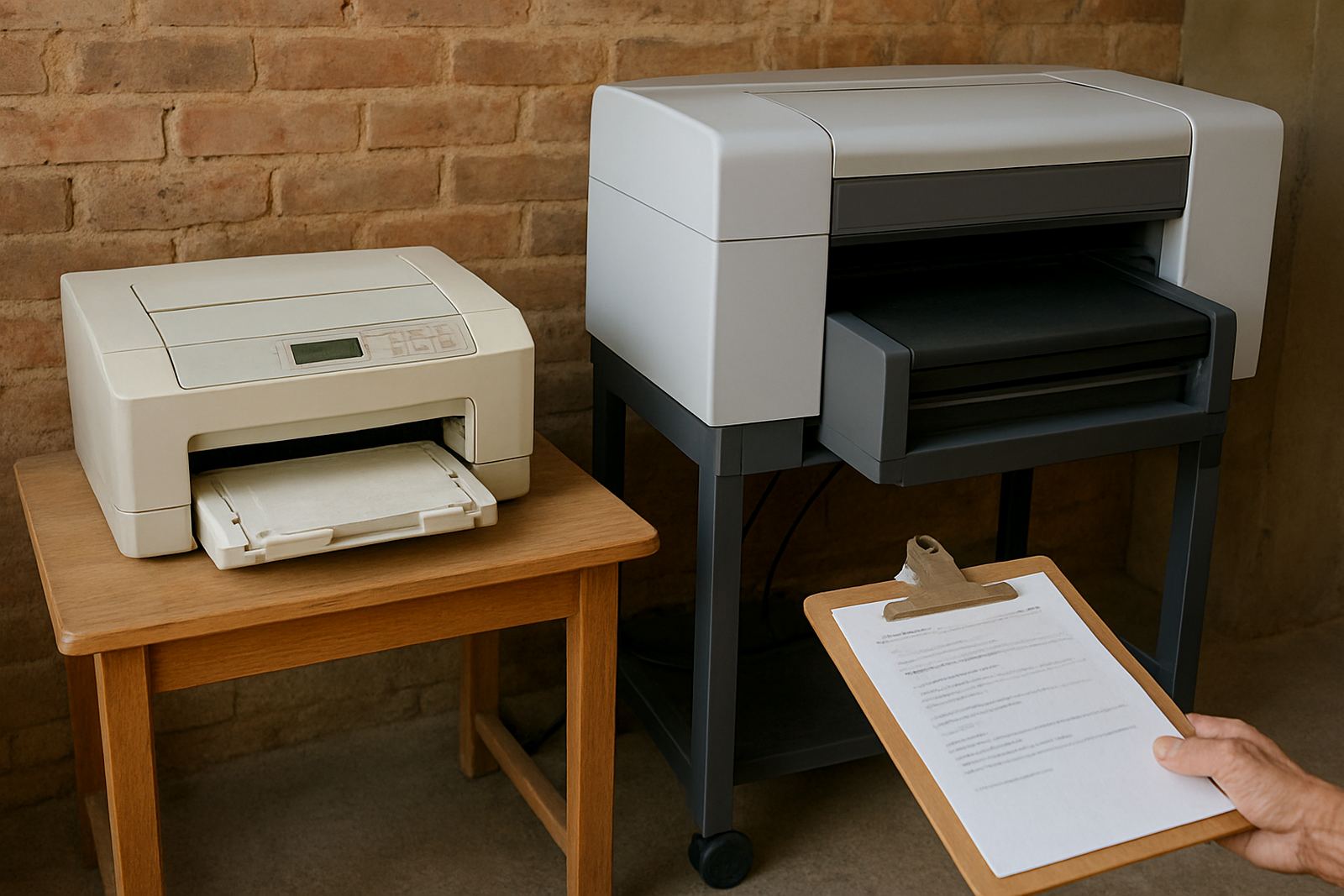
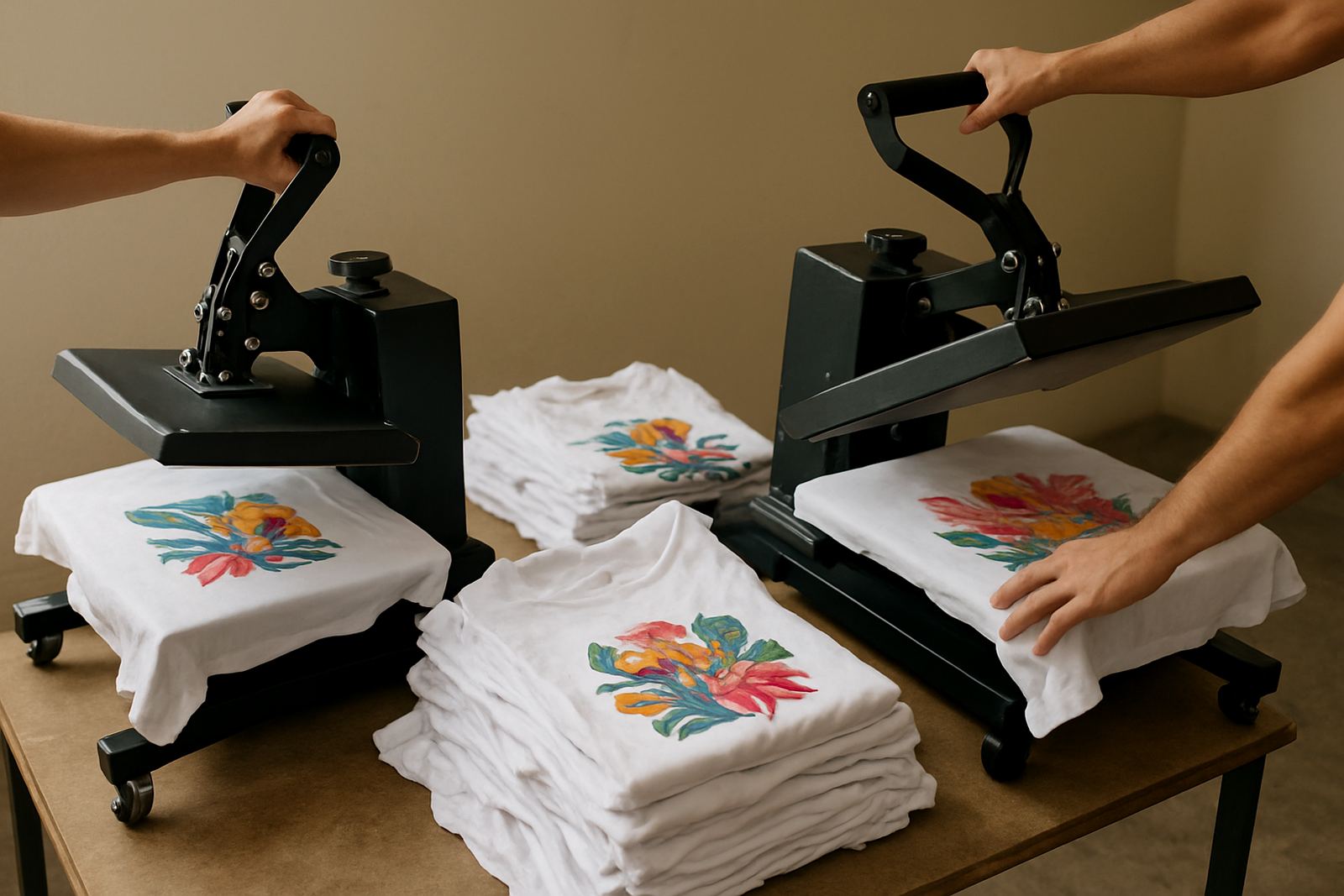
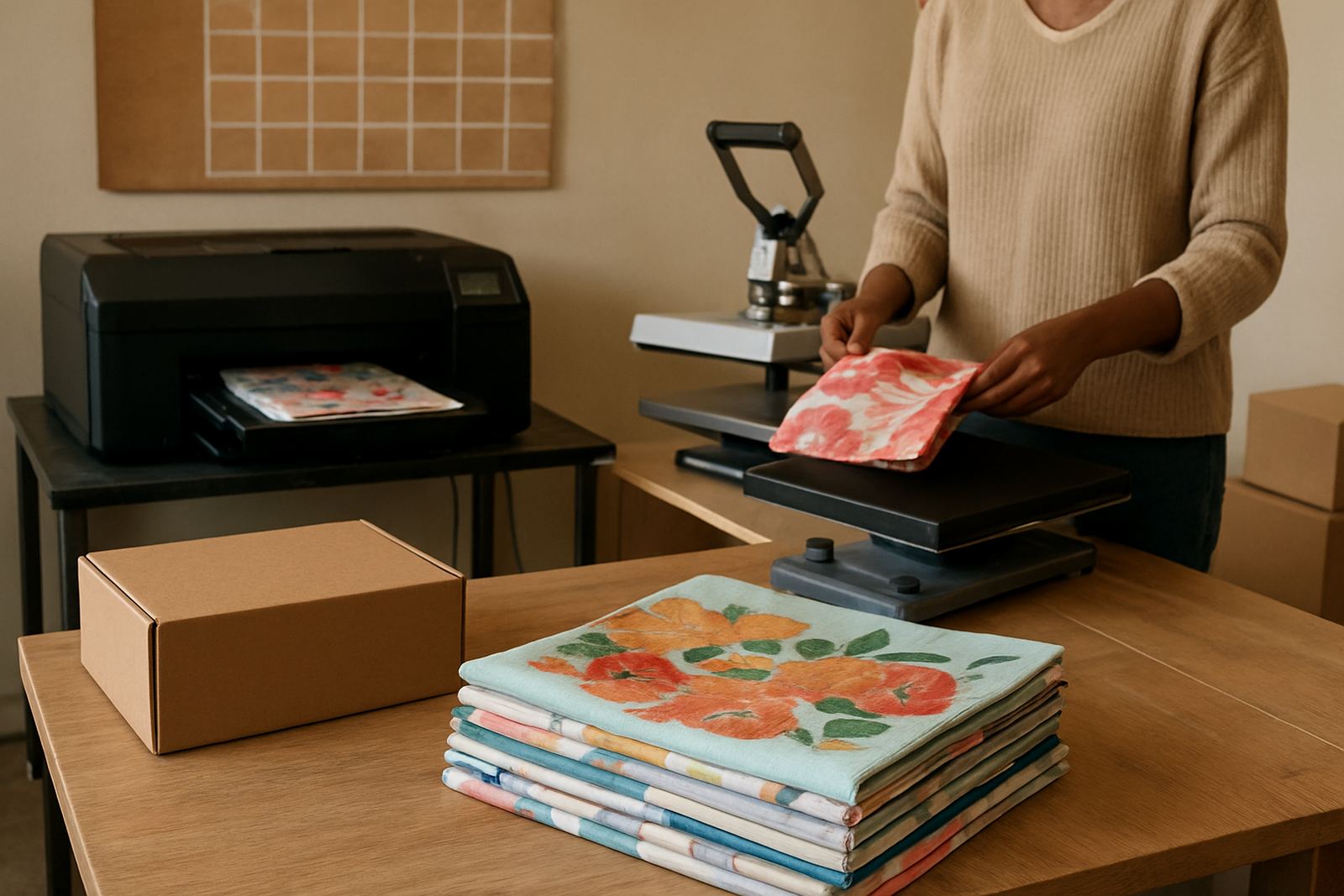
If you are printing for a small clothing label, schoolwear line, décor studio or sample room, the right machine should match your daily metres, fabric types and finishing needs. A compact setup can suit short runs and sample work, while a larger system is better when orders come in steadily from boutiques, resellers or local manufacturers. In Wadeville and Germiston, many operators start with one press and one printer, then add capacity once the work becomes more regular.
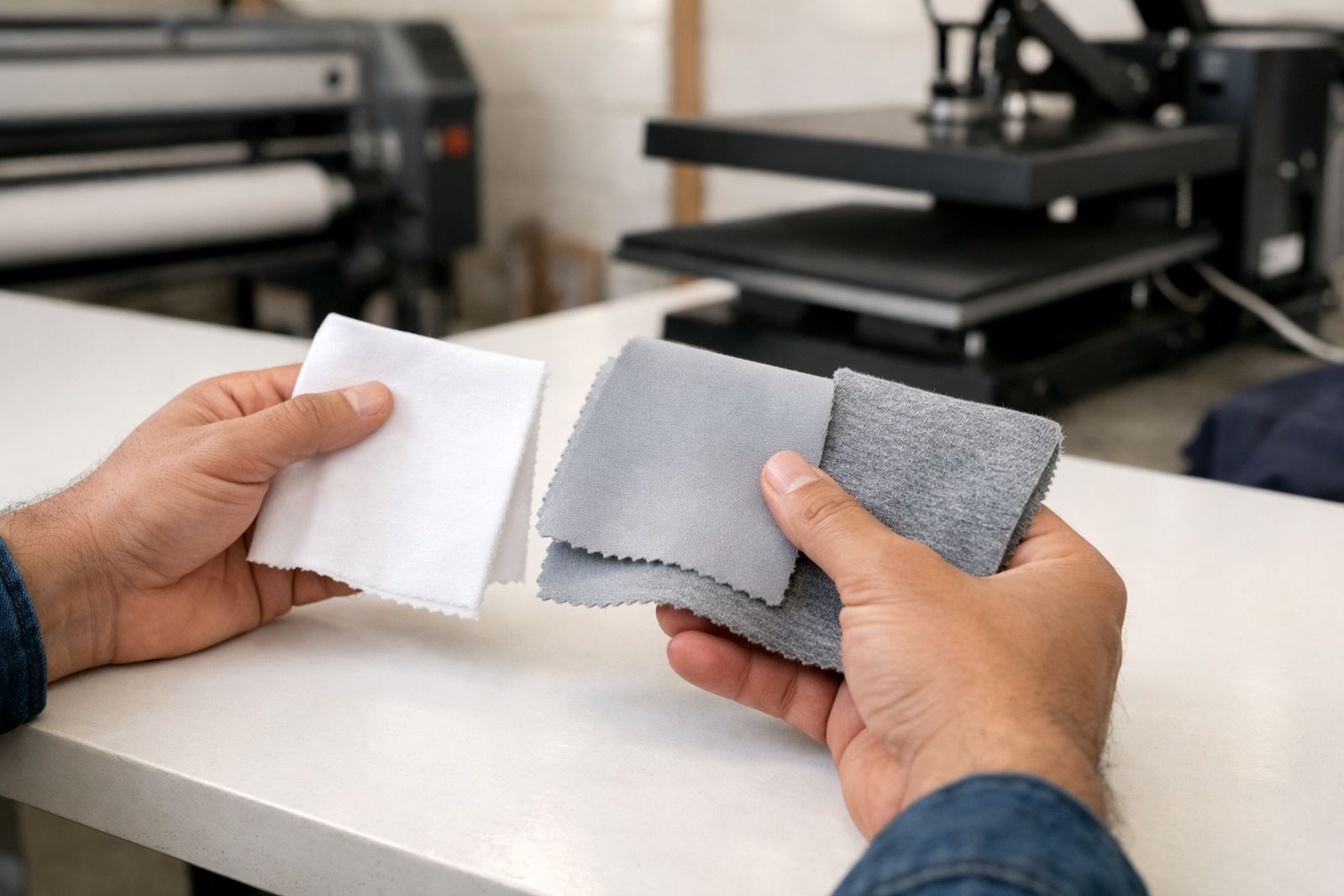
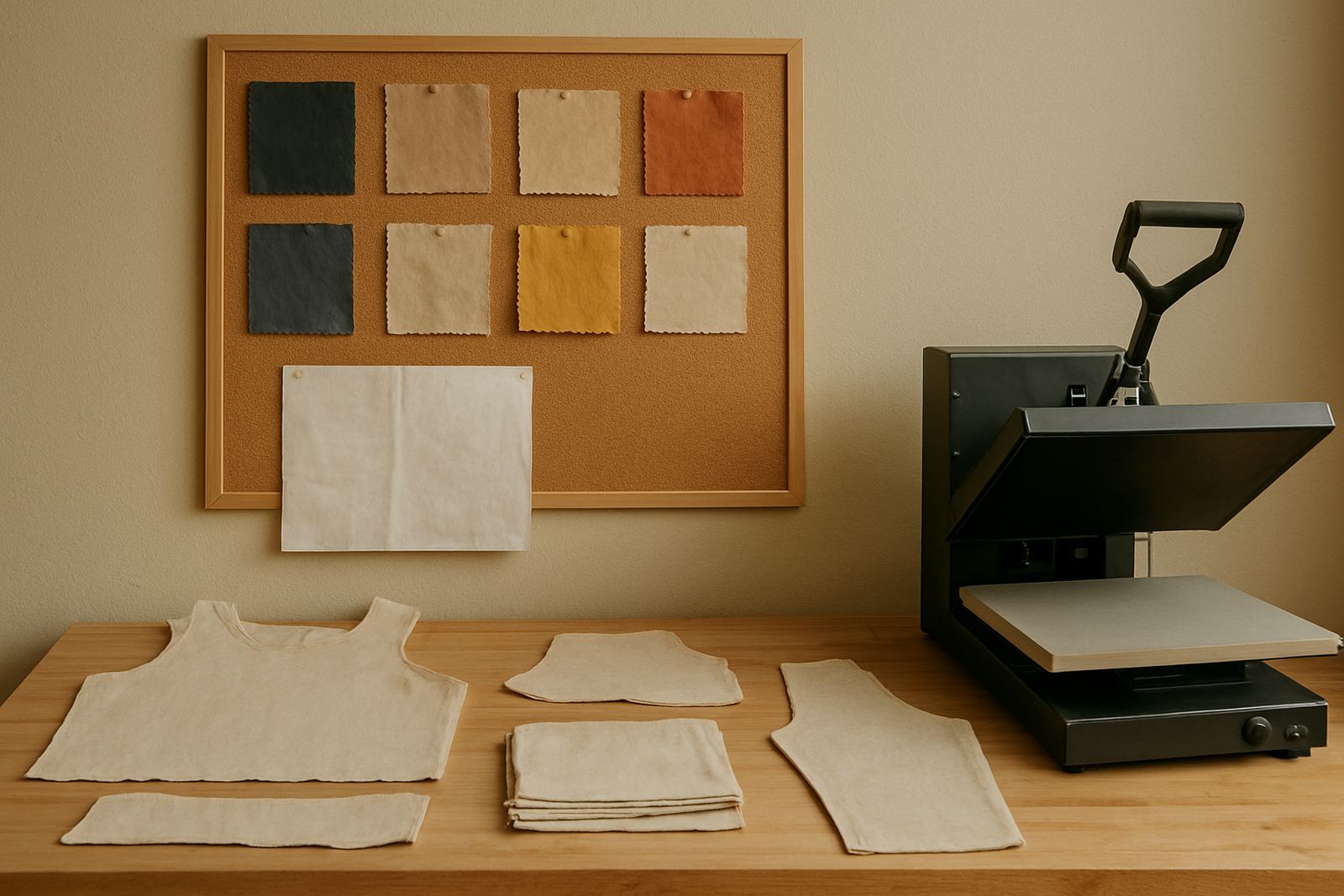
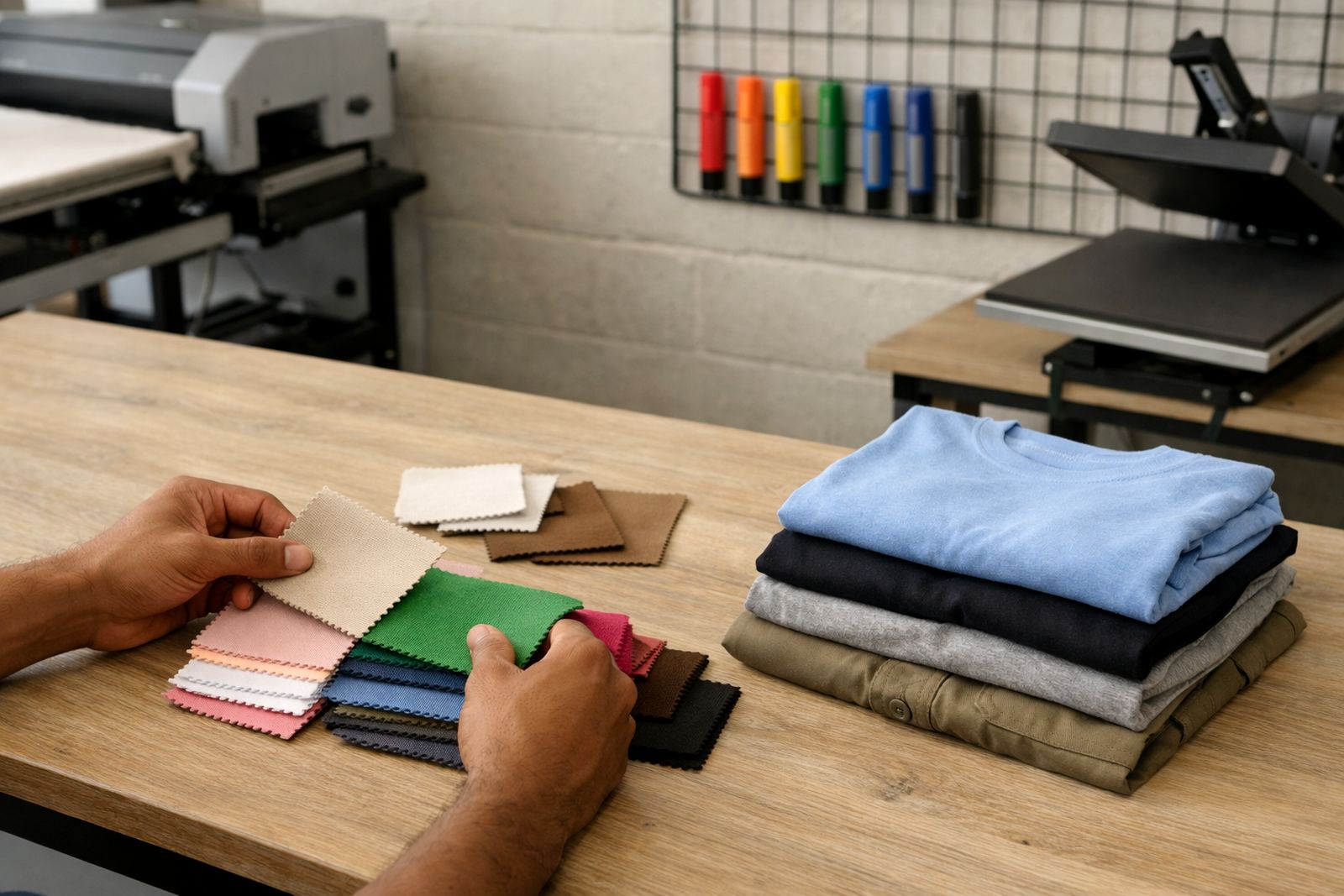
Choosing well also means thinking about the fabric you use most often. Cotton, polycotton and certain blends behave differently under heat and ink, so the machine must suit your material and production pace. A good fit reduces waste, reprints and slow afternoons when orders are waiting.
Colour Control Keeps Reprints Down
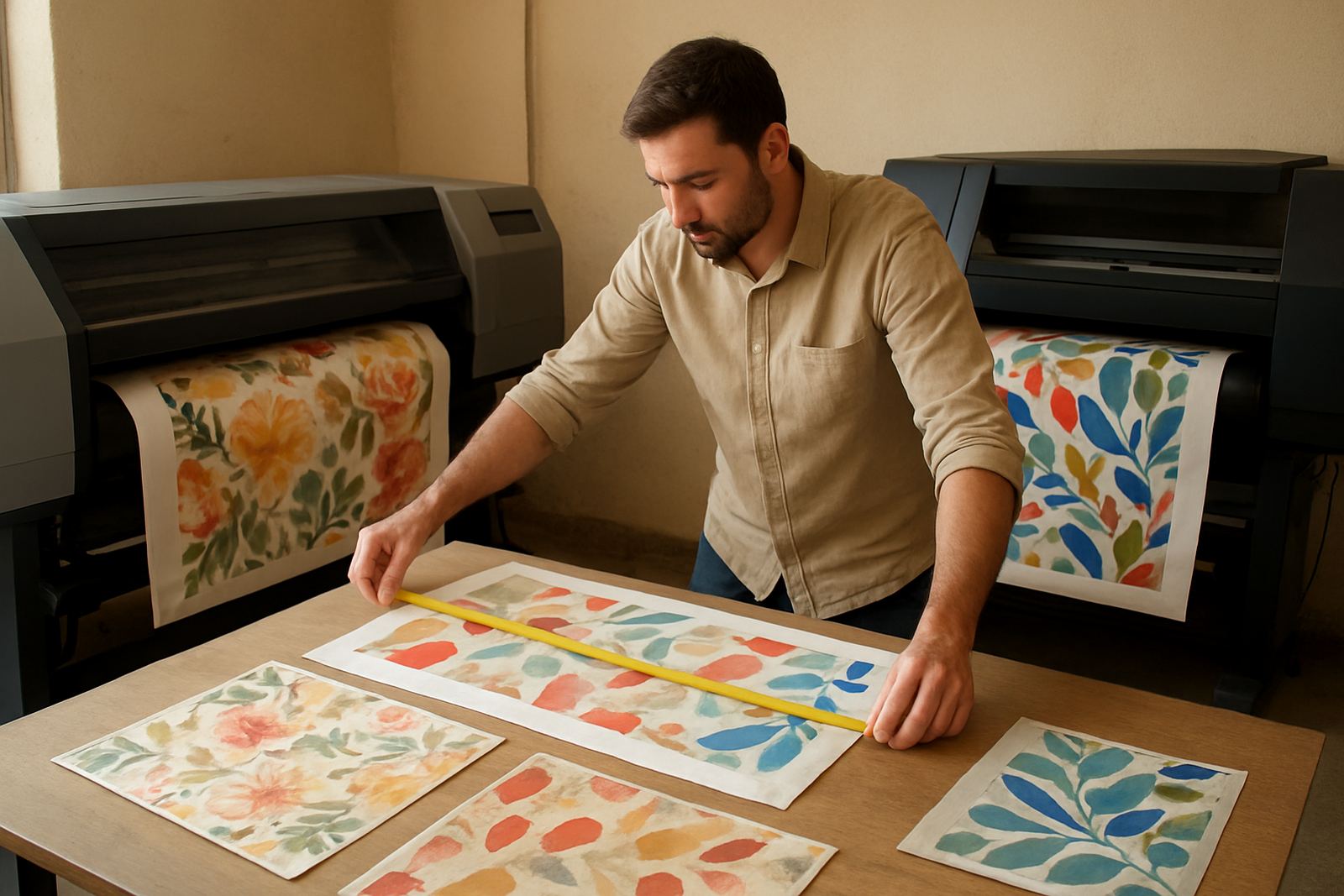
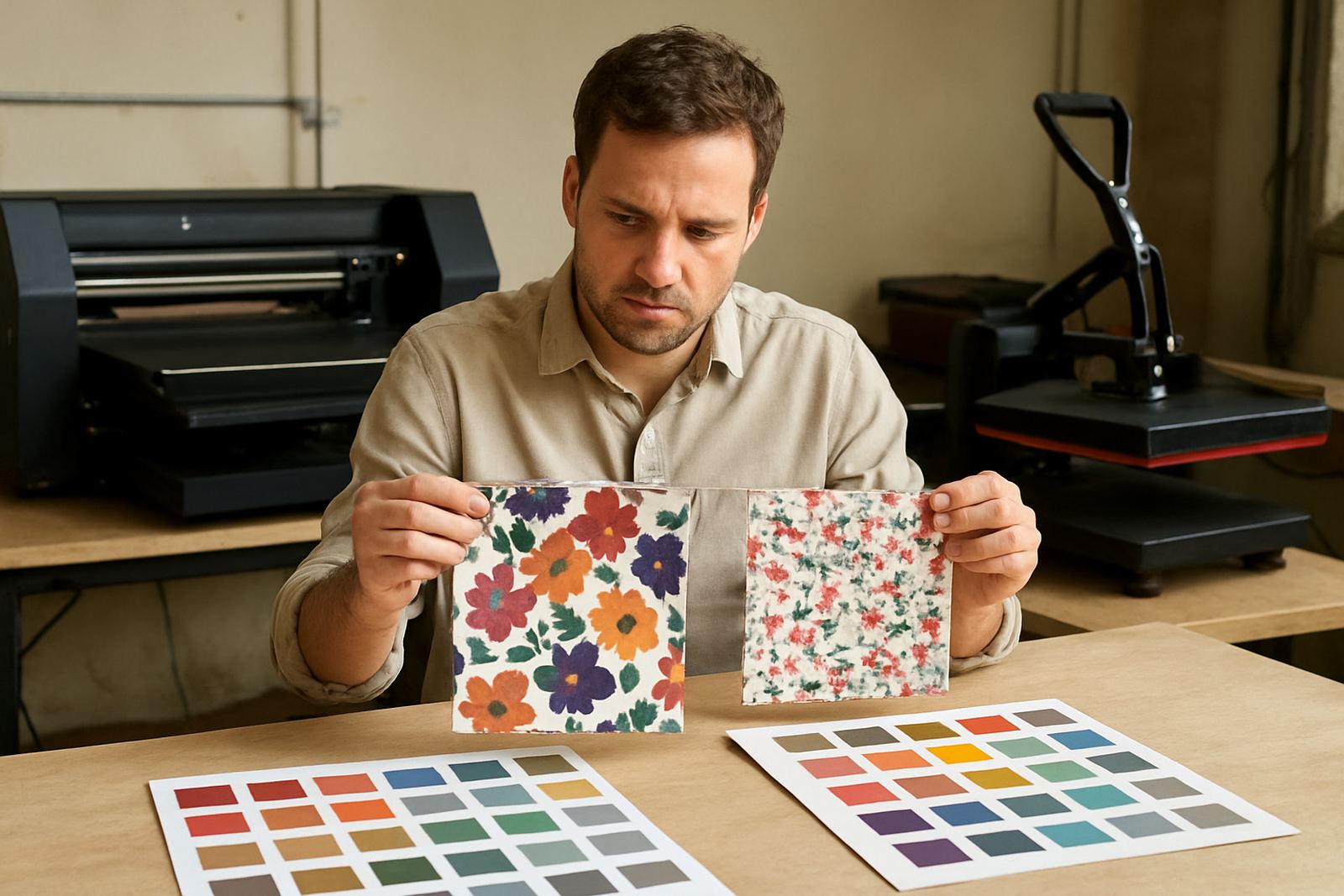
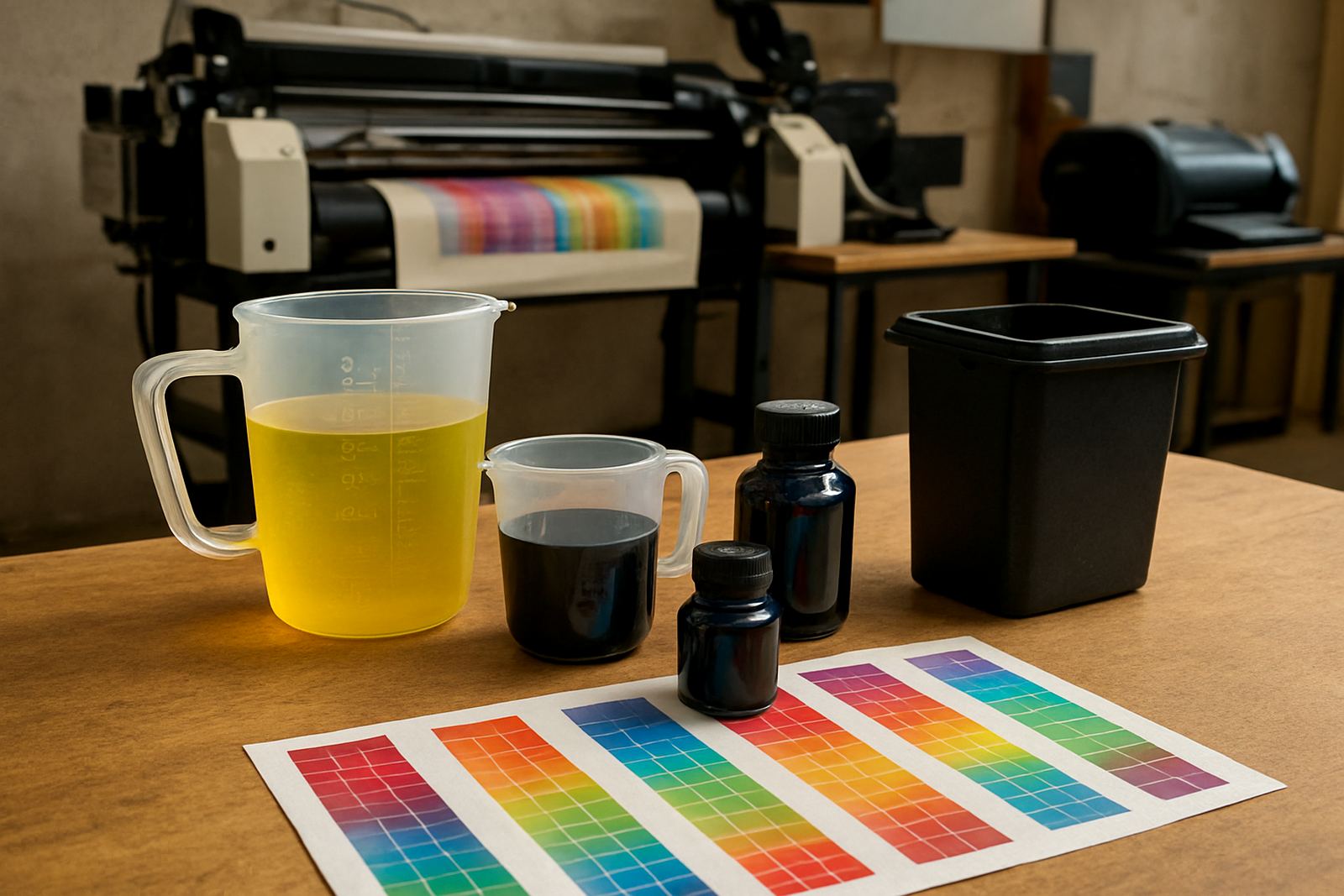
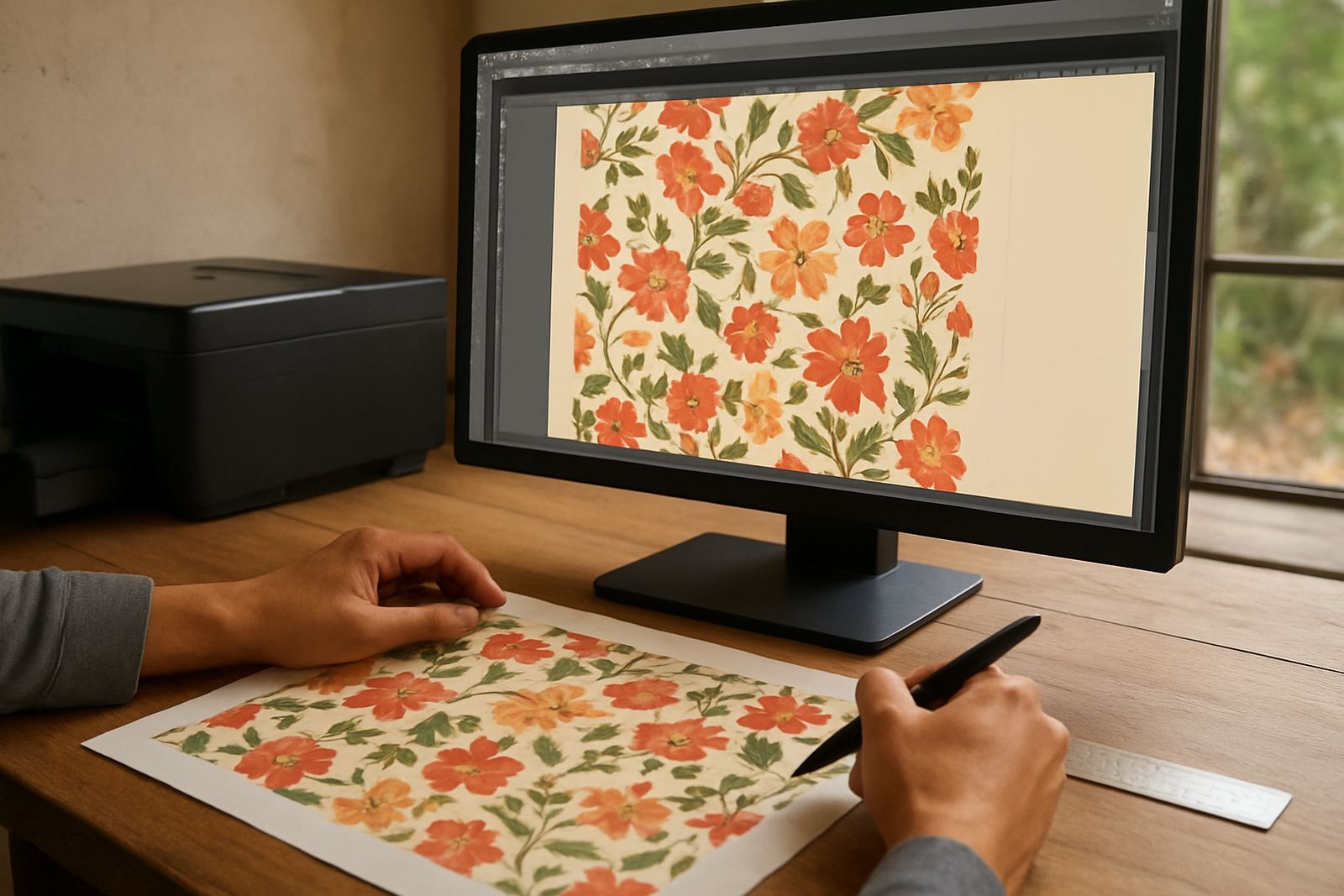
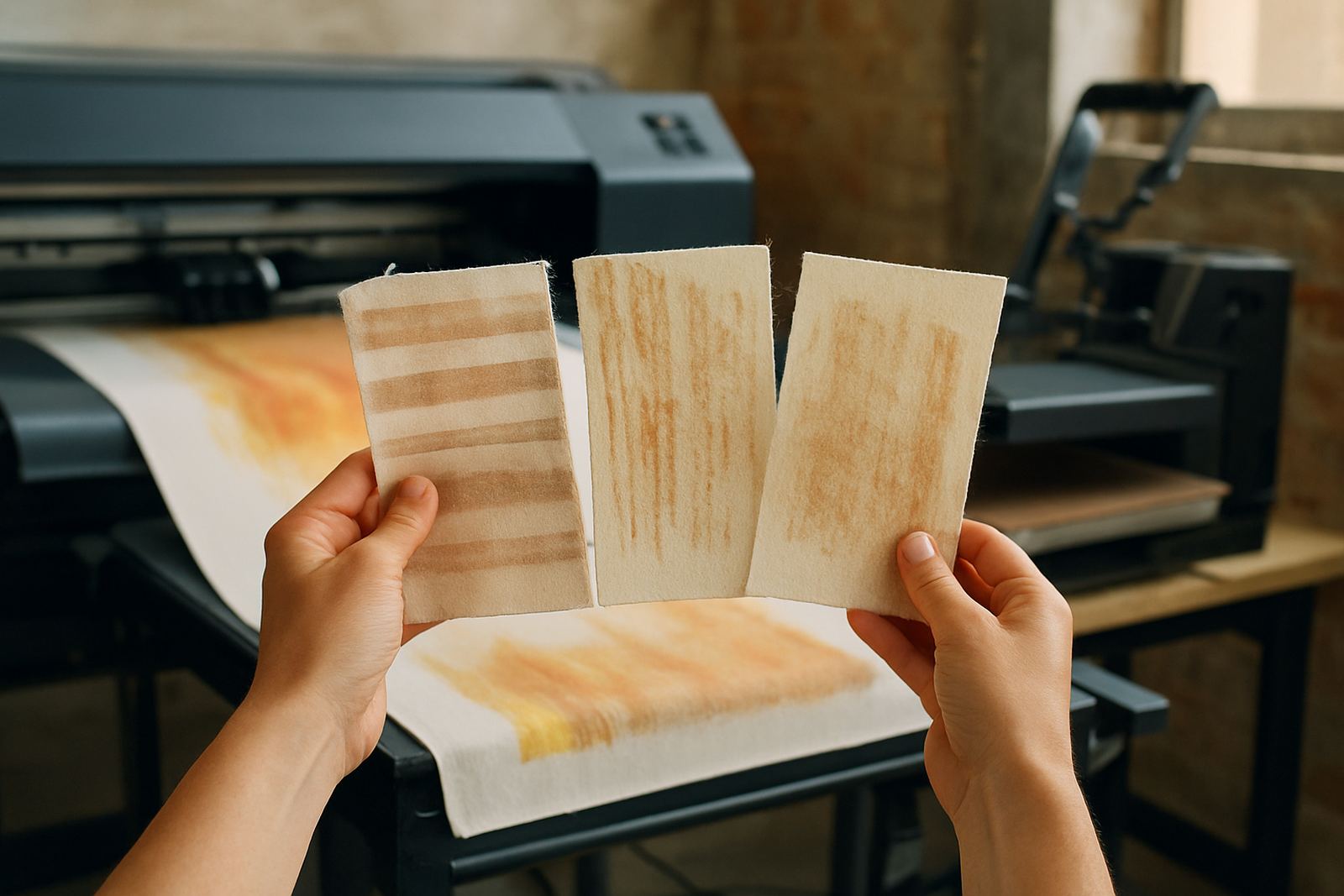
Colour is one of the biggest costs in fabric printing when it is not managed properly. A shirt panel that comes out too dark, too dull or too warm can mean a full reprint, plus lost time on the press. Good colour control starts with stable settings, regular checks and a simple process the whole team follows, not only the main operator.
- Use the same light source when checking samples so colours do not shift from one corner of the room to another.
- Keep notes on fabric type, ink setting and heat time for each repeat job.
- Test after maintenance or a nozzle clean before going into full production.
- Store inks and media away from direct sun and damp storerooms, especially in coastal areas like Durban and Cape Town.
Even a small change in humidity can affect how fabric takes ink and heat, so it helps to check your environment before a large run. This is where a little routine saves a lot of Rand.
Set Up A Workflow That Can Handle Busy Weeks
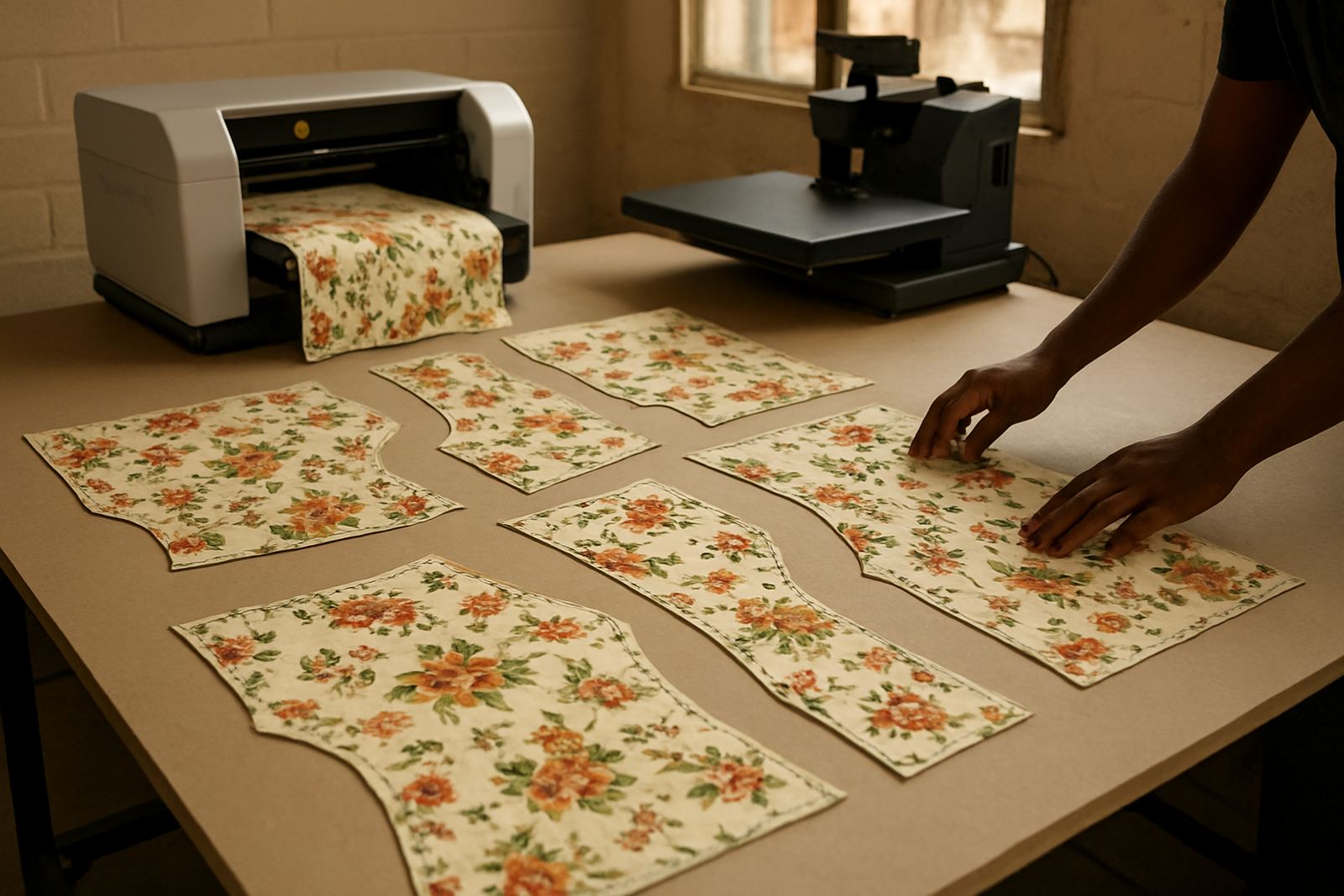
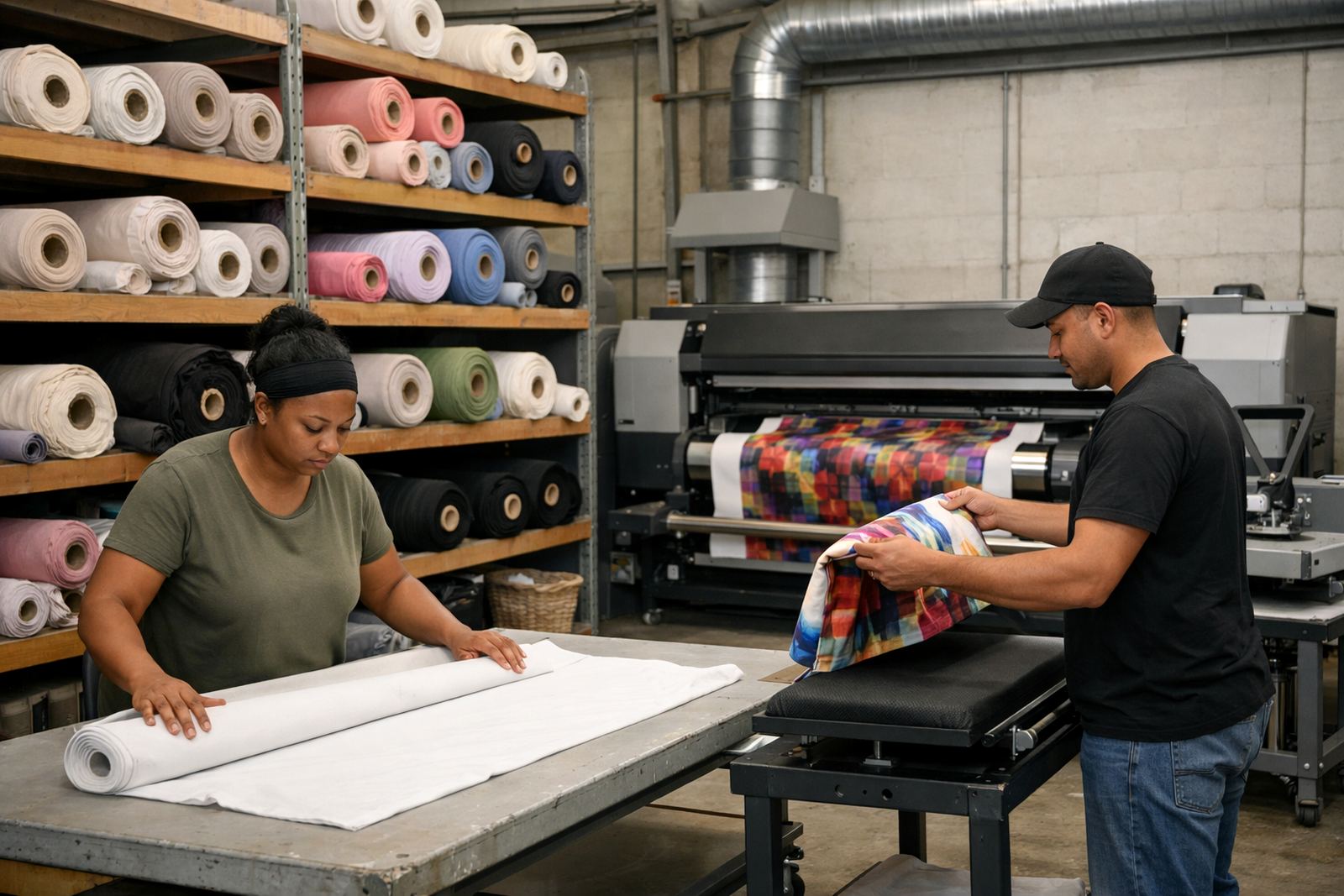
Many South African print rooms work with stop-start demand. One week may be full of school events, then the next week is quiet until a boutique order lands on Friday. A practical workflow helps you move from file prep to finishing without losing track of stock or jobs. It also makes it easier when load-shedding or municipal interruptions cut the day short.
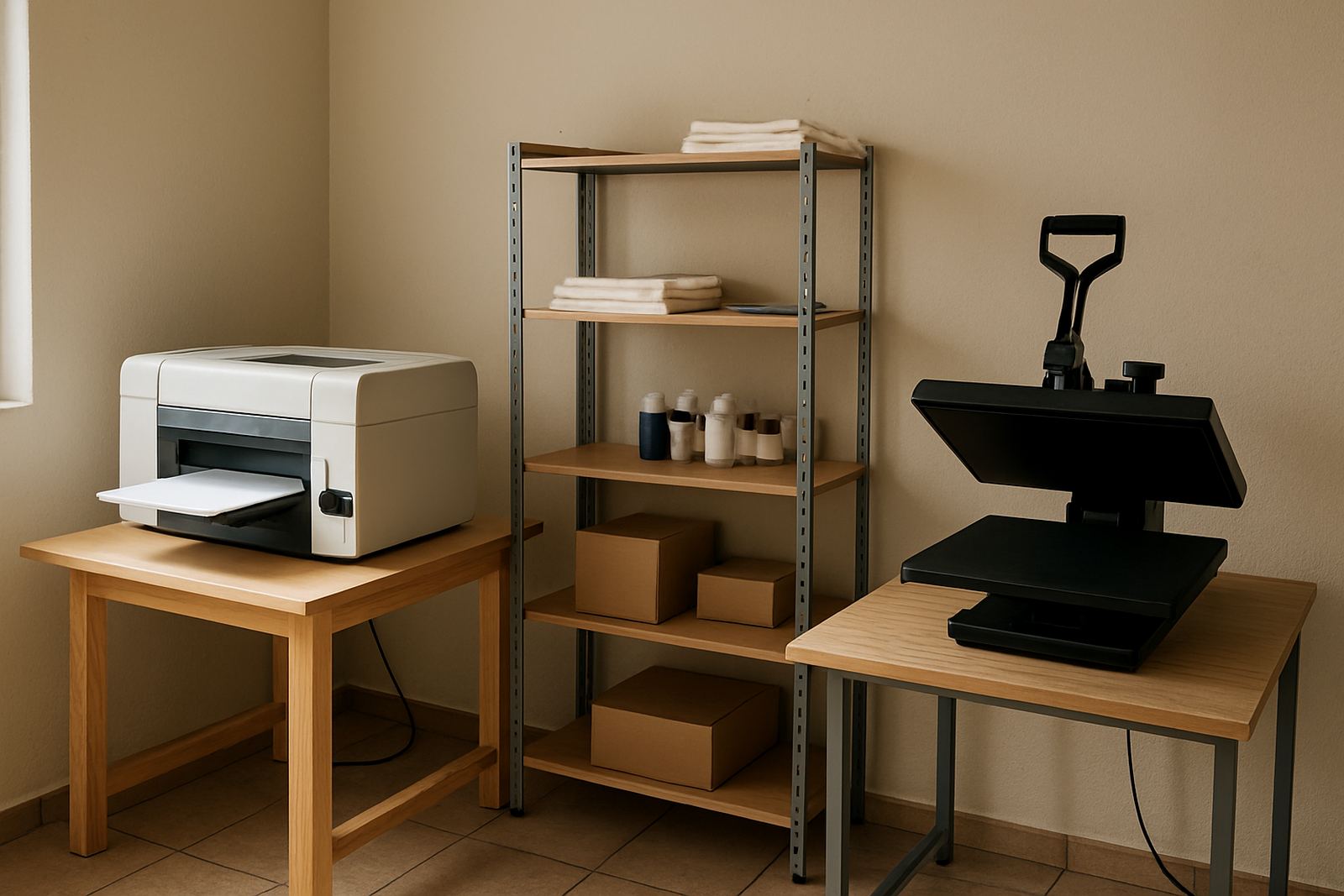
- Keep print files, blank fabric and finished pieces in clearly marked areas.
- Plan urgent work first, then batch similar jobs to reduce changeovers.
- Build a cut-off time for same-day printing so the team can finish properly.
- Check power backup and safe shutdown steps before the busy season starts.
When the sequence is clear, even a small team can stay productive. That matters whether you are operating from Johannesburg, Pretoria or a workshop in Bloemfontein.
Maintenance Habits That Protect Your Equipment
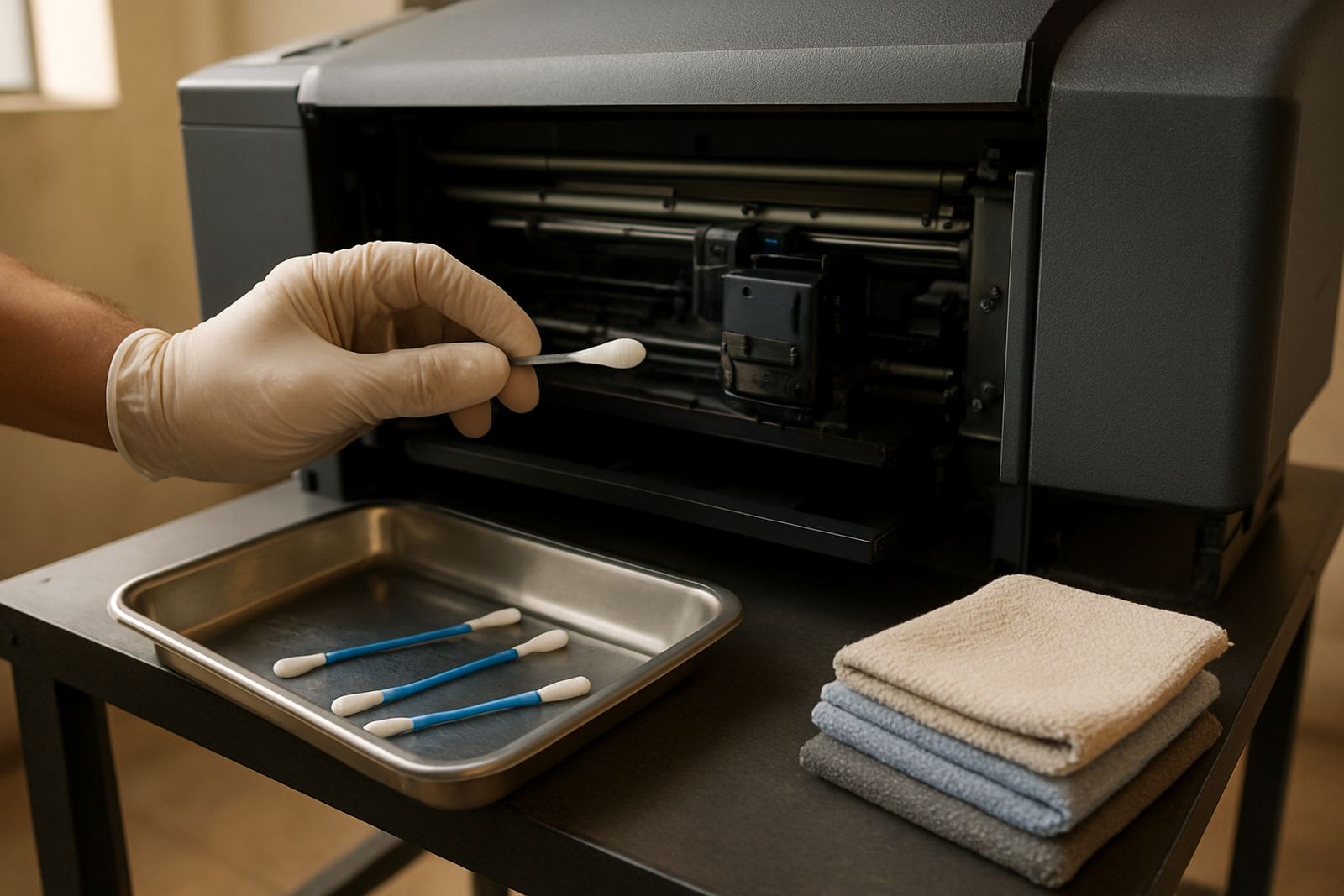
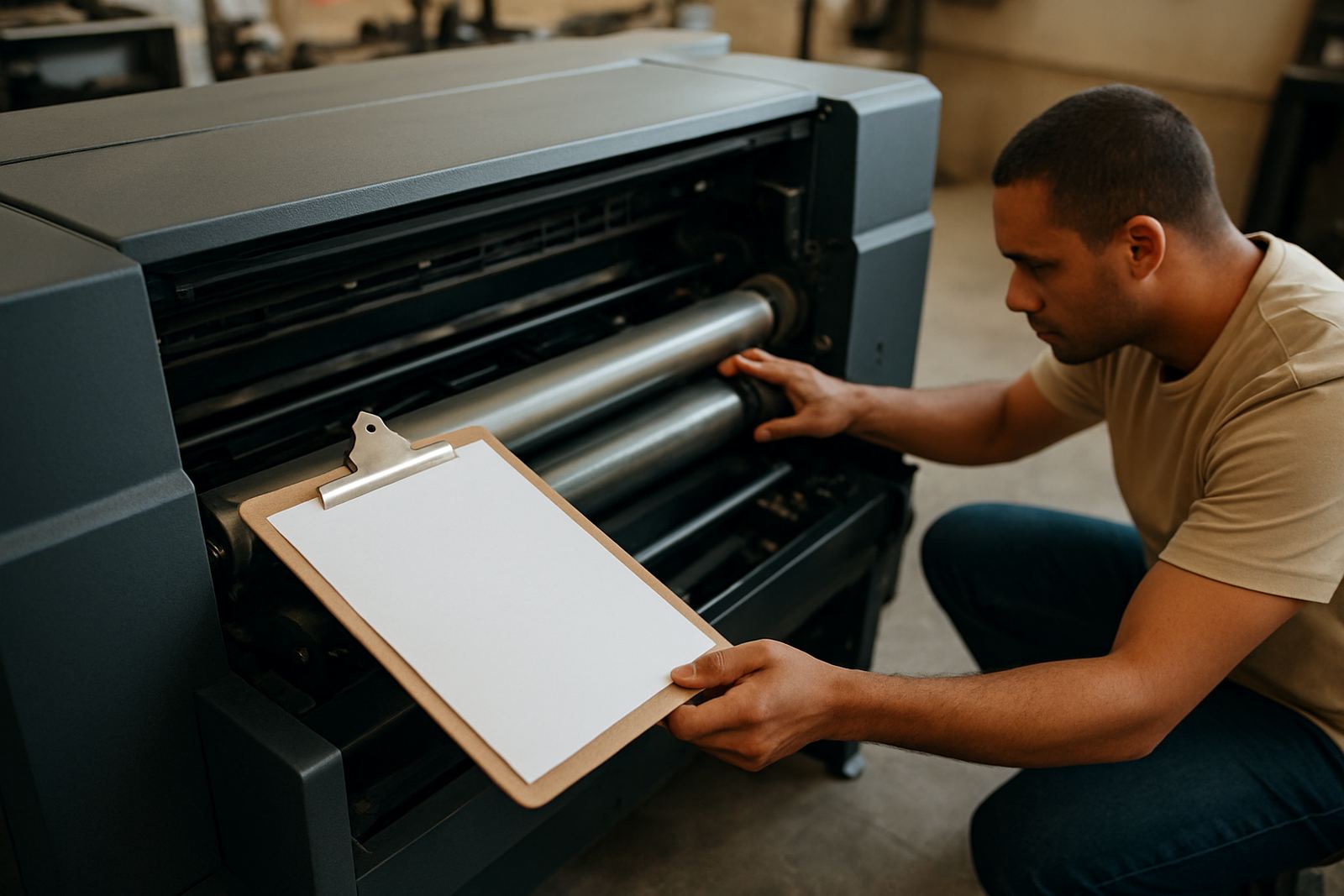
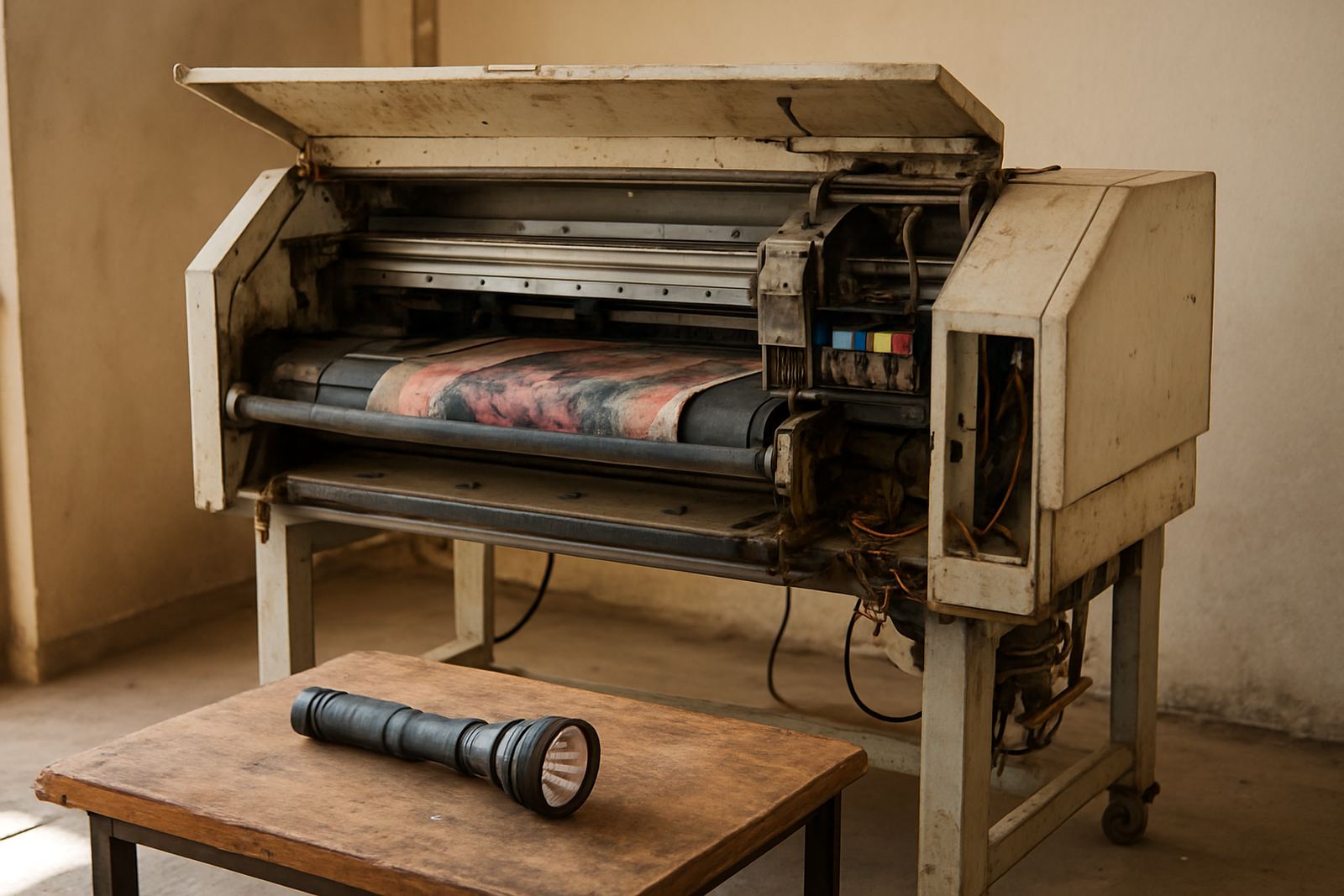
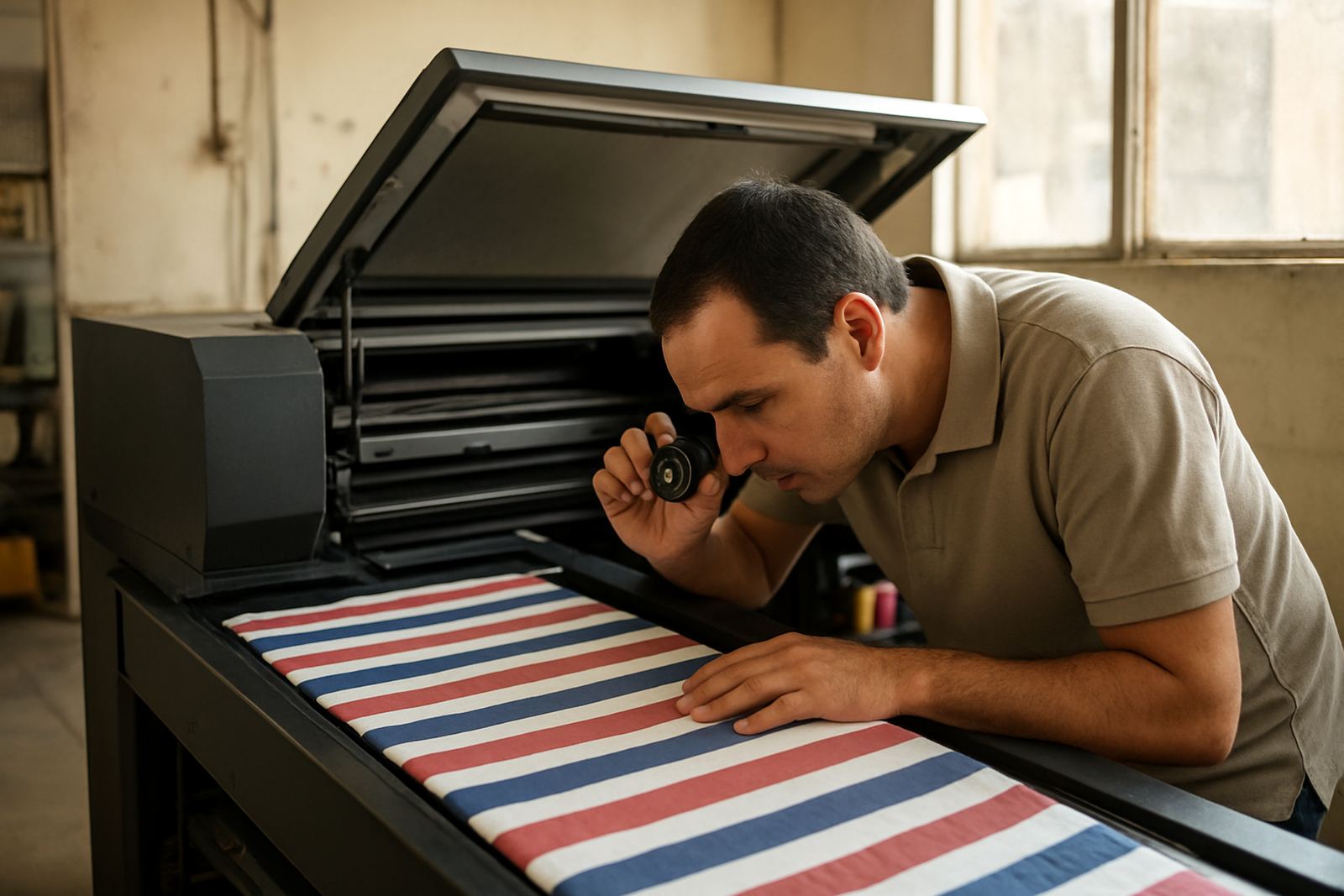
Good machines last longer when they are cleaned and checked on schedule. Printheads, ink lines and heating surfaces all need attention, and waiting until something fails usually means higher repair costs. In dusty industrial areas and warm production rooms, preventive work is especially important. It is also worth planning servicing before peak order periods so you are not caught out.
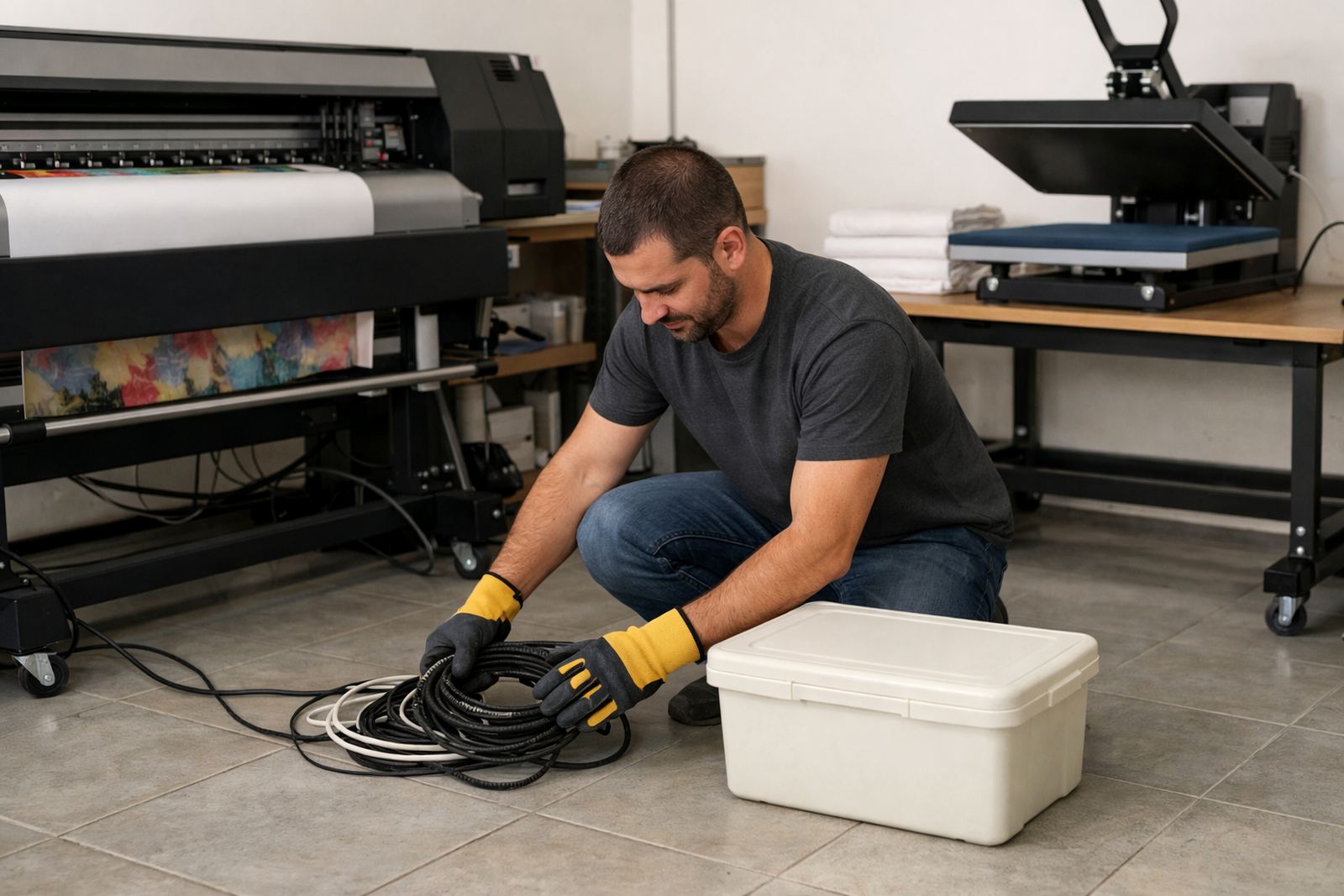
Simple habits make a real difference: flush the ink system when needed, wipe contact points, check cables and watch for uneven output before it becomes a bigger issue. A clean machine gives more consistent results and fewer surprises for your staff.
Training Helps New Operators Work Faster
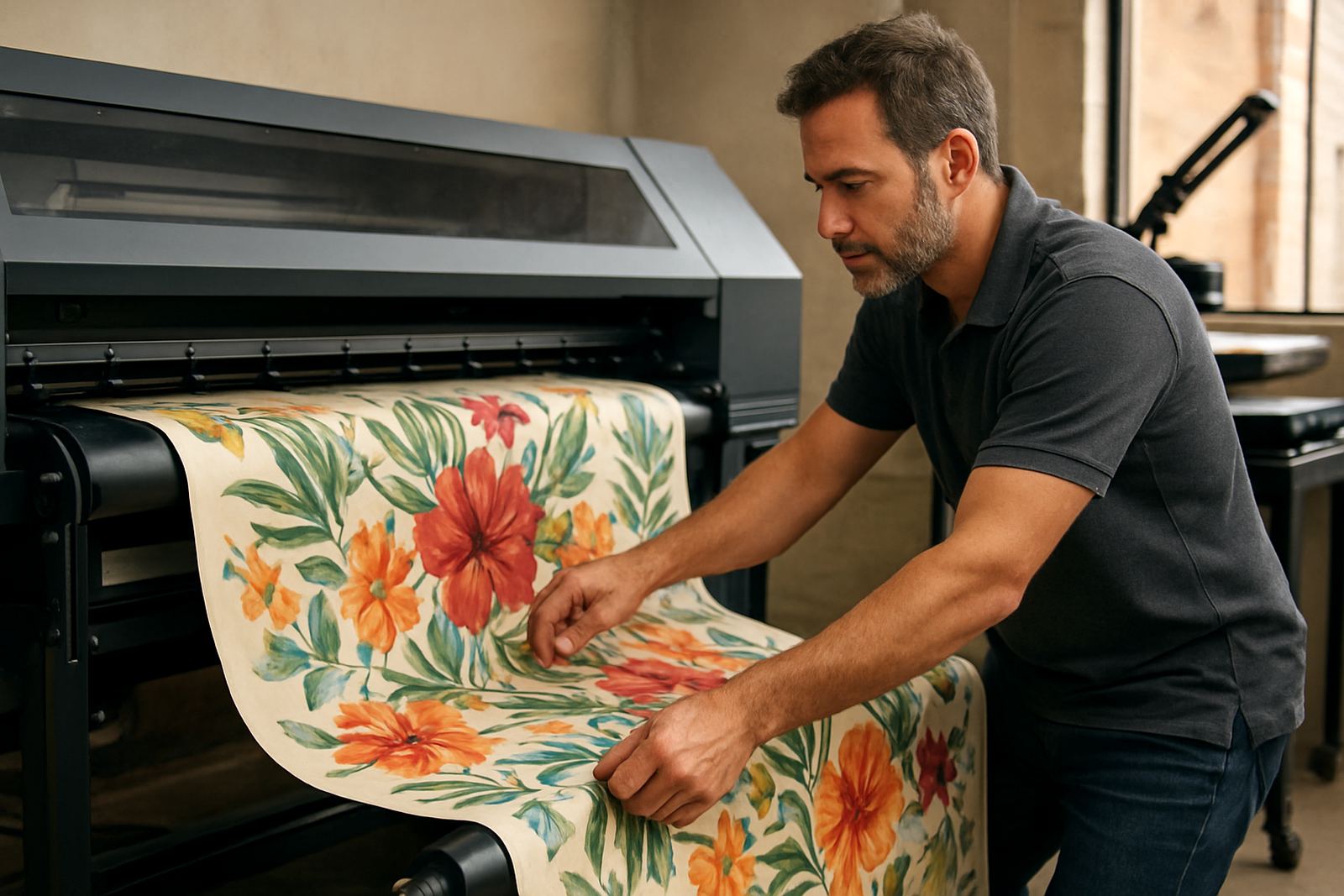
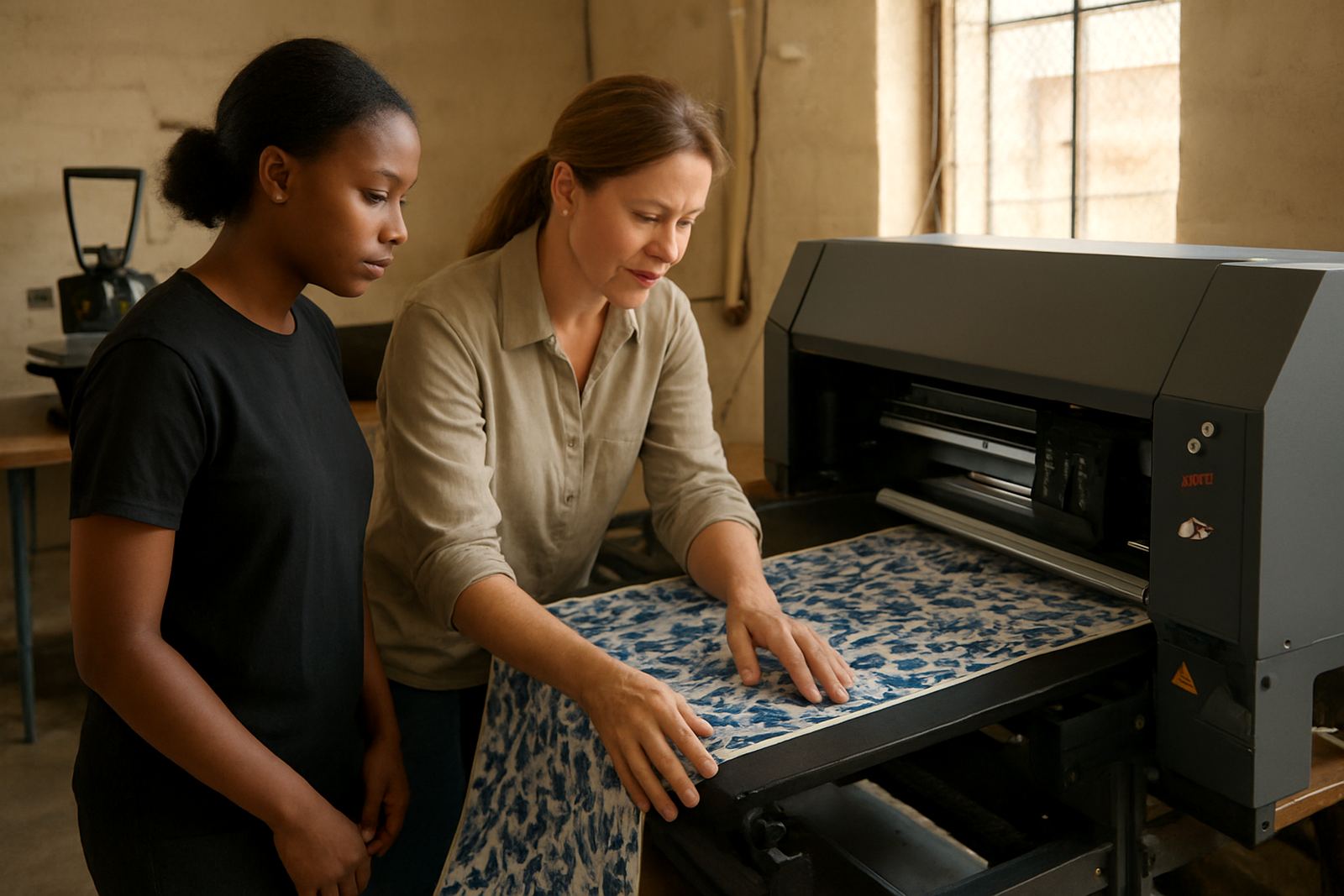
Good equipment is only half the story. A trained operator can spot problems early, keep output steady and reduce mistakes on a busy floor. For small businesses, this is often the fastest way to improve production without buying another machine. It also helps when one person is away and someone else has to step in without slowing everything down.
Training should cover loading media, heat settings, colour checks, basic fault finding and safe handling of inks and hot surfaces. The aim is not only to teach buttons and settings, but to help the team understand why each step matters.
Use The Journal To Plan Your Next Production Move
This journal is for business owners who want practical guidance before they buy, upgrade or expand. Some articles focus on machine choice, others on repair planning, colour profiling, relocation support or day-to-day production planning. If you are growing from a home studio to a small workshop, or trying to keep a larger shop more organised, use these notes to compare options properly.
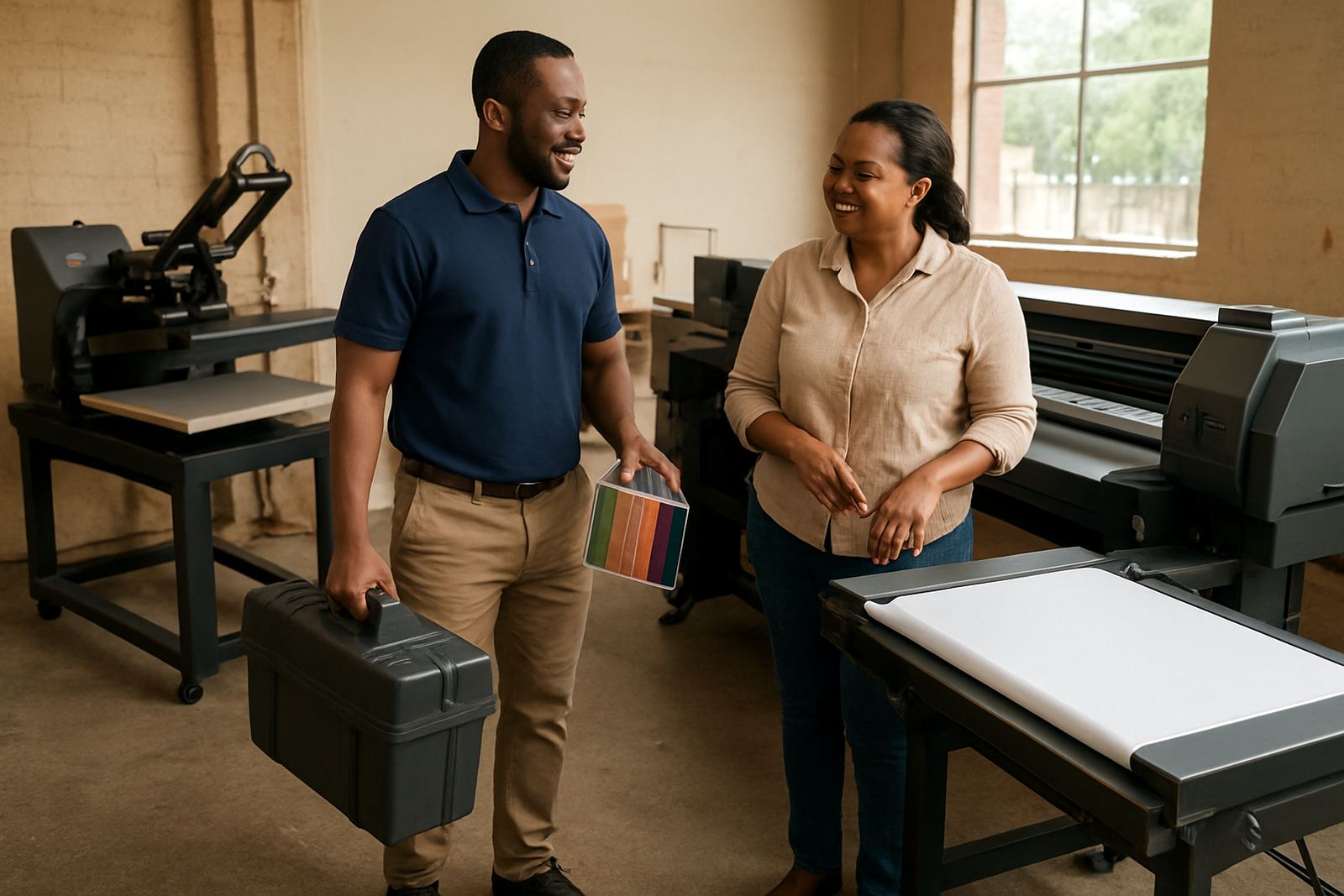
Our team in Germiston works with garment and textile businesses across Johannesburg, Pretoria, Durban, Cape Town and Bloemfontein, so the advice here reflects real workshop conditions, not theory. The right next step is usually the one that matches your output, your staff and your space.