Why décor ranges make sense for smaller print shops
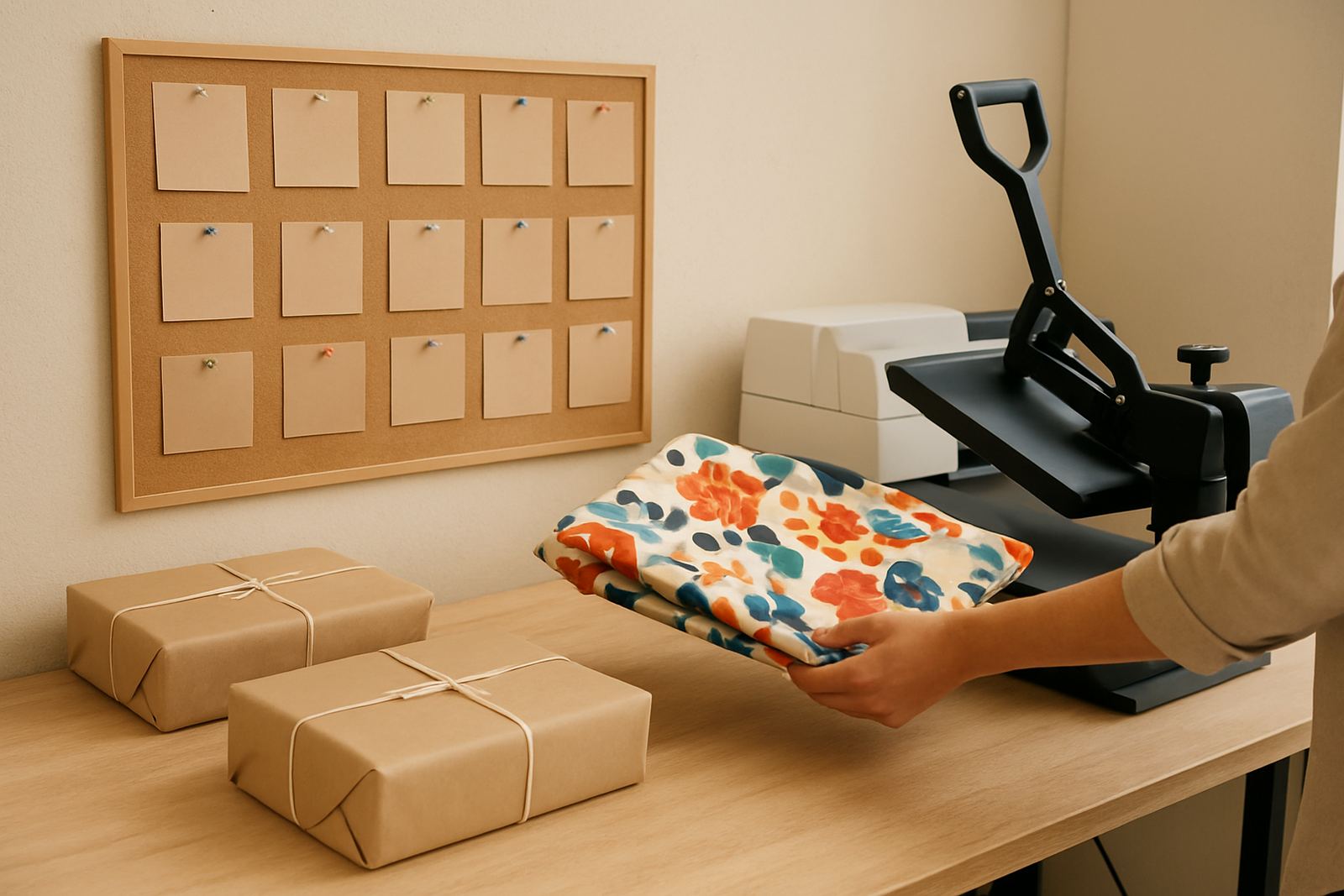
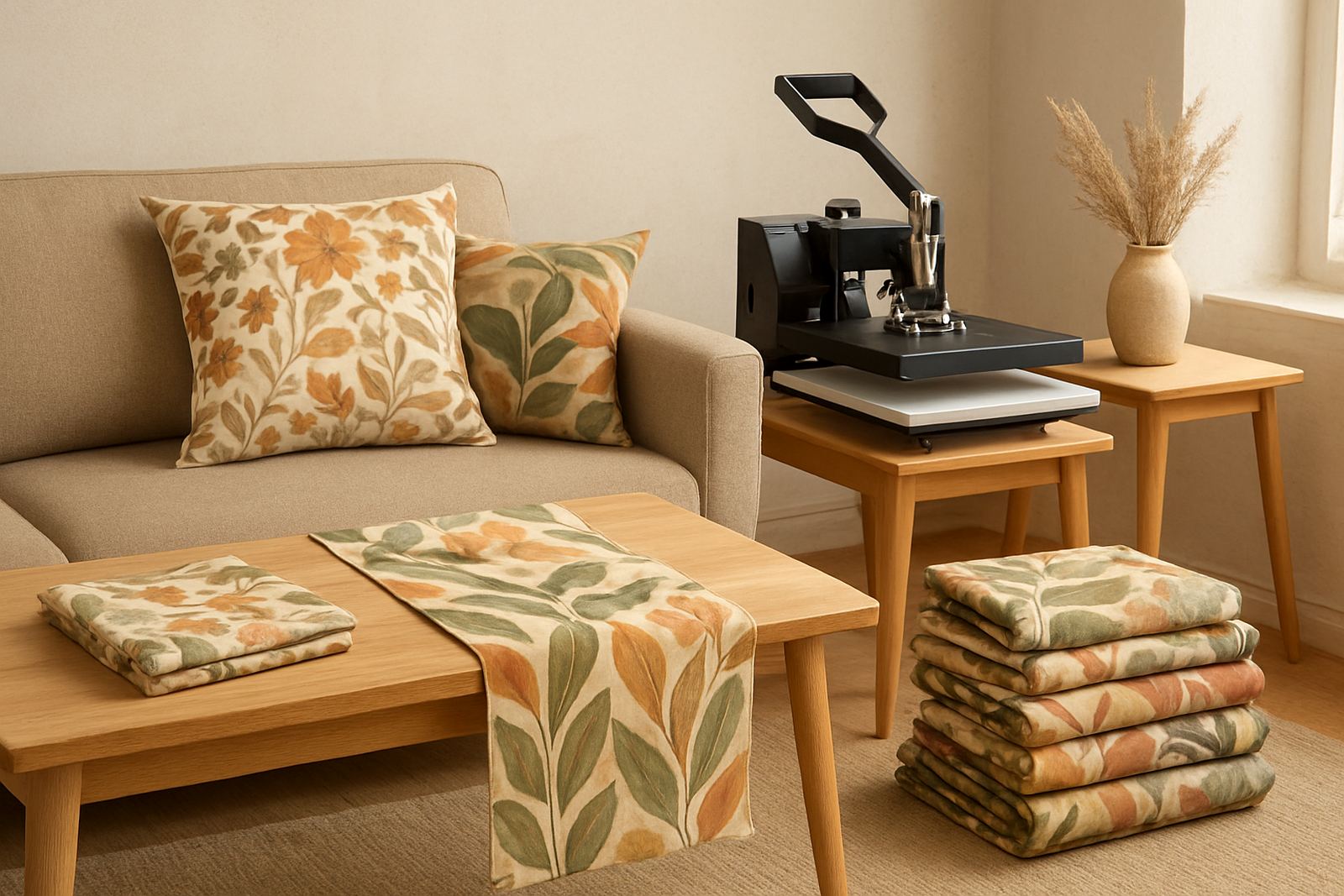
For a small textile business, décor work can be a smart way to use the same printers, heat presses and colour skills already on the floor. A cushion cover or table runner uses less cloth than a full garment run, so you can test designs without tying up too much stock or cash.
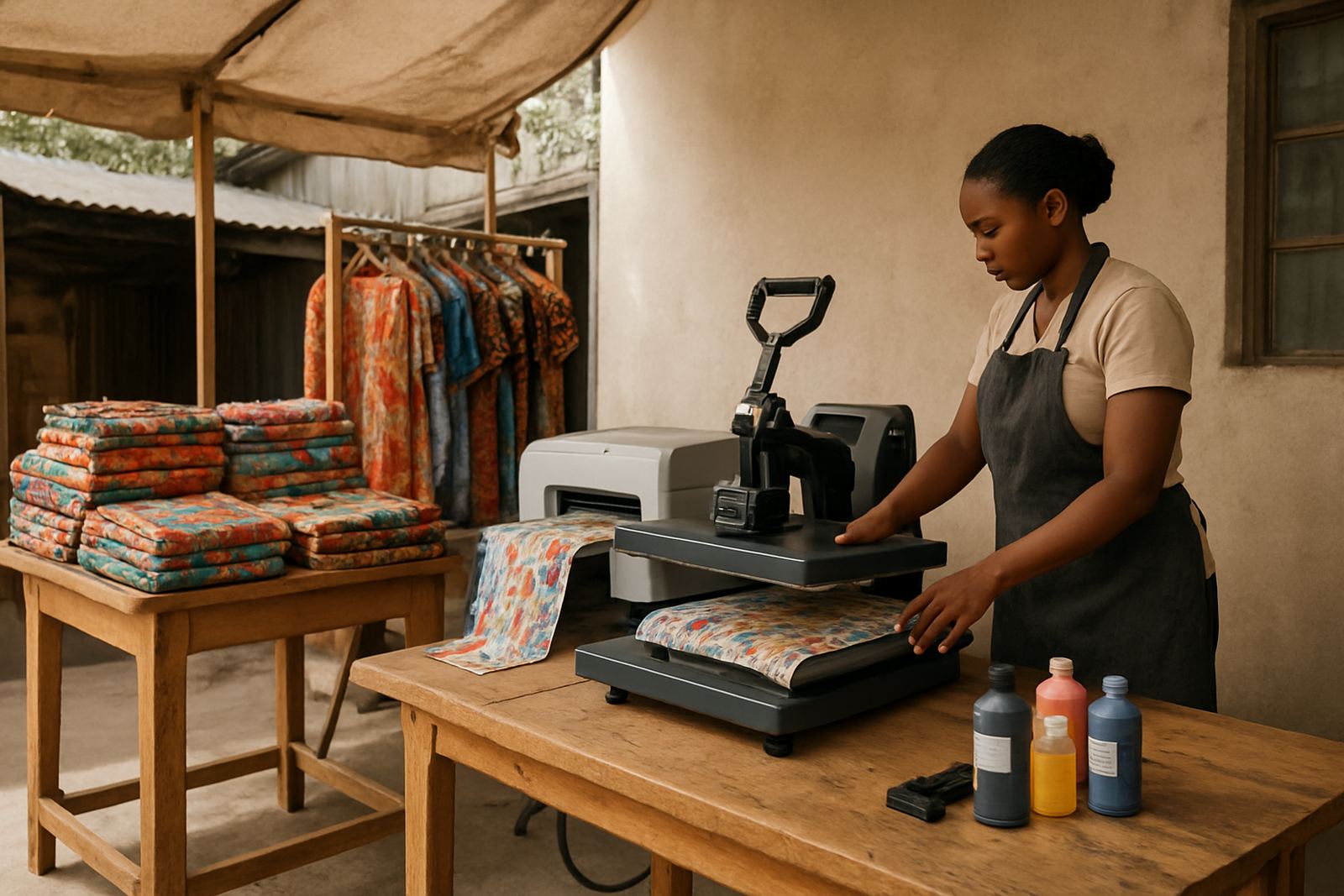
In South Africa, many décor orders come from interior decorators, guesthouses, wedding venues and home customers who want short runs with names, dates or seasonal colours. That gives you room to price for value, not only by metre, and it can help balance quieter weeks between larger clothing jobs.
The key is to choose products that are simple to cut, easy to finish and practical to repeat. If your workflow is tight and your team is small, start with items that do not require complex sizing or too many pattern pieces.
The first décor products worth adding
Start with products that are familiar to customers and simple for your team to measure consistently. In many cases, the best first range is not a full home décor catalogue but a focused selection that can be made well every time.
- Cushion covers in common sizes such as 45 x 45 cm and 60 x 60 cm
- Table runners for restaurants, guesthouses and event tables
- Scatter cushions and bolster covers for lounges and bedrooms
- Fabric placemats for small hospitality orders
- Short curtain panels for décor samples and boutique interiors
Keep the shapes practical. Straight seams, repeatable hems and standard zip or envelope finishes are usually easier to manage than complicated trims. That reduces wastage and makes re-orders simpler when a client wants 20 more covers next month.
Choosing fabrics that print well and handle real use
Décor items must look good, but they also need to survive handling, washing and daily use. A print that is bright on day one but fades quickly will come back as a complaint, not a recommendation. For this reason, fabric choice matters just as much as the artwork.
For cushions and runners, look for fabrics with a stable weave and a surface that accepts ink evenly. If the cloth moves too much during printing or cutting, your registration can drift and seams may not line up cleanly. In humid coastal areas like Durban, and even in some Cape Town workshops close to the sea, storage conditions can affect how fabric behaves during production.
- Check whether the fabric curls, stretches or frays too much at the edges
- Test how the cloth reacts after washing and heat setting
- Keep sample swatches for each fabric type and record the results
- Store rolls or folded stock away from dust and damp areas
If you already produce garments, you may have a good sense of which base fabrics work best. Still, décor ranges often need a slightly heavier hand and a more careful finish so the final item holds its shape in use.
How to build colour confidence before taking orders
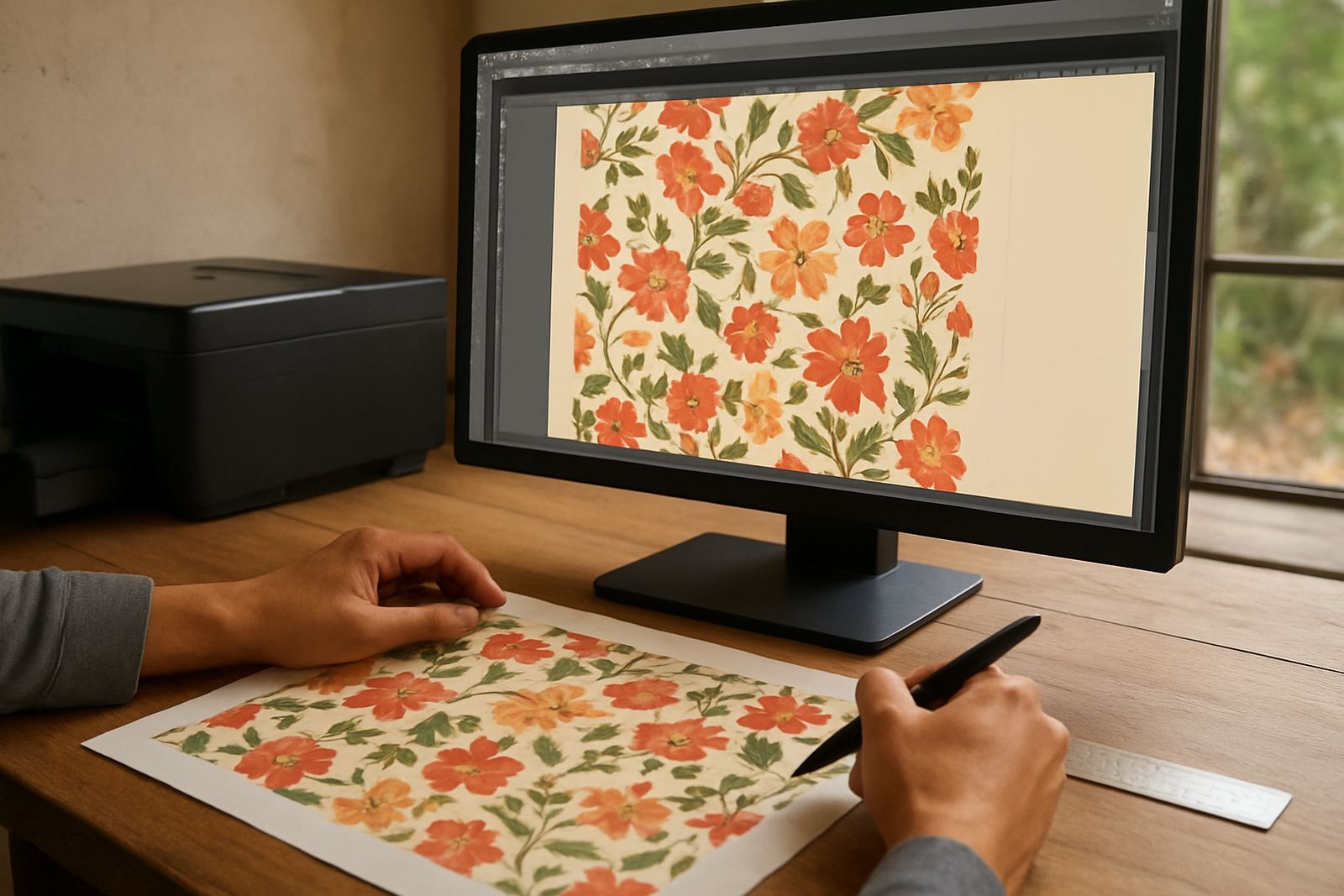
Décor customers are often more specific about colour than garment clients. A cushion for a lounge must match curtains, a sofa or a paint sample, and that means your colour process needs to be controlled. A design that prints fine on screen can look very different once it lands on fabric.
This is where proper set-up training, colour profiling and regular test prints pay off. If you print in Johannesburg, Pretoria or Germiston, power interruptions can still interrupt a job halfway through, so it helps to have a repeatable system that lets you restart without guesswork. Even one missed shade can spoil a matched set.
Keep a physical sample book for your common décor colours. Label the fabric type, ink set-up, heat setting and wash result. That sort of record makes it easier to quote properly and avoids redoing work because the second batch does not look like the first.
Pricing décor work so it stays worth your while
Many small print businesses undercharge décor pieces because they compare them only on material cost. That usually leaves out the time spent on sampling, cutting, pressing, finishing and packing. A cushion cover may be small, but if you are doing a one-off design with colour matching and a rush turnaround, the labour can be the biggest part of the job.
Set your pricing around process, not just cloth. A simple method is to price the fabric, printing time, finishing, consumables and a margin for rework. If the client wants a custom runner for a wedding venue in Midrand or a small hospitality order in Bloemfontein, factor in the admin time too.
It also helps to offer tiered pricing. One item is priced differently from ten identical items. That gives you flexibility when a boutique asks for a sample first and then places a larger order after approval.
A local example from sample to repeat order
A small workshop in Wadeville might begin with ten printed cushion covers for a boutique guesthouse in Pretoria. The first order could include two colourways, a logo placement and matching runners for the breakfast tables. The client wants the look to suit a modern interior, but also needs items that can be replaced later without changing the whole theme.
Once the sample is approved, the business can reuse the same settings for repeat batches, which cuts down on wasted time. If the workshop keeps the fabric roll, print file and finishing notes together, the next order is quicker to quote and easier to produce. That kind of repeat work can become steady income over the year.
- Keep a job card with fabric type, print settings and finishing notes
- Save colour references for future reorders
- Photograph the finished item in natural light for your records
- Ask for feedback after delivery so you can improve the next batch
For many small businesses, this is where décor work becomes useful. It does not need a huge factory floor. It needs good records, careful finishing and the confidence to take on smaller, profitable runs.
Using décor work to widen your customer base
Décor items open the door to customers who may never order a full garment run. Homeowners, wedding planners, schools, cafes and guesthouses all buy fabric products in different ways. Once they trust your printing quality, they may return for table linen, branded gifts or seasonal ranges.
This is also where a support team matters. If you need machine installation, preventive servicing, printhead cleaning or remote troubleshooting, keep your production moving before deadlines get tight. A stopped printer during peak season can cost you an entire order, especially when a client in Durban or Cape Town needs stock before a launch or event.
Small print businesses that treat décor as a proper product line rather than a side hustle often find it brings in steadier repeat work. Start with a narrow range, test it properly and build from there. That way your business can grow without stretching the team too thin.