


Start with the kind of fabric work you want to produce
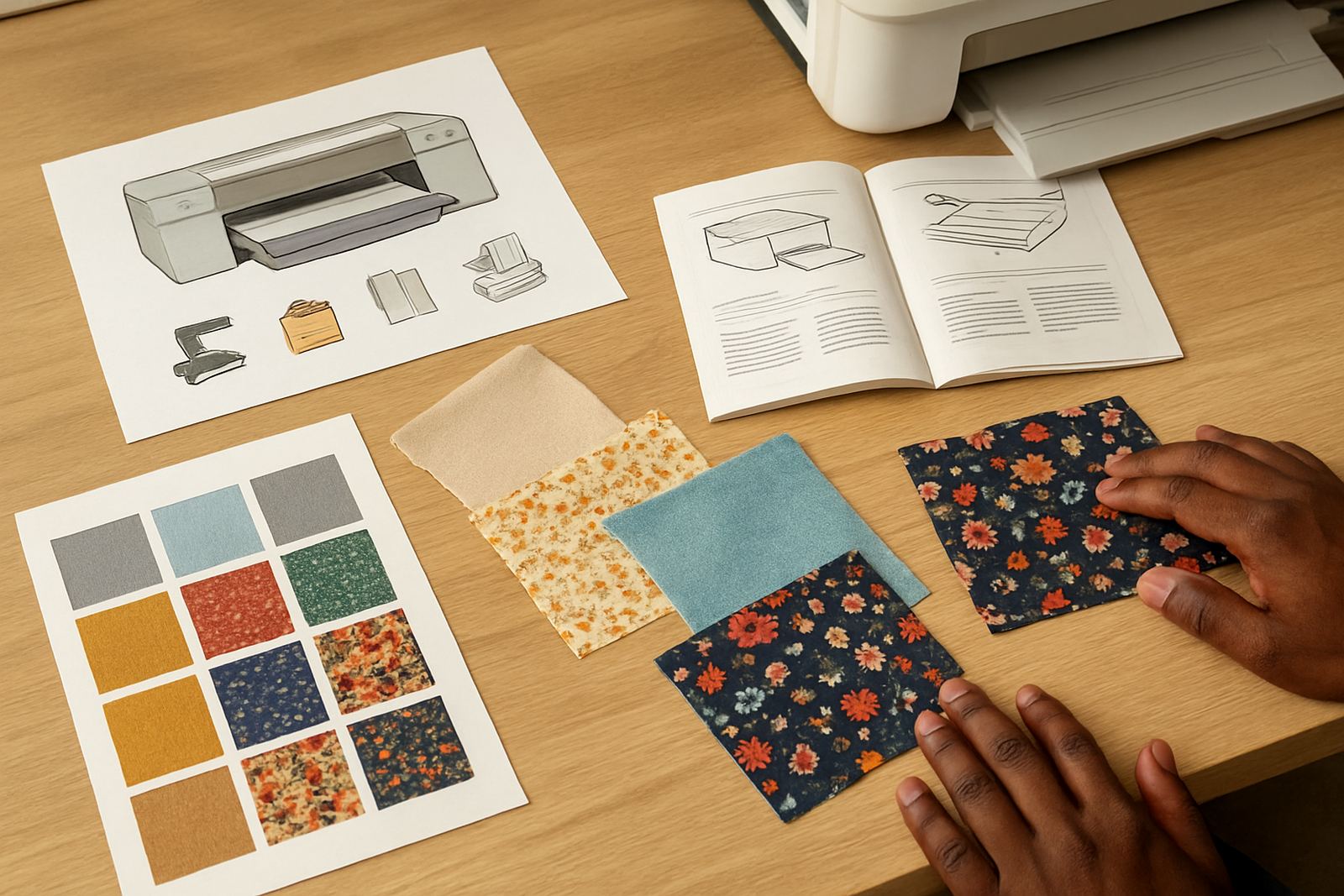
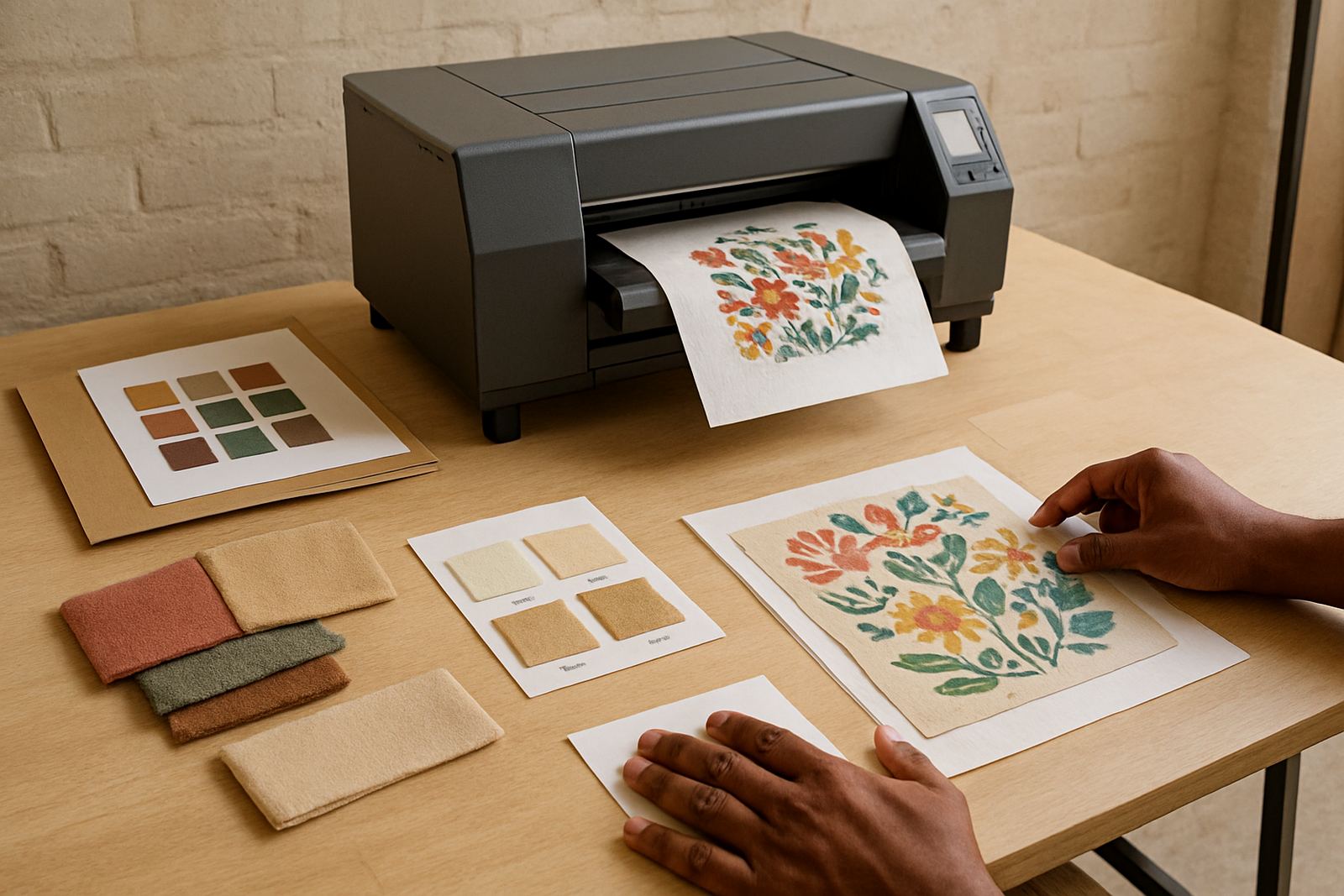
Before you compare machines, decide what you want to print and how often. A small label studio in Johannesburg does not need the same setup as a workroom in Durban producing repeat orders for schoolwear, team kits or boutique ranges. The right choice depends on fabric type, print width, daily output and how much finishing work happens after printing.
Our guides cover the common buying questions that come up when a business is moving from short runs to regular production. They also help you budget for ink, heat pressing, media handling and operator time, not just the machine price.
- Small-batch fashion labels and sampling
- Custom garments and boutique textile runs
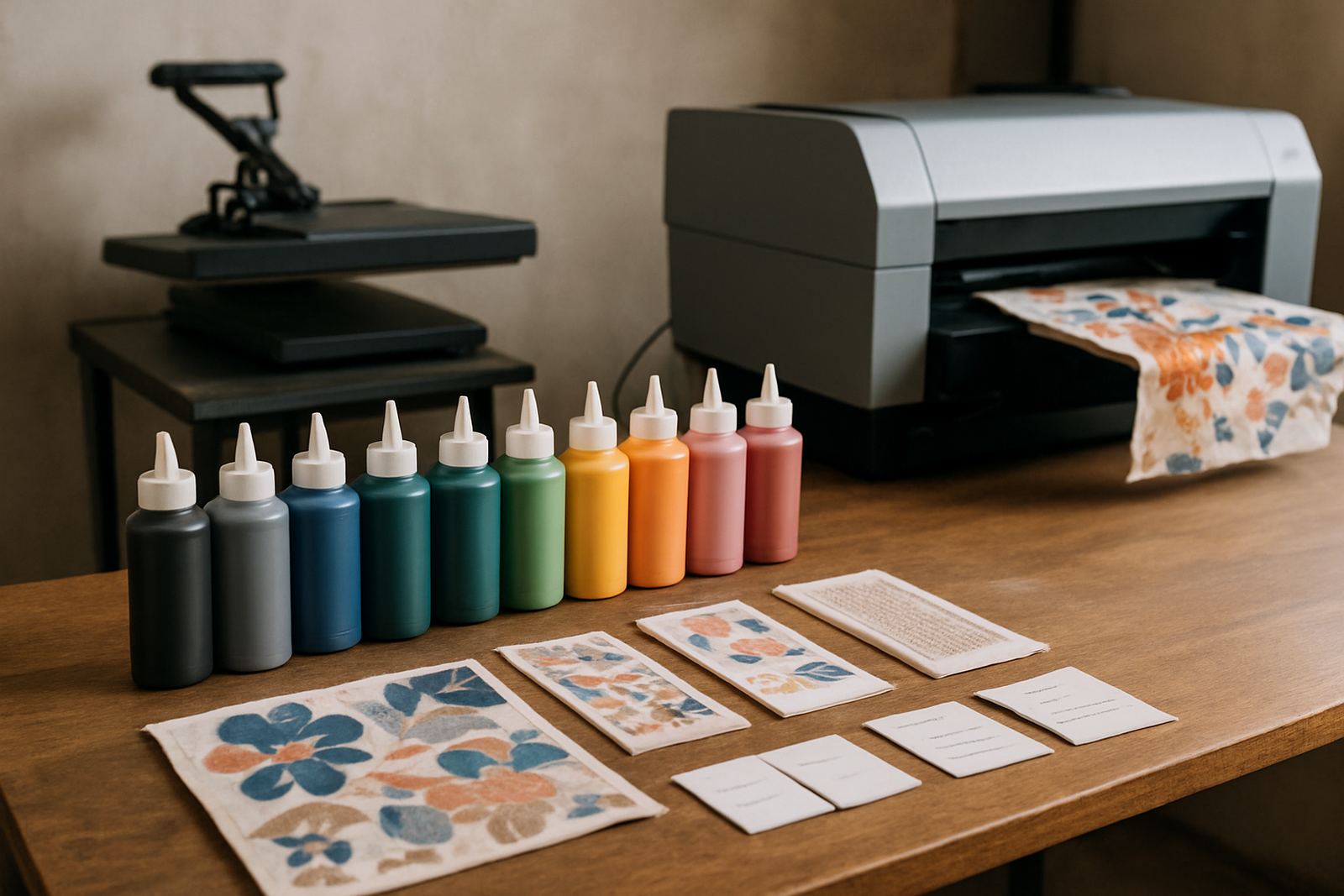
- High-colour prints for retail or event work
- Workshops that need training and repeatable settings
Compare printer options by output, fabric and workflow
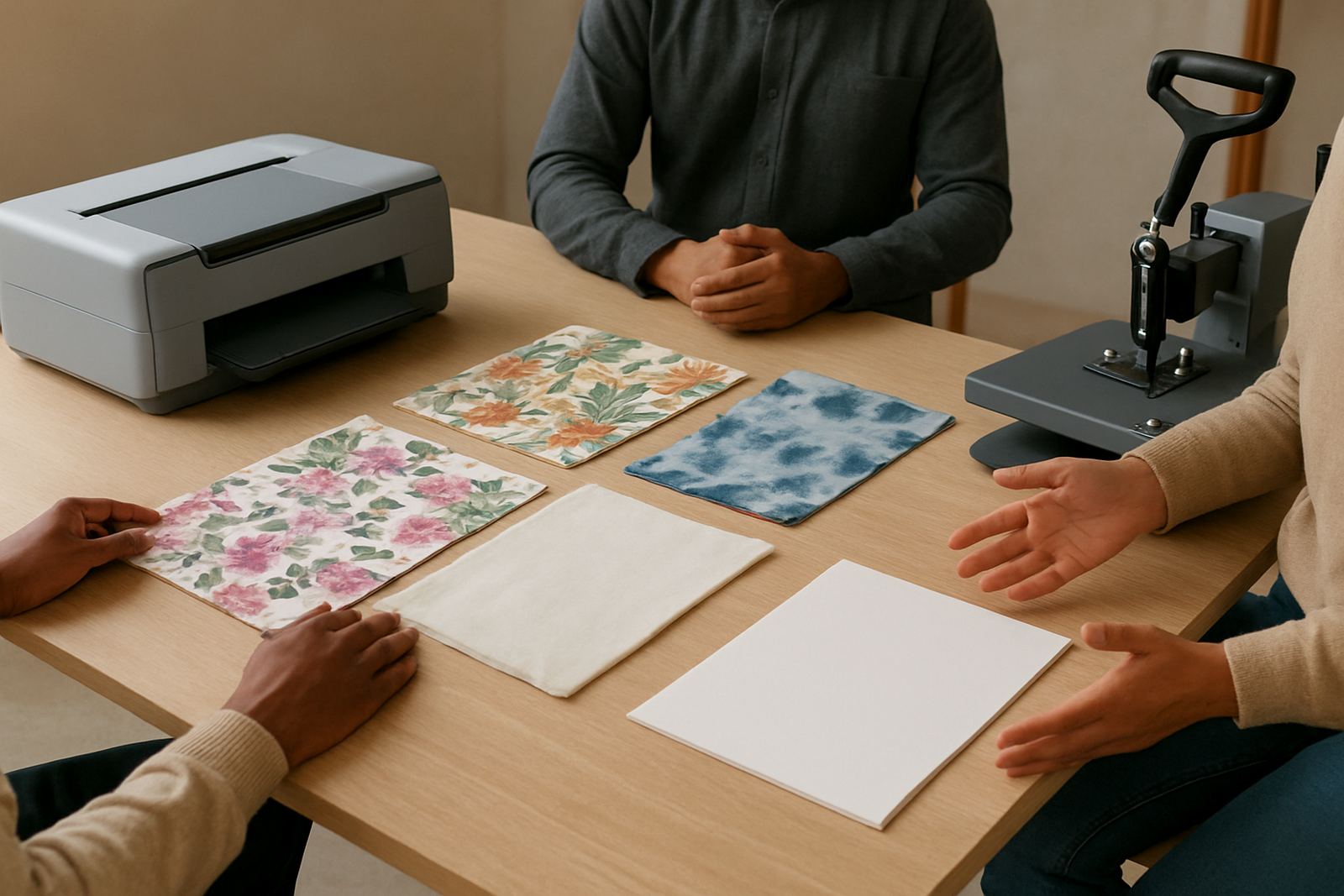
Direct-to-fabric inkjet printers are not all used in the same way. Some are better for trial runs and sample development, while others suit steady production with tighter colour control. The guides explain what to look for in carriage width, ink compatibility, fabric feed, drying needs and cleaning routines so you can match the machine to your floor space and staff.
In South Africa, workflow matters just as much as print quality. If your premises in Germiston or Midrand have limited power backup, you need to think about load-shedding, safe shutdowns and restart time. If you work in coastal areas such as Durban or Cape Town, humidity can affect storage, curing and day-to-day handling, so the guide notes those differences too.
- Print width and daily throughput
- Fabric handling and alignment
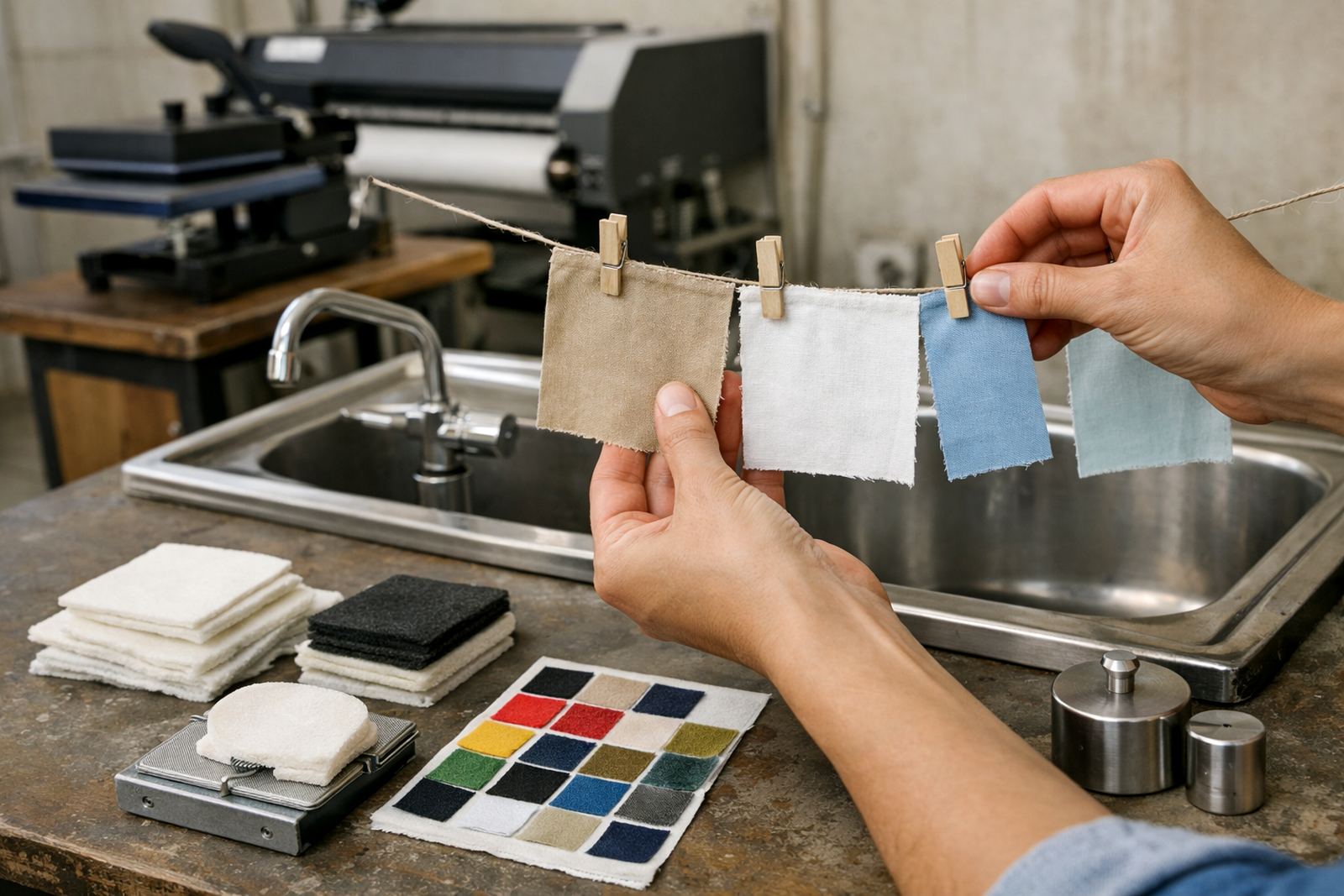
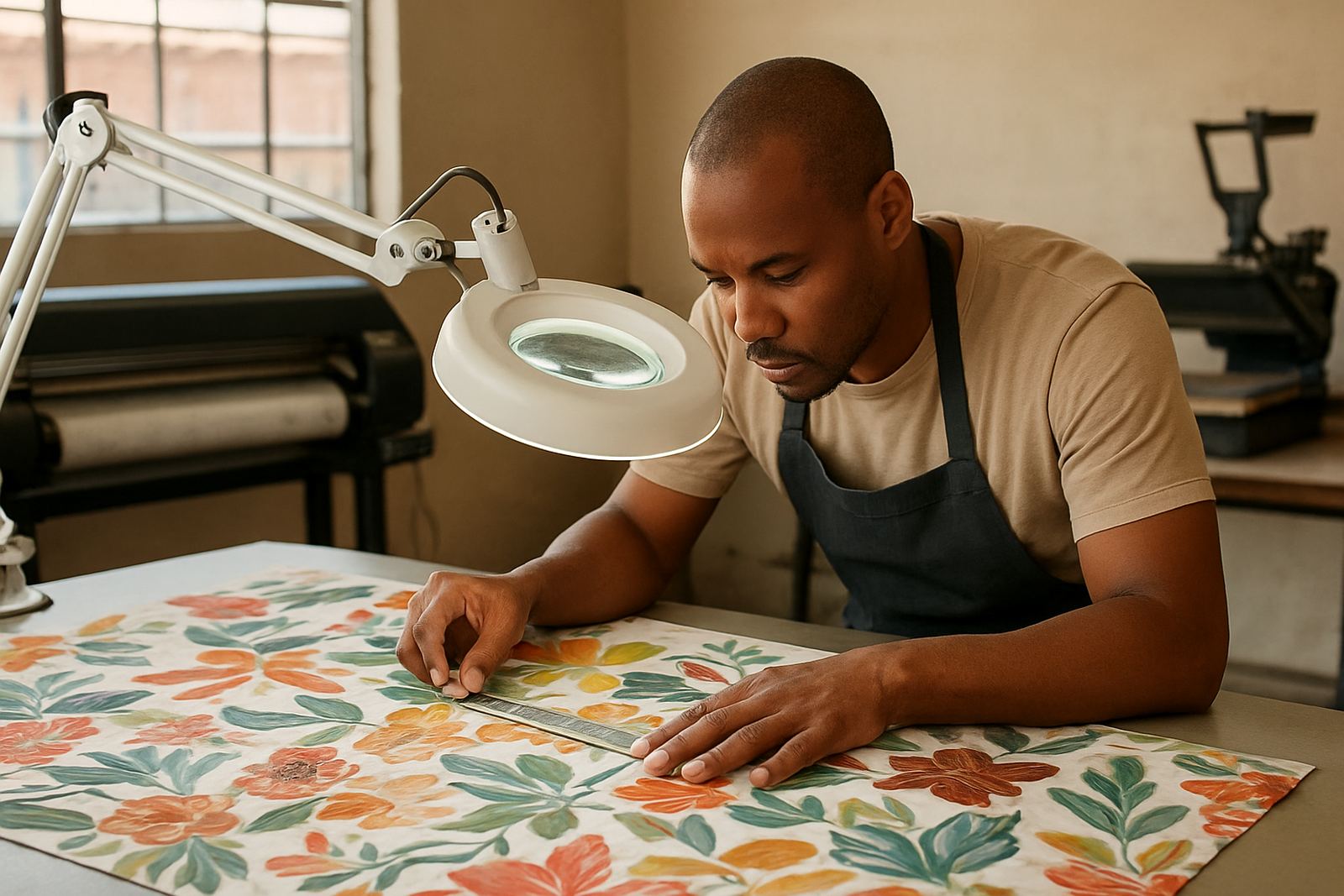
- Colour consistency between jobs
- Power, ventilation and backup planning
Use heat presses and finishing tools the right way
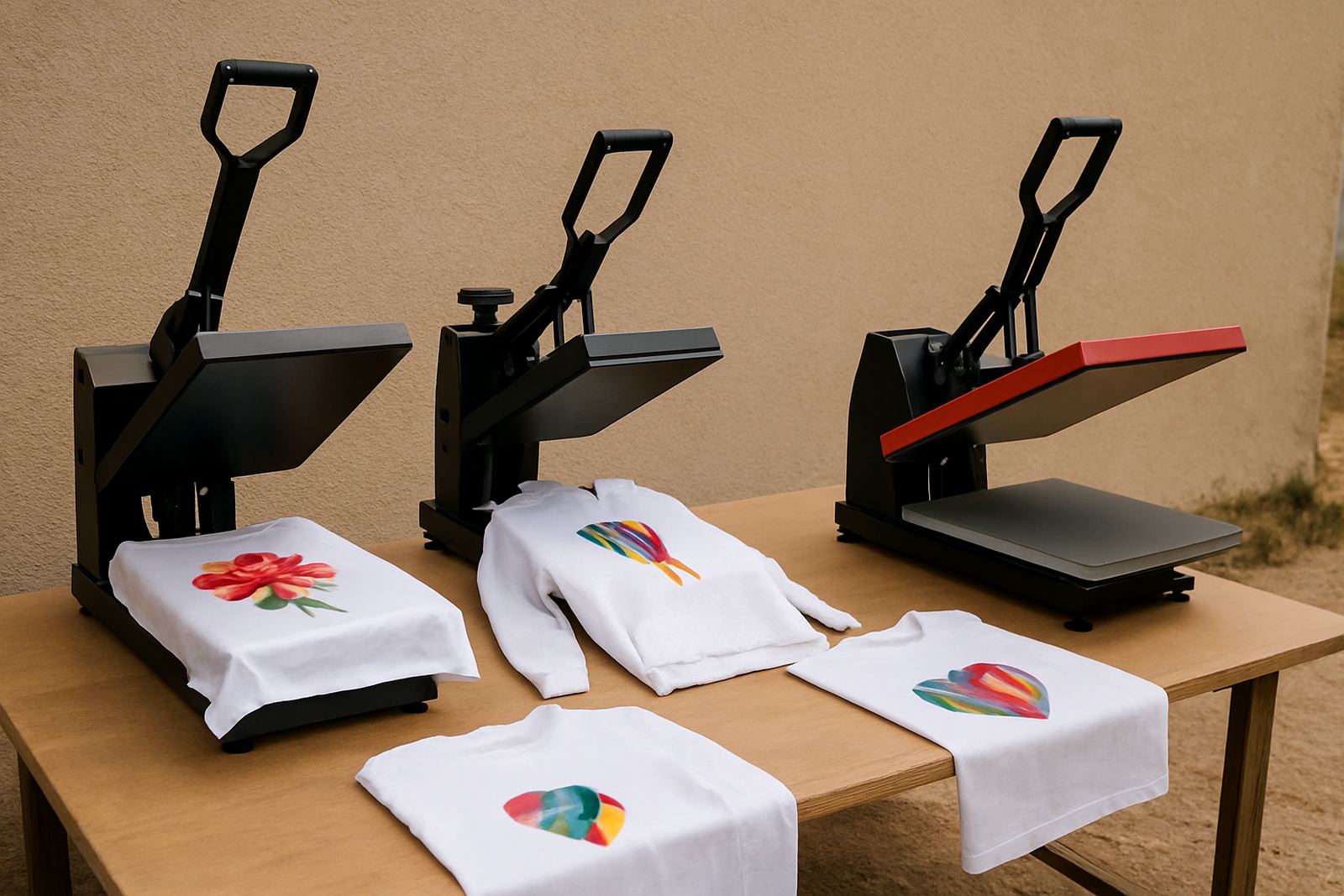
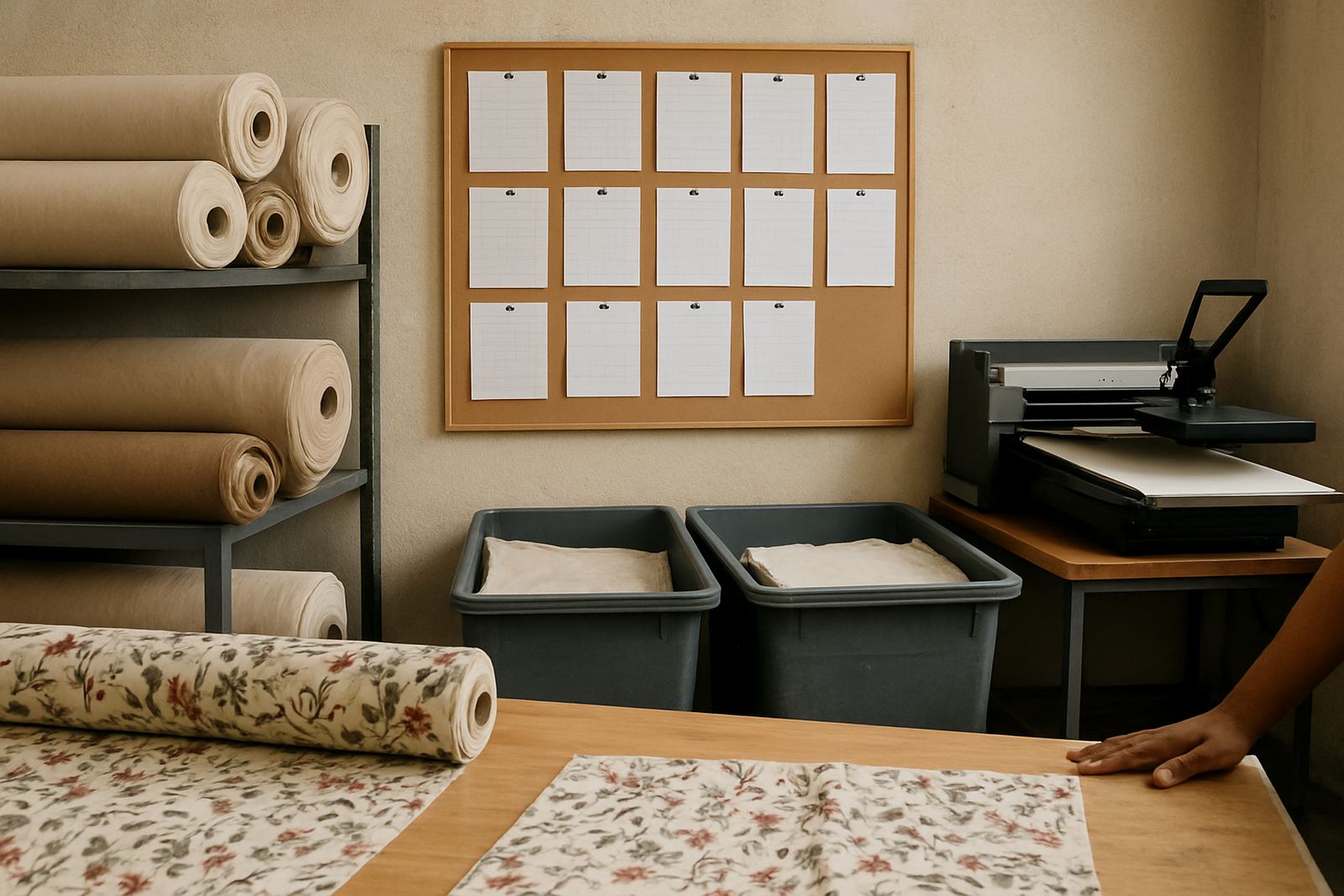
A good print is only part of the job. Heat presses, curing steps and finishing tools affect wash durability, hand feel and final appearance. These guides explain how to pair the printer with the right press size, pressure settings and dwell times so operators can keep results consistent across different textiles.
We also cover common mistakes that cost money, like pressing before moisture is removed or using the wrong temperature for a delicate blend. For a growing business, a small error in setup can mean rework, wasted ink and unhappy clients. That is why the guides focus on repeatable steps, not guesswork.
Plan setup, training and operator routines before the first order
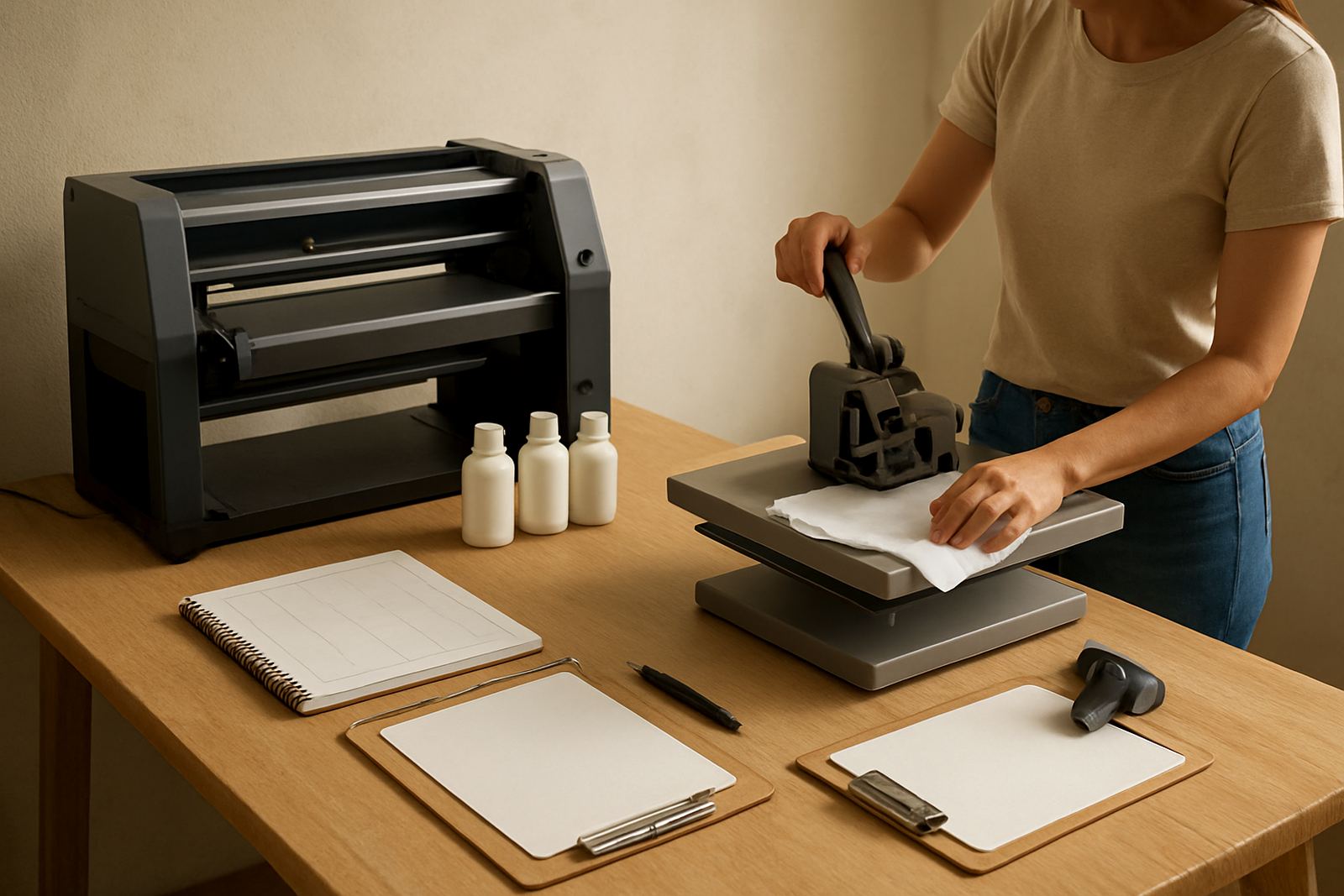
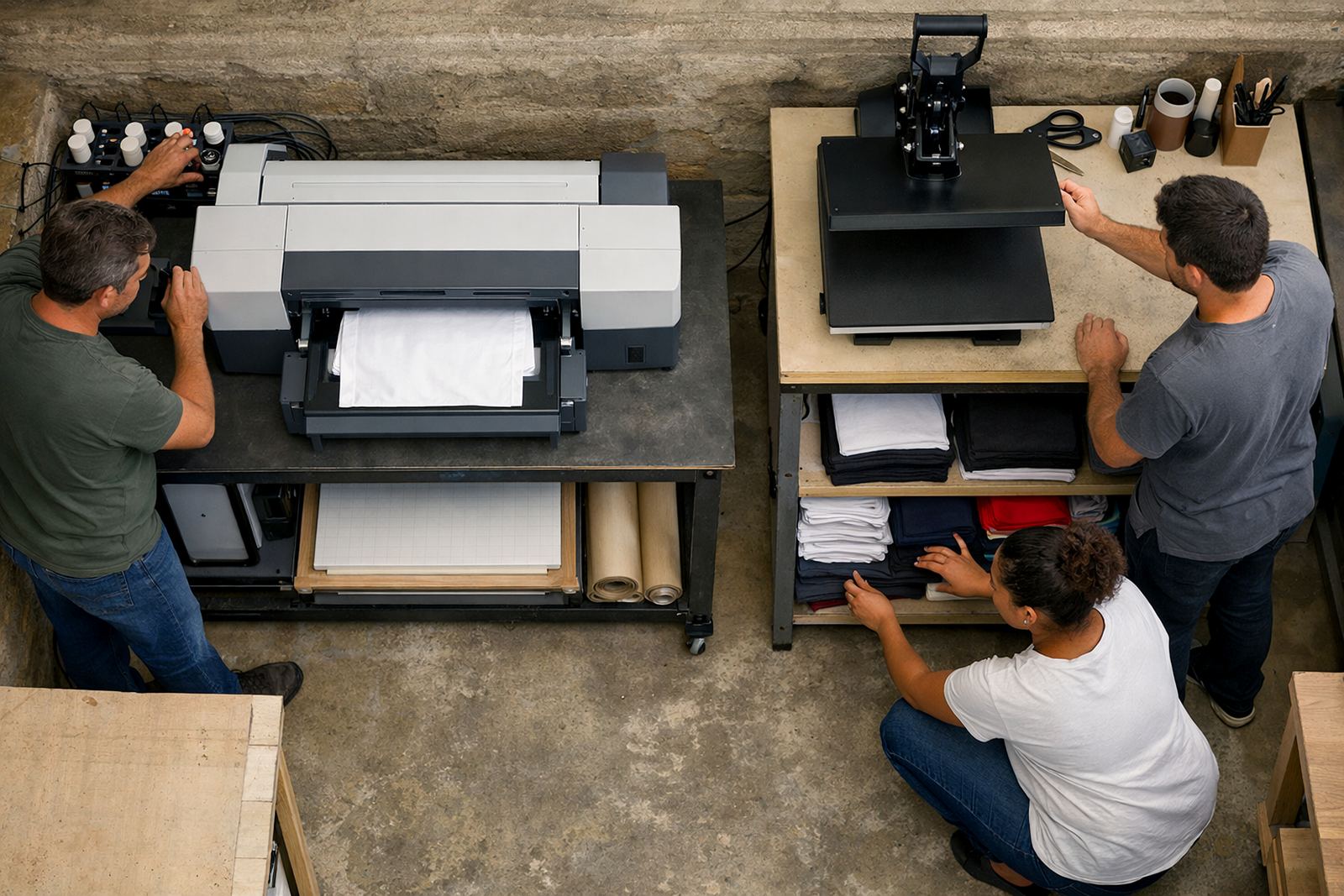
Buying equipment is only the first step. A clean installation, proper colour profiling and hands-on training can save days of trial and error. Our guides help owners prepare the room, check table heights, manage media storage and assign daily operator duties. They are written for teams that may have one experienced person and a few new hands learning the process.
For businesses in Pretoria, Bloemfontein and Cape Town, we also recommend planning around municipal access rules, delivery timing and building access for heavy items. If the machine is moving into a working studio, think about lift access, floor space and safe routing before installation day.
- Room layout and clear working space
- Operator roles and daily checks
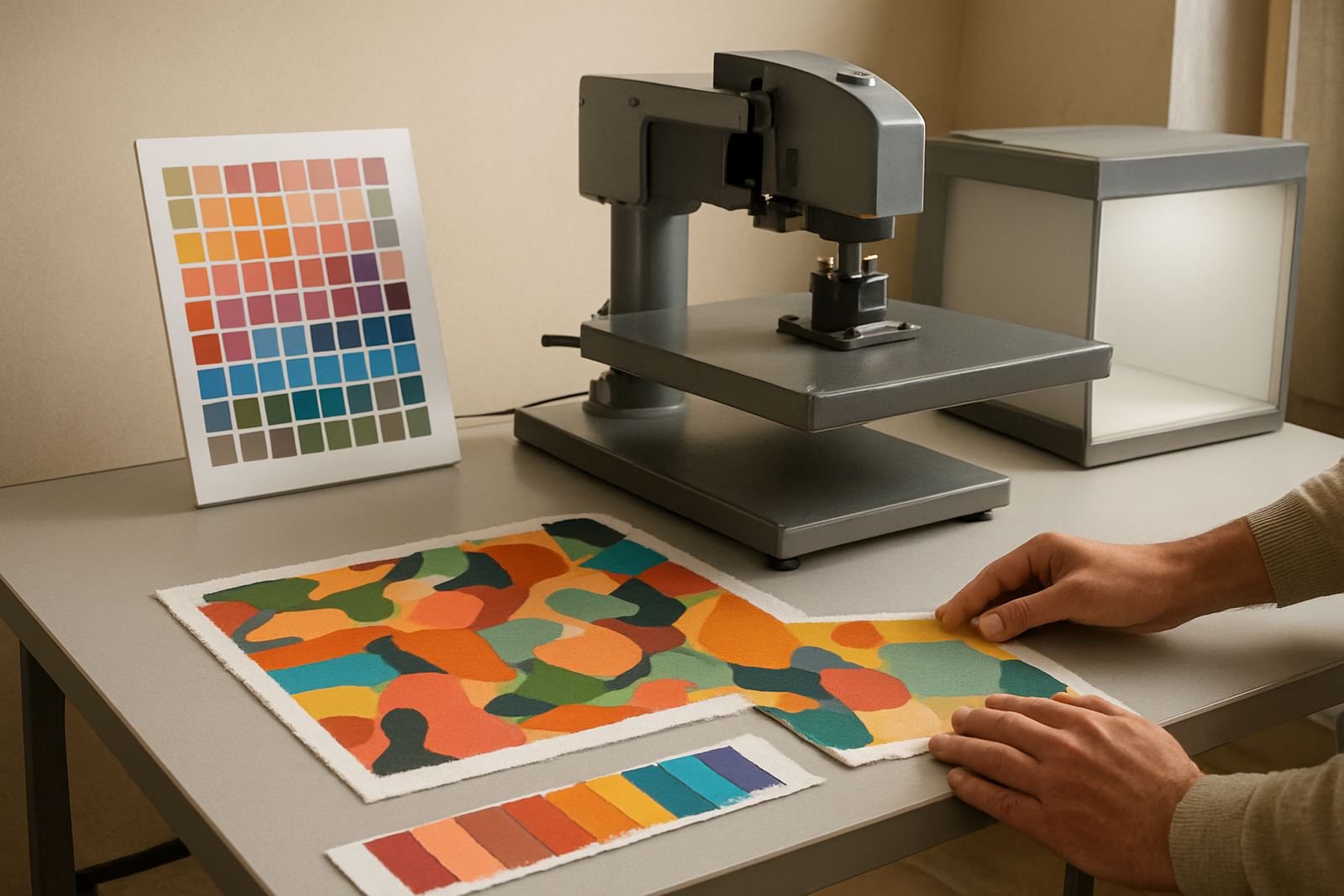
- Colour profiling and repeat job settings
- Training for new staff and seasonal help
Keep production going with maintenance and support
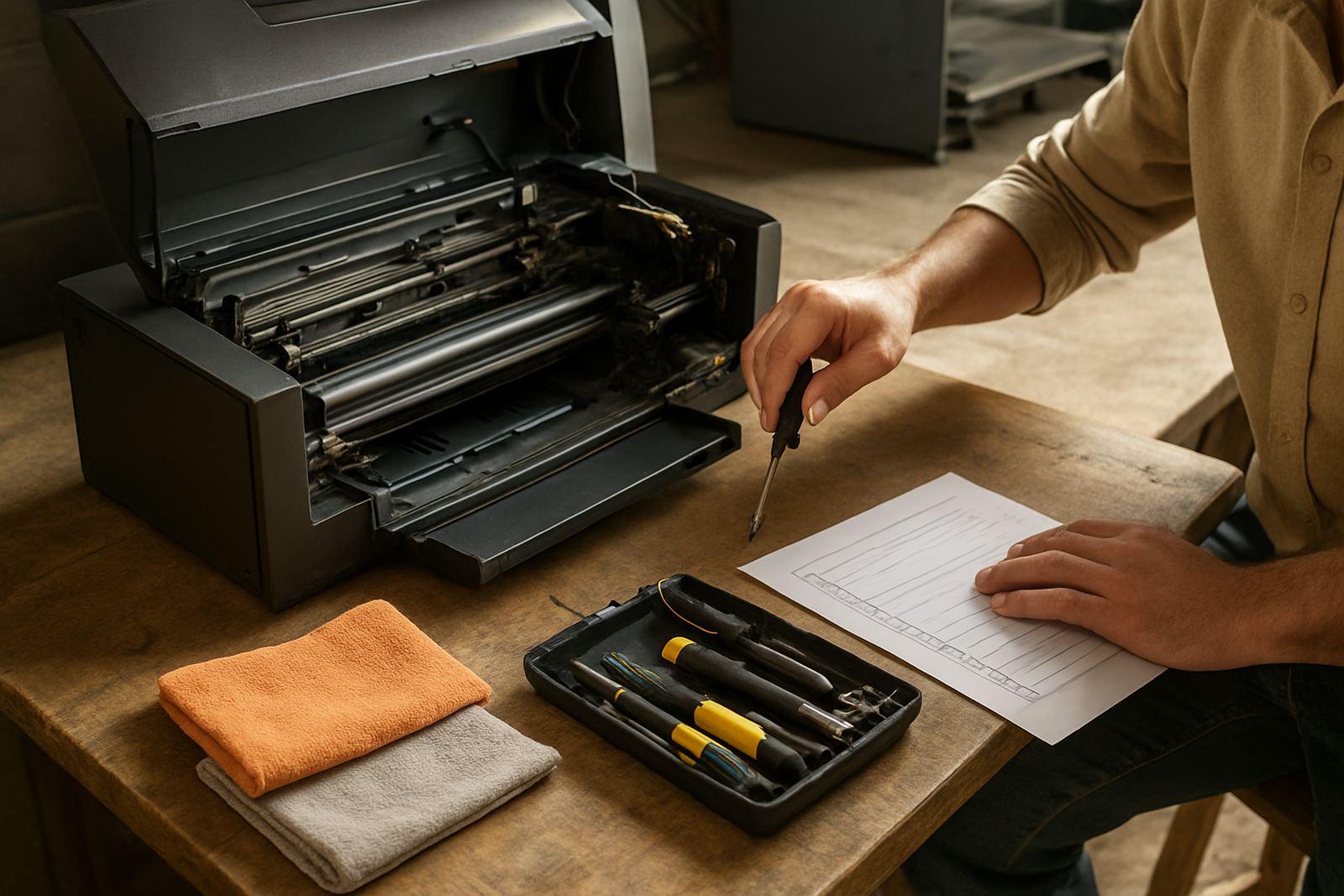
Printing businesses lose time when cleaning, flushing or servicing is left too long. These guides explain the basics of preventive care, printhead cleaning, ink system flushing and routine inspections. They also outline when a problem can be handled by the operator and when it is better to call for breakdown repairs or remote troubleshooting.
That approach matters for smaller businesses that cannot afford long downtime. A quick check on ink flow or a filter issue can often prevent a bigger stoppage later, and it helps keep service costs under control. For some customers, a maintenance contract is worth it simply because production cannot stop for a week.
Choose the guide that matches your stage of growth
Not every buyer is at the same point. Some are still comparing first machines, while others are planning a second unit or a relocation to bigger premises. These guides are grouped to help you move from one stage to the next without overspending. They are practical, not theoretical, and they aim to help owners make better commercial decisions as well as technical ones.
If you are based in Johannesburg, Pretoria, Durban, Cape Town or Bloemfontein, the same core questions still apply: what will you print, who will run it, and how quickly do you need the machine to pay for itself. The answers change from business to business, but the planning steps stay the same.