
Start with a weekly job board and realistic capacity
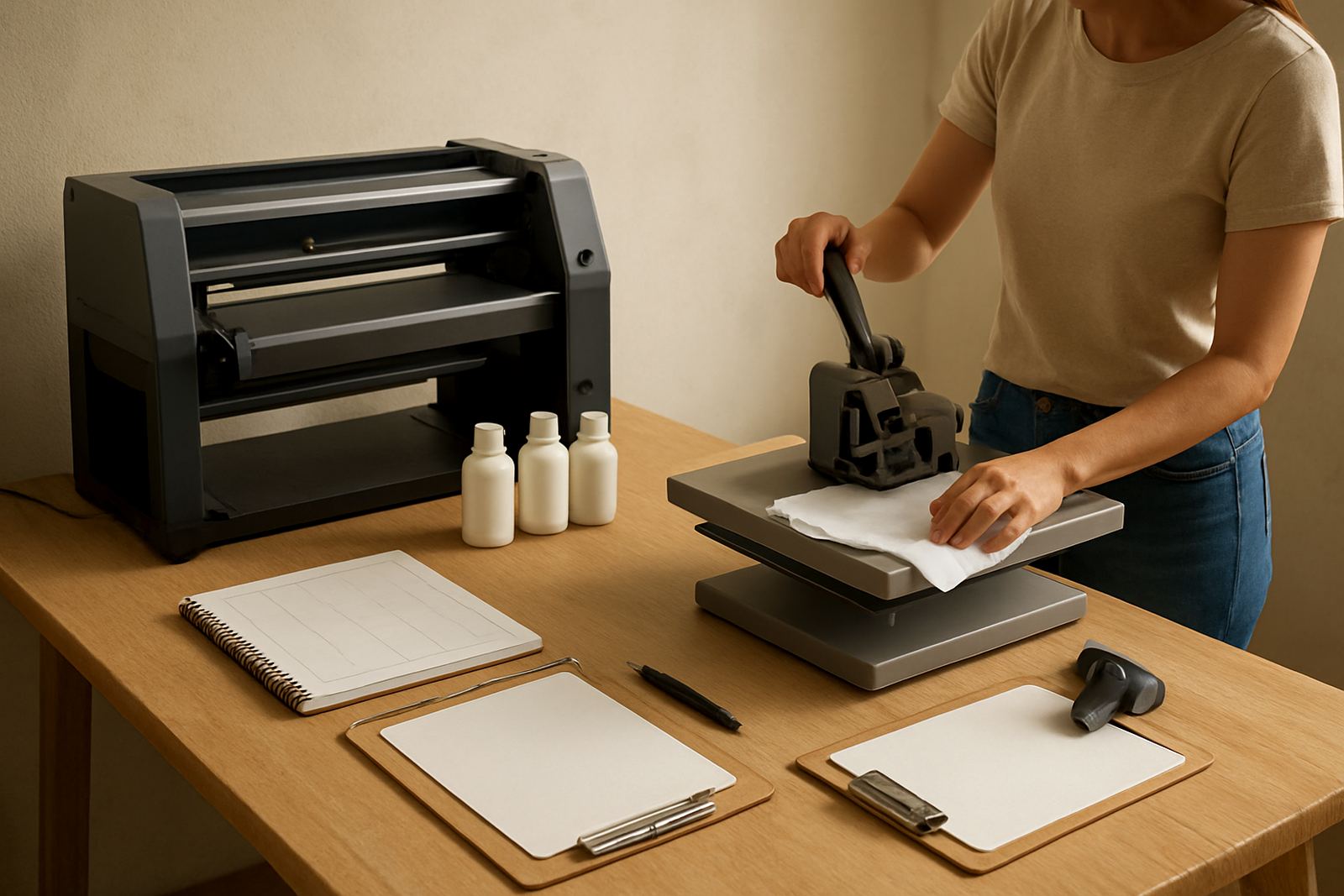
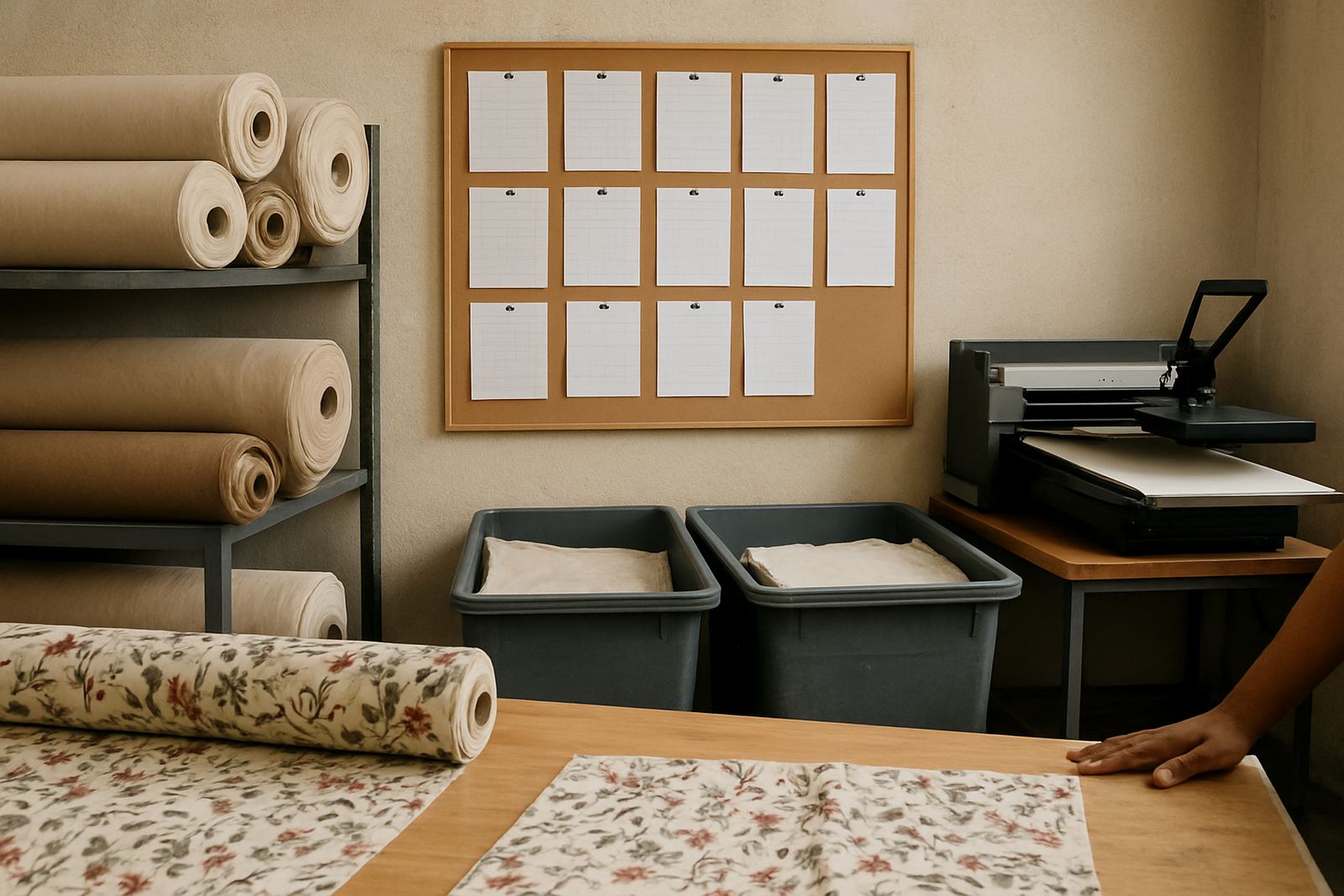
Begin each week by listing every job in one place, then assign a date, machine time and finishing time to each one. A simple board works well if it shows customer name, fabric type, print size, quantity, due date and whether the job needs heat pressing, cutting or packing. If a job needs more than one pass through the press, allow for that at the start so you do not overbook the day.
Small garment and textile businesses in Johannesburg, Pretoria or Durban often lose time by planning for best case conditions only. Add space for setup, test prints, drying and any stoppage from load-shedding or a printhead clean. A good rule is to keep 20% of the day open for short delays, because one late roll can push the rest of the queue back fast.
Batch similar jobs to cut changeovers and waste
Batching means grouping work that uses the same fabric, ink, colour profile or finishing method. When you print several jobs on the same substrate back to back, you reduce machine cleaning, waste at startup and the chance of colour drift between runs. This is especially useful for repeat orders such as schoolwear, boutique runs and promotional textile pieces where the spec stays mostly the same.
Keep a batch sheet for each group of jobs. Include the fabric width, ink set, print mode, curing or heat press setting and the order in which the jobs must run. If one job uses darker colours on polycotton and the next uses light cotton, do not force them together just to save a few minutes. The extra changeover can cost more than the time you save.
- Group jobs by fabric and finish, not only by due date.
- Run the same media together where possible to reduce cleaning cycles.
- Separate sample work from production runs so it does not interrupt output.
- Mark urgent jobs clearly so the team does not reshuffle the whole day.
Build a print room flow that keeps work moving
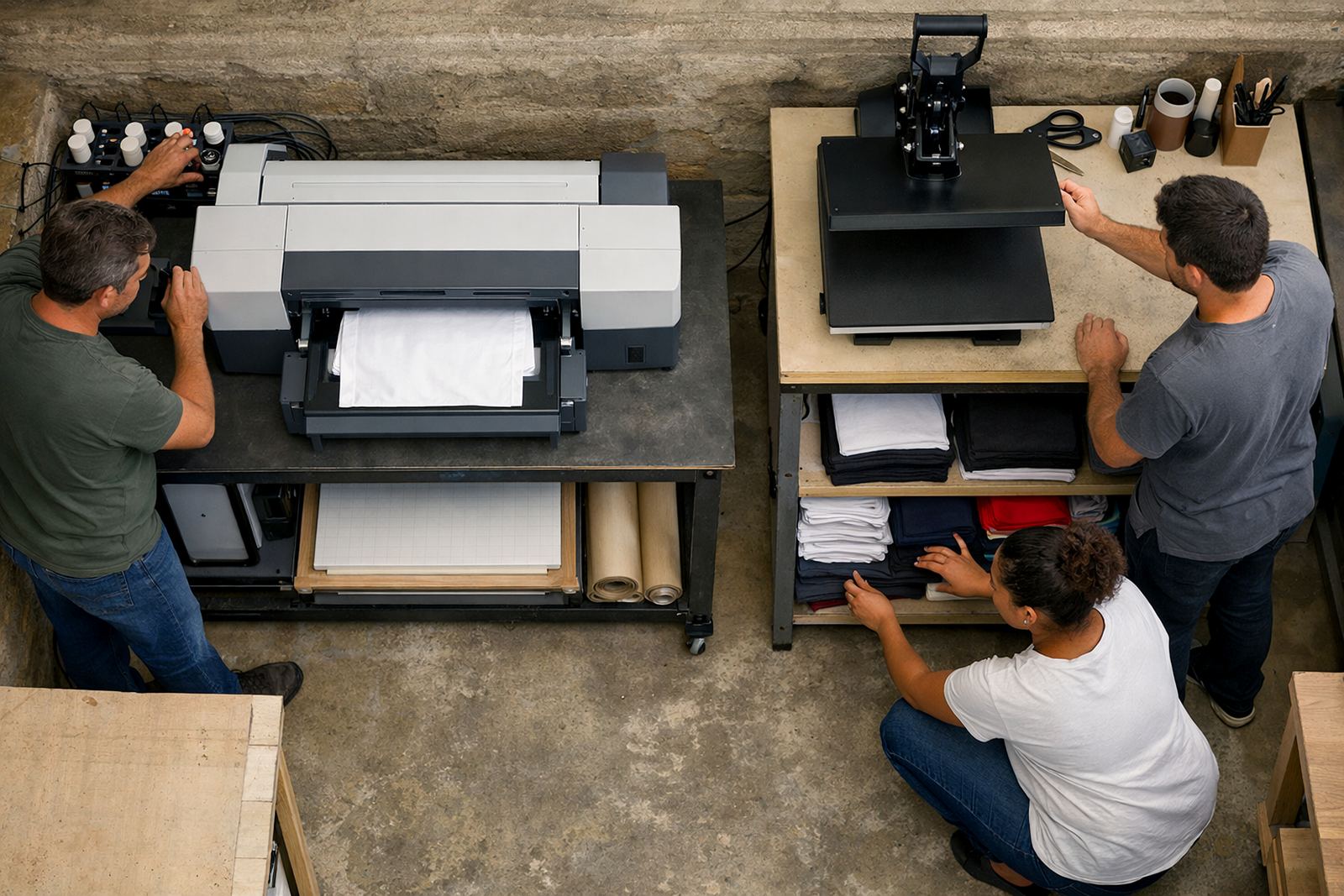
A tidy flow starts with a clear path from receiving to printing, then to drying, pressing, inspection and packing. Each stage should have a fixed place so staff do not waste time asking where the next roll or panel is. In a smaller room, use floor markings, shelving labels and job cards to keep materials moving in one direction only.
Leave enough space around the printer and heat press for safe handling, especially when operators are carrying warm fabric or large panels. In coastal areas like Durban and Cape Town, humidity can slow drying and affect how soon a job can be pressed. Keep fabrics off the floor, store inks properly and avoid stacking finished work before it has cooled down fully.
- Separate raw material, work in progress and finished goods.
- Keep a clear table for inspection and packing.
- Store spare media and ink where it is easy to count and restock.
- Remove waste, trim offs and packaging every day.
Plan around power cuts, maintenance and downtime
Production planning in South Africa must make room for power interruptions and routine servicing. If you know your area is prone to load-shedding, schedule long runs when power is most stable and keep shorter jobs ready for the gaps. For example, use the first part of the morning for setup, then print the larger batch once the team is fully on site and the workflow is settled.
Preventive servicing should sit in the calendar like any other job. Do not wait for a fault before booking cleaning, flushing or checks on feed systems and printheads. A machine that is cleaned on time is less likely to create scrap, and that matters when customer deadlines are tight. If a breakdown does happen, record the time lost, the cause and the materials affected so you can plan better next month.
Track ink, media and spare parts before they run short
Good planning is not only about machine time. It also depends on knowing what stock you have and when it will run out. Keep a simple list for inks, print media, cleaning supplies and common spare parts. Reorder before you hit the last box or bottle, because a missing part can stop a full day of production even if every job is booked correctly.
Use minimum stock levels based on real usage, not guesswork. If your team prints larger seasonal orders in Johannesburg or Pretoria, you may need more media on hand during peak periods. The same applies after a run of custom boutique work in Cape Town or Bloemfontein, where a few busy weeks can empty shelves faster than expected.
- Check ink levels at the same time each morning.
- Count media rolls by width and finish, not only by total number.
- Keep a spare parts list for high wear items.
- Record what was used on each job so stock forecasts improve over time.
Use a simple handover checklist before dispatch
Every completed job should pass through the same final checks before it leaves the print room. This reduces complaints about shade variation, missing pieces or poor finishing. A short handover checklist also helps when more than one person touches the order, because everyone can see what has already been checked and what still needs attention.
Check the print against the approved sample, count all pieces, confirm measurements and inspect the press finish or edge quality. Then match the order note to the packing label and delivery instructions. If the job is going to a boutique in Boksburg, a workshop in Midrand or a client elsewhere in South Africa, the pack should be ready to load without extra sorting at the last minute. Small checks at the end save a lot of fixing later, and that is where good planning pays off.