Work Out Your Real Start-Up Cost Before You Buy
Before you compare machines, set a clear budget for the full setup. A direct-to-fabric printer and heat press are only part of the picture. You also need delivery to Germiston, installation, operator training, a stable working area, and enough consumables to start production without panic buying in week two. For a small garment or textile business in Johannesburg, Pretoria, Durban, Cape Town or Bloemfontein, it is wise to budget for both the equipment and the working capital to keep the first orders moving.
Start with these main cost groups:
- Printer and heat press
- Delivery and installation
- Starter inks and print media
- Training for the operator and supervisor
- Power backup for load-shedding
- Cleaning supplies and maintenance items
- Initial marketing and sample production
A practical rule is to keep extra cash aside for the first 90 days. That covers delays in customer payment, extra fabric tests, and spare parts that may be needed during the learning period.
Choose Equipment That Fits Your Daily Output
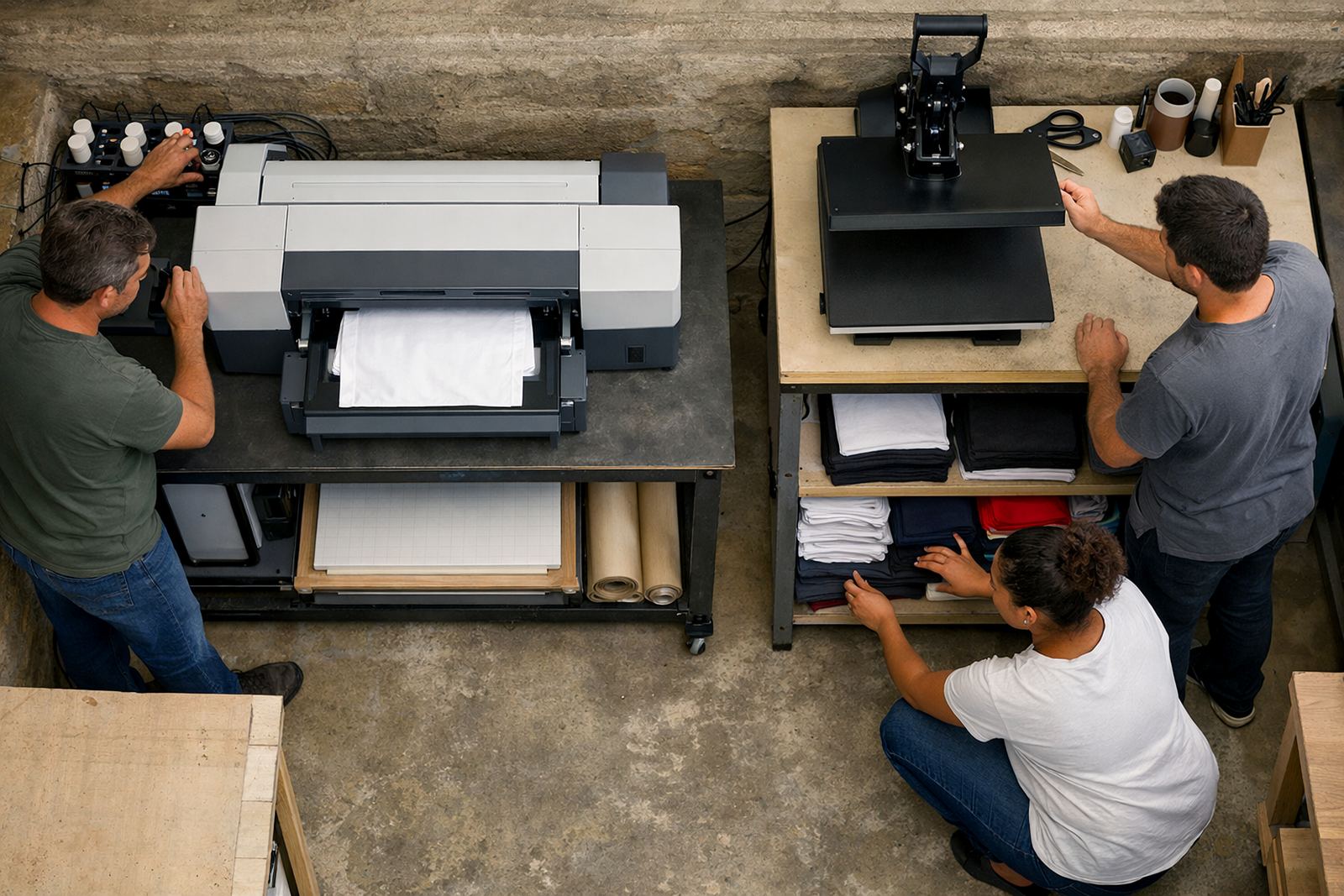
The right machine is the one that matches your actual order volume. A business printing small runs for boutiques in Midrand will need a different setup from a shop producing daily metreage for schools, teamwear or event wear. If your workspace is in Wadeville, Germiston or another light industrial area, check your floor space, ventilation and power points before you commit.
Ask yourself how many metres you need to print on a normal day, who will run the machine, and whether you need colour consistency across repeat jobs. Smaller businesses often make the mistake of buying more machine than they can feed. That can tie up cash and leave too little for inks, fabrics and staff training.
- Measure your floor space and doorway access
- Confirm your power supply and backup options
- Check how much daily output you can realistically sell
- Make sure the operator can learn the system quickly
- Plan for future growth, but do not overbuy on day one
If you are starting with one operator, choose equipment that is straightforward to maintain and simple to clean after each production run. This reduces downtime and helps keep print quality steady.
Budget for Inks, Fabric and the First Test Runs
Your first production month always uses more consumables than expected. You will do test prints, colour checks, fabric trials and short runs before settling into normal output. Build this into your budget so you do not run short just when orders begin to come in. In South Africa, fabric prices and supply timing can vary from week to week, so keep a buffer for repeat orders and urgent jobs.
Plan for the following:
- Starter ink set
- Additional ink for test runs
- Fabric or media for sampling
- Cleaning fluid and cloths
- Waste material from setup and colour matching
If you are serving customers in coastal areas such as Durban or Cape Town, factor in humidity control and careful storage of inks and fabric. In inland areas like Pretoria and Bloemfontein, dust management matters just as much. Good storage conditions reduce spoilage and help protect print quality from one batch to the next.
Set Aside Money for Training and Support
Training is not a luxury. It is part of the start-up cost. A well-trained operator can spot a blocked nozzle early, keep colours consistent, and avoid avoidable waste. That saves money every week. For a new garment business, even one day of proper setup guidance can prevent weeks of trial and error.
Use this checklist when planning training costs:
- Machine setup and first run
- Colour profiling and sample approval
- Routine cleaning steps
- What to do during a power cut
- Basic fault checking and safe shutdowns
- Hand-over notes for the person who will run production
Support matters after the first install too. If you open in Germiston, Boksburg or Midrand, and your operator changes later, budget for follow-up training. This keeps the standard high and reduces interruptions when you are busy with customer orders.
Plan for Maintenance, Repairs and Downtime
Every printer needs care if it is going to earn its keep. Preventive servicing is cheaper than waiting for a breakdown during peak season. Put a monthly amount aside for cleaning parts, inspection visits, printhead care, ink system flushing and general servicing. That money should be part of your business model from the beginning, not an afterthought.
Good maintenance planning includes:
- Daily nozzle checks and cleaning routines
- Weekly inspection of ink lines and moving parts
- Scheduled preventive servicing
- Spare parts planning
- Remote troubleshooting when a small issue appears
- A back-up plan for urgent repairs
Load-shedding can also affect the budget if you do not prepare for it. A proper shutdown routine and backup power can protect both the printer and the work in progress. In busy months, one avoided outage can save enough to justify the backup spend.
Use a First-Year Budget Sheet You Can Actually Follow
Your first-year budget should be simple enough to use every month. Break it into fixed costs, variable costs and reserve funds. Fixed costs are the things you pay whether you print or not. Variable costs move with each order. Reserve funds cover repairs, extra training and slow payment periods. This makes it easier to see whether the business is healthy or just busy.
A simple first-year budget sheet can include:
- Equipment payments or purchase cost
- Installation and training
- Ink and media per month
- Electricity and backup power costs
- Servicing and repairs
- Transport and delivery to customers
- Staff time and admin
- Contingency reserve
Review the sheet every month and compare it to actual orders. If consumables are rising faster than sales, adjust your pricing. If production is steady, you may be ready to add capacity or take on larger contracts. The aim is not only to start well but to stay profitable through the full year.