

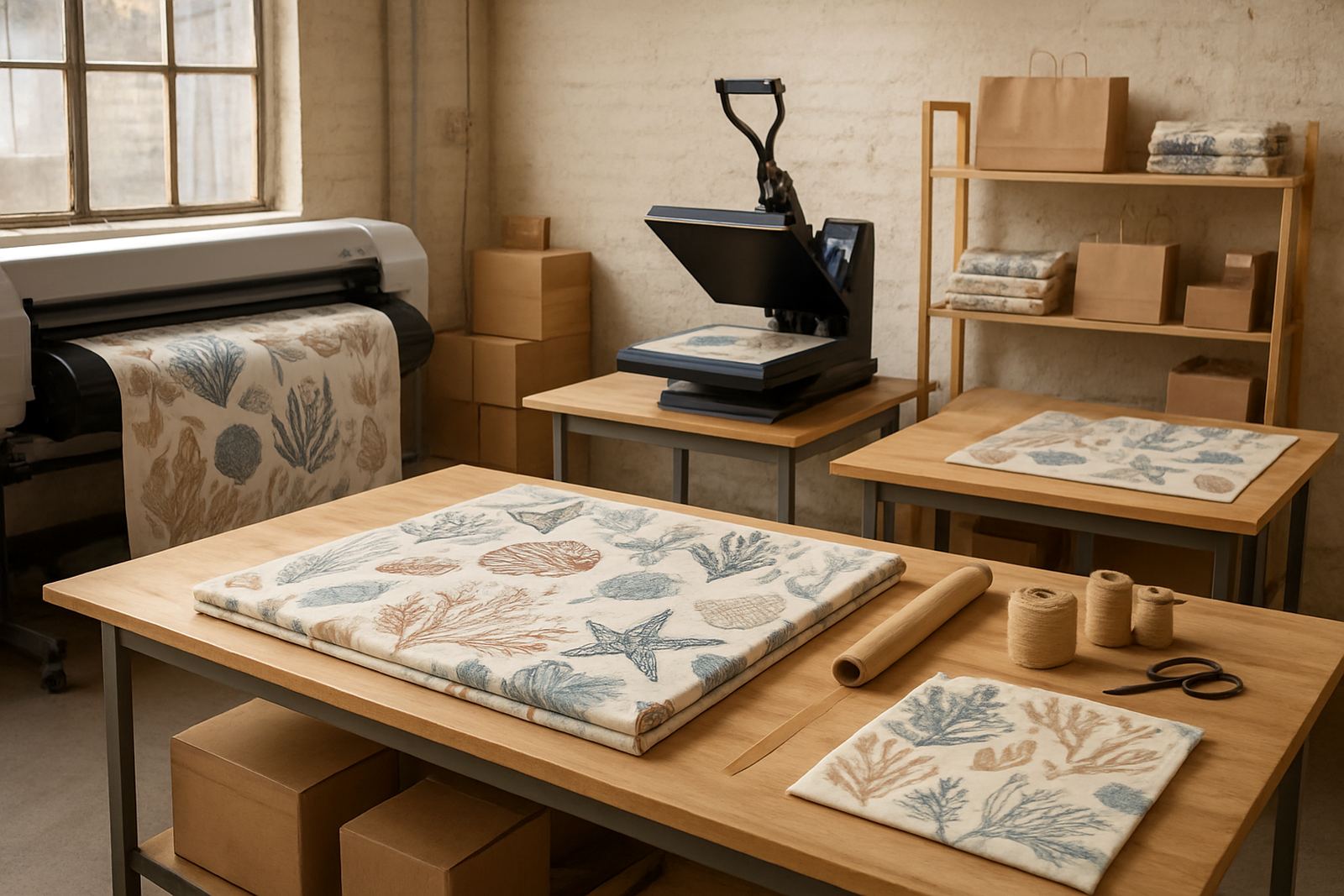
How to choose a print room set-up that suits your output
Every print room starts with the same question: what must it produce in a normal week, and how much space is available for the machine, pressing, drying and packing? A boutique in Johannesburg may need short runs and fast colour changes, while a schoolwear operation in Durban may need repeat jobs and steady daily output. The right set-up is the one that matches your garments, staff numbers and floor space, not just the biggest machine on the quote.
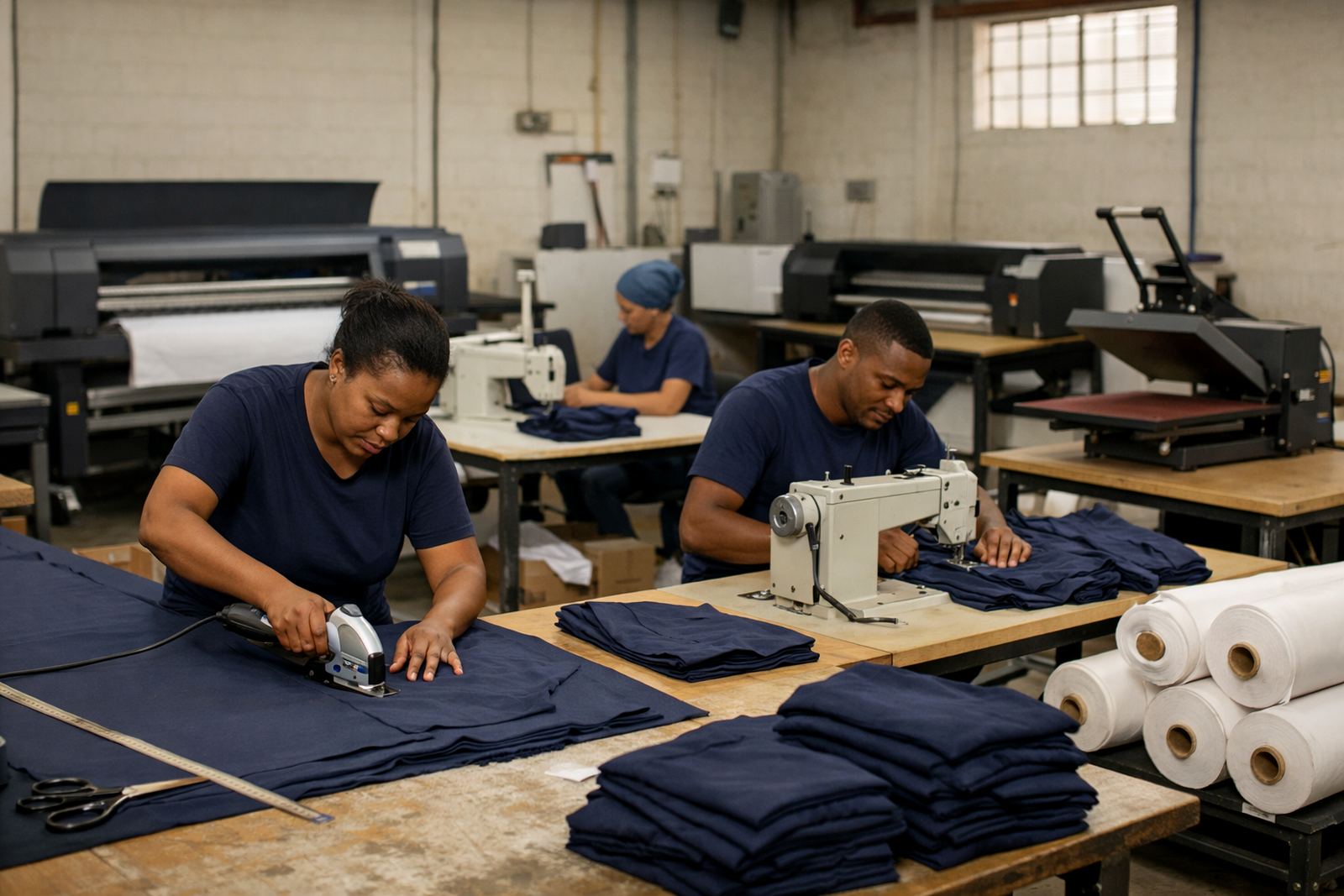
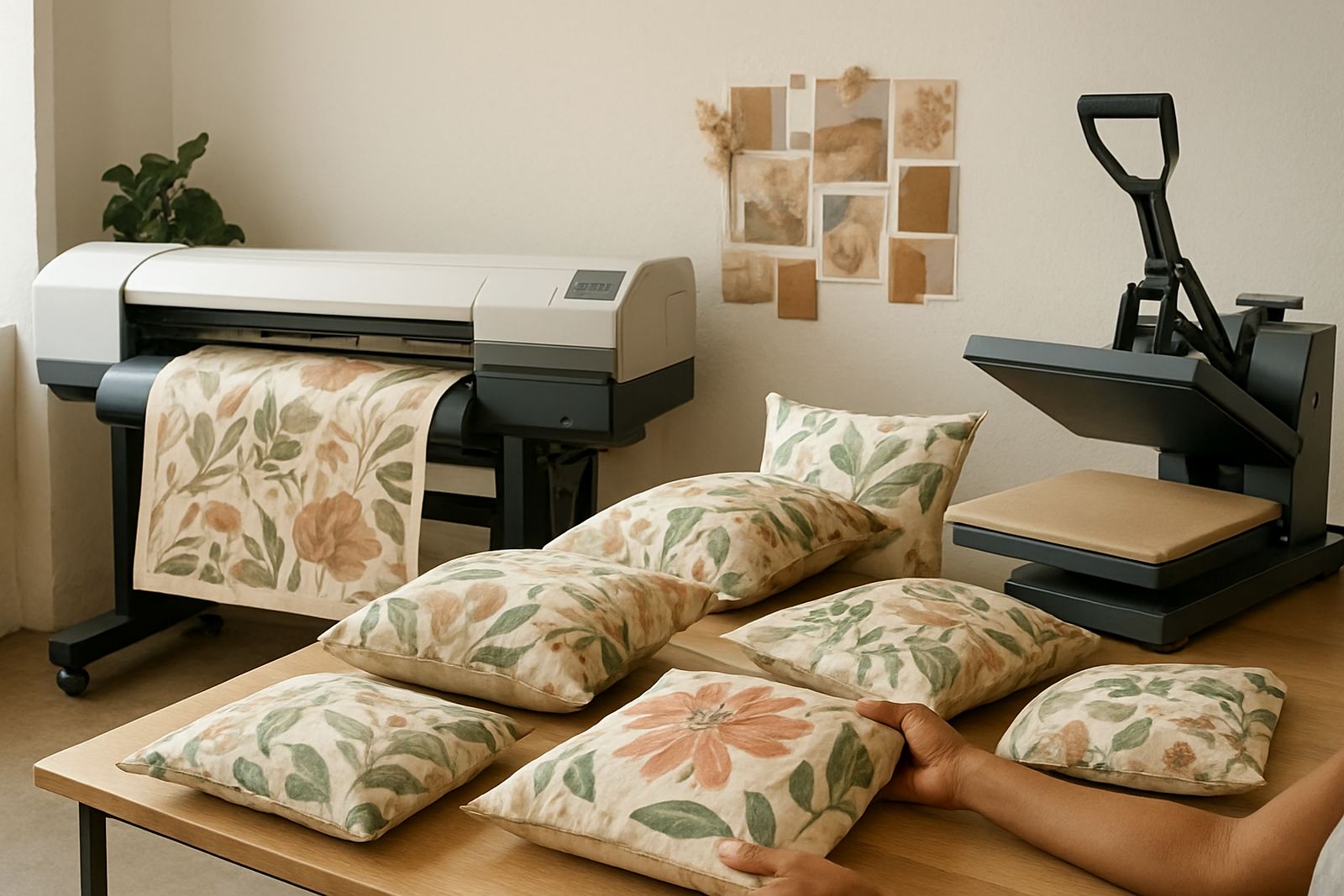
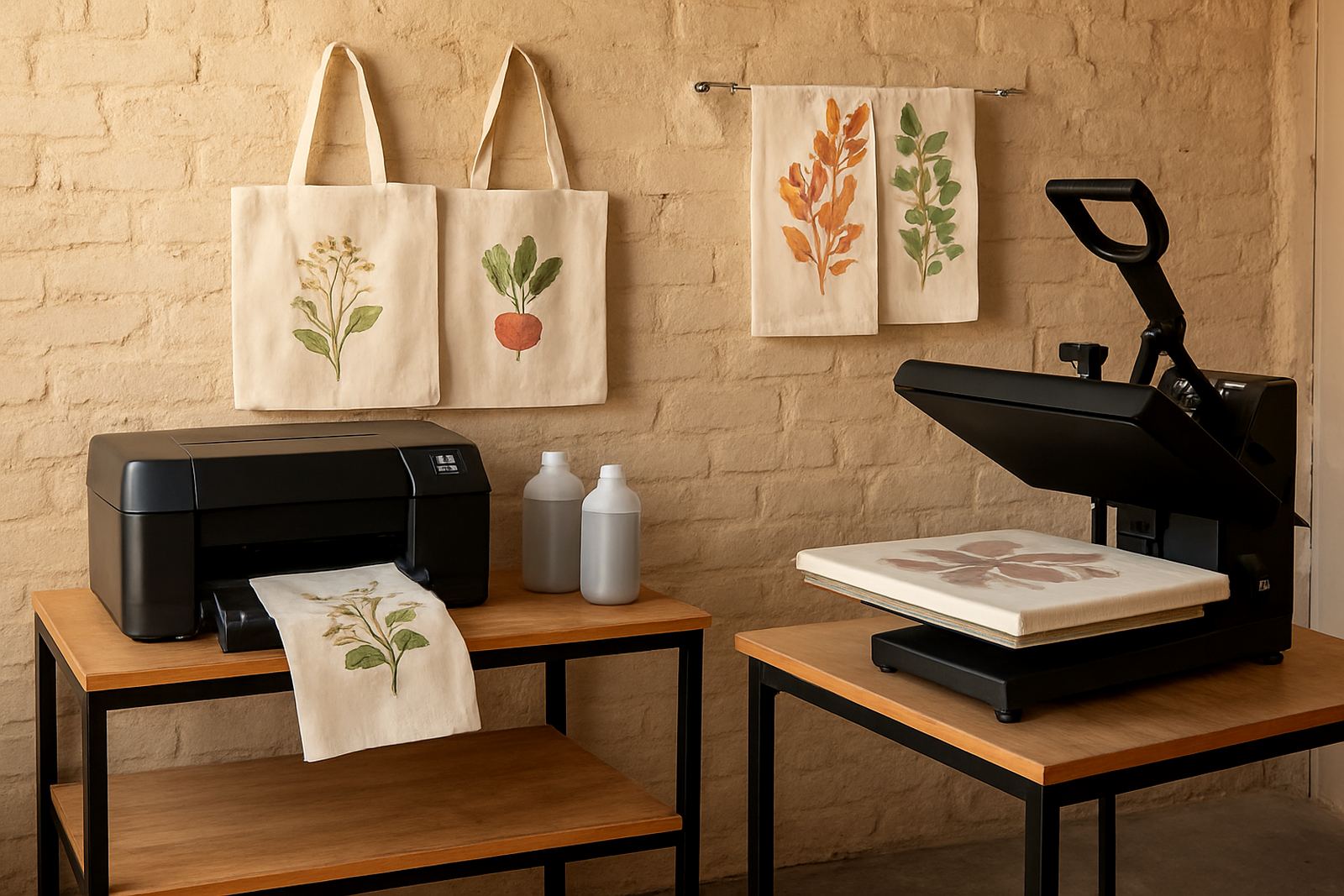
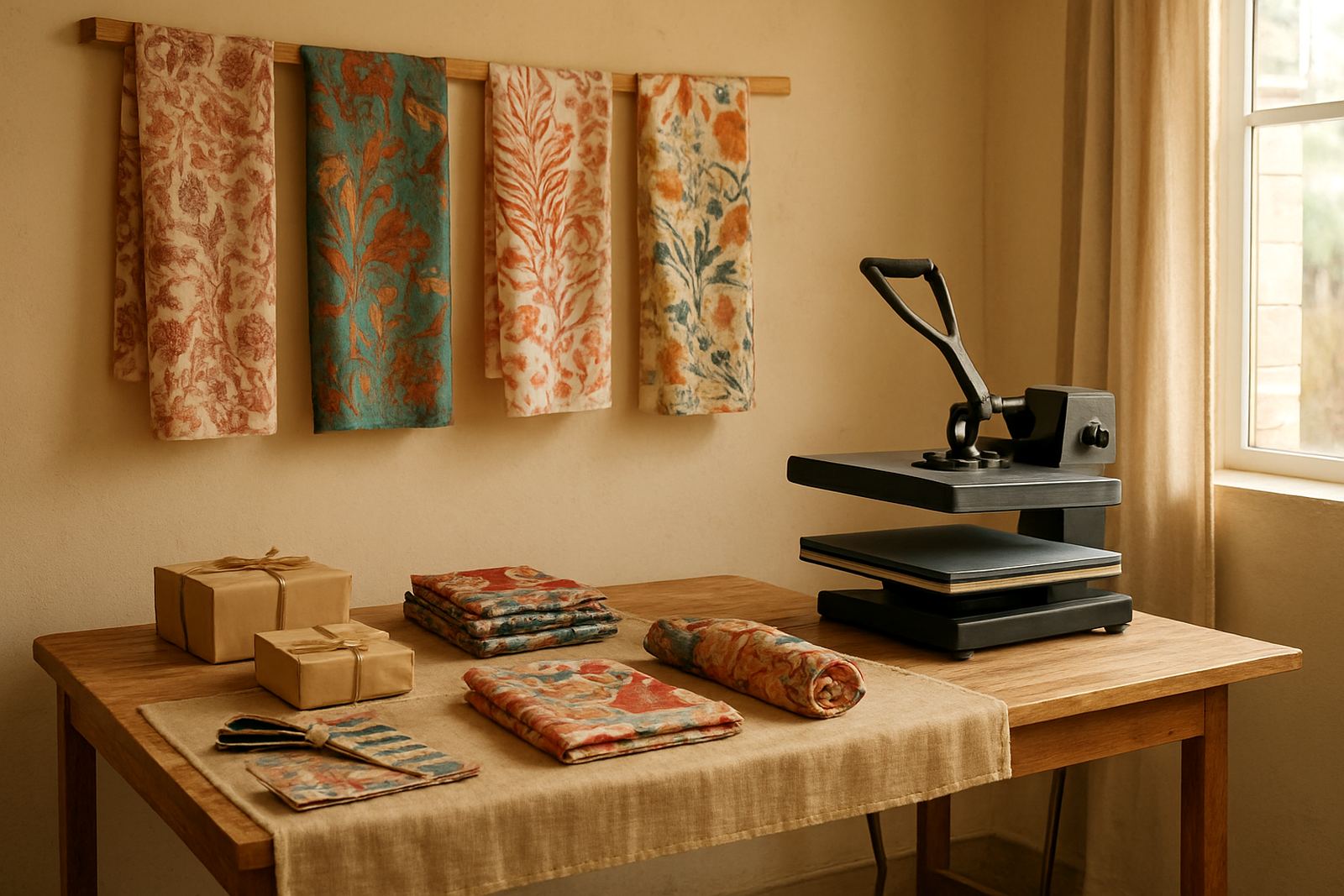
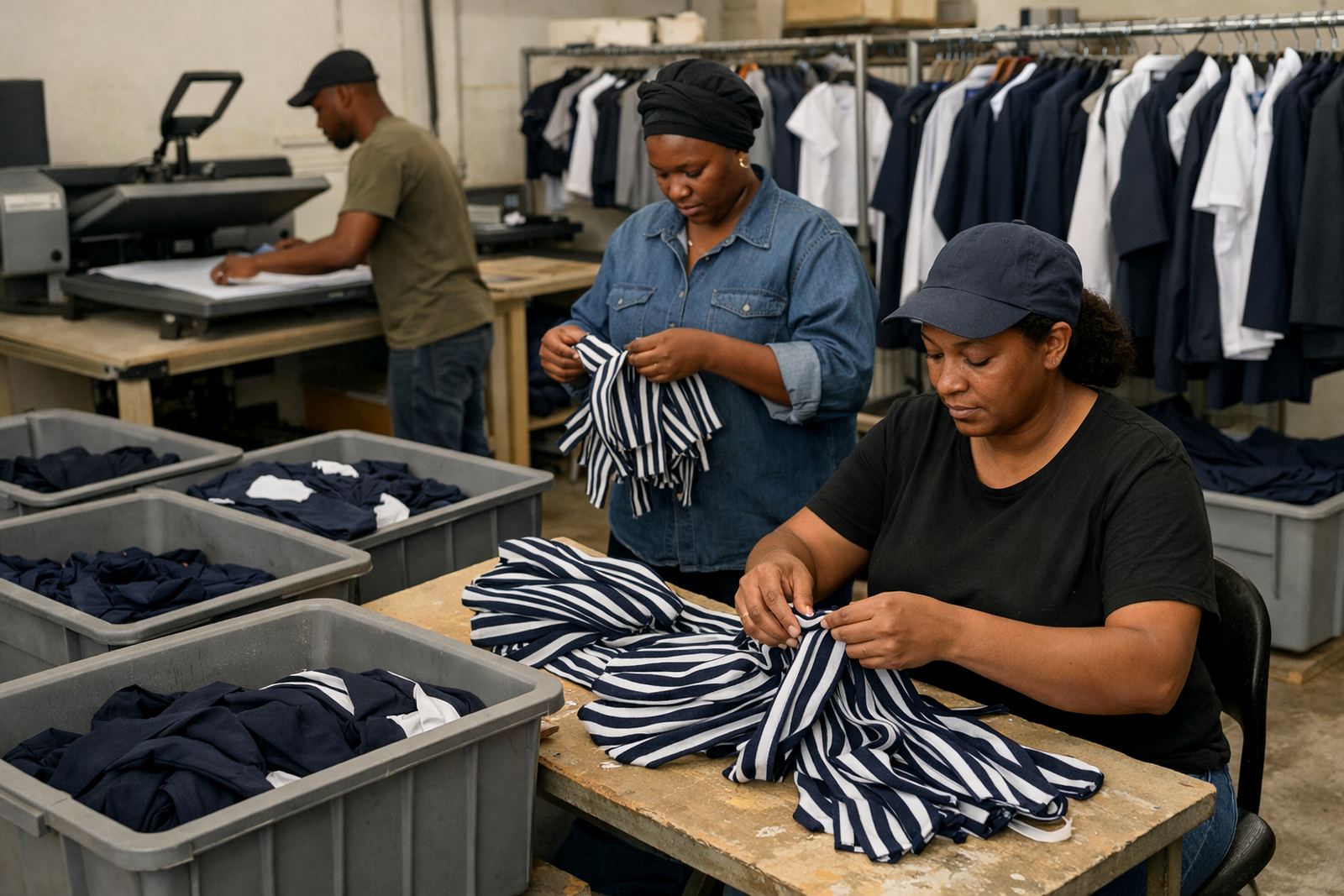
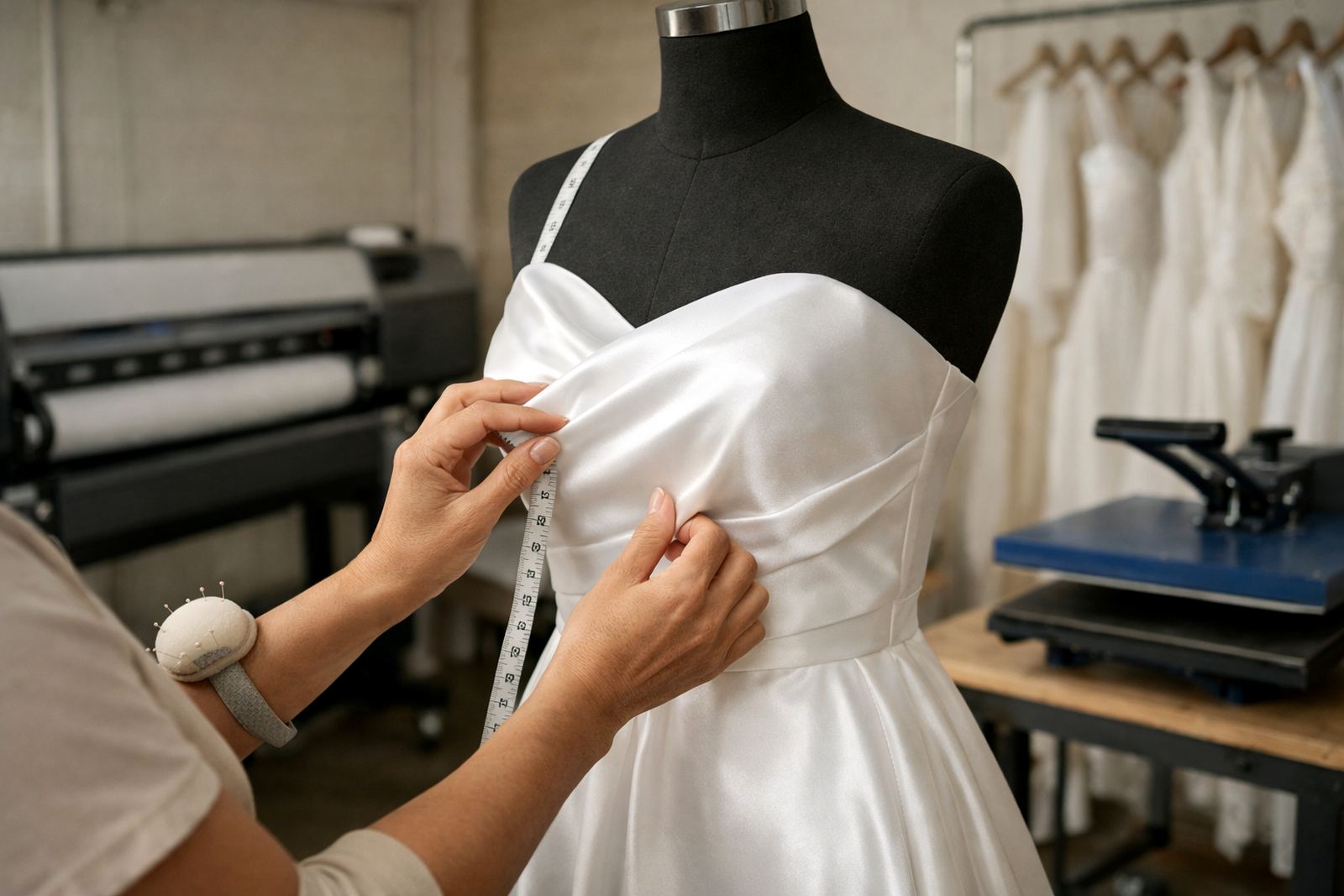
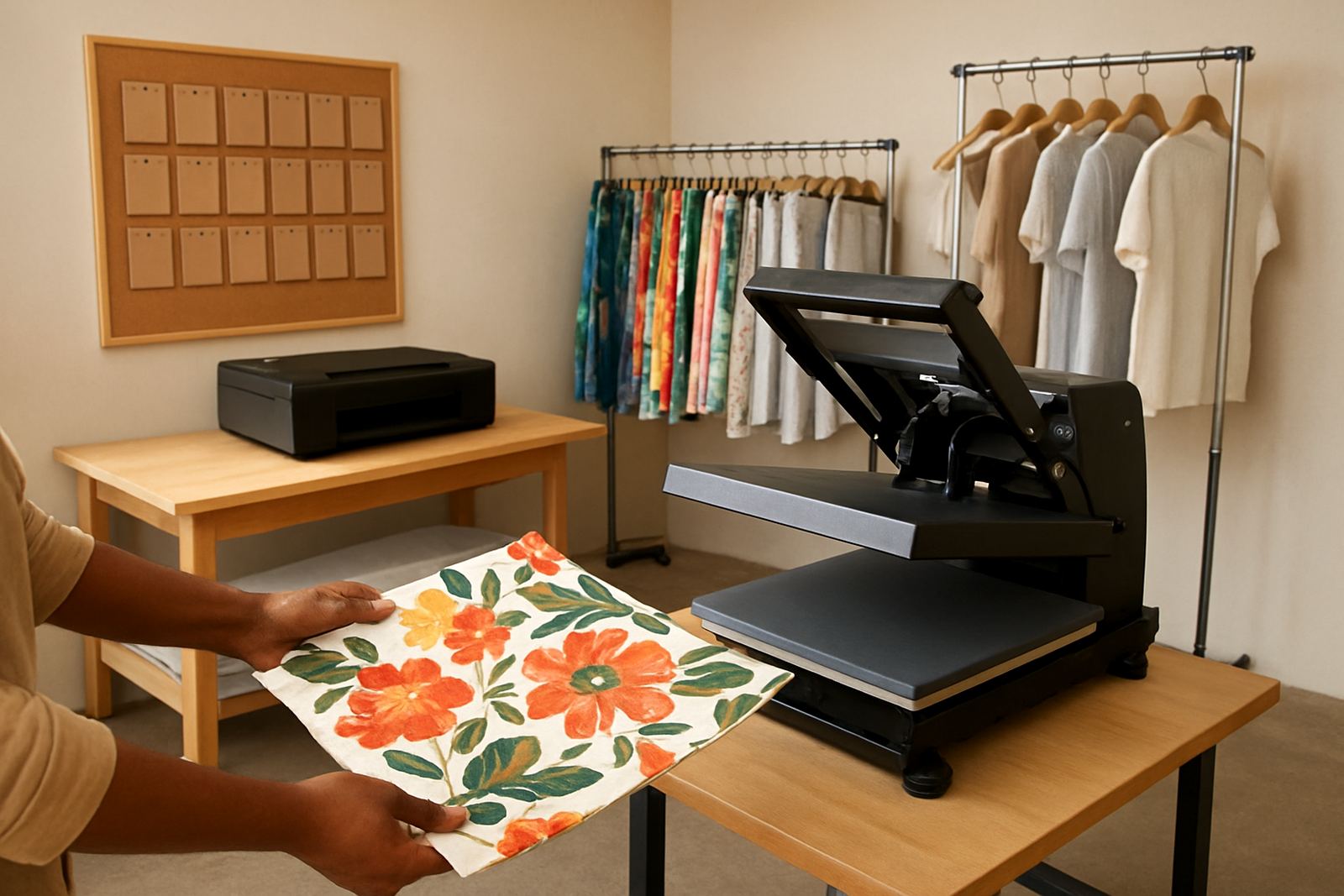
When you look through the examples below, compare the room size, the number of operators, the type of fabric and the kind of finishing work. We also factor in practical matters like single-phase power, ventilation, dust, heat and coastal humidity, because those details affect print quality and daily uptime.
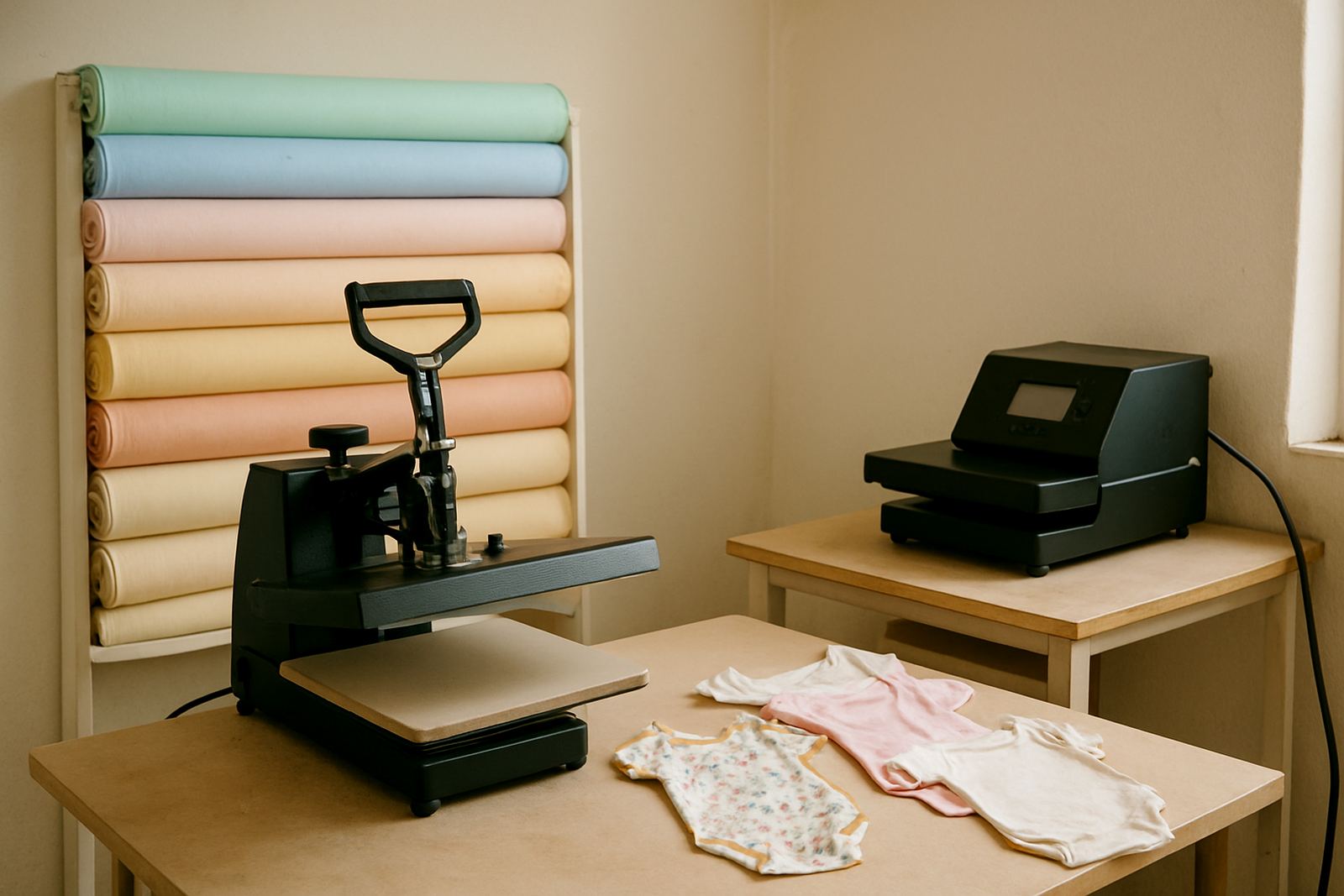
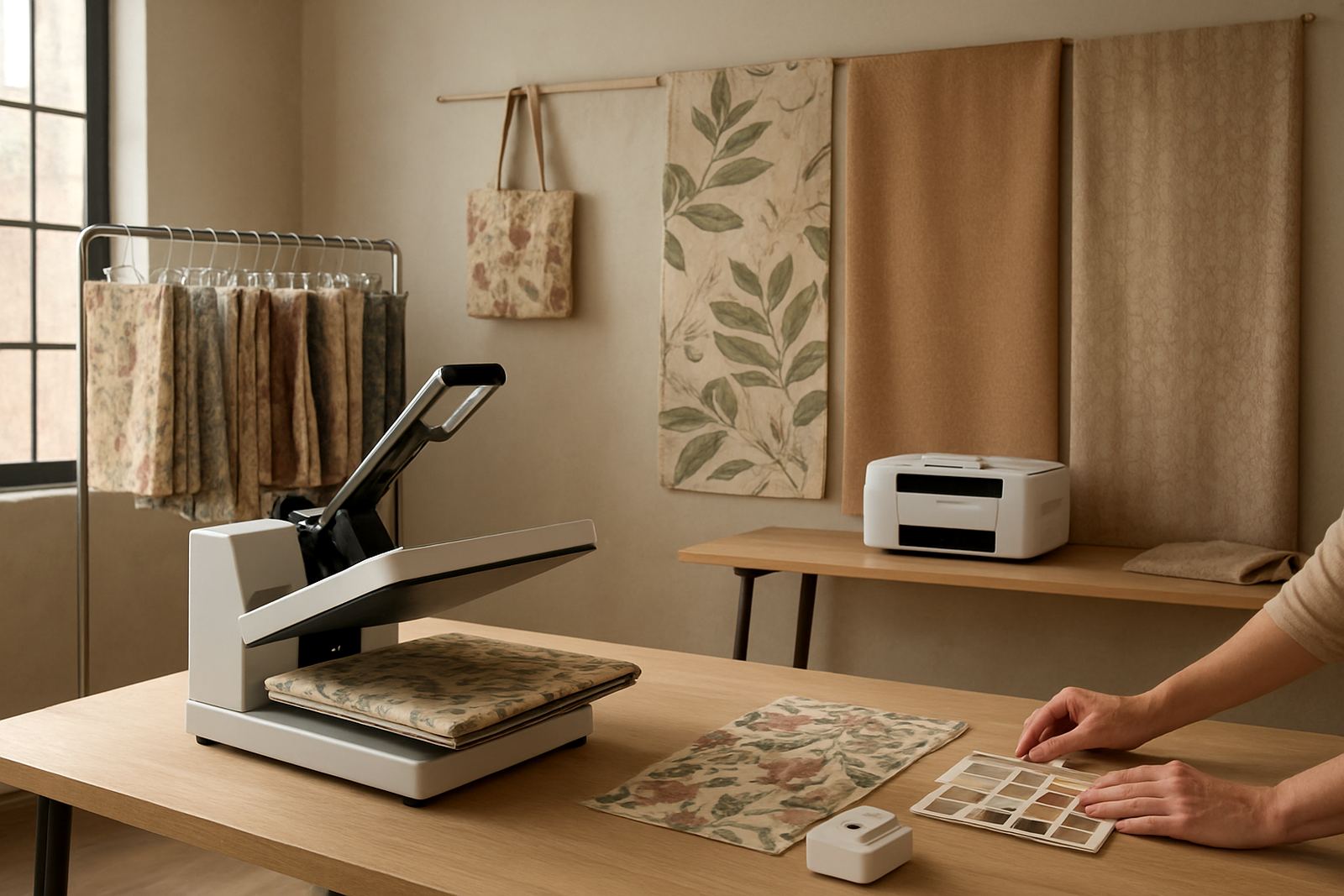
- Small studio: limited floor space, quick turnaround and low stock holding
- Growing workshop: one operator printing and one person pressing or finishing
- Higher-volume room: planned workflow, spare parts on hand and scheduled servicing
Germiston and Johannesburg garment rooms with tight production space
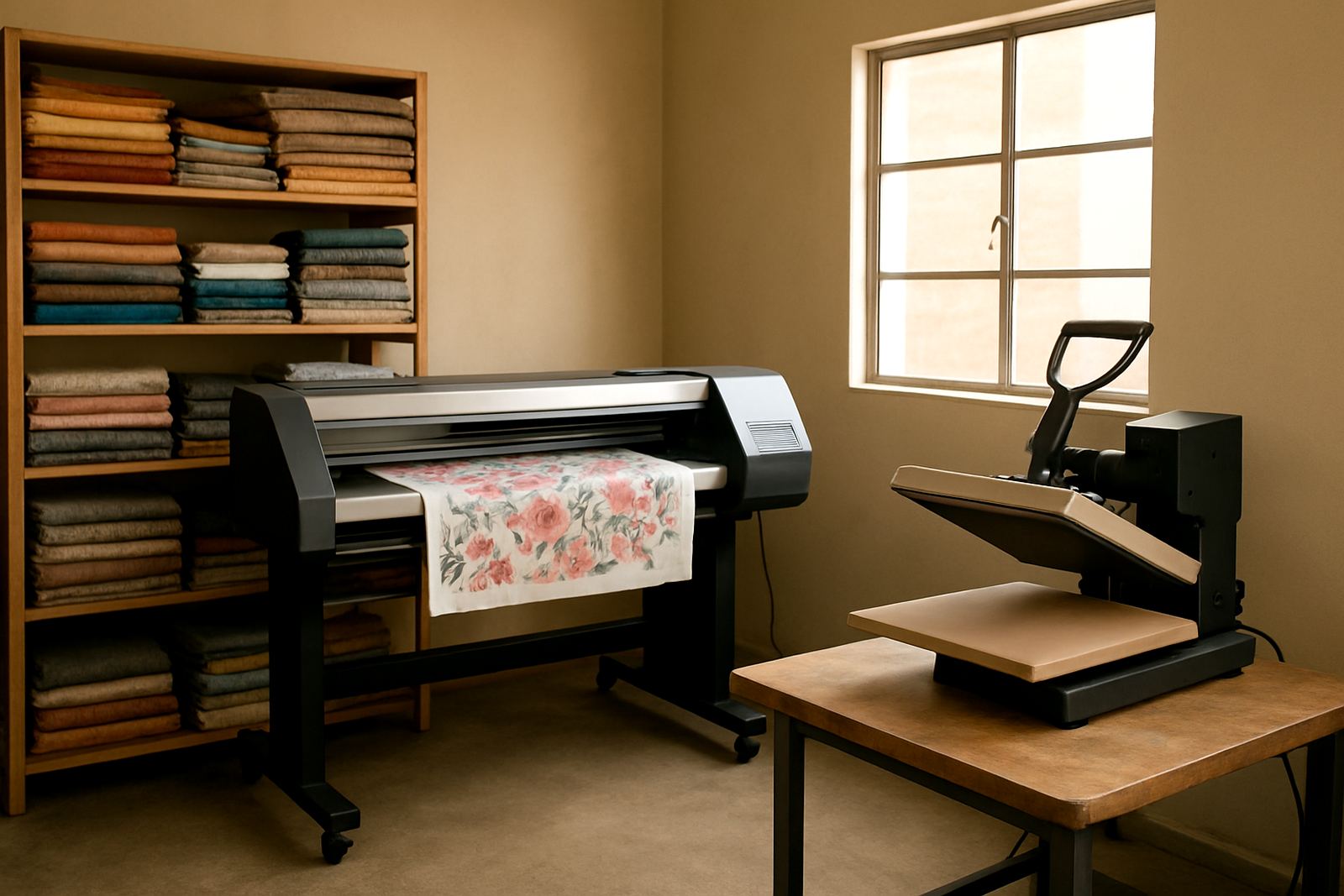
In Wadeville and the wider Johannesburg area, many customers work from compact industrial units where every square metre counts. These spaces often need a printer, heat press, drying area and packing table without creating a bottleneck. A good layout keeps the ink system easy to reach, puts finished prints away from dust and leaves enough room for safe movement during load-shedding when lights may be on backup power.
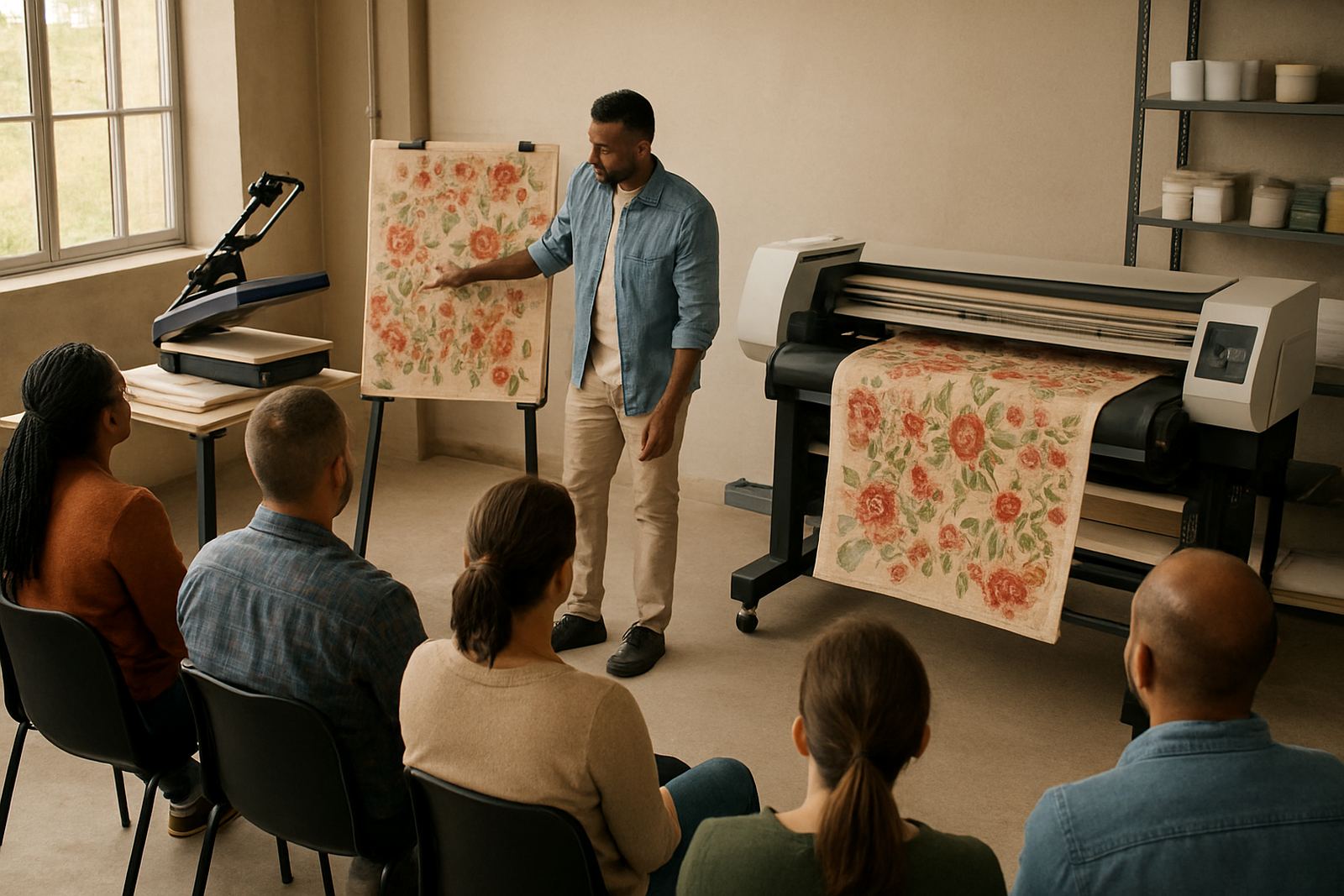
For local garment businesses, the goal is usually fast turnaround for branded tees, event wear and fashion sampling. That means clean colour, repeatable results and equipment that is simple for a small team to learn. Our Germiston Demo Centre and Johannesburg Support Area help customers check machine size, workflow and maintenance needs before they commit.
- Short-run fashion labels
- Promo clothing suppliers
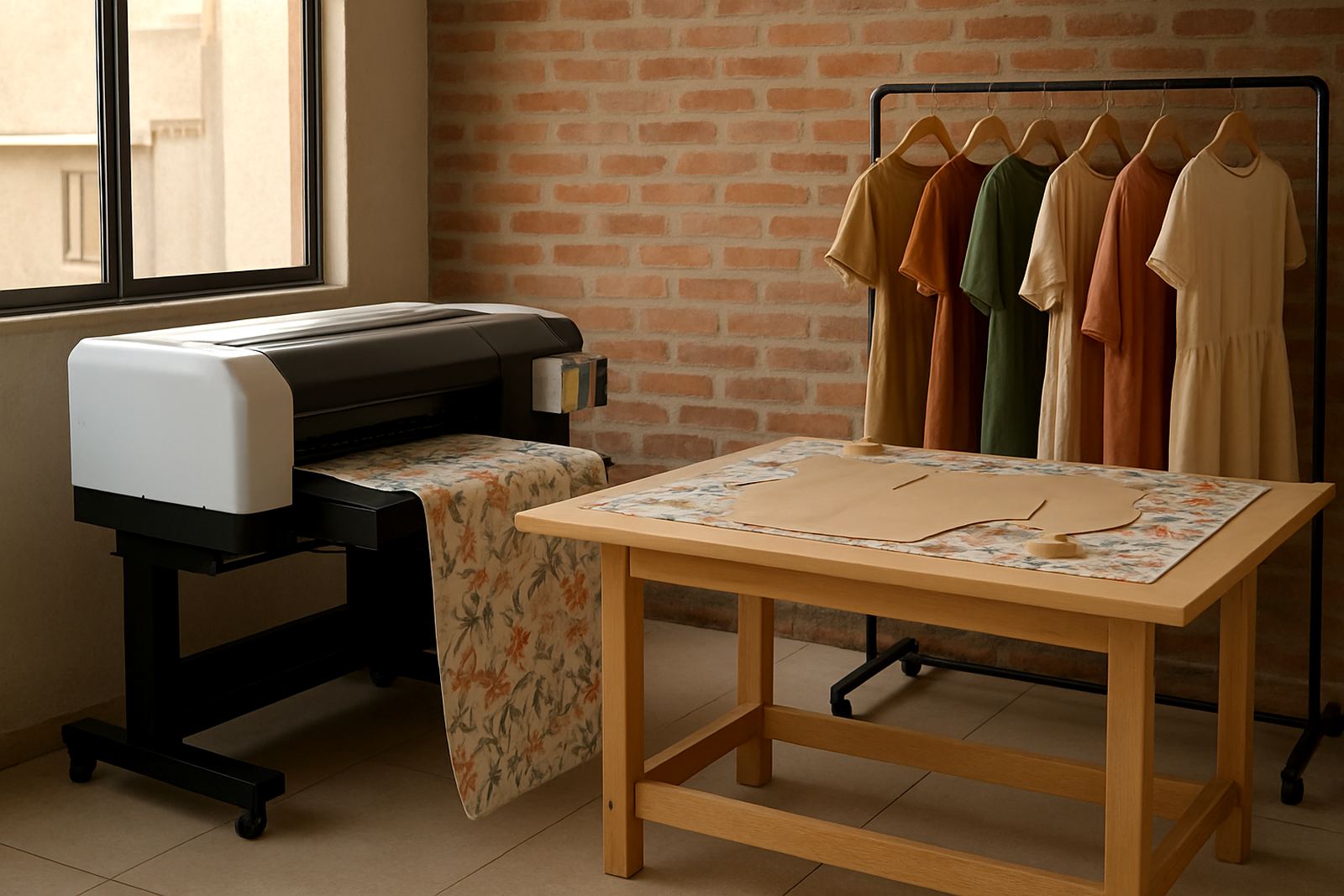
- Sample rooms for designers and pattern makers
Durban and coastal rooms that must handle humidity and daily production
Durban print rooms face a different set of conditions. Coastal humidity can affect storage, ink handling and finished garments, so customers there often plan for better ventilation and dry storage. A room that works well in winter can behave differently in summer, especially if rolls of fabric are stored near open doors or warm washing lines. This is where layout and routine matter as much as the machine itself.
Customers in Durban often ask for support with colour profiling, printhead cleaning and preventive servicing because they want consistent results across changing weather. If a business produces beachwear, workwear or branded uniforms, the print room has to keep moving even when municipal water pressure drops or power is interrupted. Proper setup can reduce waste and save time on reprints.
- Humidity-aware storage for inks, media and garments
- Routine cleaning schedules for printheads and ink lines
- Space for pressing, curing and final inspection
Pretoria and Midrand operations built for repeat orders
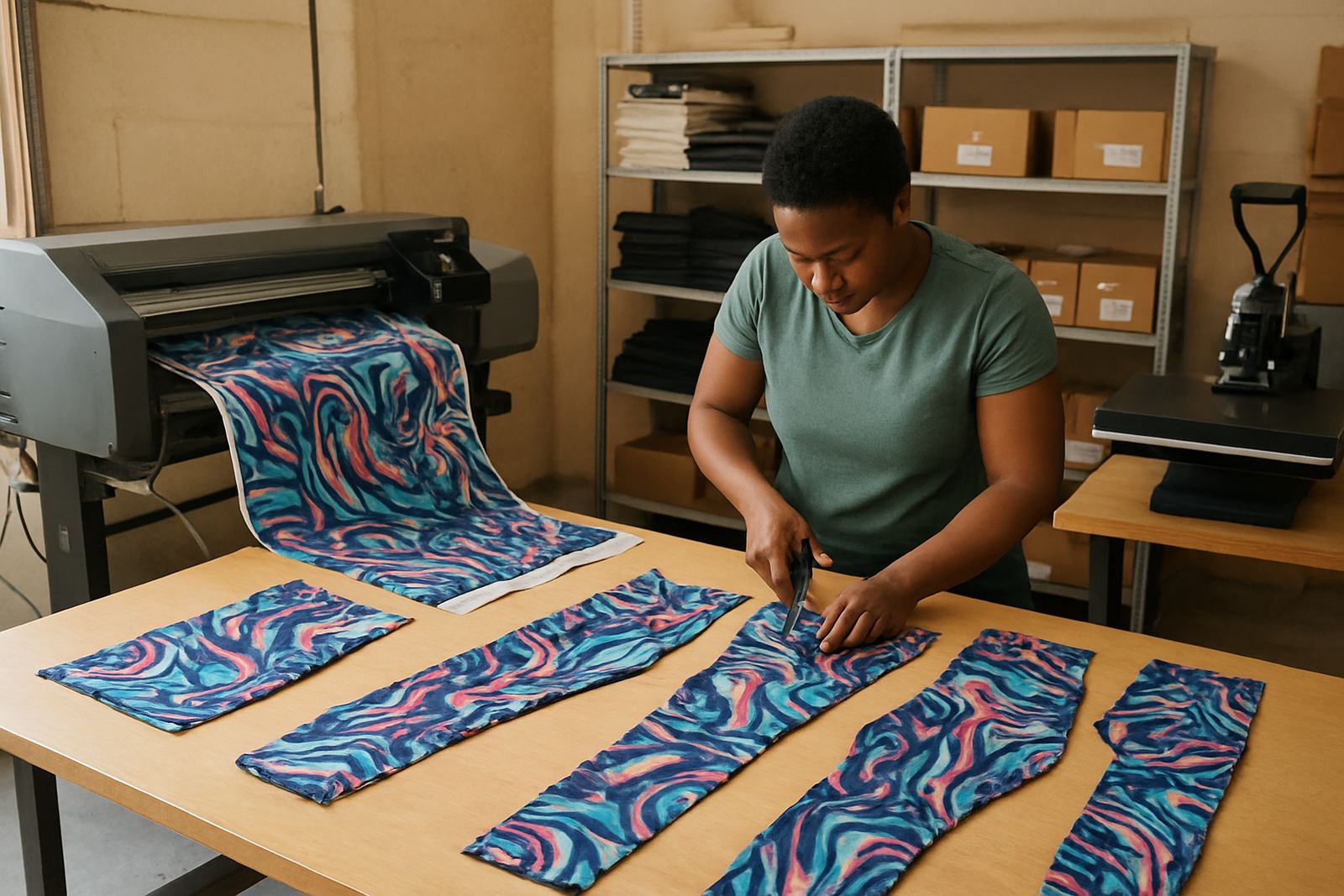
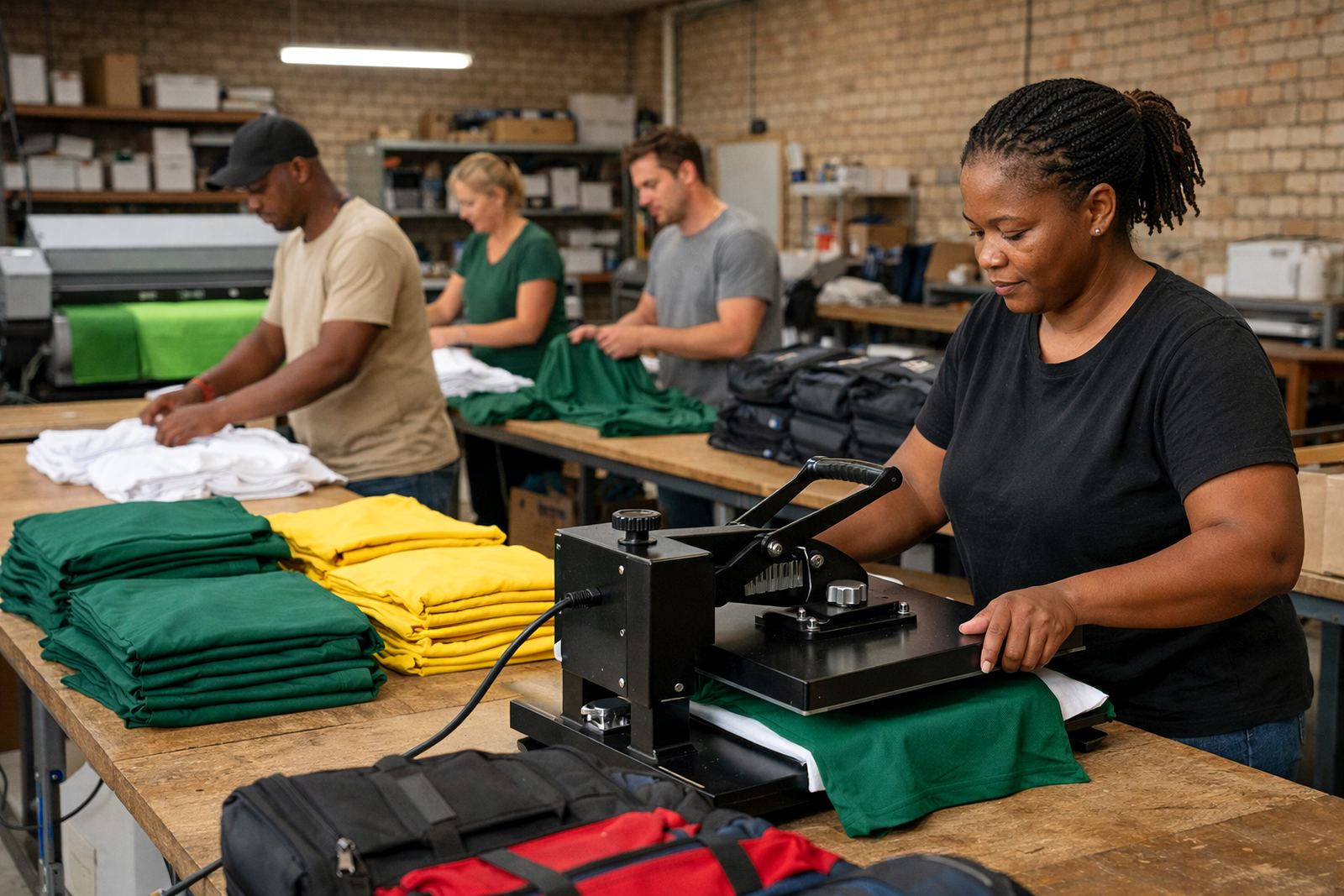
Pretoria and Midrand businesses often run repeat orders for corporates, schools, sports clubs and religious groups. These print rooms need reliable daily output more than anything flashy. A sensible room has a clear path from artwork, to printing, to pressing, to packing, with enough table space for sorting sizes and checking labels. If the team is small, training has to be simple and practical so the operator can keep working without waiting on outside help.
Many customers in this region also want maintenance contracts and remote troubleshooting because production windows can be tight. If a machine stops in the middle of the week, a delayed delivery can affect the next job in line. The best print room is one where each task has a place and staff know exactly what to do when stock runs low or a cleaning cycle is due.
- Uniform production
- Club and event merchandise
- Schools and community print work
Cape Town and Bloemfontein setups for mixed fabric work
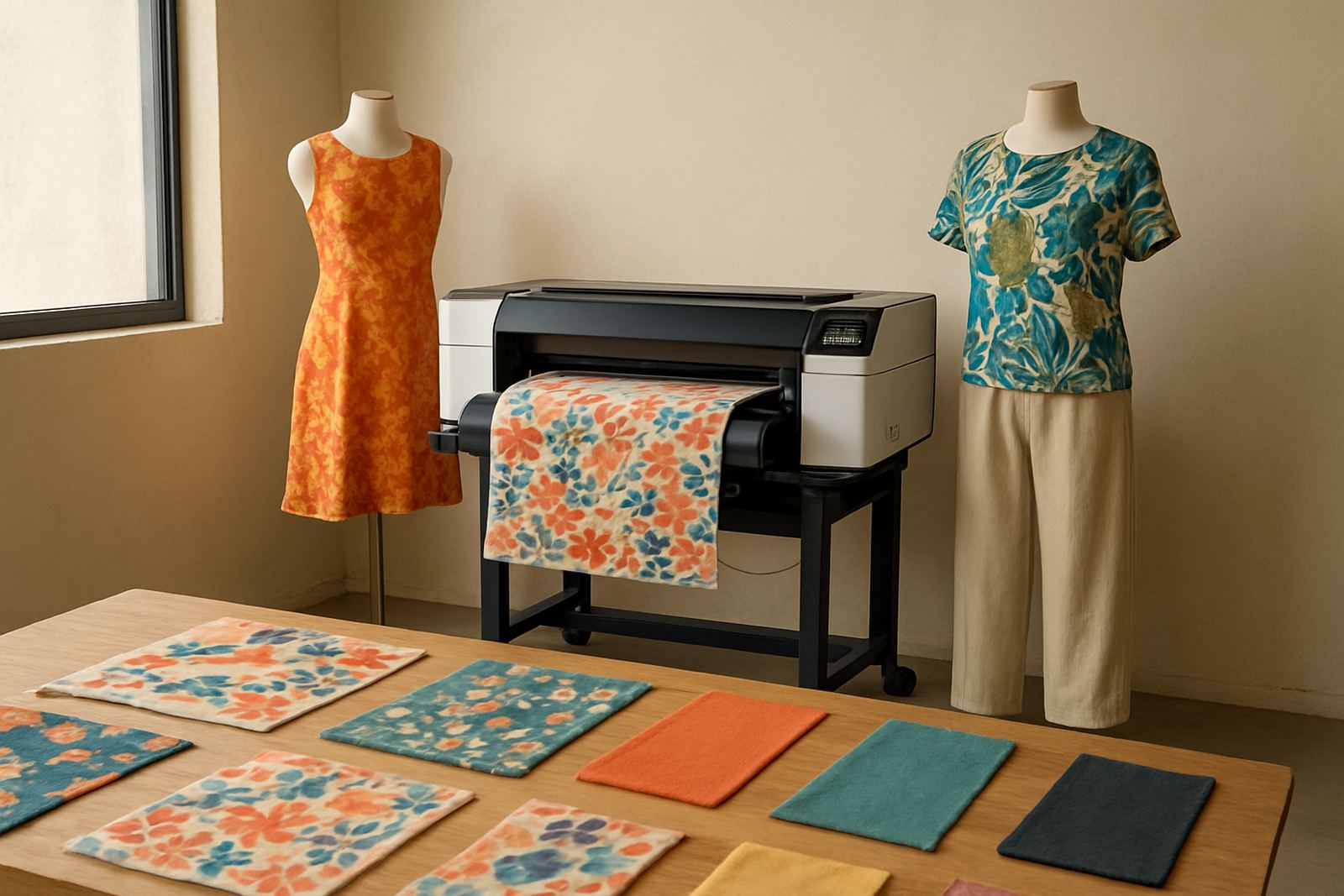
Cape Town customers often balance fashion sampling with retail and custom orders, so the room must handle different fabric types and frequent colour changes. Bloemfontein print rooms may have more seasonal peaks, with heavier demand during events, sports calendars and year-end campaigns. In both towns, the same rule applies: if the room is organised poorly, the operator loses time and the business loses margin. A neat room is not just about appearance, it helps the whole job flow.
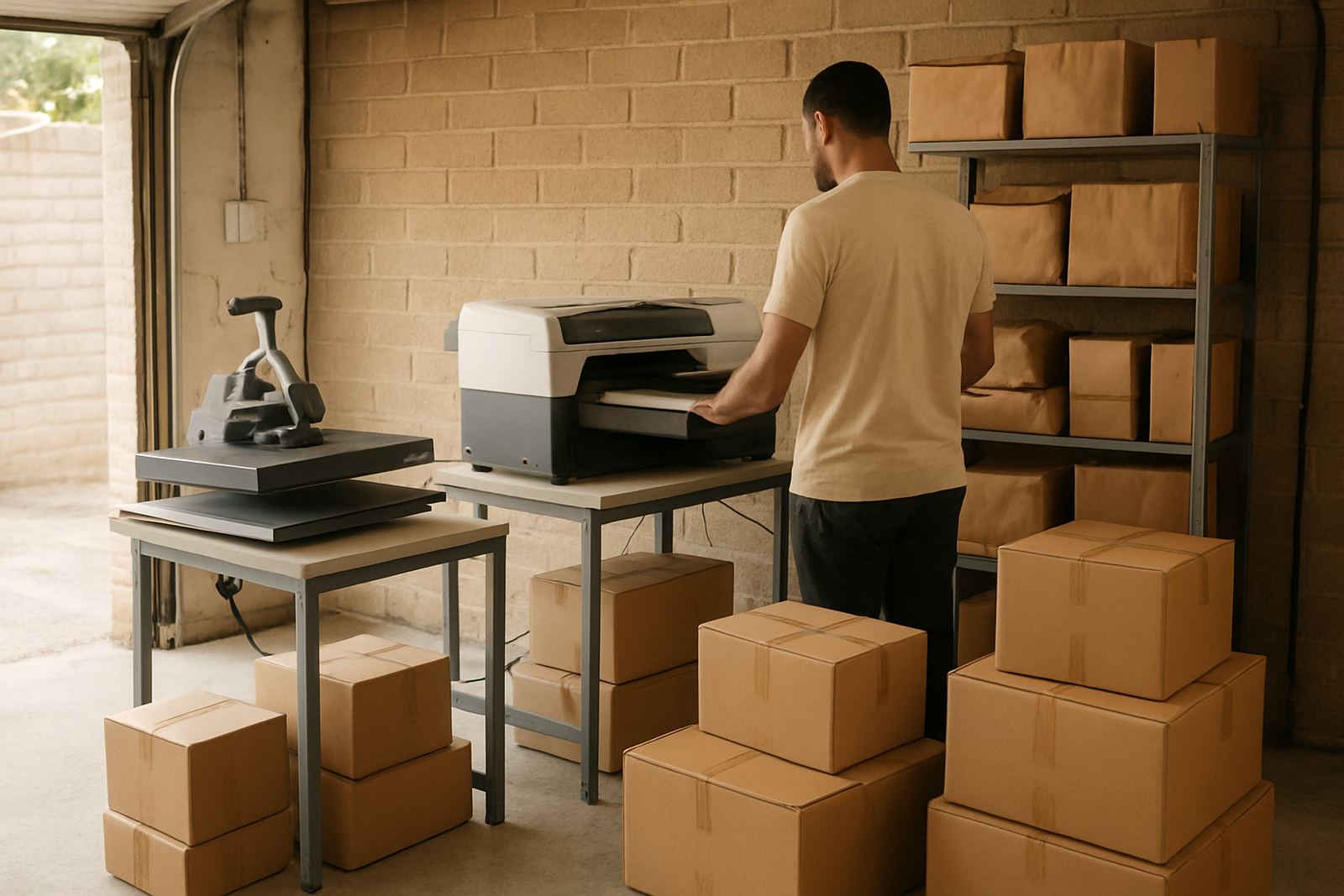
For mixed fabric work, the right support includes colour profiling, spare parts supply, ink system flushing and relocation support if the business moves premises. Some customers start in a home workshop and later shift into a commercial unit with better access and safer storage. That move has to be planned properly so the equipment can be lifted, aligned and tested again before production resumes.
- Mixed natural and synthetic fabric jobs
- Move from home-based work to light industrial space
- Project-based rooms with changing order volumes
What these customer spaces have in common
Although each print room is different, the successful ones all share the same habits: clear workflow, regular maintenance, staff training and realistic production targets. They also choose equipment that matches their current output rather than overbuying too soon. That keeps cash flow healthier and makes it easier to grow at a steady pace.
If you are planning a new room or improving an existing one, start with the basics. Measure your floor space, check your power supply, think about fabric storage and decide who will operate the machine every day. From there, the right combination of printer, heat press, inks and support can be matched to your setup.
- Measure the room before choosing equipment
- Plan for power, ventilation and storage
- Train the operator before production starts