
Client brief for a Midrand teaching print room
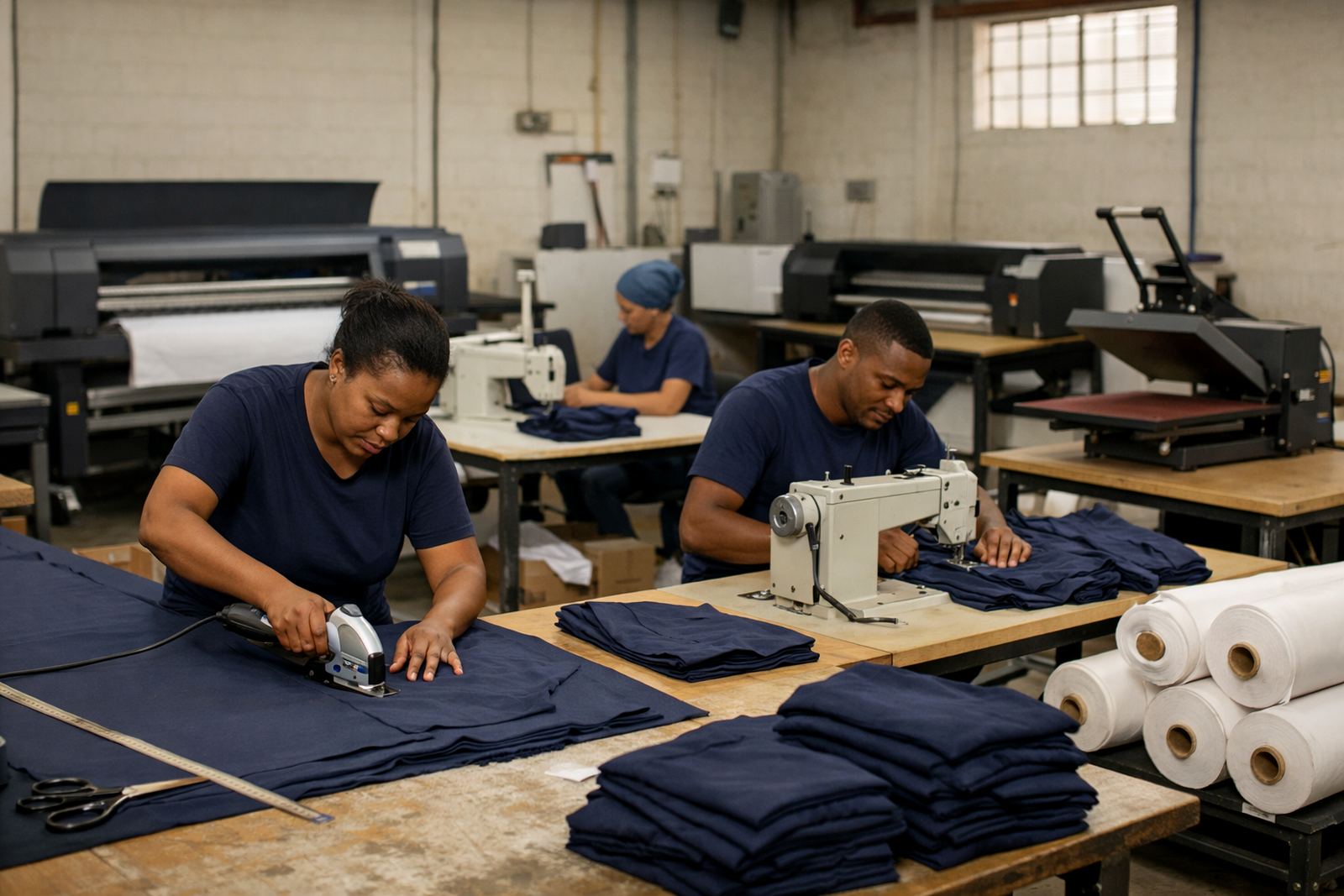
The client was a small textile and garment business in Midrand that wanted a dedicated room for staff training, customer demos and trial runs on fabric before moving into full production. Their main aim was to show visitors how direct-to-fabric printing works from start to finish, from file setup and colour control through to heat setting and finishing.
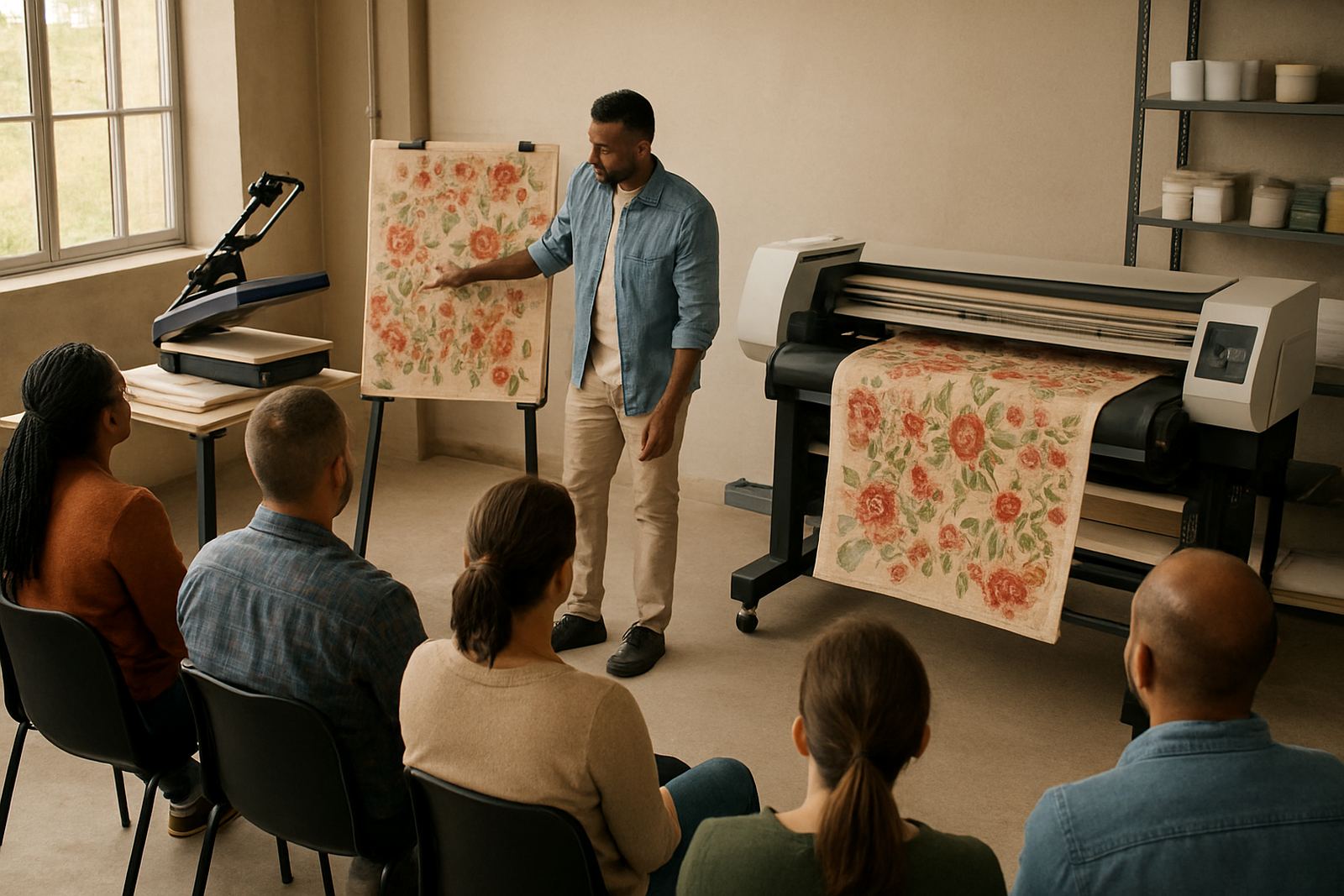
They needed a room that could handle regular group sessions, with enough space for an instructor, 4 to 6 trainees and a clear path for moving fabric, prints and sample garments around the room. The brief also called for simple operation because the team expected different skill levels in the same room, from beginners to experienced print operators. We kept the layout practical, not fancy, because the room had to work on busy weeks when there are back to back sessions.
- Space for live demonstrations and hands-on practice
- Reliable power planning for printers, presses and support equipment
- Clear colour consistency for sample work and repeat training
- Easy cleaning for ink, lint and heat press residue
Constraints in a working Midrand building
The room was inside an active business unit in Midrand, so we had to work around normal trade hours and keep disruption low. Access for equipment had to be managed carefully through narrow passages and shared areas, and we also had to account for load-shedding because training cannot stop every time the power goes out. That meant planning for safe shutdowns and a sensible equipment layout that would not suffer from repeated movement.
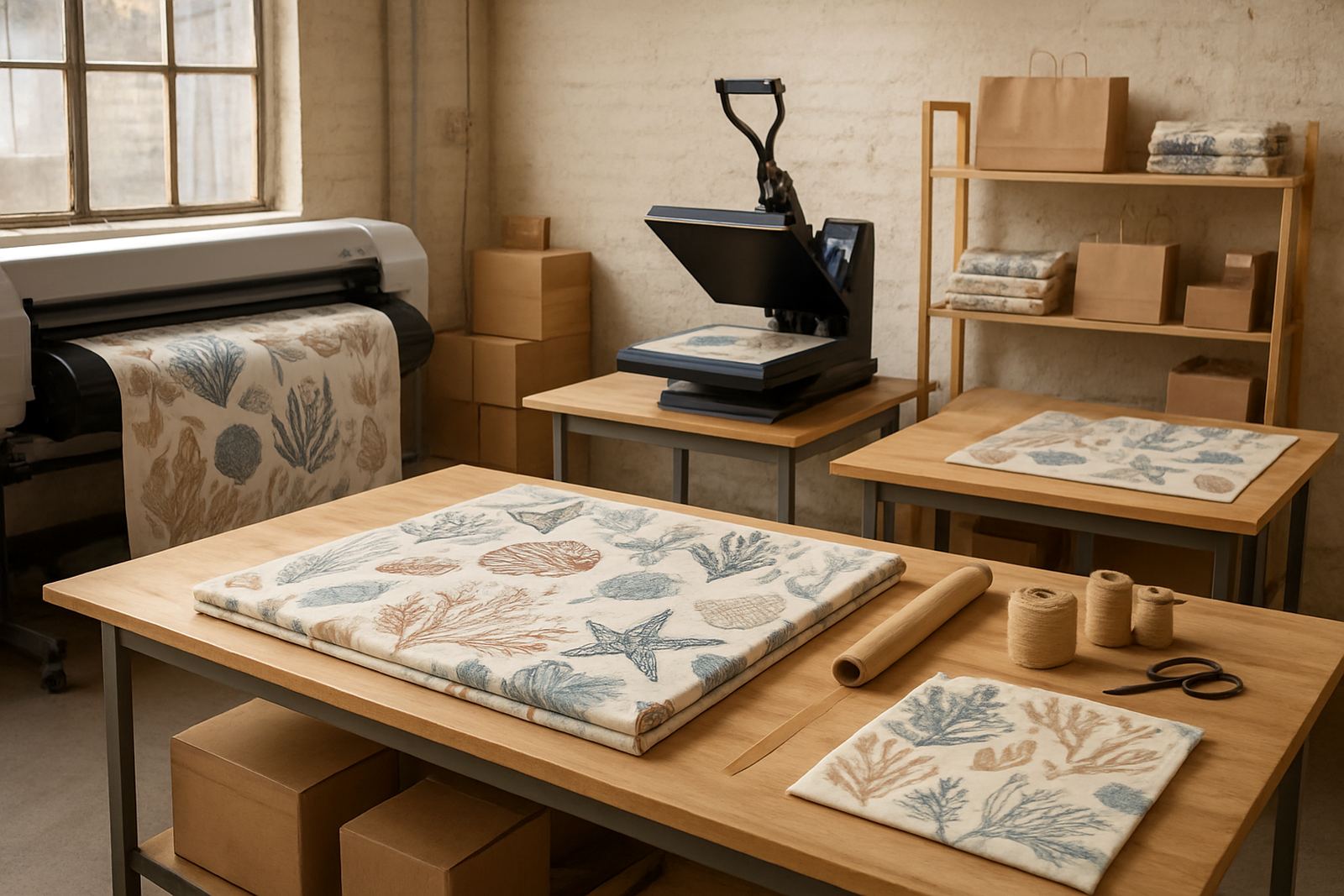
Humidity and dust were also part of the picture, especially because Midrand can swing between dry spells and sticky summer weather. For fabric printing, that matters. Ink handling, media storage and printhead care all need cleaner conditions than a general storage room. We therefore kept the training area organised with separate places for rolls, samples, ink, tools and cleaning materials so operators do not mix wet work with finished pieces.
- Power backup planning for training days
- Storage for inks, media and spare parts away from heat
- Easy access for maintenance and cleaning
- Room finish chosen for regular wipe-downs and lint control
What we supplied and set up
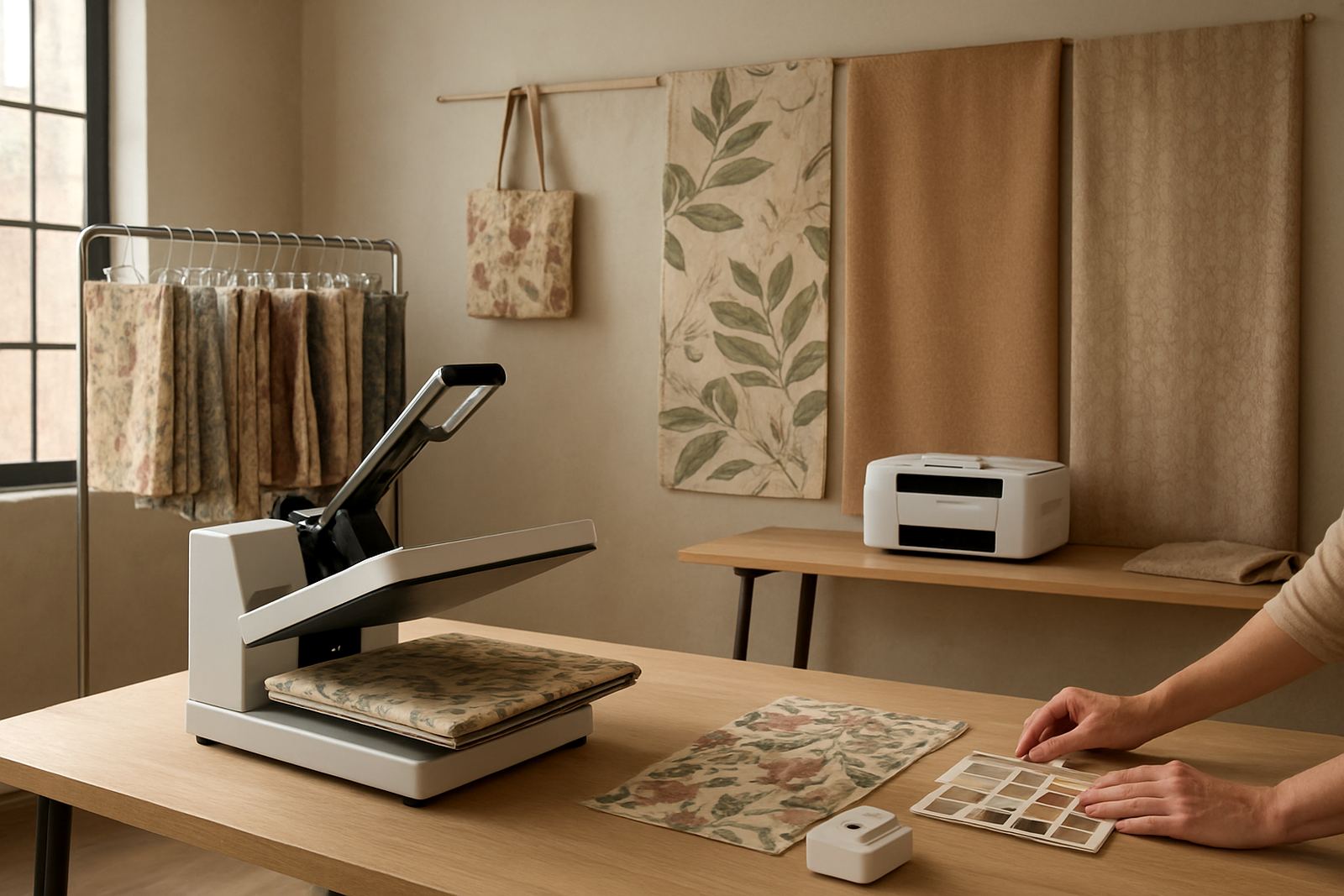
We supplied and installed a compact training configuration built around a direct-to-fabric inkjet printer, a matching heat press and the supporting workflow items needed for teaching. The print room was arranged so trainees could see each stage clearly: media loading, print production, curing or heat setting, and quality checks. We also set up the room for colour profiling and sample comparison, which helps when a client wants to match repeat orders or keep school, boutique or promotional work consistent.
Our team handled machine installation, operator training and setup guidance on the first run of the room. Johan van der Merwe led the physical installation, Megan Naidoo handled ink and media setup, and Ayesha Patel coordinated the training flow so the room could work for groups rather than just one operator. We also checked print workflow, cleaning routines and practical handling for common issues like blocked nozzles, fabric movement and incorrect heat settings. The room now supports real teaching, not just display use.
- Direct-to-fabric inkjet printer installed and commissioned
- Heat press positioned for quick transfer and finishing work
- Ink and media handling points set up for training use
- Colour profile checks completed for sample production
Timeline from first visit to first class
The project ran over 3 weeks from first site visit to final handover. Week 1 covered the room assessment, power check and equipment placement plan. Week 2 was used for installation, connection checks and the first round of test prints on fabric samples. Week 3 focused on training, live demonstrations and repeat runs until the client team could carry out the main steps with confidence.
We kept the schedule tight because the room had to be ready for booked sessions. Rather than rushing the setup, we worked in stages so the team could see how each part affected output. That included pre-start checks, warm-up routines, fabric handling and post-print cleaning. The result was a training room that could be opened to staff and visitors almost immediately, with the kind of flow that makes sense when you have people coming in from Sandton, Centurion or other parts of Gauteng for demonstrations.
Training that matched South African production reality
The training content was built around what small garment businesses in South Africa actually deal with. That includes mixed orders, small runs, changing electricity supply and the need to get colour right on different fabrics. We covered practical points like how to avoid waste when a roll is short, how to store inks in warm weather, and how to keep a machine ready after a power interruption. The room was not treated as a classroom only, it was handled like a working print space.
Operators were shown how to manage daily start-up and shut-down routines, how to keep the print area tidy and how to spot early signs of trouble before it becomes a bigger repair. The team also received guidance on safe handling of textile media and how to organise jobs so sample work does not get mixed with production work. In a room like this, little habits matter alot because one messy shift can affect the next three jobs.
- Daily operation and cleaning routines
- Colour matching for repeat fabric work
- Safe handling during load-shedding interruptions
- Basic fault finding before a service call is needed
Results after handover
After handover, the client had a training room that could support regular demonstrations, operator refreshers and customer walk-throughs without extra rearranging each time. The output from the printer and heat press was consistent enough for sample work, and the team could explain each stage to new staff without confusion. That helped with confidence, especially when the room was used for people who had never handled textile print equipment before.
The biggest gain was practical control. The client now had a room where setup, teaching and sample production all happen in the same place, with clear process flow and less downtime. Because the equipment had been installed with servicing in mind, maintenance access was straightforward and the room was easy to keep tidy. If we were asked to do the same project again, we would keep the same approach: assess the room first, train on the actual equipment, and build the layout around how people work, not just how it looks.
Key facts
| Project type | Midrand training room for garment and textile print demonstrations |
|---|---|
| Location | Midrand, Gauteng |
| Timeline | 3 weeks from assessment to handover |
| Core equipment | Direct-to-fabric inkjet printer and heat press |
| Training focus | Operator training, colour profiling and daily maintenance |
| Use case | Group demos, sample production and staff upskilling |