The brief from a coastal gift maker in Gqeberha
The client was a small gift-textile workshop serving hotels, corporate gifting buyers and event organisers in Gqeberha and the wider Eastern Cape. Their work ranged from lightweight scarves and table runners to fabric keepsakes for launches, weddings and conference packs, so the printing setup had to handle varied cloth types and quick turnaround times.
The main brief was simple enough to say but not easy to get right: print vibrant repeat designs and custom artwork on fabric with sharp detail, keep wastage low, and make sure the team could run jobs without needing outside help for every order. They also wanted a setup that could cope with coastal humidity and the occasional load-shedding window without losing consistency.
- Short-run production for gift items and branded fabric pieces
- Reliable colour matching across different fabric weights
- Simple daily operation for a small in-house team
- Equipment that would fit a modest workshop floor plan
Site constraints and production realities
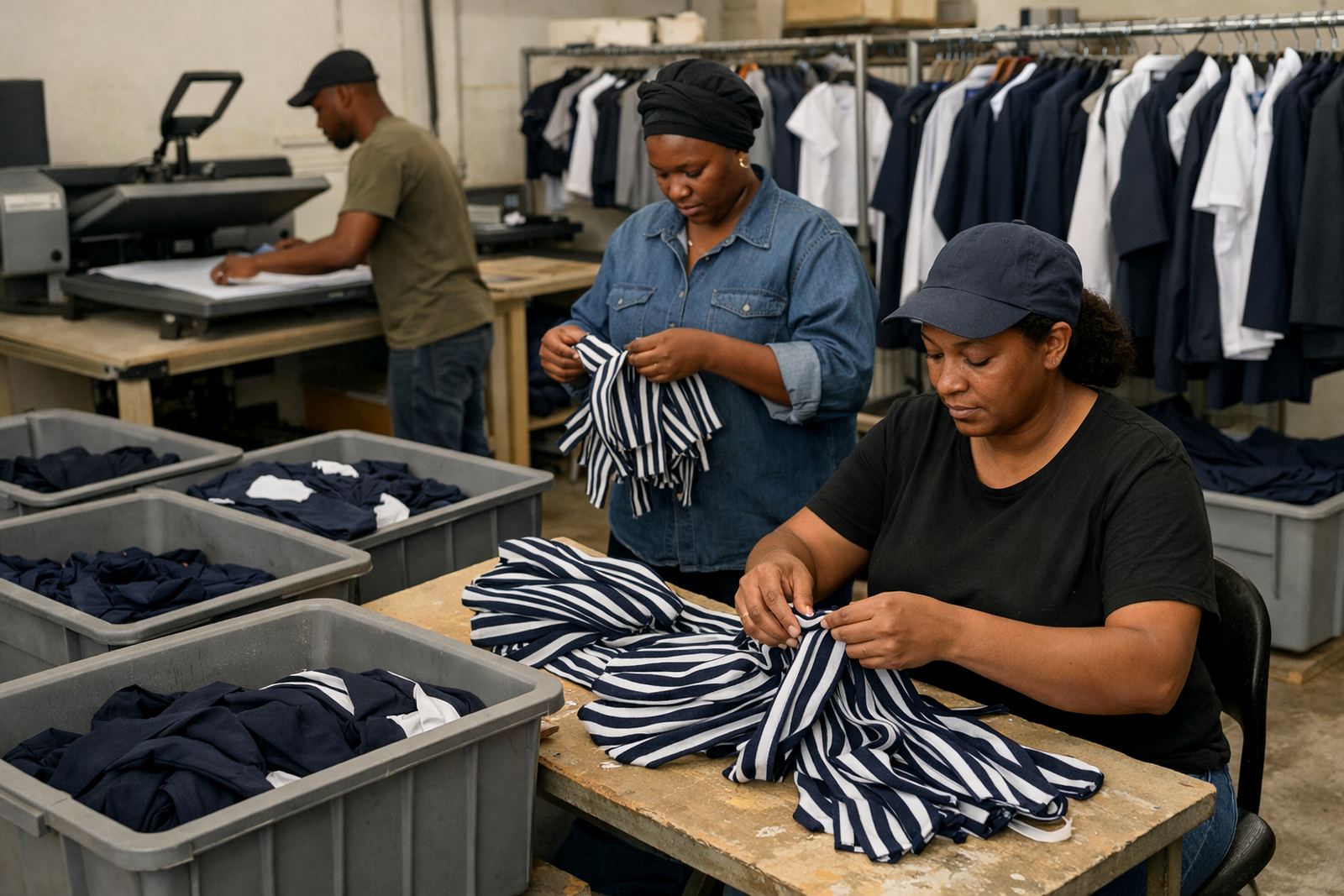
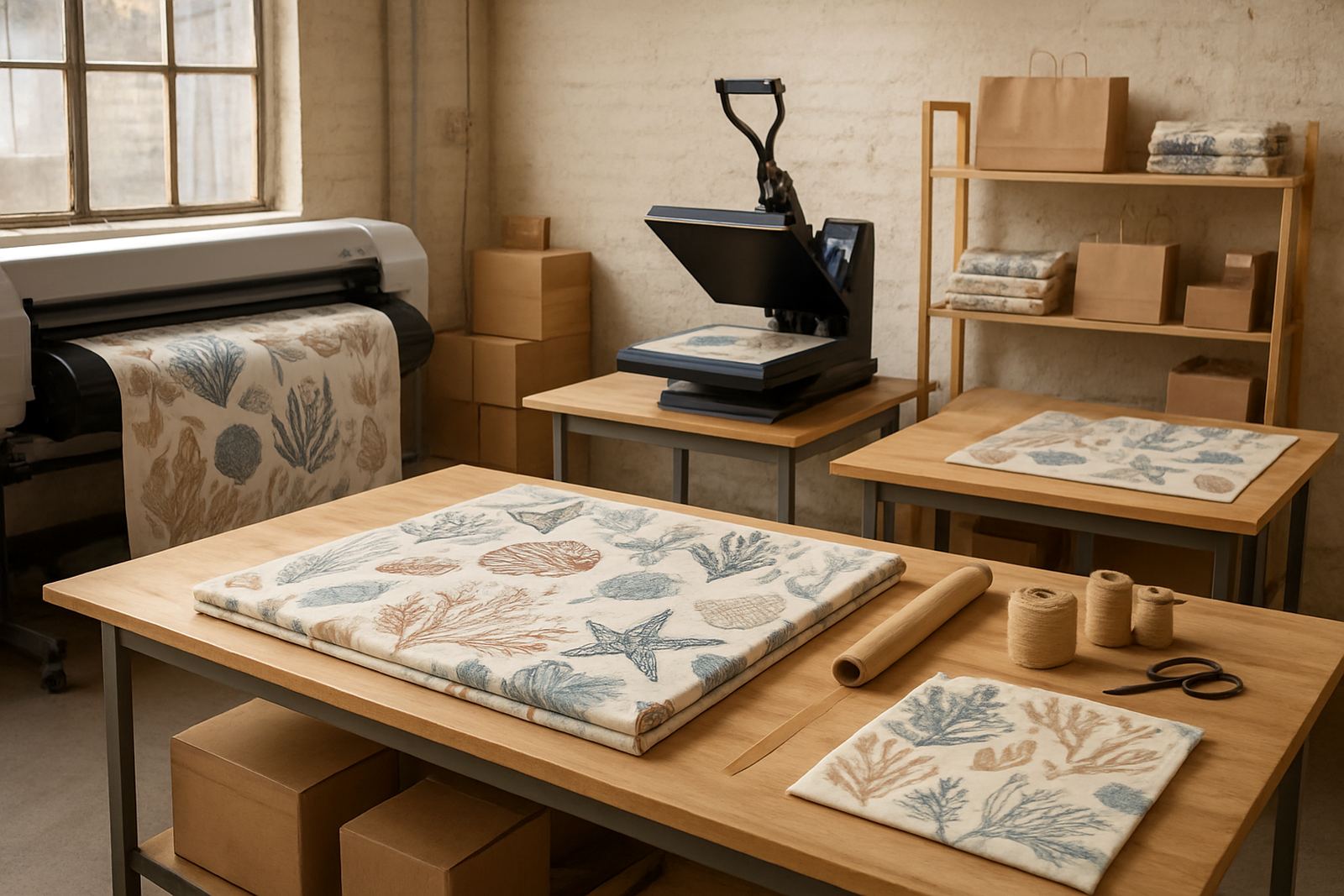
The workshop was in a mixed-use area with limited floor space, so the layout had to allow for printing, drying, heat pressing and packing without workers crossing each other all day. There was also a need to keep fabric and inks in stable conditions, because Gqeberha humidity can affect handling and drying if the room is left open too long.
Power stability was another concern. The team did not want to lose a half-finished print because of a sudden outage, and they needed a routine that would still work when municipal supply was patchy. We planned the line around smaller job batches, clear drying space and sensible backup steps for shutdown and restart. That saves time and paper, though in this case it was fabric and not paper of course.
- Coastal humidity management for inks, media and finished stock
- Space-efficient workflow for print, press and finishing
- Job control for repeated custom orders and one-off gift pieces
- Practical load-shedding handling during production hours
What we supplied and installed
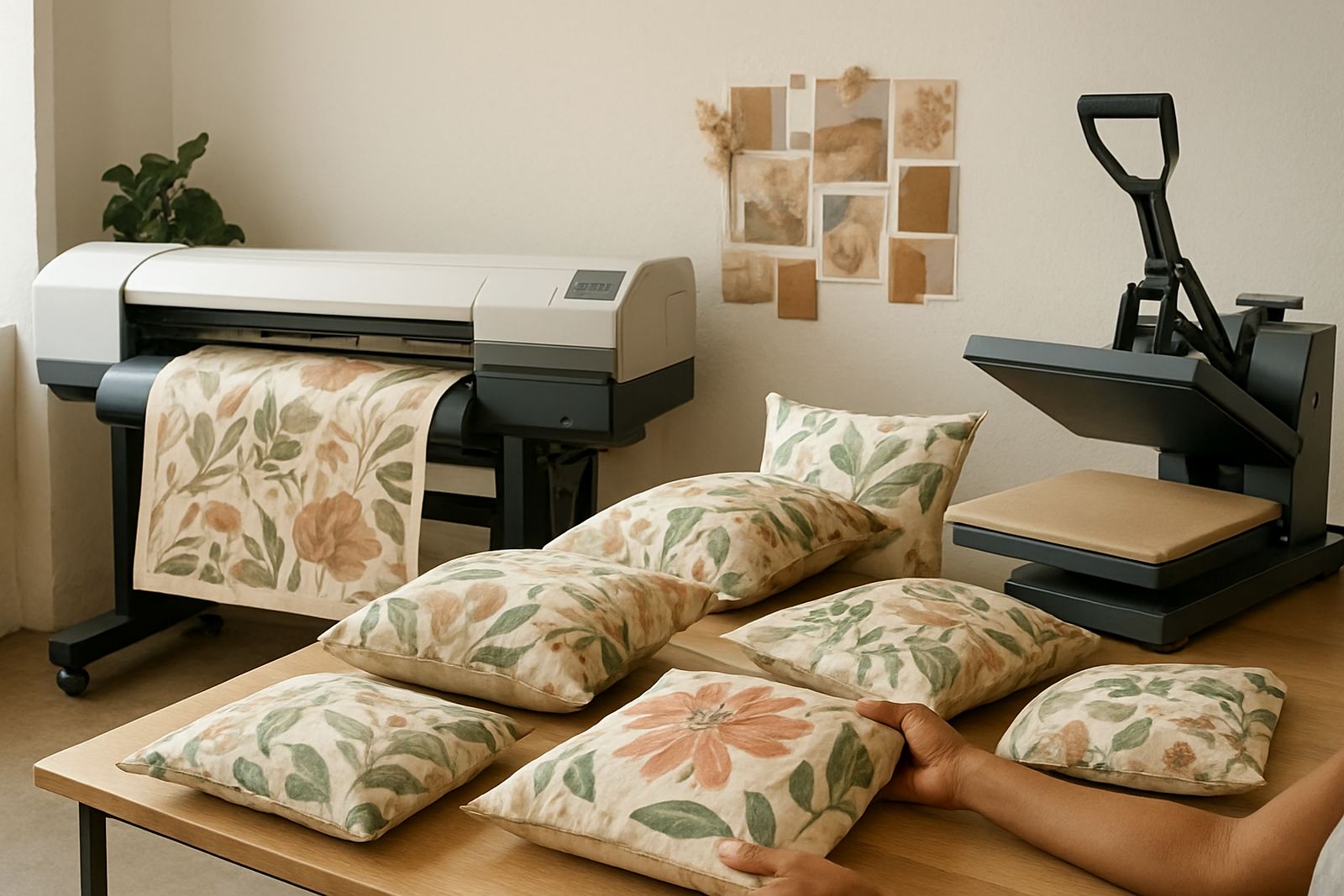
We supplied a direct-to-fabric inkjet printing setup matched to the workshop’s size and output, together with a heat press for finishing and curing where needed. The machine spec suited small garment and textile work, with a print width of up to 1.6 metres and resolution suitable for fine text, logos and detailed decorative patterns. Ink and media were selected for bright colour, clean edge definition and dependable feed on commonly used textile bases.
Alongside the equipment, we carried out full installation, set-up checks and colour profiling. That meant aligning the workflow from file prep through to finished fabric, so the team could reproduce the same shade from one order to the next. We also set up ink handling guidance, cleaning routines and a simple daily checklist to keep the machine in good order. The operator picked it up quicker than expected, which always helps when you have a queue of orders waiting.
- Direct-to-fabric inkjet printer for short-run textile production
- Heat press for finishing and production support
- Fabric inks and compatible media for gift and décor work
- Colour profiling and production workflow setup
Training the team to run jobs without fuss
The training was arranged around the workshop’s actual orders, not a generic class room approach. We worked through sample scarf artwork, runner layouts and logo placement on keepsake fabric, then moved into the day-to-day tasks the staff would face after installation. That included loading fabric, checking tension, spotting banding early and knowing when a head clean was needed before a bad print became a waste of material.
We also covered shutdown steps, restart checks after power cuts and how to protect stock from damp air near the coast. For a small team, this is the sort of detail that matters because one skipped step can throw off the whole morning. The client wanted practical confidence more than theory and that is exactly what we focused on.
- Operator training on loading, alignment and print checks
- Cleaning routines for the print system and fabric path
- Basic fault spotting and remote support steps
- Safe storage of inks, fabric rolls and completed goods
Timeline from first visit to first production week
The project ran over three weeks from site assessment to live production. Week one was the workshop visit, measurements and job planning. Week two covered machine delivery, installation and profiling. Week three was training, test runs and the first paid jobs through the new setup.
That pace worked because the client already had demand lined up for the season and needed to start on time. Once the line was running, the team could schedule small batches through the day instead of waiting for outside suppliers. It reduced turnaround times and kept more value in the workshop, which was the point from the start.
- Week 1: site review, layout planning and production matching
- Week 2: installation, configuration and colour profiling
- Week 3: training, test prints and first live orders
Results for scarves, runners and branded keepsakes
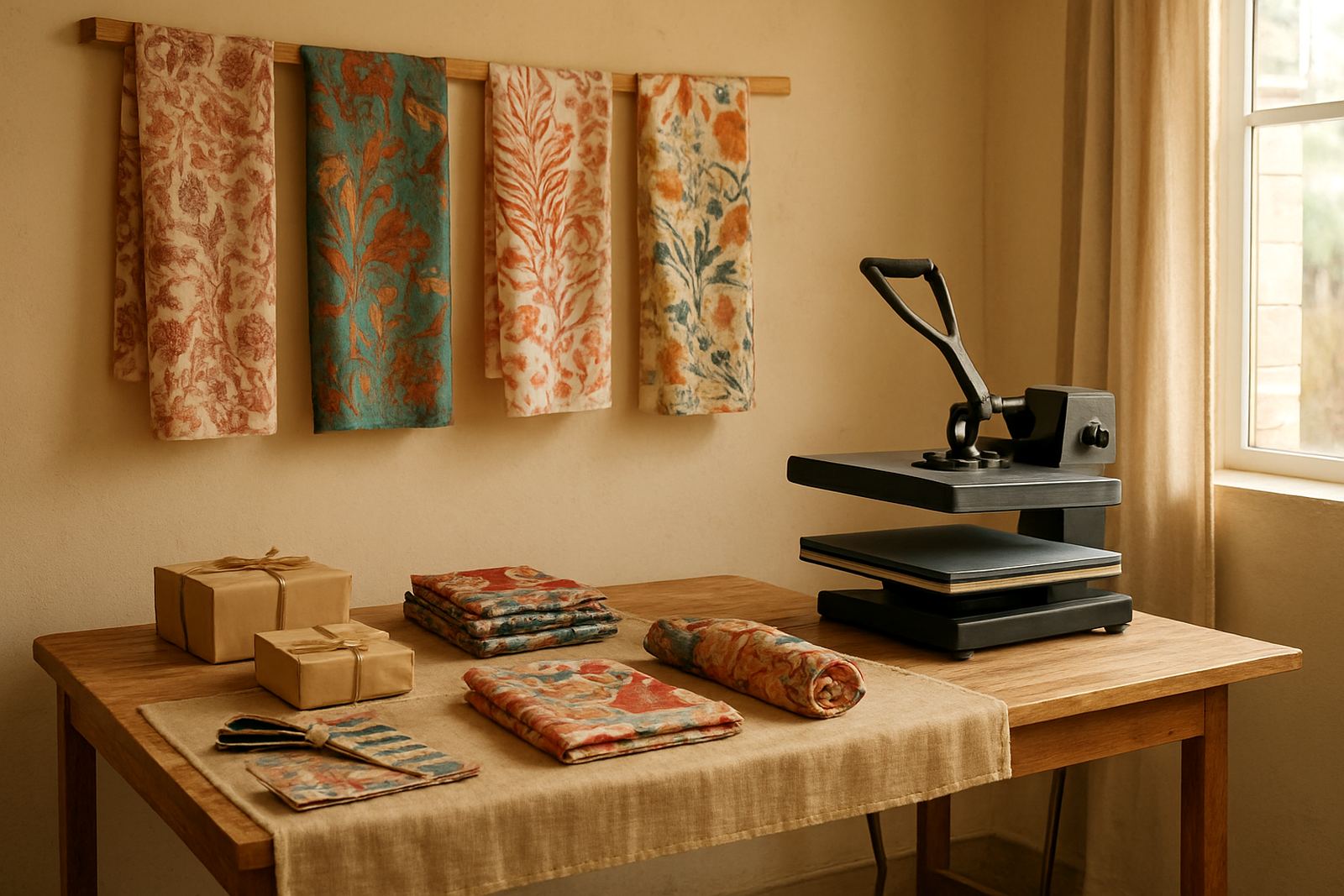
Once production settled, the workshop gained a steady in-house method for gift textile work with cleaner colour control and fewer rejected prints. Fine detail on logos and decorative motifs came through well, and repeat orders could be matched more confidently from one batch to the next. The team also liked having a proper process for maintenance so they were not forced into panic fixes late in the day.
For the client, the biggest win was flexibility. They could take on custom runs for corporate gifts, wedding items and local events without waiting on outside print schedules. In practical terms, that meant better turnaround, less transport cost and more control over quality. A small workshop can only carry so much wasted stock, so every saved metre counts.
- Improved colour consistency across repeat orders
- Faster turnaround on short-run textile gifts
- Less dependence on outside print suppliers
- Clearer maintenance routine for ongoing production
What we would do again on a similar project
If we were setting up the same kind of Gqeberha workshop again, we would keep the same approach: start with the actual product mix, plan for humidity and power interruptions, then train the team on the jobs they really sell. That keeps the setup practical instead of overcomplicated.
We would also recommend keeping spare consumables on hand and reviewing maintenance every month during busy periods. For coastal textile work, that extra discipline matters. It protects output, keeps the machine in better condition and makes sure the workshop can handle seasonal spikes without scrambling at the last minute. The client got there in good time, and the line is now suited to the sort of work they do best.
Key facts
| Project location | Gqeberha, Eastern Cape |
|---|---|
| Client type | Small gift-textile workshop |
| Installed equipment | Direct-to-fabric inkjet printer and heat press |
| Print width | Up to 1.6 metres |
| Project duration | 3 weeks from assessment to first production |
| Core work | Scarves, runners and branded fabric keepsakes |