A local workshop with growing demand
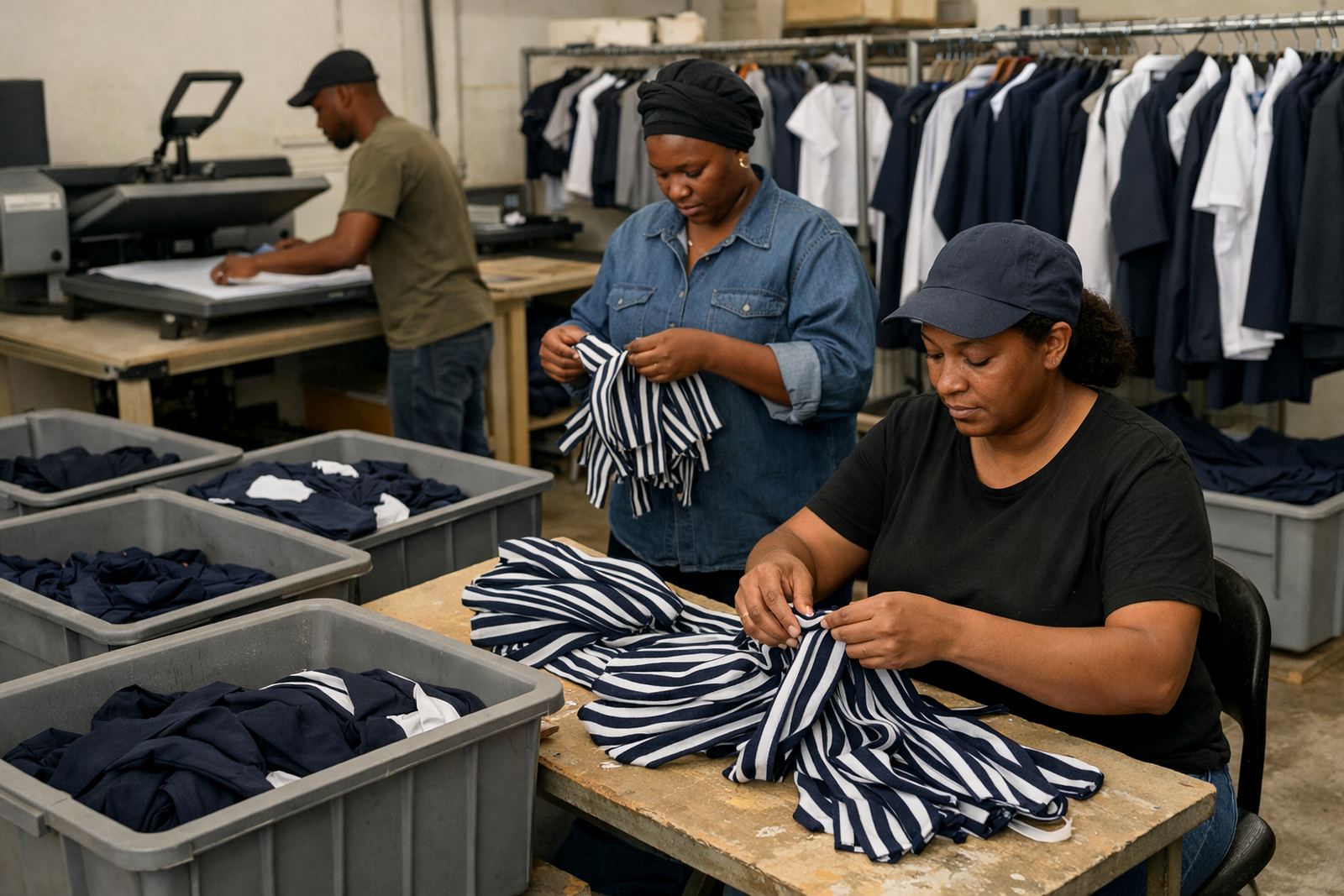
The client was a small sportswear workshop in Soweto serving clubs, schools and community fitness groups across the township and nearby parts of Johannesburg. Their work included T-shirts, training tops, leggings, hoodies and teamwear labels, with most orders changing from week to week and a fair amount of custom sizing. They needed a better way to print brighter colour blocks and finer details on fabric without sending work out or relying on slow manual methods.
The brief was practical. Improve print quality, shorten turnaround times and keep the room simple enough for a small team to run every day. The workshop had limited floor space, mixed power supply conditions and a steady mix of cotton, polycotton and performance fabrics. They also wanted equipment that could cope with heat in summer, dust from the area and the usual interruptions that come with municipal supply issues.
What was holding production back
Before the upgrade, the team was struggling with uneven colour, slower curing times and repeat jobs that did not always match the first sample. Pressing was also taking longer than it should, which made it harder to finish short runs on the same day. In a room like this, every minute matters because one late batch can affect school deliveries, team kit handovers and weekend sales.
We found three main pressure points: inconsistent ink laydown, limited control over temperature and pressure on the press, and a workflow that had too many stops and starts. The team needed a layout that made sense for one operator in the morning and two or three people in peak periods. They also needed the right support so that new staff could learn the process properly instead of guessing their way through it.
- Space had to be used carefully, with a compact footprint and clear walkways.
- The setup had to handle short runs and repeat work with consistent colour.
- Training needed to be straightforward for staff with mixed experience levels.
The equipment and setup we supplied
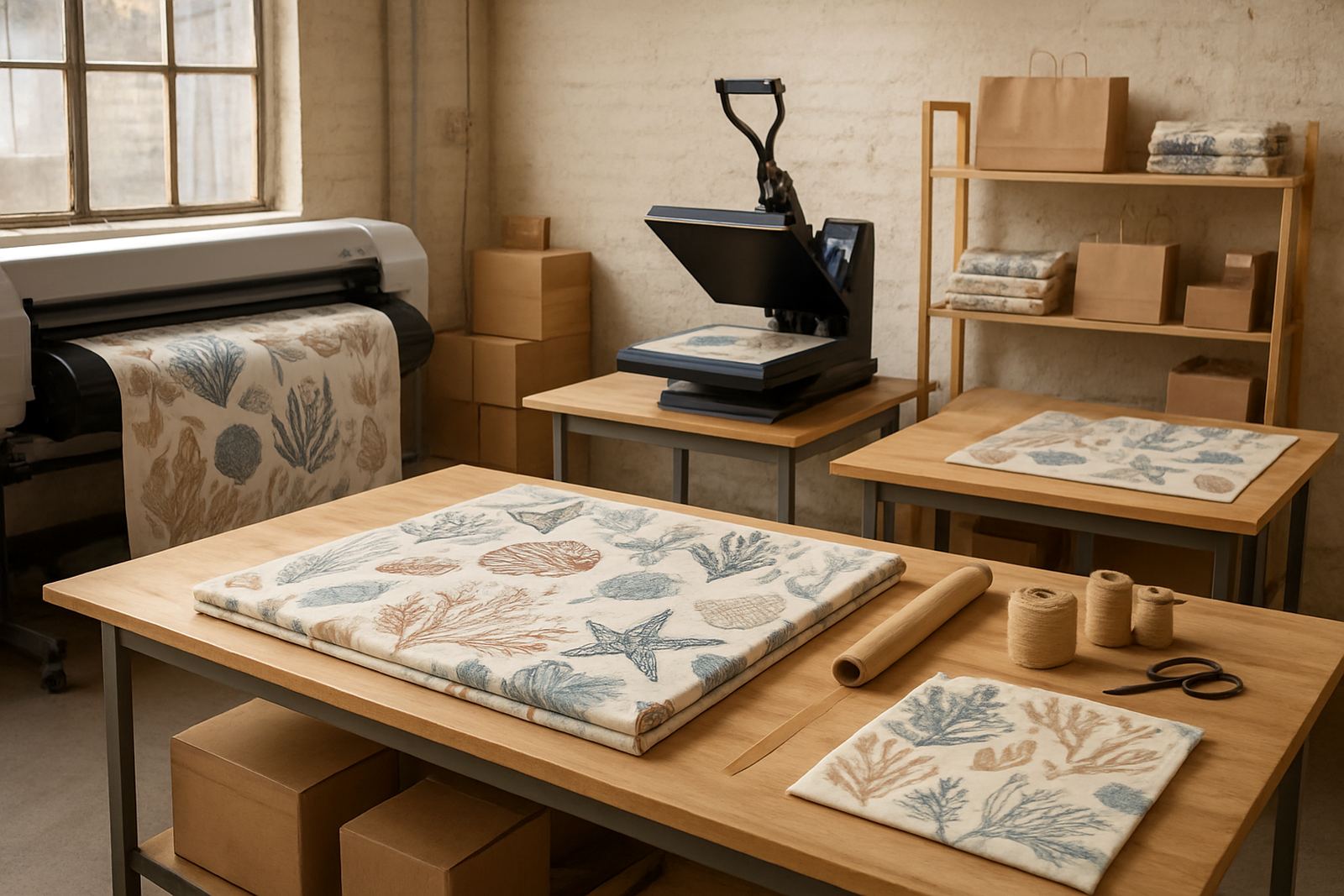
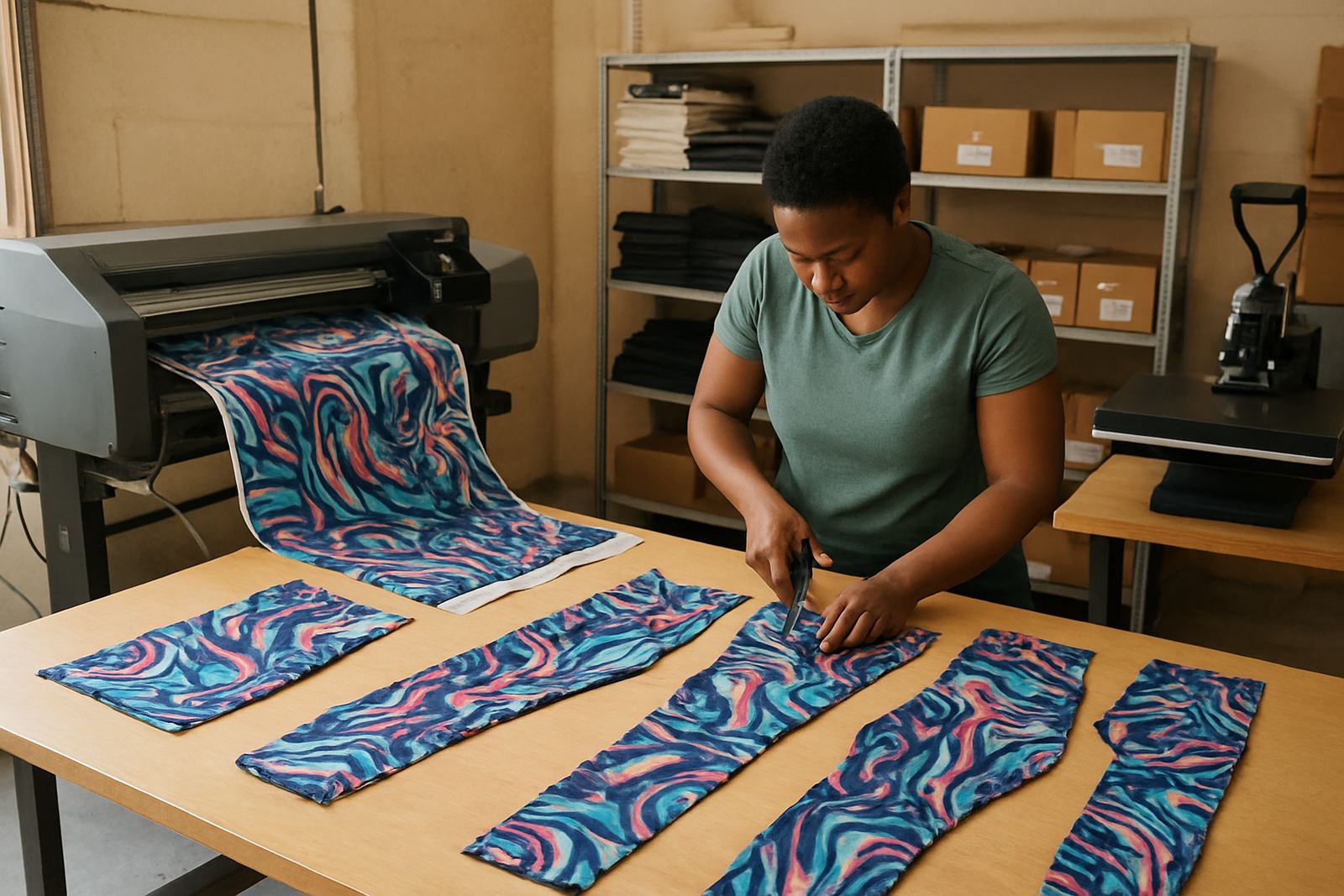
We supplied a direct-to-fabric inkjet printing setup sized for small garment production, along with heat presses and the consumables needed to keep it running. The print system was configured for detailed textile work, so the workshop could produce sharp logos, names, numbers and patterned panels without fighting with blurry edges or patchy fills. The press side was set up to give the team reliable temperature control and even pressure across regular garment sizes.
We also supplied inks and media matched to the fabrics they use most often, including activewear blends common in local production. Setup included alignment, test prints, colour adjustment and job flow planning. That meant the team did not just receive machines, they received a working method. For a room like this, that matters as much as the hardware because it reduces waste and keeps the first week from becoming a learning scramble.
- Direct-to-fabric inkjet printer for detailed garment and textile printing
- Heat presses for transfer finishing and repeatable garment output
- Ink supply matched to common activewear fabrics
- Set-up training and job flow guidance for daily production
Installation week in Soweto
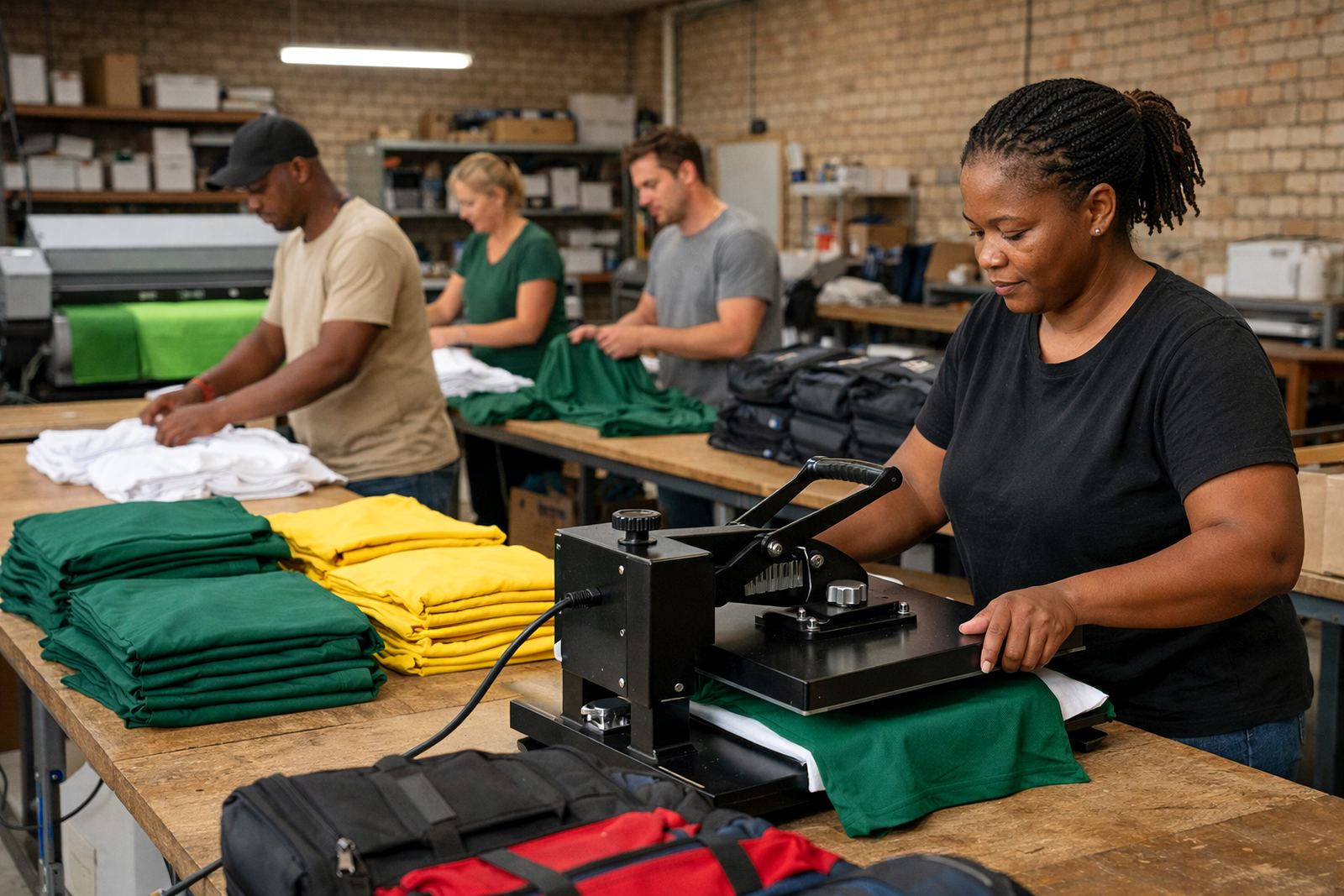
The project ran over two weeks from delivery to handover. Week one covered site preparation, equipment placement and connection checks, then the printer and presses were commissioned and tested on sample fabric. Week two focused on operator training, colour profiling, fault checks and a few live production runs using the workshop’s own artwork. We kept the schedule tight because the client had orders lined up and could not afford a long pause.
Johan handled the installation work on site while Ayesha ran the training and made sure the team understood the basics of loading, print settings, curing and cleaning. Megan worked through the ink and media setup, and Thabo checked the service points so the team would know what to watch for in future. The result was a cleaner workflow with fewer bottlenecks, even when the room got busy. There was a lot of movement that week, but the team settled quickly once the steps were laid out clearly.
What changed after handover
Once the new setup was in place, the workshop could print brighter colours with more consistent detail and finish jobs faster through the day. The team reported less rework on repeat orders, cleaner edges on text and a more predictable press cycle. That helped them accept more small batch work, which is exactly the kind of work that keeps a community-focused workshop busy.
They also gained better control over production during power interruptions. With clearer operating steps and a more efficient sequence of tasks, the team could pause and resume work without losing their place. In Soweto and across Johannesburg, that kind of discipline makes a real difference because load-shedding and transport delays can throw off a full day if the room is not organised properly. The client now has a stronger base for handling club orders, school kits and local retail runs.
- Sharper print detail on logos, numbers and trim work
- Faster turnaround on small and medium garment batches
- Less waste from failed settings and uneven pressing
- More reliable daily output during busy periods
What we would repeat on the next job
If we did a similar workshop again, we would keep the same simple approach: map the room first, choose equipment that matches actual order sizes, and train the team on the exact fabrics they use most. We would also spend extra time on colour profiling at the start because that is where many textile jobs either hold together or drift off course. For a small activewear room, a few careful adjustments can save a lot of fabric and time.
We would also insist on a solid servicing plan from day one. That includes preventative checks, printhead cleaning, ink system flushing and quick remote support when the team gets stuck. With the right maintenance routine, a workshop like this can keep production steady for longer and avoid the stop-start cycle that slows growth. The Soweto Sportswear Room project showed that a practical setup and proper training can make a small room feel far more capable.
Support for workshops across Gauteng and beyond
We work with small garment and textile businesses in Germiston, Johannesburg, Pretoria, Durban, Cape Town and Bloemfontein, with support reach into Boksburg and Midrand as well. From our base in Wadeville, Germiston, we help with installation, operator training, colour profiling, maintenance contracts, breakdown repairs and relocation support. Whether a client is starting with a single press or adding print capacity to an active shop floor, the aim is the same: stable production, better colour and fewer surprises.
For teams working through municipal interruptions, coastal humidity or tight township spaces, the setup has to match the real conditions on the ground. That is the standard we apply on every project, and it is why workshops like this one keep coming back for servicing and advice after the first install is done.
Key facts
| Client type | Community sportswear workshop |
|---|---|
| Town | Soweto, Johannesburg |
| Timeline | 2 weeks from delivery to handover |
| Core supply | Direct-to-fabric inkjet printer, heat presses, inks and media |
| Main services | Installation, training, colour profiling and production setup |
| Typical work | Club kit, school wear, training tops and custom activewear |