Project brief from a Kempton Park teamwear workshop
What was holding production back
The room was doing a lot with a little. Artwork approval, printing, curing and pressing were all happening in a tight space, which made it hard to keep a clean flow. The biggest constraint was not the artwork itself, but the stop start nature of the work: one batch would be going to press while another needed colour correction, and someone always had to wait for heat to come up again.
There was also the usual load-shedding issue. A production room that relies on consistent heat and stable ink delivery cannot afford long recovery time after a power cut. The client needed equipment that would warm up quickly, hold settings properly and be easy for staff to keep aligned through a busy week. We also had to plan around the fact that the unit sits in an industrial area where dust and humidity can affect media handling and maintenance if the room is not managed well.
Equipment supplied and layout changes
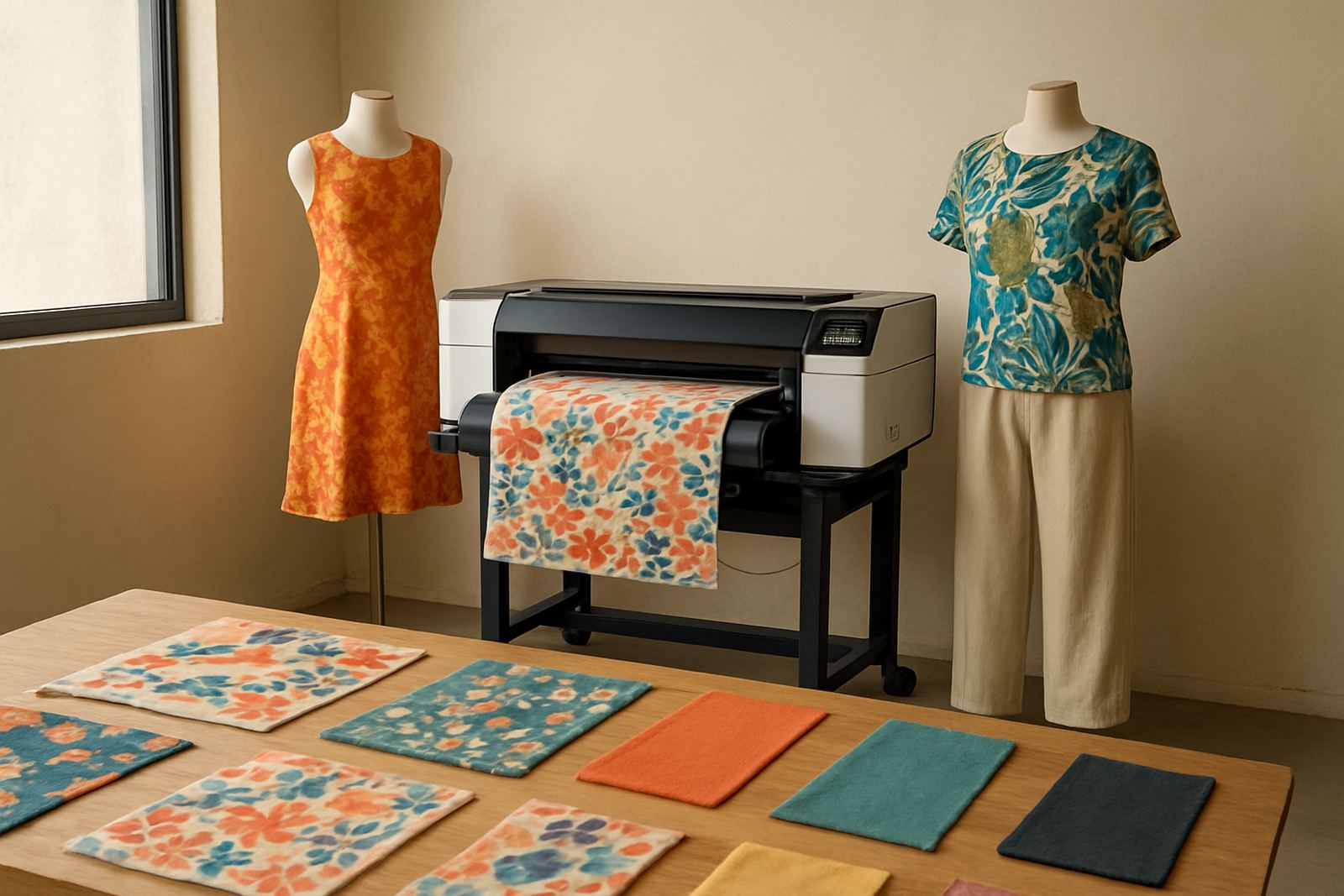
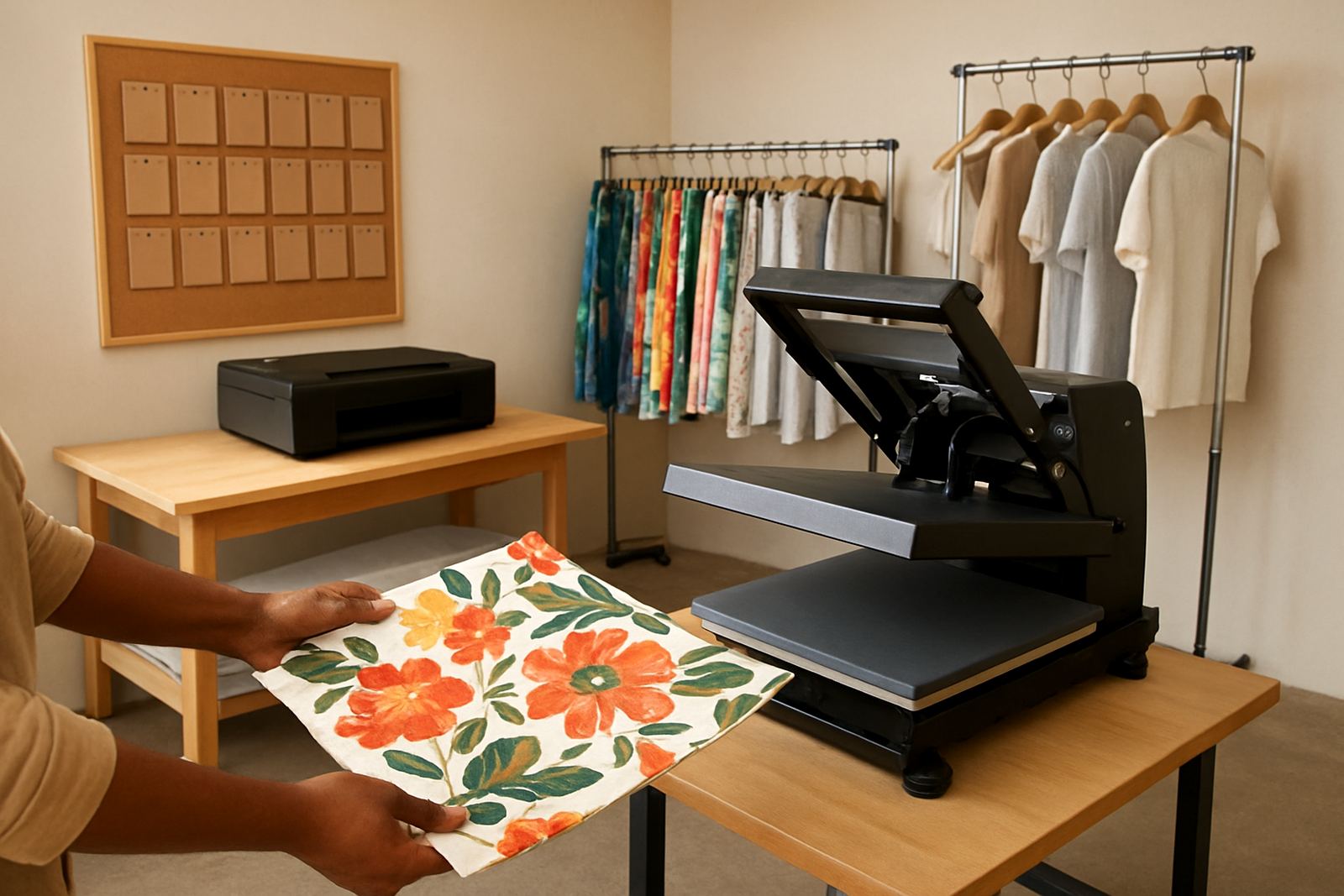
We supplied a direct-to-fabric inkjet printer suited to short-run textile work, plus a press setup for quick finishing and transfer work. The print side was chosen for accurate detail on logos, numbers and fine line artwork. The heat pressing side was set up for faster turnaround on finished panels and garment application where needed.
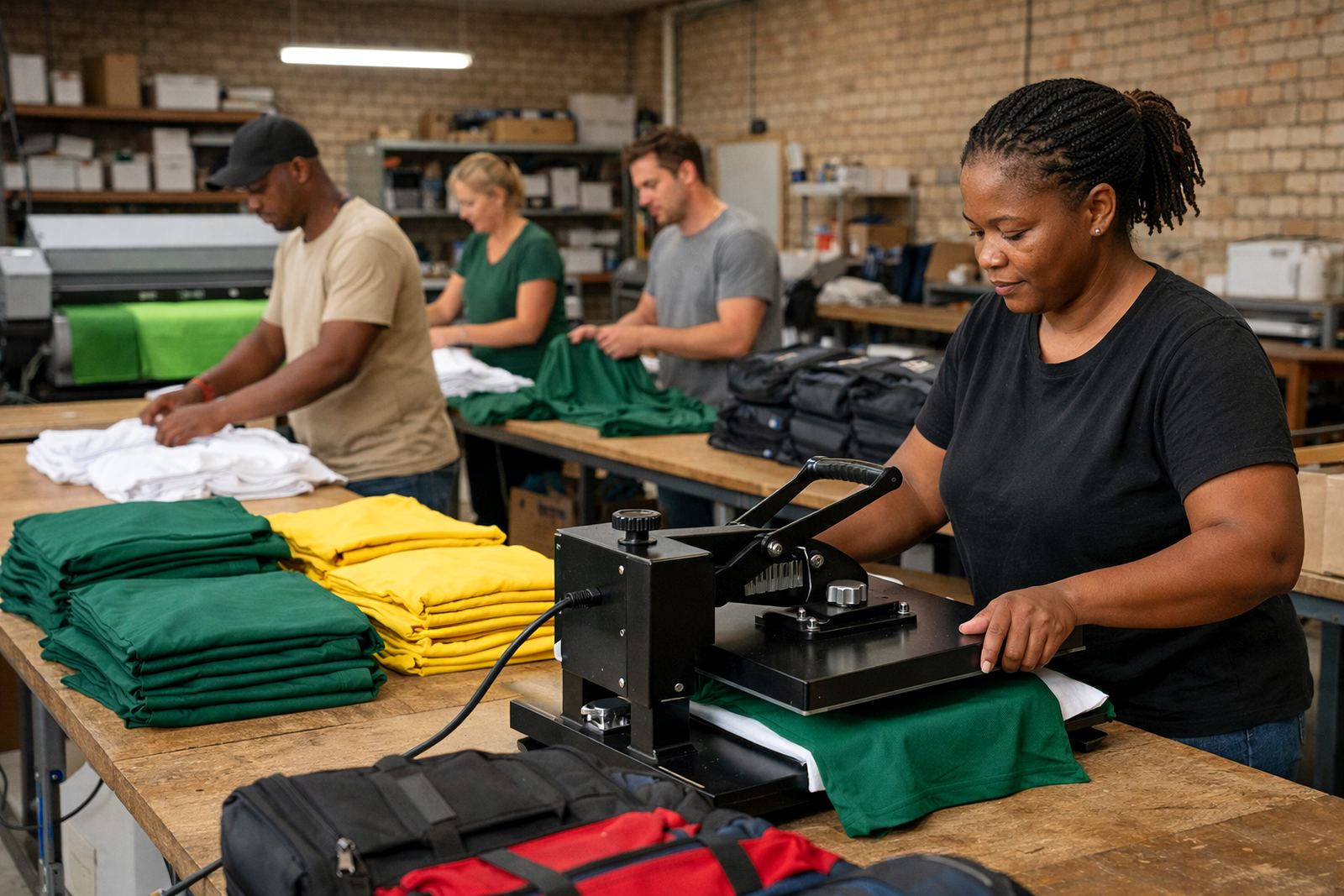
The room layout was adjusted so the operator could move in one direction: artwork prep, print, cure or dry, then press and pack. That reduced handling and helped keep production tidy. We also set up ink handling, media storage and a basic maintenance area so routine cleaning could happen without interrupting the rest of the day.
- Direct-to-fabric inkjet printer for repeat textile designs
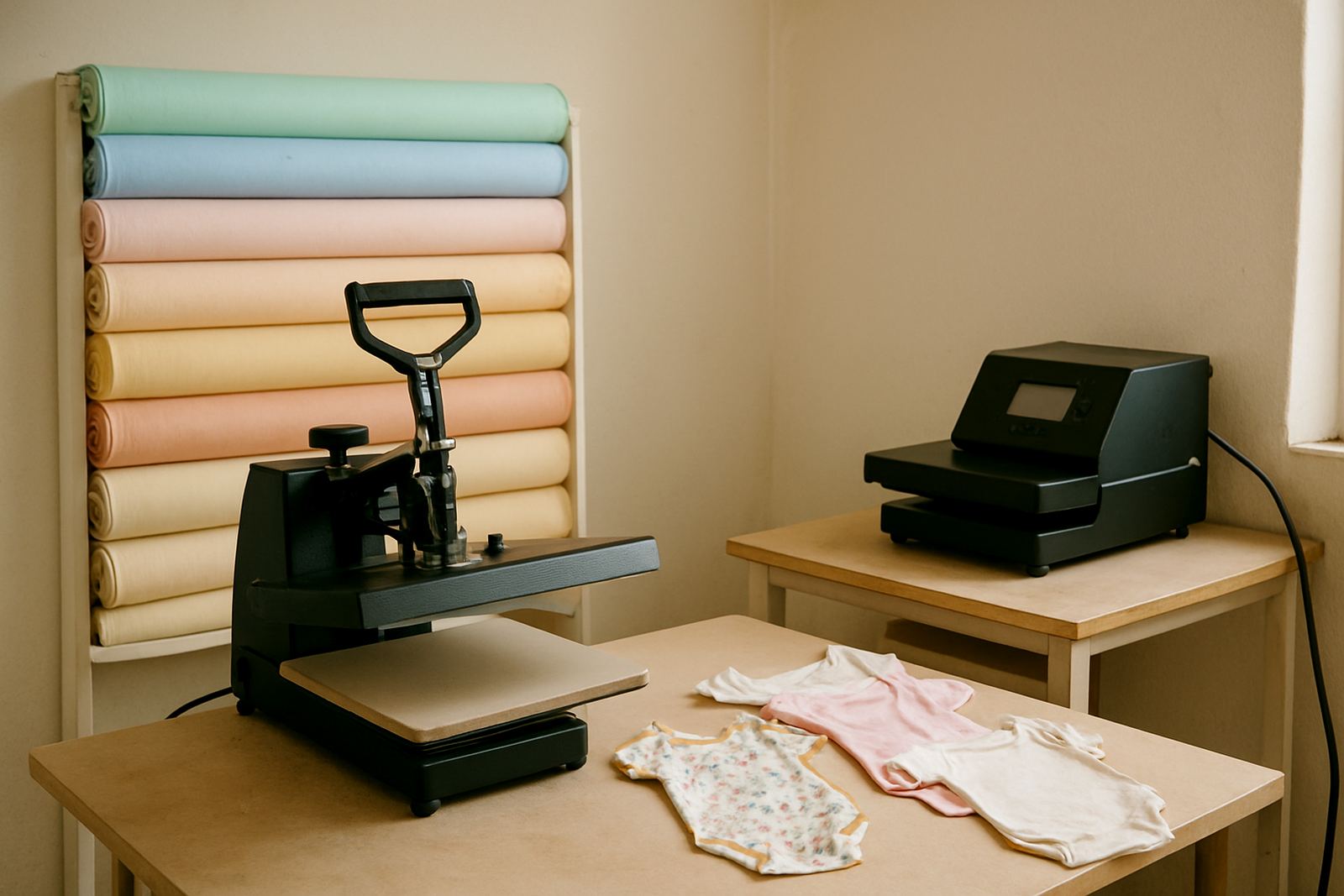
- Heat press equipment for faster finishing and application
- Ink handling and storage guidance for colour consistency
- Space planning for a one way production flow
Training, colour profiling and first jobs
The first two weeks focused on machine installation, operator training and colour profiling. We worked through artwork set-up, garment positioning, test prints and press timing so the team could repeat the same settings across different orders. The training also covered what to do when a design shifts from one fabric type to another, because teamwear orders often include different blends and finishing requirements.
We spent time on the basics that save money later: clean nozzle checks, correct curing temperatures, safe ink use and how to keep a press consistent when the room gets busy. By the end of the setup period the staff were confident enough to run their own sample orders and make small adjustments without waiting for outside help every time.
- Training period: 2 weeks
- Covered: printing, pressing, cleaning and day to day handling
- Included: colour profiling and test run approval
- Result: staff could repeat job settings with less supervision
Timeline and rollout in Kempton Park
The project ran over 4 weeks from first site visit to handover. Week one was the room review and production planning. Week two covered delivery, installation and layout changes. Week three focused on operator training and test orders. Week four was for fine tuning, support calls and the first production jobs under normal workload.
Because the client needed to keep taking orders while the room was being adjusted, we staggered the work around their operating hours. That meant less disruption and no long shutdown. It also gave us time to check that the setup would cope with repeated daily use and the occasional power interruption without forcing the team to start over.
Results for repeat sportswear orders
Once the room was running, the client could move through repeat teamwear orders with far less waiting between print and press stages. Artwork that used to need several manual checks now followed a clearer process, which reduced mistakes and made reorders easier to manage. The colour hold on the main crest designs improved too, especially on the larger batches for schools and club sides.
Production throughput improved because the team was no longer working around a cramped, stop start setup. They had one place for printing, one place for finishing and a better routine for cleaning and storage. That mattered in Kempton Park where turnaround speed can make the difference between winning a repeat order and losing it. The staff also found it easier to manage after-hours work when load-shedding or late collections came into play, since the process was simpler and more predictable.
- Faster repeat order handling
- Less handling between print and press
- Better colour repeatability on common designs
- Cleaner workflow for weekly teamwear production
What we would repeat on the next teamwear room
If we were doing the same type of job again, we would keep the same focus on flow, maintenance access and repeatable settings. A small production room does not need complicated gear. It needs machines that suit the work, a layout that saves steps, and training that matches the staff’s actual day to day jobs.
For a Kempton Park teamwear operation, we would again allow space for spare parts, cleaning supplies and a simple maintenance log. We would also plan the setup with South African conditions in mind, including power cuts, dust and the reality of shared workspaces where more than one person may touch the same job. That practical approach is what makes the room easier to run month after month, not just on opening week.
Fabric Printer supports garment and textile businesses across Johannesburg, Pretoria, Durban, Cape Town and Bloemfontein with installation, training, servicing and remote troubleshooting from our Wadeville base in Germiston.
Key facts
| Project location | Kempton Park, Gauteng |
|---|---|
| Client type | Small teamwear and sportswear producer |
| Setup duration | 4 weeks |
| Training period | 2 weeks |
| Main equipment | Direct-to-fabric inkjet printer and heat press setup |
| Support included | Installation, colour profiling, operator training and first-run support |