Why the studio came to us
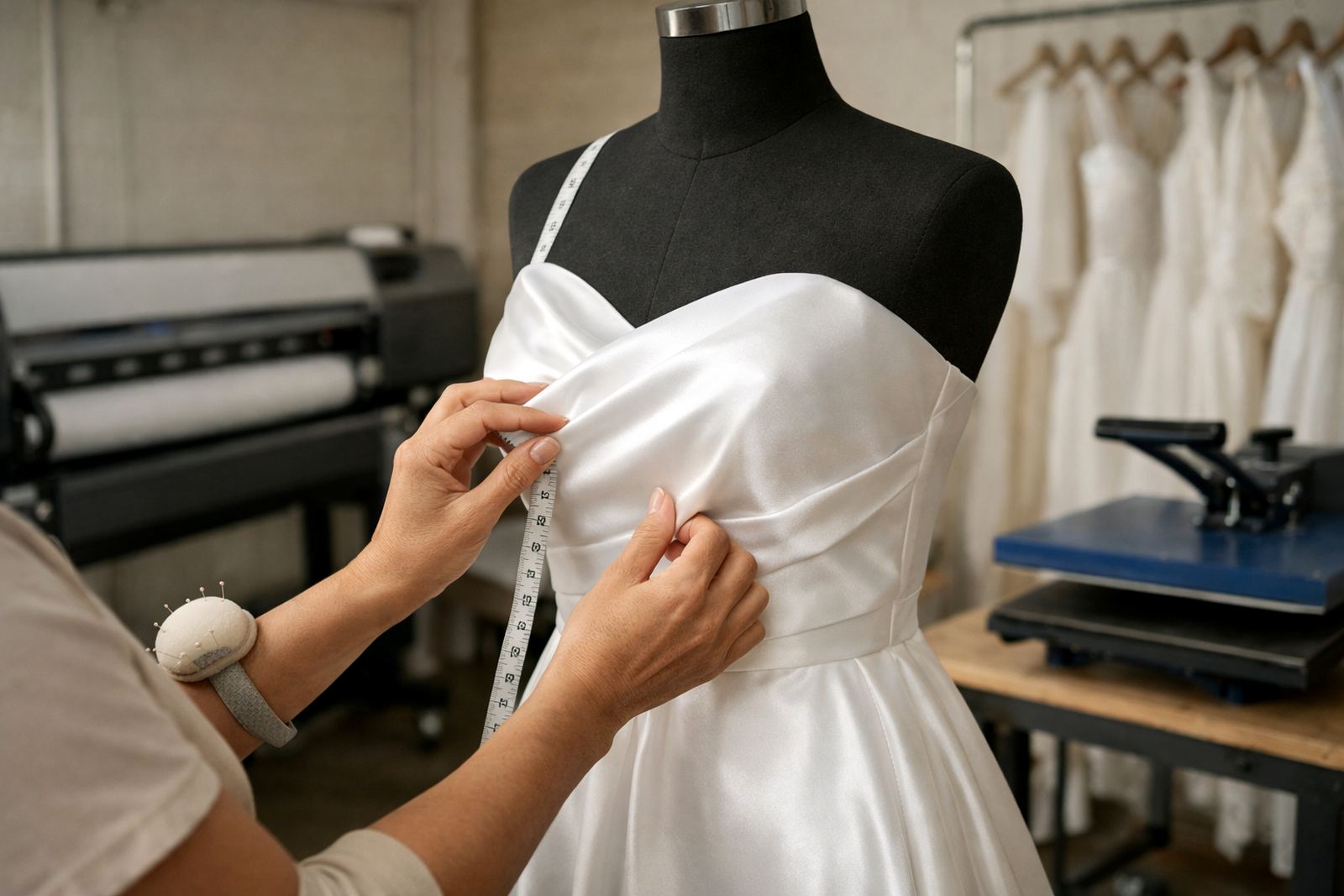
The client was a bridal studio in Centurion that makes made-to-order robes, lining panels and small event textile runs for weddings and private functions. Their work needed soft hand-feel, accurate repeat patterns and dependable colour from one batch to the next, because a robe set for a bridal party has to match across sizes and reorders.
The brief was straightforward but strict. They wanted a direct-to-fabric solution that could handle fine floral artwork, names and dates, and small production runs without wasting cloth or ink. They also needed a setup that would suit a compact working area, with enough room for cutting, printing and finishing without crowding the sewing team.
The studio had been outsourcing parts of the print work and that caused delays, extra transport costs and too much back-and-forth on colour samples. They asked for a practical system that their in-house team could learn quickly, even during busy wedding season. In Centurion that matters, because once a weekend booking lands, there is very little time for reprints.
What the brief had to solve
The main challenge was balancing detail with fabric handling. Bridal textiles are not the same as standard promotional fabrics. Some robe fabrics are light and slippery, linings can shift during feeding, and personalised pieces need crisp text at small sizes. The studio also needed to keep waste down because their runs are often 5 to 25 metres at a time, not bulk factory orders.
- Print quality had to stay sharp on light robe fabric and lined textiles
- Colours had to remain consistent for repeat orders and mixed batches
- The team needed simple operator steps for daily use and clean-down
- The equipment had to fit a small production room in Centurion
- Training had to be practical, not theoretical
Another factor was South African operating conditions. Load-shedding planning was part of the discussion from the first meeting, along with dust control, ink storage and a sensible maintenance routine. For bridal work, even a small nozzle issue can show up on a satin ribbon or inside lining, so the client wanted a machine plan that would not leave them guessing.
What we supplied and set up
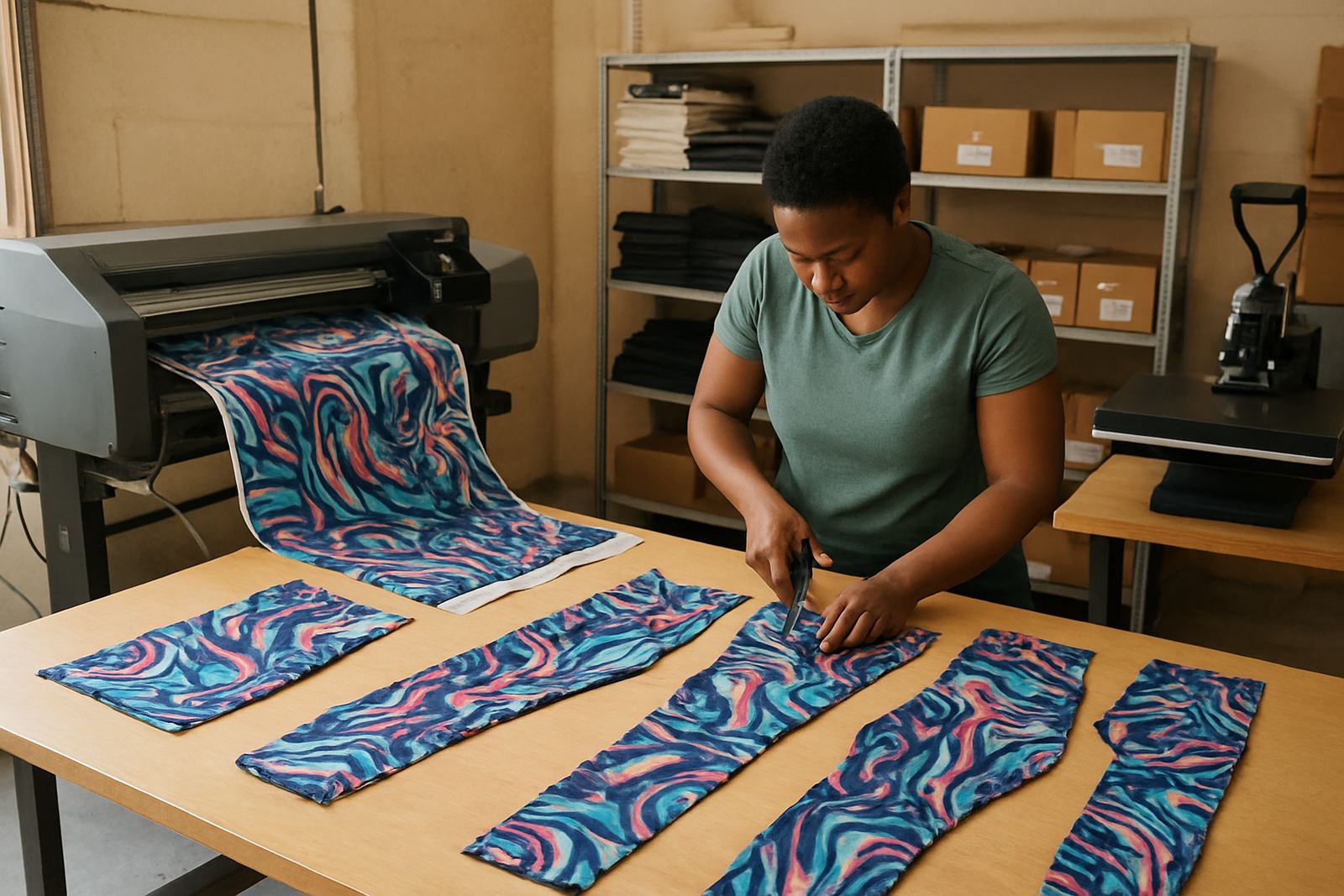
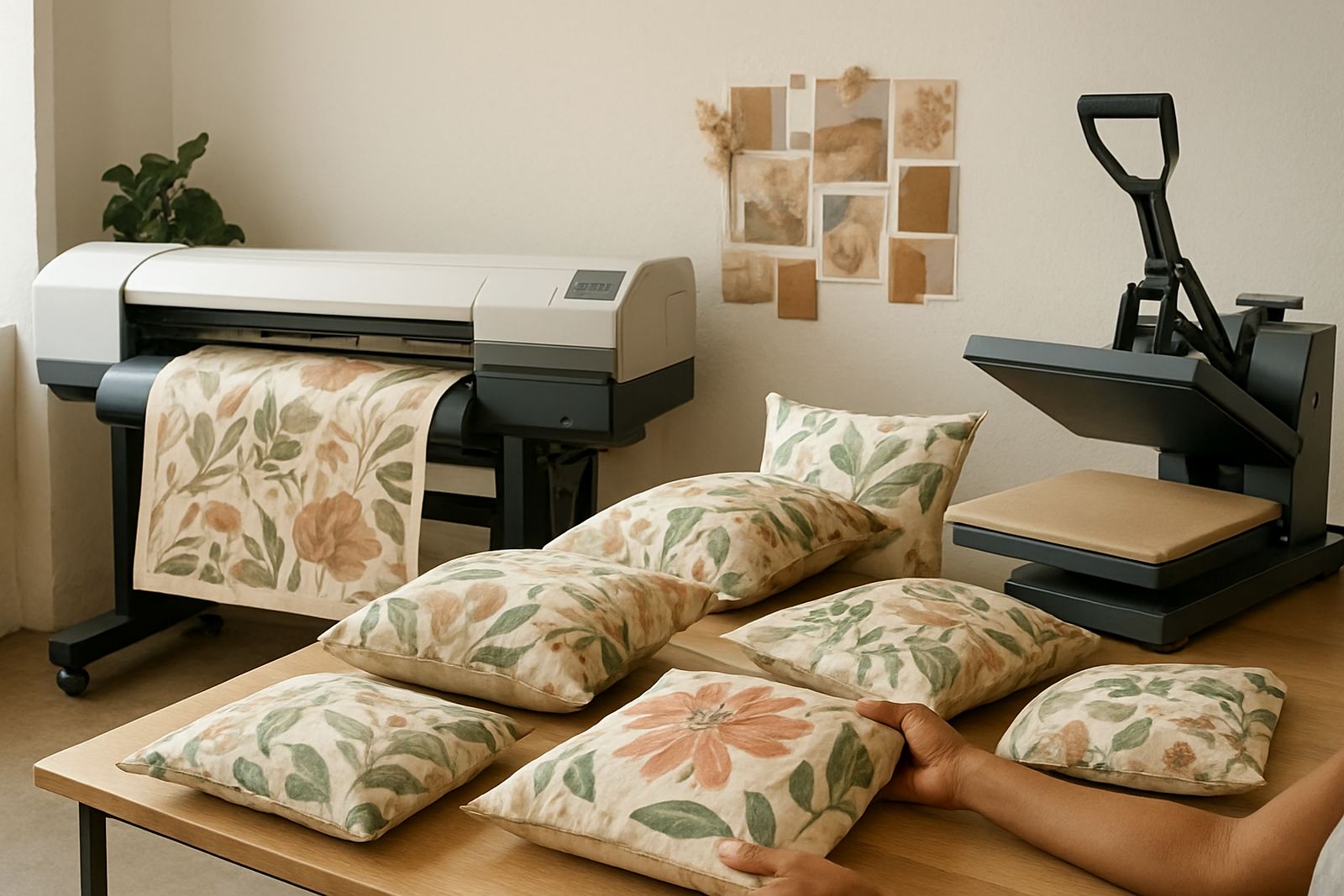
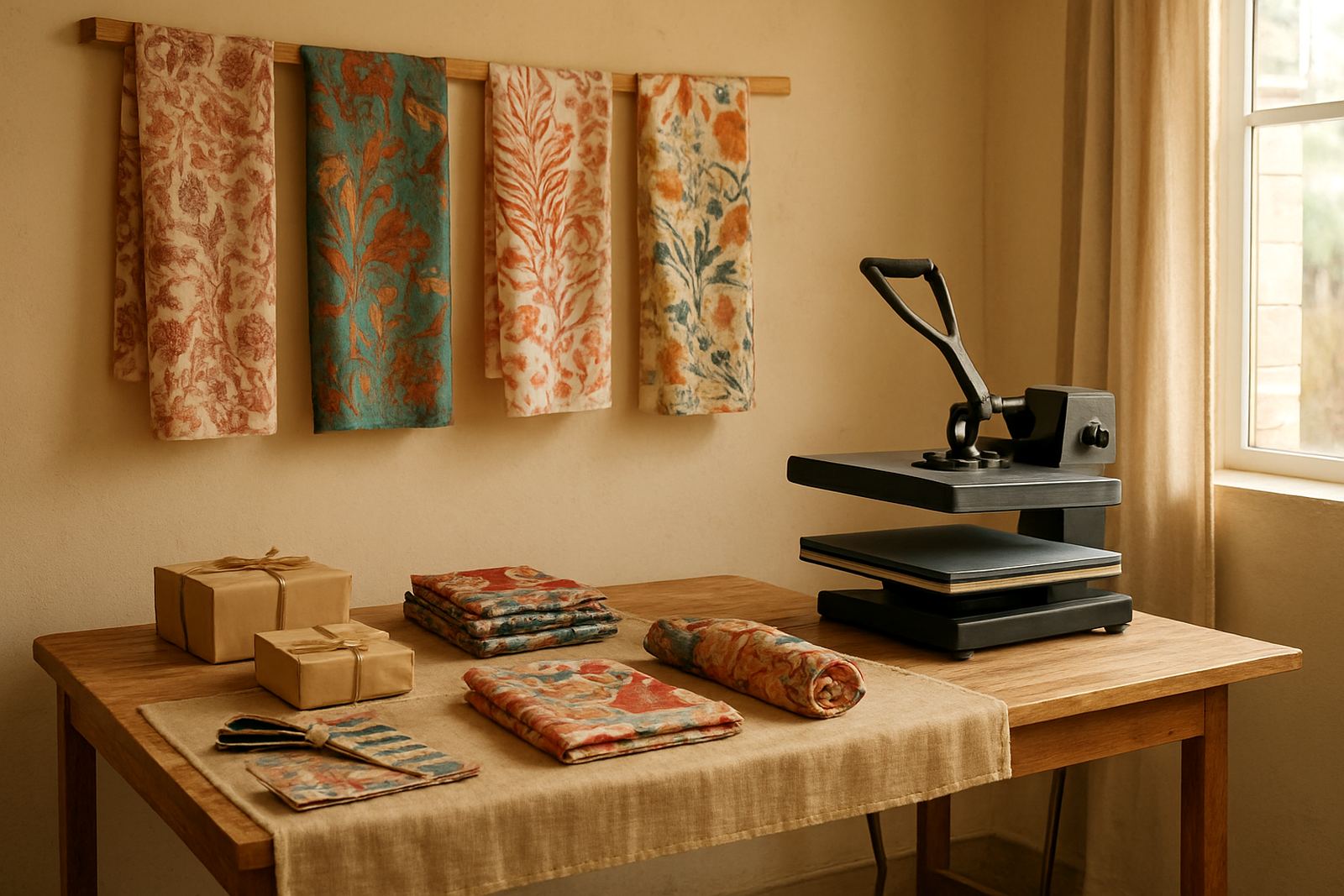
We supplied a direct-to-fabric inkjet printer suited to small garment and textile production, together with a heat press for finishing and transfer support where required. The print setup was matched with fabric-friendly inks, media guidance and a start-up workflow for the studio team. We also assisted with operator training, colour profiling and basic production planning so the client could move from sample approval to final output with less delay.
The installation included machine positioning, power checks, first-run testing and a practical handover on cleaning, flushing and daily checks. Johan handled the installation, while Megan guided the ink and media choices for the fabrics they use most often. Ayesha led training on sample setting, print ordering and how to prepare files for personalisation without losing fine detail. It was all kept simple and repeatable, which is what a small studio needs.
- Direct-to-fabric inkjet printer for small runs and custom work
- Heat press for finishing and controlled application tasks
- Ink selection matched to robe fabrics and lining material
- On-site operator training for daily production use
- Colour profiling for more stable batch-to-batch output
Timeline from first call to first production run
The project moved from initial assessment to live production in three weeks. Week one covered the brief, fabric samples and room planning. Week two was installation, testing and the first colour checks. Week three focused on operator confidence, repeat printing and final tuning for their most common bridal designs.
That pace suited the studio because they could keep working while the new process was introduced. We did not push them to change everything at once. Instead, the first production run was built around a few high-turnover items: robe fabric, lining panels and one personalised event textile range. That made it easier to prove the setup before expanding into more designs.
The studio also asked for advice on maintenance between busy periods. We showed them how to shut the system down properly over a long weekend, what to check after a public holiday and how to prevent ink settling during quiet spells. Small things, but they protect output and help avoid unnecessary call-outs.
The results on robe fabric and lining work
Once the team had settled into the new workflow, they were able to print their own short runs with better control over timing and finish. The biggest gain was speed. Sample approval became faster because changes could be made in-house instead of waiting on outside suppliers. That meant fewer delays when a bride requested a name change or a last-minute colour adjustment.
Colour consistency improved too. The studio now has a repeatable process for matching floral prints, monograms and soft neutral tones across different fabrics. For bridal work, that matters more than people think. A cream robe that prints slightly warm on one batch and slightly cool on the next can affect the whole presentation, especially in photographs.
- Shorter turnaround on custom robe and lining orders
- Less waste from repeated test runs and courier delays
- Better control over small text, dates and initials
- More in-house flexibility during peak wedding weeks
The client also appreciated that the setup was practical for their space. It did not require a large factory floor or a complicated production line. They could keep the print area close to the sewing section and finish garments in a normal working rhythm, which suits a Centurion studio serving brides, wedding planners and event clients.
What we would do again for a similar studio
If we were doing the same kind of project again, we would follow the same order. Start with the fabrics first, then set the print workflow around the actual orders the studio handles every week. Bridal print work needs careful sample testing because robe fabric, linings and decorative textiles all behave differently. One setup does not fit every cloth.
We would also keep the training very hands-on. A bridal studio does not need a long manual on day one. It needs clear steps, a quick way to check quality and someone they can call when a print looks off. The best result comes from matching the machine, the ink and the team to the real job, not the other way around.
For Centurion clients in particular, we would continue planning around power interruptions, seasonal demand and weekend pressure. Bridal work often peaks when other businesses are quiet, so the production plan has to be ready for late changes. That was the key lesson from this project: keep the process simple, keep the colour stable and keep the studio in control.
Support after handover
After the handover, the client could reach us through the enquiry form on our contact page whenever they needed help with setup questions, servicing or print consistency. For this project, the support plan covered remote troubleshooting, preventive servicing and guidance on ink system care, all of which helps when a studio is balancing fittings, alterations and event deadlines.
The result was a practical print area built for bridal use rather than general textile work. It gave the studio a way to produce robe fabrics, linings and personalised event textiles with more certainty, and it allowed their team to keep the work close to home in Centurion instead of sending jobs out and waiting on someone else’s schedule.
Key facts
| Client type | Bridal studio in Centurion |
|---|---|
| Project focus | Robe fabrics, linings and personalised event textiles |
| Timeline | 3 weeks from assessment to first production run |
| Core supply | Direct-to-fabric inkjet printer, heat press, inks |
| Training | Operator training, colour profiling and daily maintenance |
| Support area | Centurion and wider Gauteng |
| Typical run size | 5 to 25 metres per job |
| Key result | Faster turnaround and better colour control |