
Start with a clean intake process for every order
The first win is simple: treat every enquiry the same way, even if the order is small. Capture the fabric type, finished size, colour count, quantity, due date, delivery suburb, and whether the client wants print only or print plus heat pressing. If a job lands from Sandton, Germiston or Pretoria East, the details must be written down before anyone touches media or ink.
Small orders often go wrong because the brief lives in a voice note, a WhatsApp message and half a conversation at the gate. Put one person in charge of intake and make sure that person asks the same questions every time. That saves rework when the client changes artwork after approval or sends a new pantone reference after the first proof has already been prepared.
- Confirm artwork format and final dimensions before production starts.
- Ask whether the job is for garments, soft signage, home textiles or sampling.
- Record the delivery or collection window, especially when load-shedding may affect handover times.
- Check whether the customer needs a single repeat order or a series of short runs over the month.
Batch jobs by substrate, not by arrival time
When low-volume jobs arrive one after another, it is tempting to print them in the order received. That usually causes more head changes, more colour checks, and more downtime. A better method is to batch by fabric type, ink set, finishing requirement and machine readiness. If three jobs all use polyester blends, print those together. If a set of cotton samples needs heat pressing, group them into one finishing block.
This approach is especially useful in Gauteng where a workshop may handle same-day pickups from Midrand, Boksburg and Johannesburg CBD in one afternoon. By reducing changeovers, you keep the machine running longer and waste less media. You also make it easier to plan around municipal power interruptions and protect a job that must leave before the next outage.
- Group similar widths together to reduce trimming time.
- Run colour-critical jobs in one block so profiling stays consistent.
- Keep a separate lane for urgent samples that must not wait behind bulk work.
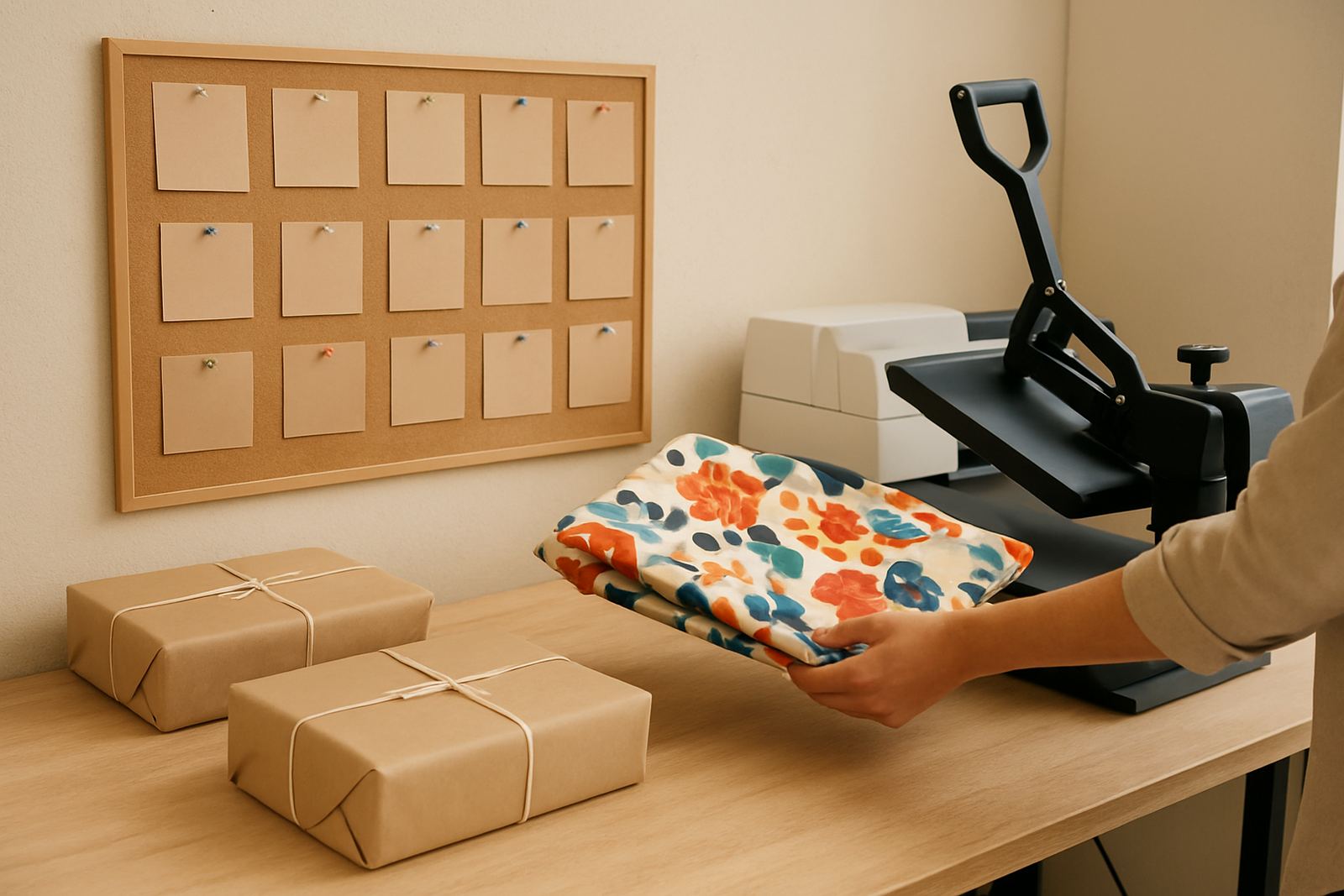
- Use a visible board or ticket system so the team knows which batch is next.
Set pricing that rewards speed without hiding the real cost
Many small businesses undercharge on low-volume work because the metre count looks small. But a 6 metre order can take almost as much admin as a 30 metre order. Your price should reflect setup time, proofing, ink usage, machine calibration, pressing, cutting, packaging and follow-up. If a client wants two different sizes in the same order, quote each setup separately instead of folding all the labour into one vague figure.
A practical method is to build your quote from fixed steps. First the intake and file check, then the print run, then finishing, then any courier or local delivery. That keeps the numbers clear for the customer and it helps your team explain why a quick turnaround carries a higher fee. It also protects you when a client in Durban or Cape Town asks for reprints after approving the first sample late in the day.
Do not make the mistake of pricing only on metres. Small jobs are won on speed and service, but they stay profitable only when every step is accounted for.
Use proofing to prevent repeat mistakes
Proofing is where small runs either stay profitable or turn into a headache. A simple colour test, an approved sample panel, or a short print strip can save hours later. For repeat customers, keep a record of the approved settings and the media used, so the next run starts from a known point instead of from scratch.
In South Africa, coastal humidity can affect drying and storage, while inland dust can affect heads and media handling. That means your proofing process should include both visual approval and production notes. If a sample looked good on one morning but shifted slightly after a hot afternoon in Germiston, record that detail. The next batch will be easier to manage when the team knows what changed.
- Approve artwork, size and placement before the main run.
- Keep a sample library by client name, substrate and date.
- Note any colour adjustments made for darker fabrics or textured surfaces.
- Store approved settings so repeat jobs can be recieved and produced faster.
Protect machine time with planned maintenance and clean changeovers
Small run work puts pressure on machines because they switch between jobs more often. That makes cleaning and routine checks essential. A blocked nozzle, dirty ink line or tired heat press plate can turn a quick order into a missed deadline. The best workshops do short daily checks, then schedule preventive servicing before the machine starts showing problems.
Keep cleaning tools close to the production area and assign clear responsibility. If one operator handles print starts while another manages finishing, both must know when to stop and report an issue. During a power cut or a brief voltage dip, park the machine properly and do not rush back into production until the print path has been checked. A few minutes spent here can save a printhead and a whole day’s output.
For businesses in Wadeville, Boksburg or Midrand that carry several short jobs at once, this discipline matters even more. The less time you lose to avoidable stoppages, the easier it is to keep each order moving on schedule.
Keep customers informed from quote to collection
Low-volume work often comes from small brands, boutique clothing labels and promotional teams that need updates they can trust. If you tell a customer the order is in print, then in finishing, then ready for collection, they relax and stop chasing. That saves your admin team time and it builds repeat business.
Use plain progress stages rather than vague promises. For example: file received, quote sent, proof approved, print started, finishing underway, ready for dispatch. This works well whether the client is in Pretoria, Bloemfontein or a retail area in Johannesburg. It also helps when there is a delay because of municipal load-shedding or a late artwork correction. A customer who knows what changed is usually far easier to manage than one left guessing.
- Send one clear update at each stage, not five mixed messages.
- Keep collection times realistic when multiple short jobs are due on the same day.
- Ask for sign-off before printing if the artwork has changed.
- Record what was delivered, by whom and when, so there is a clean audit trail.
When your workflow is tight, small run orders stop feeling like interruptions and start behaving like a reliable part of turnover. That is the difference between staying busy and staying profitable.