
Choose a print model that fits small South African orders
The first decision is not which machine to buy, but what kind of jobs you want to sell. Most new fabric print businesses in South Africa start with short runs for school events, boutique labels, promotional clothing, craft sellers and home décor makers. That is where direct-to-fabric printing makes sense because customers often want smaller quantities, fast turnarounds and specific colours.
Think about your target client before you spend on equipment. A business serving fashion students in Johannesburg will need a different setup from one printing cushion covers for shops in Cape Town or branded table runners for events in Durban. If you know your market, you can choose the right width, speed and finishing workflow from day one.
- Pick one or two product types first, such as scarves, T-shirts, dresses or décor fabric.
- Work out whether you will print for your own brand, for other designers, or both.
- Check what your clients need most: short runs, sampling, repeat orders or colour matching.
- Ask whether your area has enough garment makers, start-ups and small retailers to keep the machine busy.
Set up the right room before the first print run
A good print room saves time, ink and fabric. In Wadeville, Germiston or anywhere near an industrial area, dust control matters because fine dust can affect printheads and finished cloth. You also need a space with stable power, decent ventilation and enough room to move rolls, printed fabric and heat pressing equipment without crowding the floor.
If you are in a shared factory or home workshop, plan for clean storage, a flat work surface and a safe drying area. Load-shedding is part of business planning, so budget for backup power or a schedule that lets you finish urgent jobs before outages. Coastal businesses in Durban and Cape Town should also think about humidity, because moisture can affect drying and storage if the room is not managed properly.
- Keep printed rolls off the floor and away from open windows.
- Allow space for cutting, pressing, curing and packing.
- Use surge protection and a power plan for outages.
- Store inks and media in a cool dry place, not next to heaters or direct sun.
Work out your costs before you quote a single metre
Many new operators underquote because they only count fabric and ink. In reality, your price must cover machine time, labour, electricity, wastage, maintenance and the cost of keeping spare parts on hand. If you ignore those items, a busy month can still leave you short of cash.
A simple costing sheet helps. Record your price per metre, the average ink use for each fabric type, the time taken for setup and cleanup, and the amount of wastage when colour matching or testing new media. Add a margin for servicing and repairs. That way you can quote with confidence whether the order is 10 metres or 200 metres.
- Include setup, print, pressing and finishing time in every quote.
- Add a small allowance for failed test strips and rejected metres.
- Separate your business costs from personal spending.
- Review your prices every few months as electricity and consumables change.
Train your operator properly from the start
The machine is only as good as the person running it. A new business often loses money through poor loading, wrong heat settings, dirty heads or bad colour files. Good training shortens the learning curve and reduces wasted fabric, which is especially important when you are starting out with limited stock and limited cash.
In practice, training should cover how to load media, check head condition, read nozzle tests, manage profiles and handle cleaning cycles. It should also include what to do during a power interruption and how to restart safely after load-shedding. If more than one person will operate the equipment, make sure everyone follows the same checklist so the quality stays consistent.
- Use a written daily start-up and shut-down routine.
- Keep a log of print settings for each fabric type.
- Teach basic troubleshooting before advanced repairs.
- Show staff how to handle inks, media and printed stock safely.
Start with samples and colour control, not full production
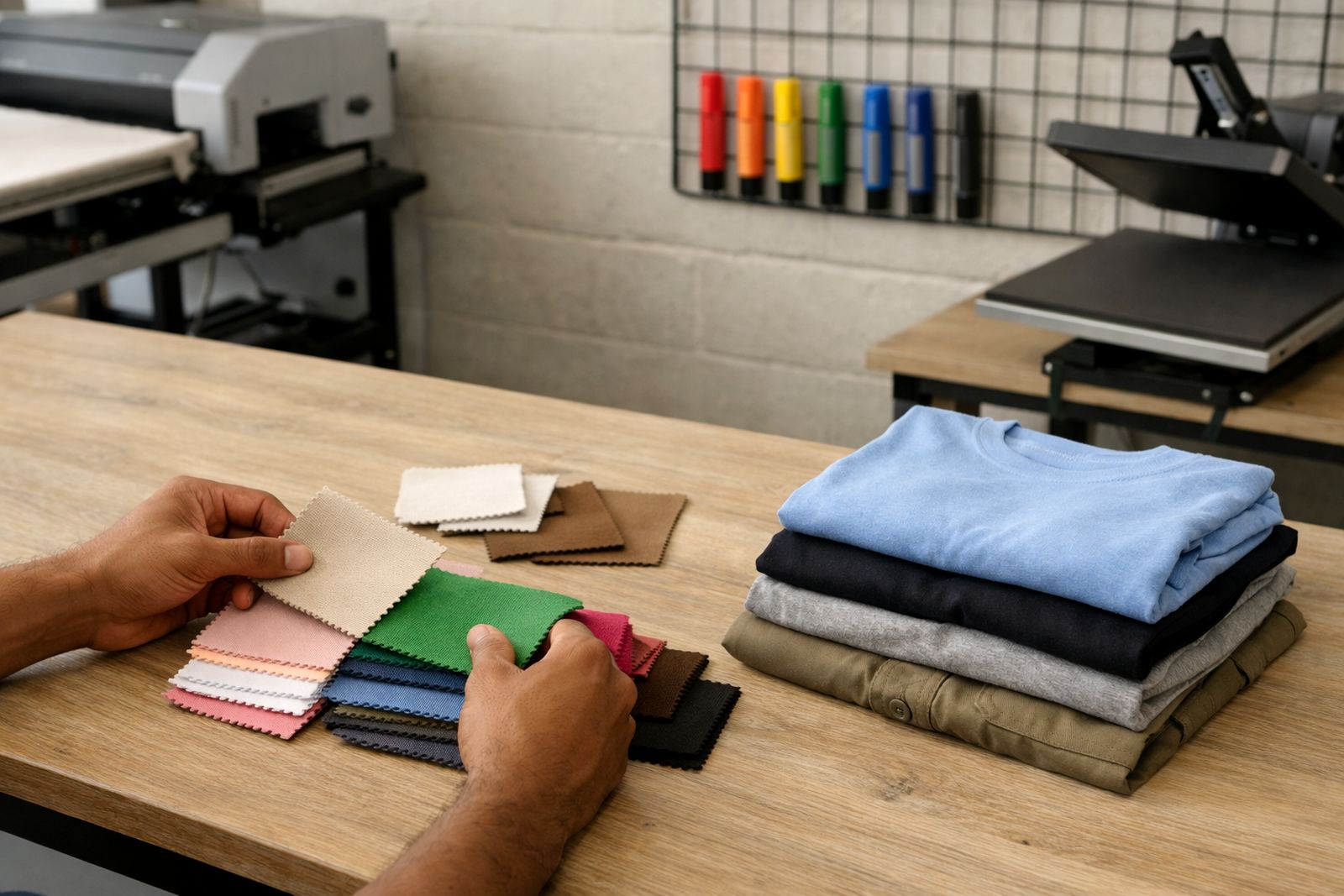
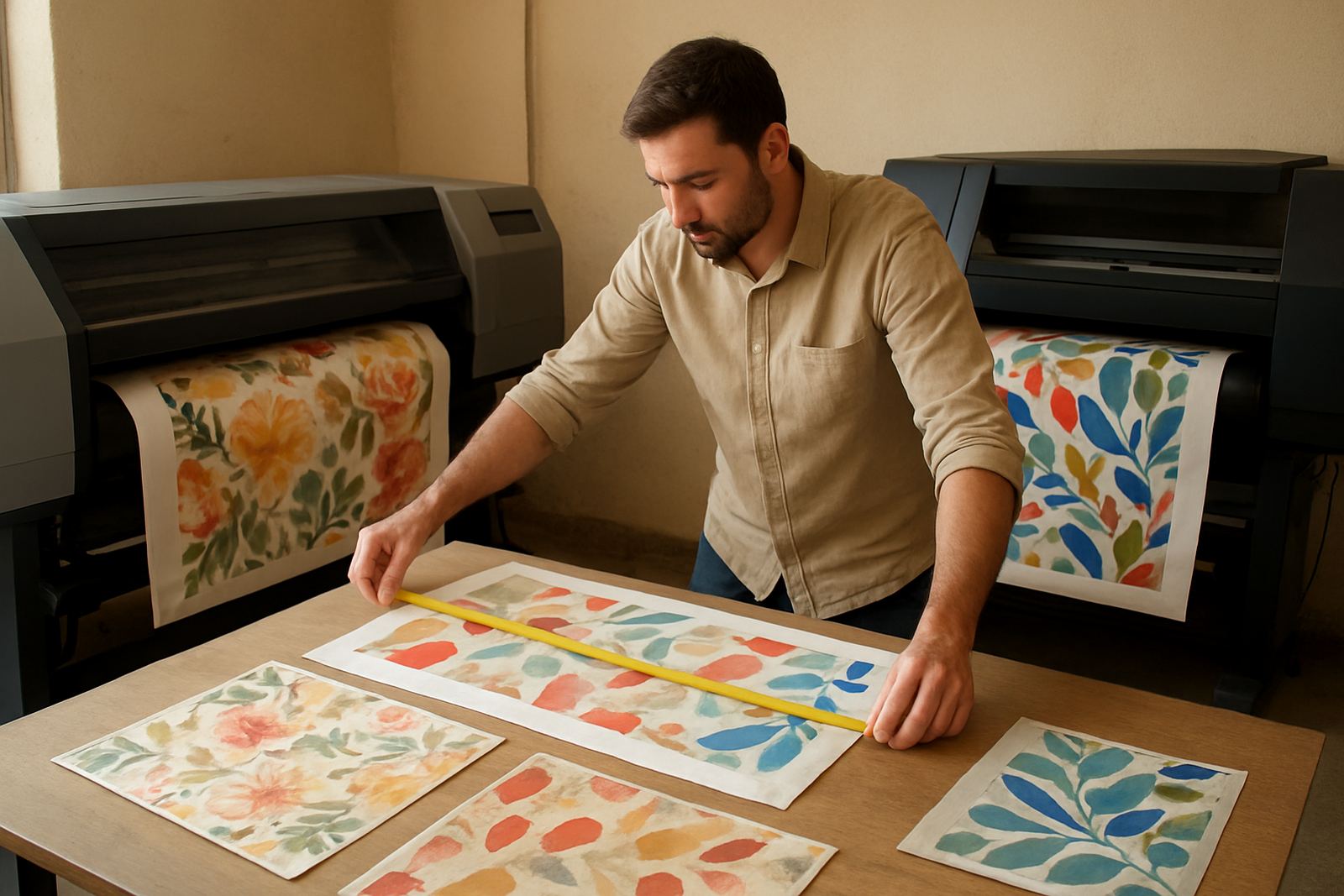
Before you take a large customer order, print samples on the fabrics you plan to sell. Different cloths absorb ink differently, so the same artwork can look flat on one textile and bright on another. This is where colour profiling matters. It helps you match what the client approved on screen with what comes off the printer.
A small trial run also lets you check stretch, wash durability and how the fabric behaves after pressing or finishing. If you are serving designers in Pretoria or boutiques in Midrand, sample approval can save you from costly reprints. In many cases, the first sale is not the full order, it is the proof sample that earns trust.
- Print a sample on every new fabric roll before production.
- Keep a reference swatch file for repeat customers.
- Check colours under daylight and indoor light.
- Test wash and handling before promising large runs.
Plan for servicing so your business does not stop mid-order
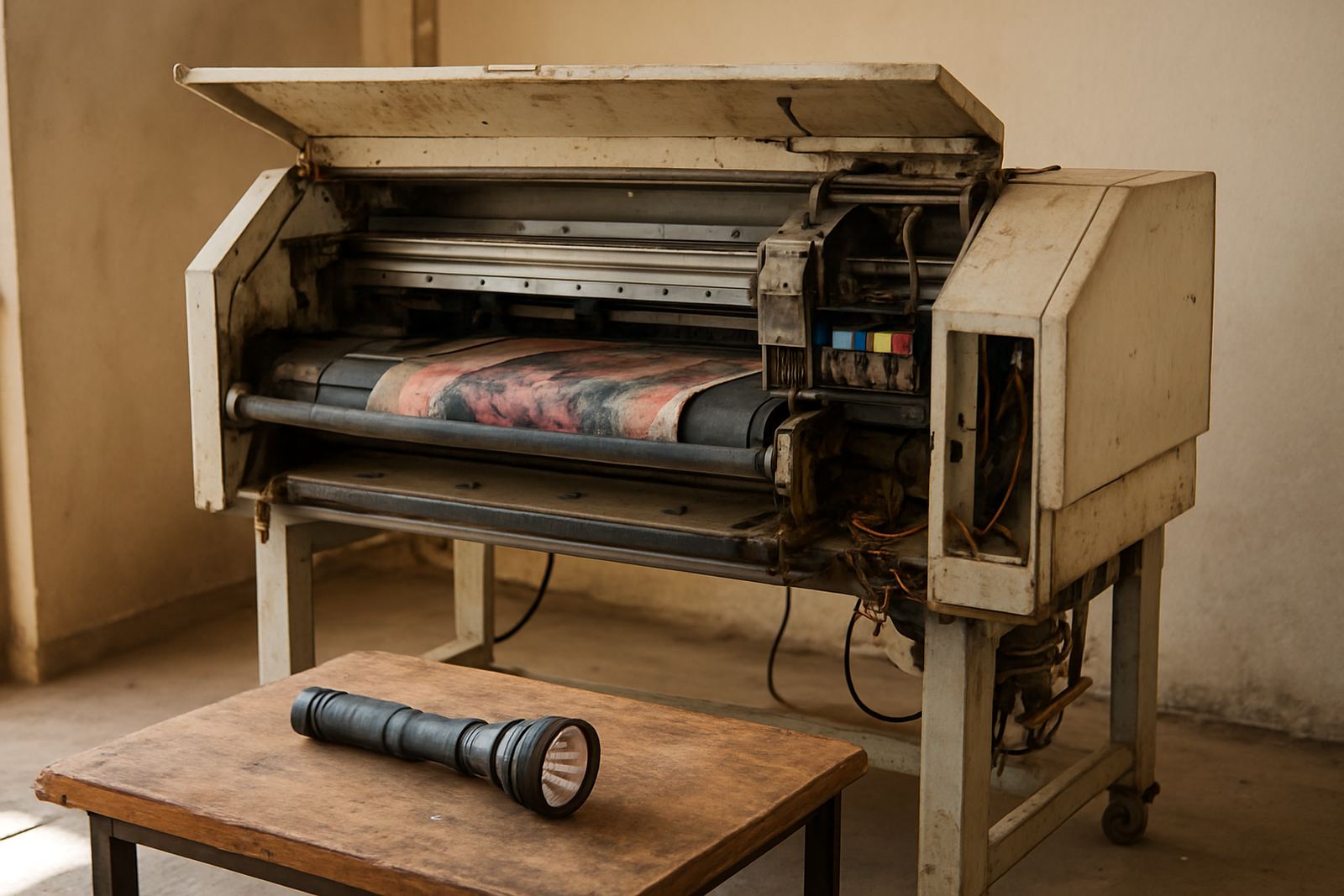
Small print businesses often work on tight deadlines, so even one day of downtime can cause missed deliveries and unhappy clients. Preventive servicing is cheaper than emergency repairs, especially when printheads need cleaning or ink systems need flushing after a long idle period. If your business is in Germiston, Boksburg or the eastern side of Johannesburg, fast support can make the difference between finishing a job and losing it.
Keep a maintenance calendar, replace worn parts before they fail and do not wait until the print quality drops badly. It also helps to have a basic spare parts plan for items that regularly wear out. For smaller firms, a maintenance contract can be a practical way to control costs and avoid surprise stoppages.
- Book routine checks even when the machine seems fine.
- Keep spare consumables and common wear parts in stock.
- Log every fault, repair and cleaning cycle.
- Arrange remote help quickly when the issue is simple and time matters.
Use a local example to shape your launch plan
Imagine a new textile entrepreneur in Alberton who wants to print branded fabric for school events, local designers and a few online sellers. Instead of buying too much stock at once, the owner starts with a manageable setup, tests two fabric types, learns the colour workflow and builds a sample book for clients in Johannesburg, Pretoria and surrounding towns. That business can then grow by adding heat pressing, larger runs and better finishing as orders increase.
This is the safer route for most start-ups. Begin with a clear product focus, keep your overheads low, and make sure your equipment matches the type of work you will actually sell. With the right training, pricing and servicing plan, a small fabric print business can grow steadily without taking on unnecessary risk.
For practical support in installation, training, colour profiling, servicing and repairs, work with a team that understands small South African production floors and the realities of load-shedding, busy seasons and local delivery schedules.