

Map the busy months before orders start coming in
Seasonal demand planning starts with last year’s numbers. Look at when orders arrived, what sold fastest, which sizes moved, and how long each job took from quote to collection. Many South African textile businesses see pressure build in July and August for school items, then again in November and early December for gifts, teamwear and year end events. If you serve retailers, schools or sports clubs in Johannesburg, Pretoria, Durban, Cape Town or Bloemfontein, build a simple calendar around those peaks instead of reacting at the last minute.
A practical forecast should include not only sales, but production time, wastage and rework. If a run of printed garments usually takes two days, plan for three when the order lands just before a long weekend or when load-shedding is worse than expected. The same goes for coastal humidity in Durban and Cape Town, where storage and drying times can shift a little. Small timing changes make a big difference when you are trying to keep promises and protect margin.
Keep more of the right consumables on hand
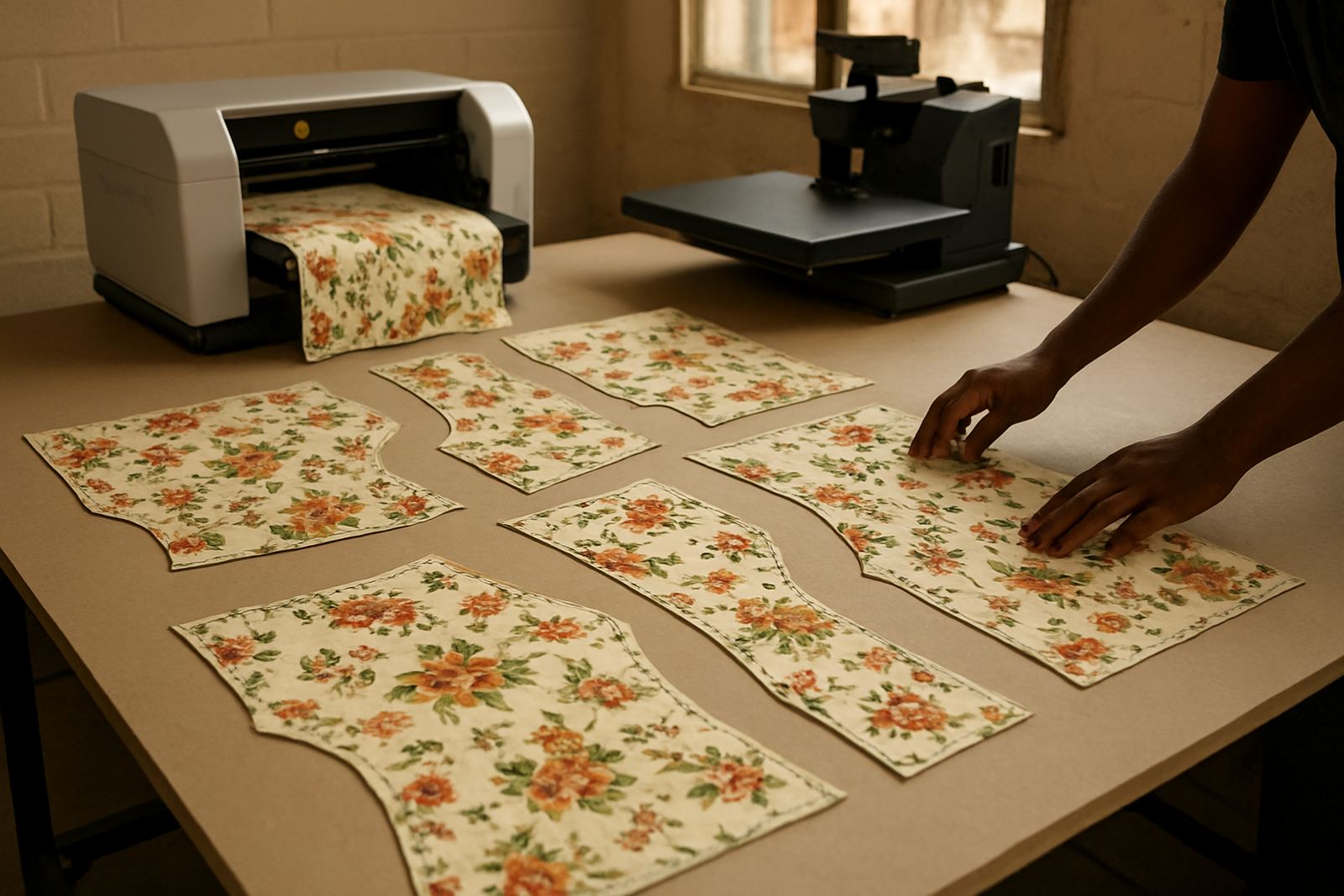
Seasonal stock planning is not about filling the store room with everything. It is about holding the items that stop production when they run out. For direct-to-fabric printing, that usually means inks, print media, pretreatment where needed, cleaning solution and enough spare parts for routine wear. Heat presses also need working elements, covers and basic service items ready before peak trading.
Use a minimum stock level for each consumable, then set a reorder point based on lead time and your busiest period. If a supplier delivery normally takes a few days but December orders spike, raise your buffer in November. Keep records for each substrate and ink type so you know what sells by season, not just by month.
- Check ink usage weekly during school and festive peaks.
- Hold extra media for repeat sizes and popular colourways.
- Keep cleaning supplies and replacement parts separate from general stock.
- Store sensitive items in a dry, shaded area to avoid damage from heat and coastal moisture.
Build staffing around peaks not around hope
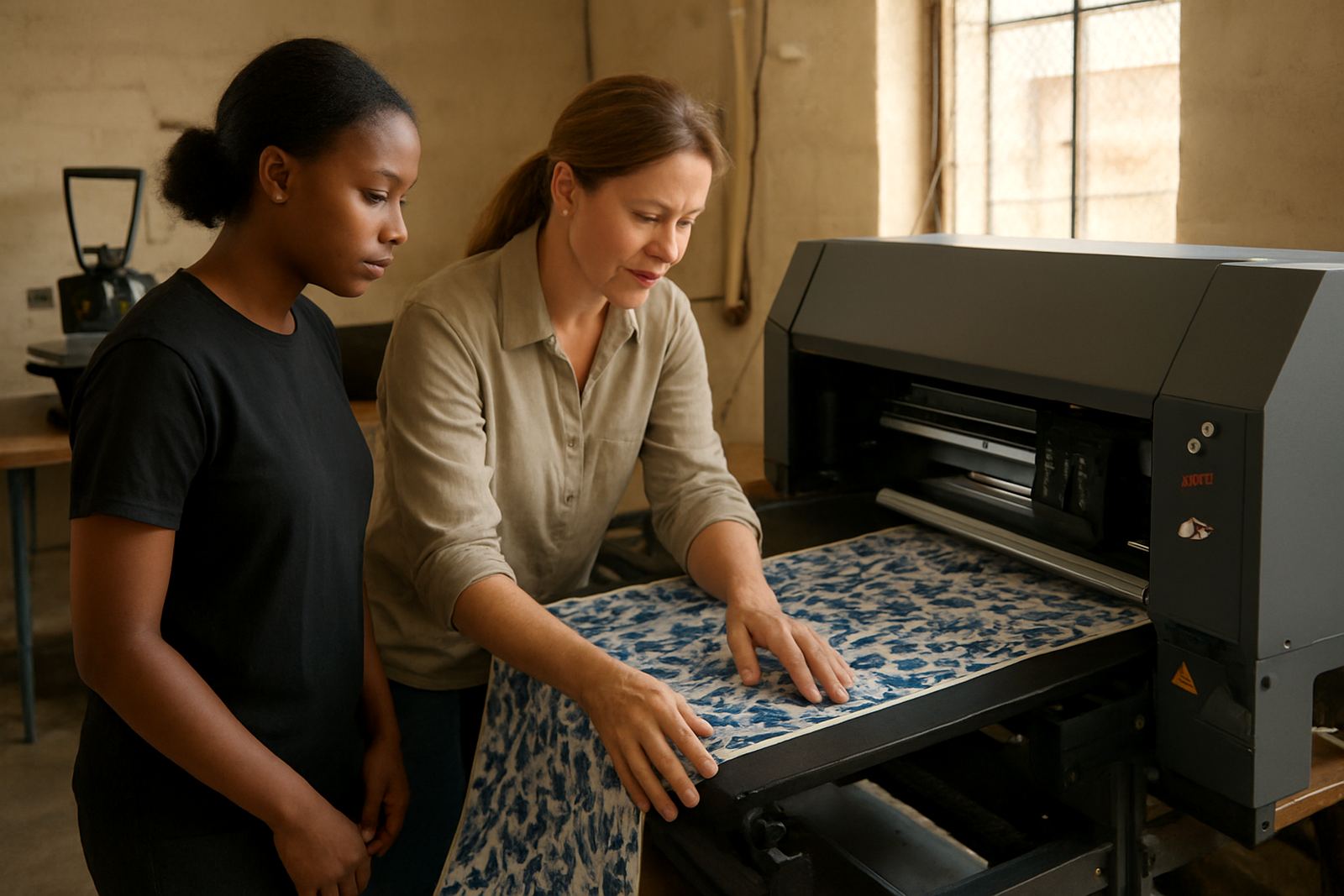
Peak season needs a staffing plan, not just longer hours. If one person can run the printer but another handles finishing, packing and customer updates, you can split the pressure instead of slowing the whole floor. In smaller shops, the same person often does several jobs, so it helps to map who can cover what when a sick day or school holiday knocks the team off balance. That matters in Germiston and the wider Johannesburg area where many businesses run on tight turnarounds and limited floor space.
Use the months before peak season to retrain the team on setup, colour checks and machine care. A short refresh can reduce errors when orders pile up. It also helps to plan overtime around actual demand, not guesswork, so you do not carry unnecessary labour cost through quiet weeks.
- Assign one person to stock checks and one to production tracking.
- Train a backup operator for each key machine.
- Schedule admin time for quotes and follow up before the rush starts.
- Use a daily handover sheet so nothing gets lost between shifts.
Protect print quality when orders come in faster
When the queue gets longer, quality control is usually the first thing to slip. That is where small errors become expensive. Colour shifts, blocked nozzles, uneven heat transfer and rushed curing can waste both material and labour. If you handle custom school wear, event merch or boutique runs, build a short checklist into every shift so the team checks the same points every time.
Preventive servicing is worth more during peak demand than after a breakdown. A well kept machine prints more consistently, uses less ink and gives fewer surprises on Friday afternoon when a client wants collection before the weekend. If a unit starts behaving strangely, do not wait for it to fail completely. Remote troubleshooting, printhead cleaning, ink system flushing and quick repair work can often save a busy production week.
- Run nozzle checks at the start of each shift.
- Keep colour profiles matched to your most used fabrics.
- Clean heat press surfaces before every production batch.
- Review rejected prints daily and note the cause.
Use local events and school calendars to shape your plan
Seasonal demand in South Africa is often driven by local events, school terms and community activity. School sports days, matric farewell season, church events, expos and holiday markets can all create sudden orders. A business in Midrand may get one kind of rush from corporate functions, while a shop in Boksburg might see more teamwear and club uniforms. The smart move is to track which event types bring the best margin and the least disruption.
A Cape Town client might need earlier lead times because of coastal humidity and delivery delays, while a Bloemfontein order may arrive with more time for production but a bigger size range. In Durban, event demand often rises quickly around holiday periods, so an extra buffer on stock and finishing time helps. The point is to plan by region, not only by calendar month.
A Germiston example that shows how planning pays off
One Wadeville-based garment producer had a recurring problem every August and November. School orders arrived late, the team worked back to back shifts, and the printer was pushed hard just when servicing had been skipped for weeks. Stock shortages led to urgent purchases at higher prices, and one missed collection date cost a repeat order. The fix was not complicated, but it did need discipline.
The business started by reviewing the previous year’s sales by product type, then set stock levels for the top moving inks and media. It scheduled servicing before the rush, trained a second operator on the main machine and added a simple production board for each job. By the next peak season, turnaround improved and the owner had a clearer view of cash flow. It was not magic, just better control of the basics and a bit less fire fighting.