Start with the print room rules before the first job
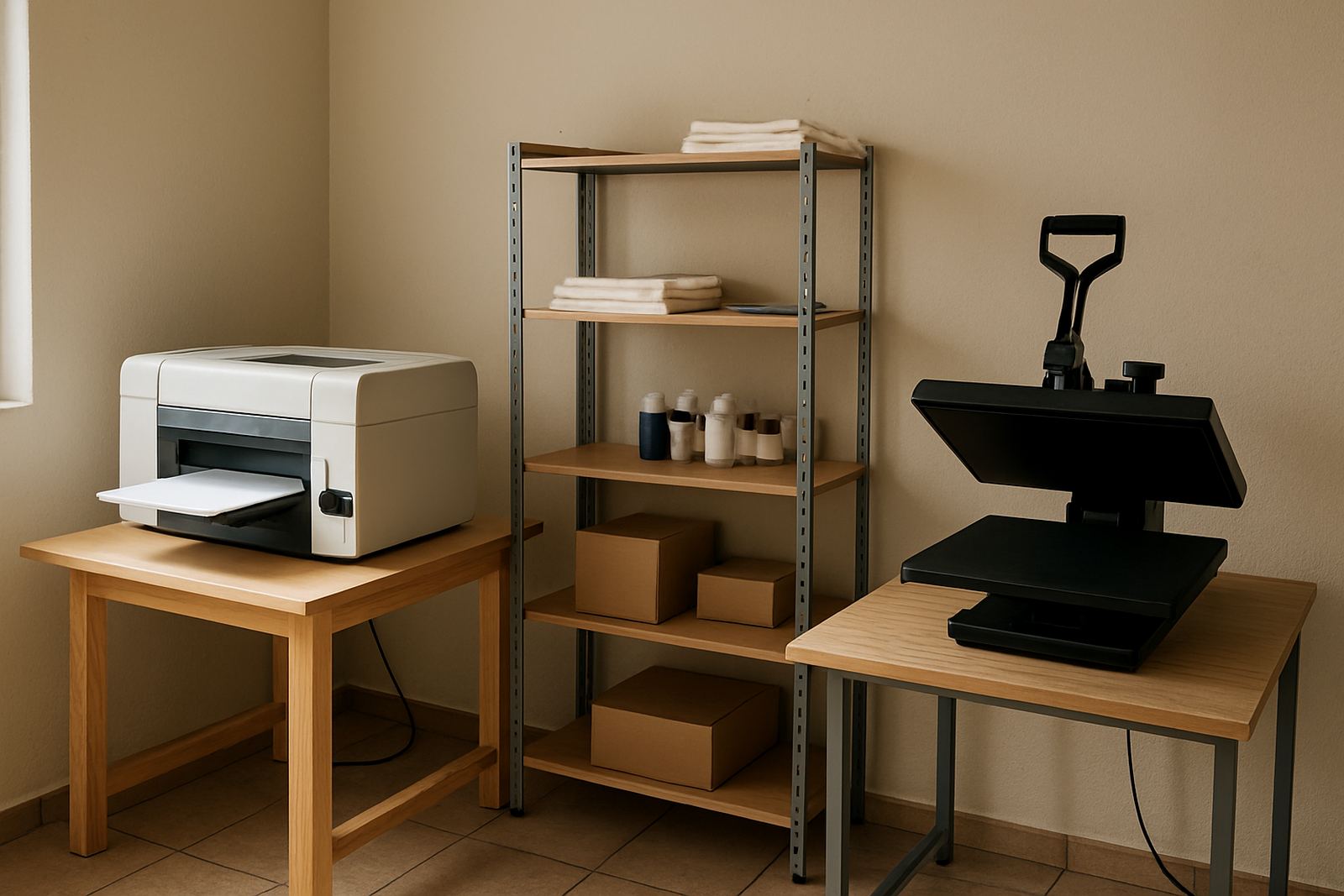
Before anyone touches a heat press or printer, walk them through the work area, the safety rules and the daily routine. In a small garment business, the first few mistakes usually come from rushing, so make sure new staff know where consumables are stored, how to handle ink, and what clean-up is expected at the end of each shift.
In Wadeville, Germiston, many workshops run close together and space is tight. That means staff need to understand traffic flow, where finished garments are placed, and how to keep powder, lint and offcuts away from print surfaces. If the team works in an area affected by load-shedding, explain the shutdown procedure as part of day one, not after a power cut has already interrupted production.
- Show the full print room layout and exit points
- Explain PPE, heat safety and ink handling
- Set out cleaning duties for start-up and shut-down
- Make power cut steps clear before production starts
Teach the job in the order it is done
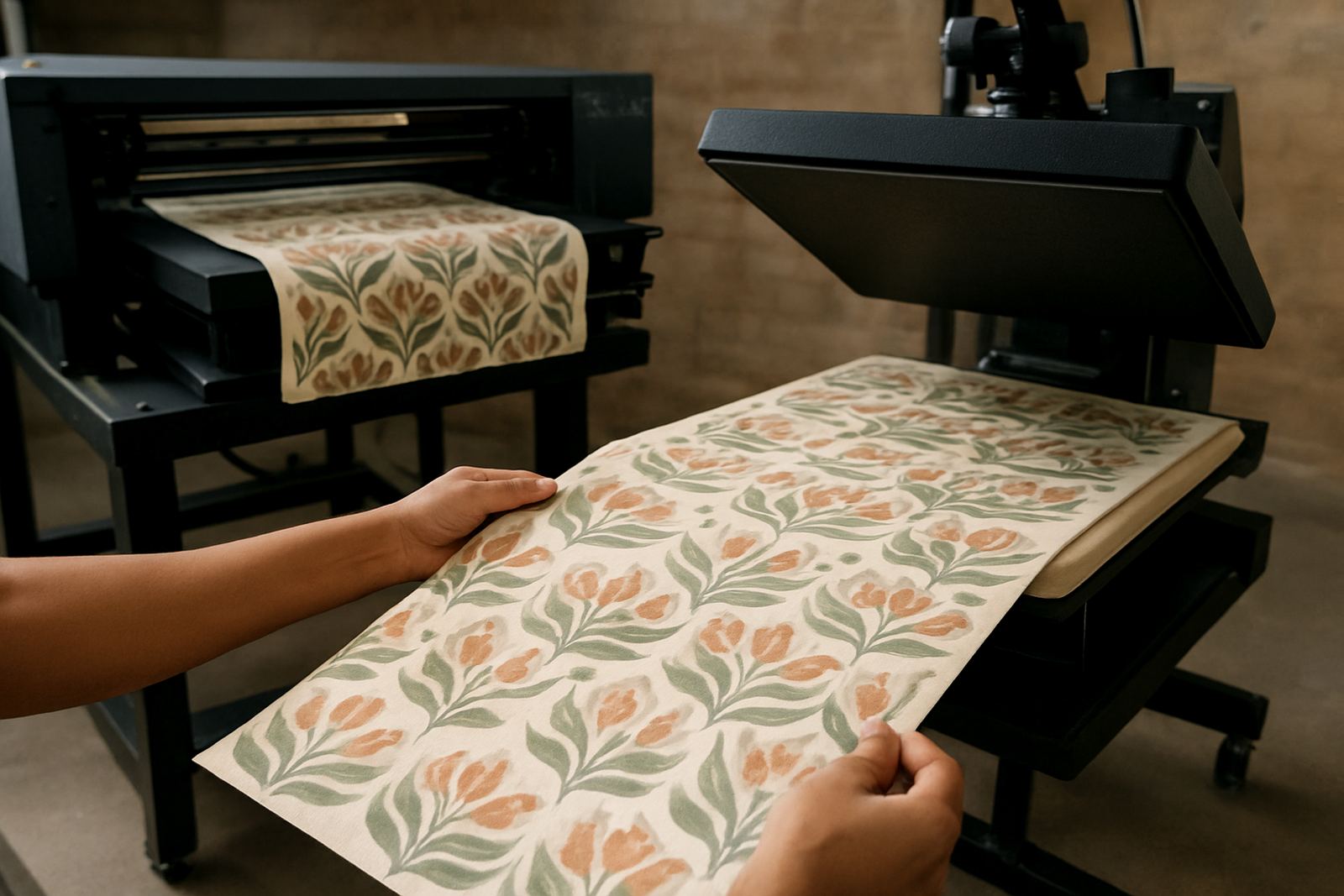
New staff learn faster when the training follows the actual production path. Start with garment checking, then file prep, then machine setup, then a test print, then heat pressing and final inspection. Do not move them straight to live orders until they can repeat each step without help.
A good trainer will explain why each action matters. For example, a shirt with excess moisture or lint may still print, but the result can look dull or patchy. If a design is not sized correctly for the garment, the press time may be right and the print still fails. The point is to build habits, not just give instructions.
- Sorting and checking garments before print
- Preparing artwork and confirming size
- Loading media and confirming printer settings
- Pressing, curing and cooling correctly
- Inspecting the finished item before packing
Use a simple skill checklist for each machine
Every printer and heat press has its own working pattern, so each new operator should be signed off on the exact equipment they will use. A short checklist is better than a long manual that nobody opens again. Keep the checklist near the machine and use it during the first few weeks.
For direct-to-fabric inkjet printers, the checklist should cover head checks, nozzle patterns, media alignment, ink levels and basic cleaning. For heat presses, it should cover pressure settings, temperature control, dwell time and safe handling of hot plates. If a person can do these tasks under supervision, they are on the right track. If they cant, they need more practice before they work alone.
- Machine start-up and shut-down steps
- Daily cleaning and wipe-down routine
- How to spot a clogged head or weak print
- How to set pressure and temperature correctly
- What to record in the shift log
Train colour control early, not after complaints start
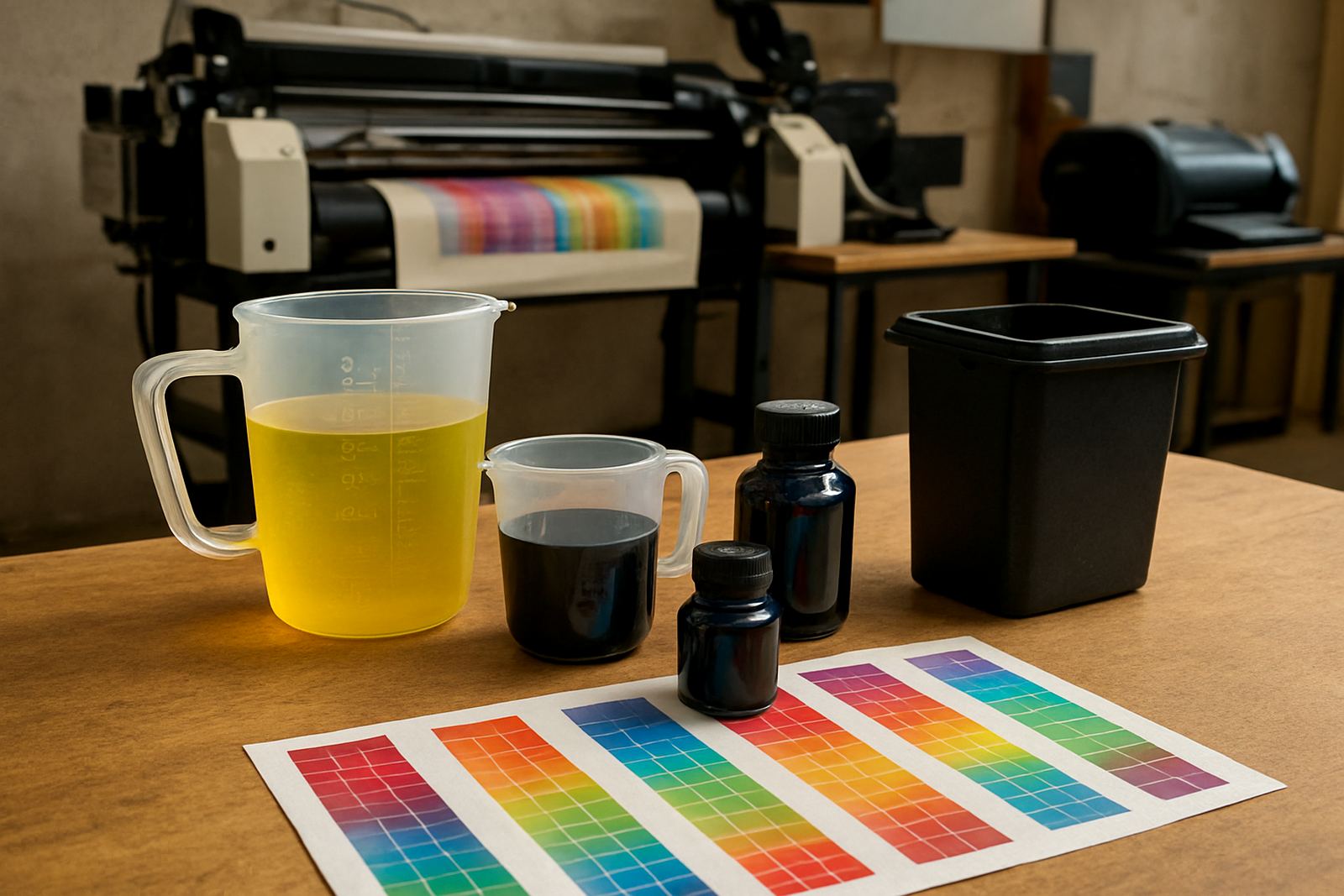
Colour issues are one of the quickest ways to lose time and money. New staff should learn from the beginning that colour management is not a guessing game. They need to know how fabric type, humidity, ink condition and machine settings affect the final result. In Durban and other coastal areas, moisture can change how fabric behaves, so the same settings that work in winter may not give the same result in summer.
Set up a few standard test files and keep printed samples for comparison. A trainee should learn how to identify a shift in tone, a banding issue, or a weak black before the job leaves the room. Once they understand what correct output looks like, they can catch problems early instead of reprinting later and wasting stock.
Give hands-on practice with supervision and real limits
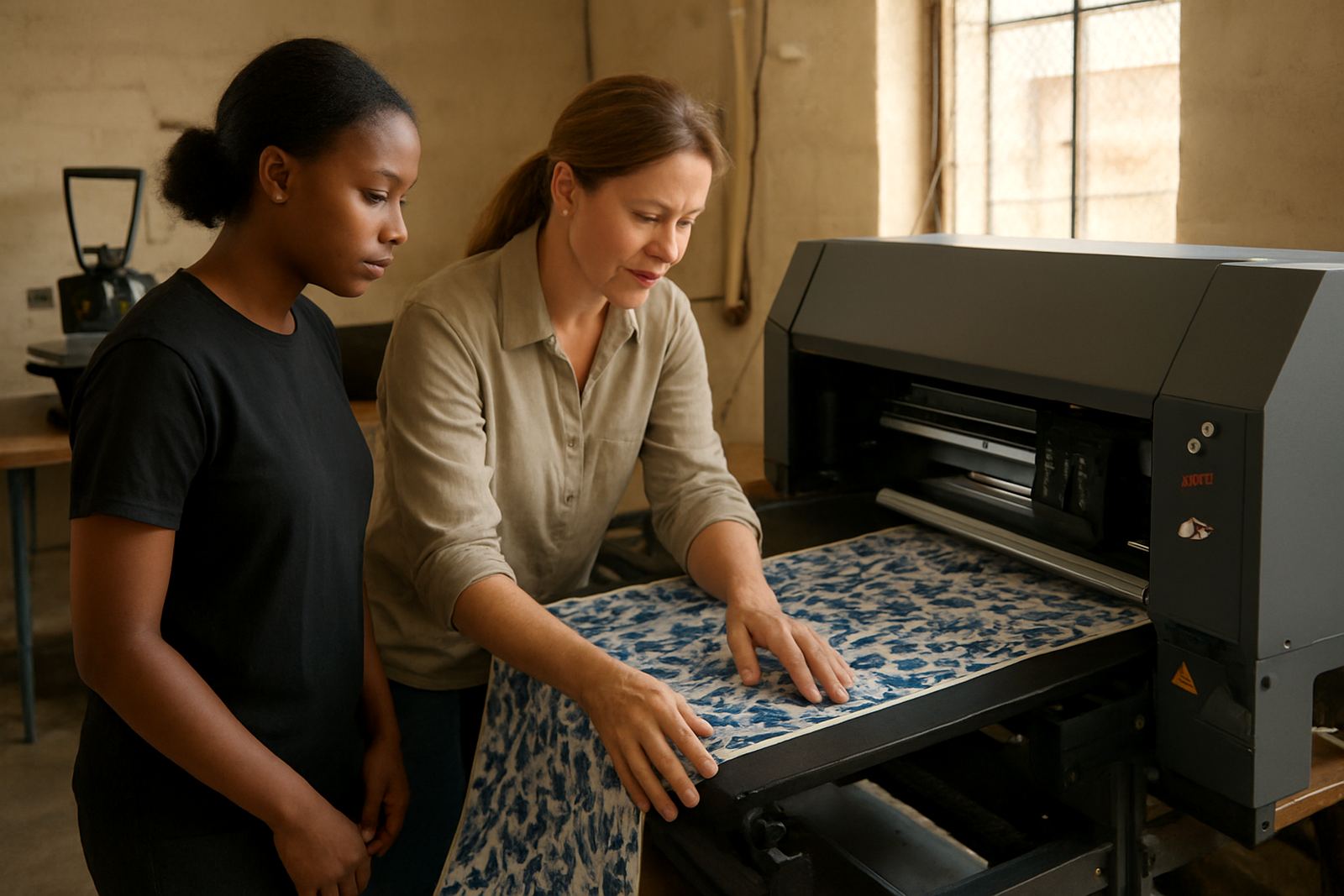
Training only works when people are allowed to do the work themselves. Shadowing is useful, but a trainee must also load garments, run test prints and clean the machine under supervision. Keep the first jobs small and predictable. That way the learner gets proper experience without risking a large order.
It also helps to set clear limits during the first month. For example, a new operator might be allowed to prepare jobs and run test sheets, but not make final changes to colour profiles or carry out repairs. This reduces risk while still building confidence. A small mistake at this stage is easier to fix than a full production error later.
- Use sample orders before live customer work
- Let trainees repeat the same task until it is consistent
- Keep one experienced person on hand for sign-off
- Review rejected pieces and explain what went wrong
Keep records so the next shift does not start from zero
A print room runs better when staff write things down. Shift notes help the next person see what happened with ink levels, service issues, unusual fabric behaviour and any machine warnings. In a busy business in Johannesburg, Pretoria or Boksburg, a missing note can lead to delays the next morning when everyone assumes somebody else sorted it out.
Good records also help with training. If a learner keeps making the same mistake, you can see the pattern and correct it sooner. If a printer needs repeated cleaning, that is a maintenance issue and not just a training issue. The notes show where the real problem is.
- Record job numbers, fabric type and print settings
- Note any cleaning or repairs done during the shift
- Log rejected prints and the reason for rejection
- List stock used so replenishment is not delayed
Bring in outside support when the team hits a wall
Some businesses can train staff in-house, but there are times when outside help saves days of trial and error. If a machine keeps losing alignment, a printhead is blocking repeatedly, or a new team struggles with consistent output, a proper site visit can reset the process. That is often better than letting bad habits spread through the whole team.
For a garment business in Germiston or Midrand, support might include machine installation, operator training, colour profiling, preventive servicing or remote troubleshooting. The aim is to get the team working to a standard they can repeat every day. Once staff understand the process properly, the print room becomes easier to manage and production becomes more predictable.
Training new staff is not just about showing them where the buttons are. It is about teaching them to think ahead, protect the equipment and produce work that can leave the workshop with confidence.