Start with the right machine setup before the first metre runs
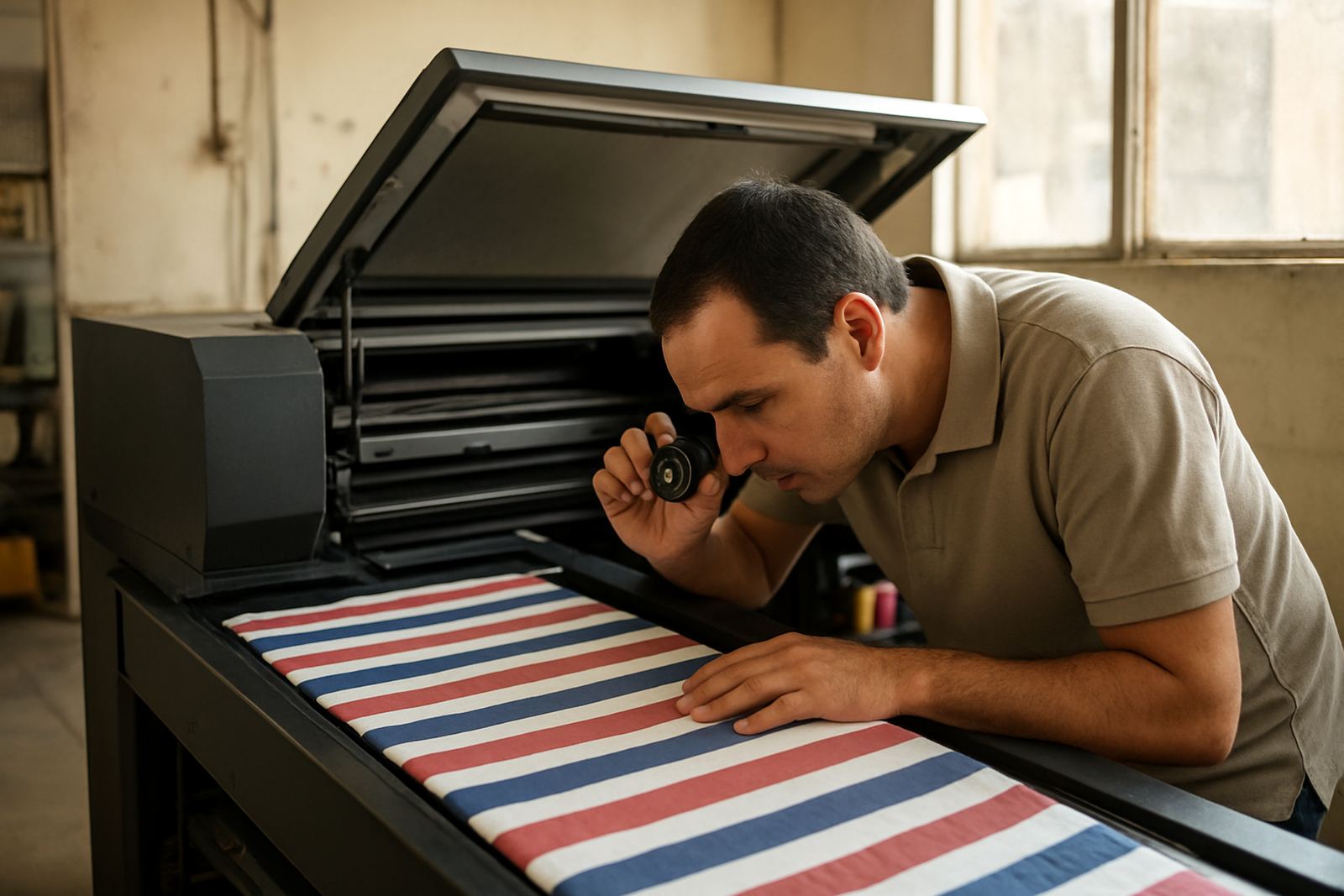
Ink waste usually starts long before a garment or roll goes into production. If a printer is not level, the heads are not aligned or the media settings are wrong, you end up chasing banding, overspray and poor colour density with extra passes and reprints. That is money lost on every job.
A proper installation should include basic calibration, nozzle checks and a look at the room itself. In Wadeville and other industrial areas around Johannesburg, dust is often the enemy. In Durban, humidity can change how fabric takes ink from one week to the next. Good setup means adjusting for the space you actually work in, not a perfect lab. One wrong setting can waste litres over a busy month.
- Check head alignment before production starts each day.
- Confirm the correct fabric preset for the actual textile type.
- Keep the print table, rollers and feed path clean and free of lint.
- Use stable power with backup support during load-shedding.
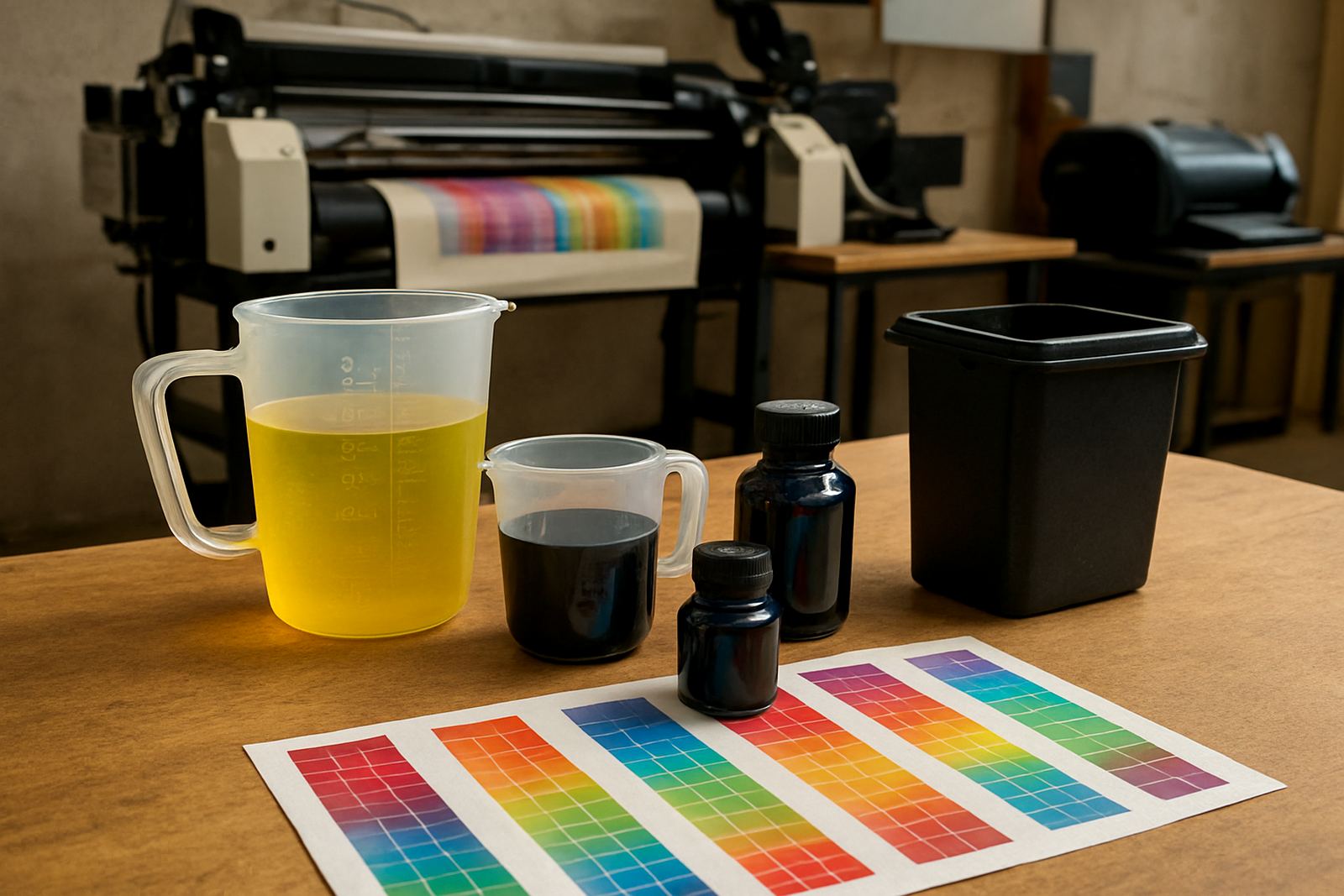
Use test strips, not full metres, when checking colour
Many smaller businesses lose ink by printing full samples when a narrow test strip would do the job. Before you run 20 metres of fabric, print a short section with the key colours, fine text and any dark blocks. That tells you more than a large random sample and it saves both ink and material.
Keep a written record of every approved test. If the same customer comes back for a repeat order, you should not have to start from scratch. That is where colour profiling helps. Once you have a proven setting for a cotton blend or polyester piece, repeat work becomes faster and more predictable. You still need to check the cloth, but you dont need to reinvent the job each time.
- Print only the area needed for colour approval.
- Label approved tests with fabric type, date and ink set used.
- Store repeat-job settings in a simple job sheet or folder.
- Avoid changing multiple settings at once when troubleshooting.
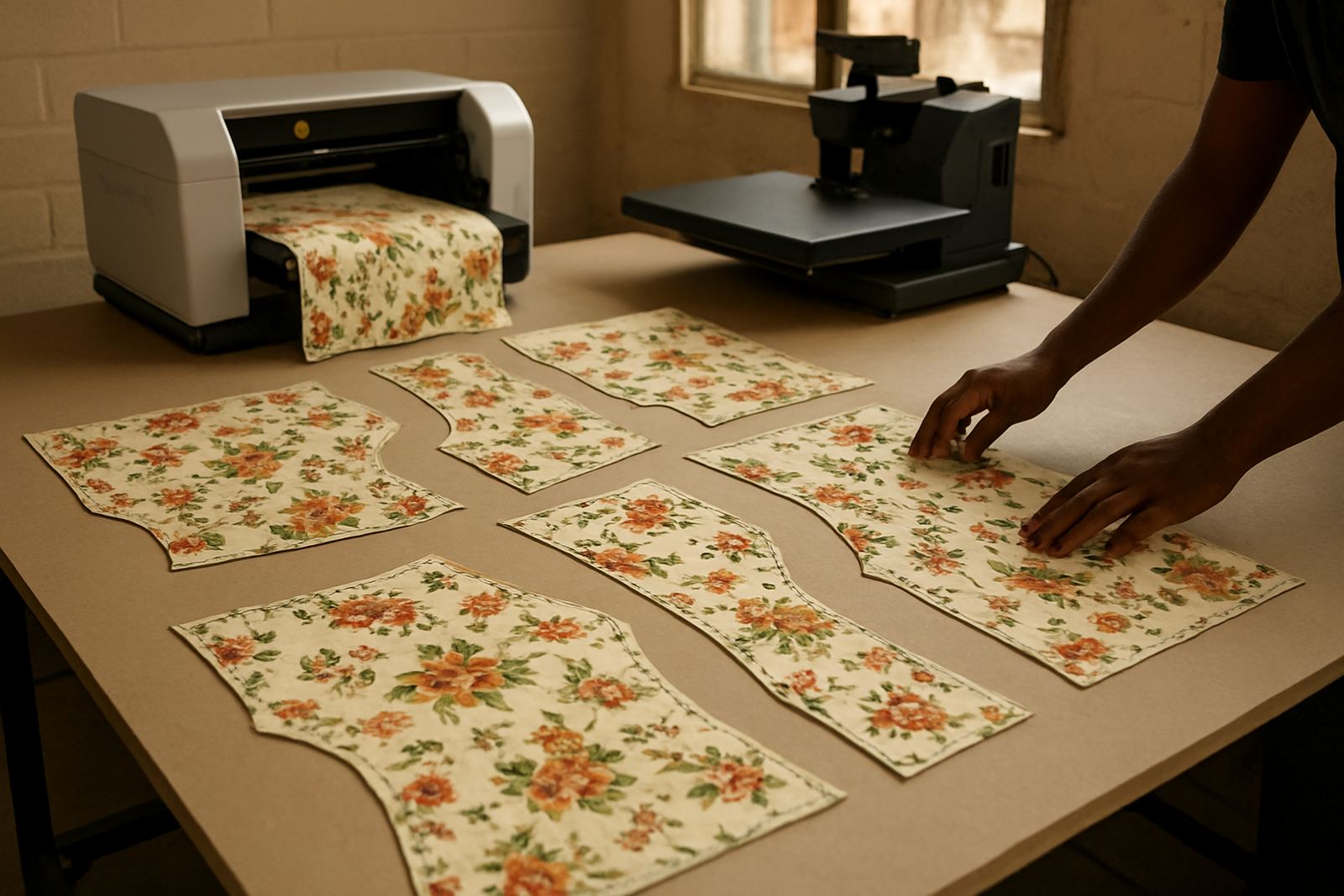
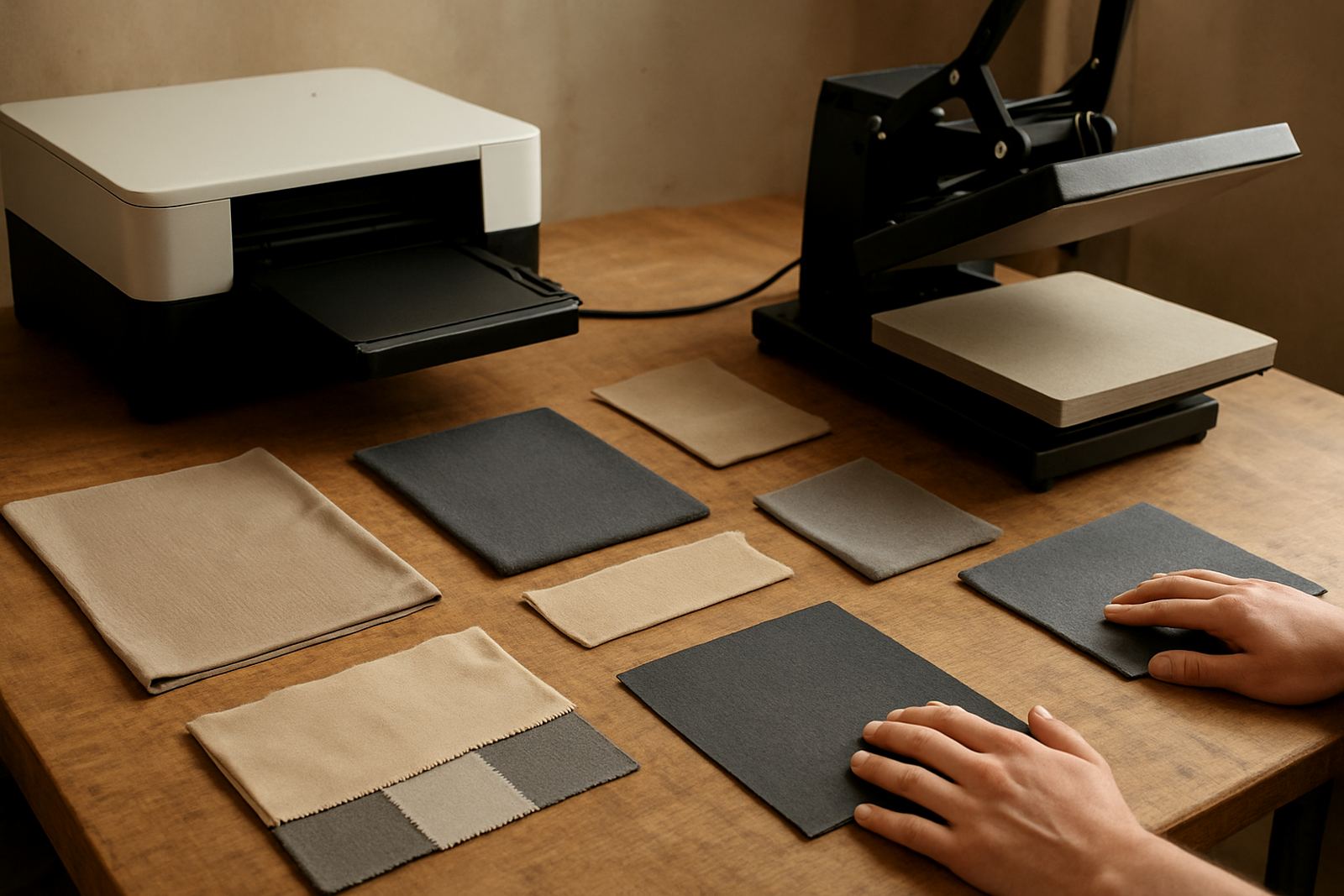
Match artwork to the fabric so the printer is not doing extra work
Ink use is not only about the machine, it is also about the artwork. Heavy solid fills, oversized dark backgrounds and low-quality images all force the printer to work harder. If a file is oversized or poorly prepared, the operator often compensates with more ink, more passes or repeated runs to get detail back.
Before production, check the artwork size, resolution and colour separation. Fine line work needs clean source files. Small text should not be too thin, especially on textured fabrics. If the design is going onto a darker textile, plan the underbase carefully so you do not flood the fabric with extra ink just to make the colours show.
- Use correctly sized files instead of stretching artwork on the fly.
- Avoid unnecessary full coverage backgrounds where a lighter layout will work.
- Confirm the colour mode and print profile before sending the file.
- Keep a standard pre-flight check for every order, even small ones.
Control cleaning routines so maintenance does not become waste
Cleaning is necessary, but over-cleaning wastes ink quickly. Some operators run cleaning cycles too often because they are nervous about blocked nozzles. Others wait too long and then have to flush the system hard, which wastes far more ink. The right balance depends on usage, dust levels and how often the machine stands idle.
A good habit is to inspect nozzle performance at the start and end of a shift. If the printer sits over a weekend or through a long power outage, do a proper check before the next run. Keep caps, wipers and capping stations clean so the heads stay healthy. In coastal areas like Cape Town and Durban, humidity and dust can build up in ways that surprise new operators.
- Run nozzle checks on a fixed schedule, not by guesswork.
- Clean only what is needed for the issue you see.
- Replace worn consumables before they start causing waste.
- Log repeated cleaning issues so patterns are easy to spot.
Plan batches properly to avoid short runs and changeover losses
Ink waste often shows up in production planning. If jobs are split into too many small batches, you lose ink on every changeover, test, start-up and stop. A more disciplined queue reduces that wastage and gives the operator time to work properly. It also cuts the chance of mistakes that lead to a reprint.
For a small garment shop in Pretoria or Boksburg, this can mean grouping similar fabrics together and printing the same ink set in one block. It also helps to plan around municipal or building power interruptions where possible. If load-shedding is likely, dont start a long run unless you can finish it or pause safely without damaging the heads. A rushed restart can cost more than the delay.
- Group similar fabric types and colours into the same production window.
- Schedule longer runs when the machine can stay active for hours at a time.
- Keep a buffer for repeats so you are not setting up from scratch for one small order.
- Use a production sheet to track actual ink use against expected use.
Training the operator saves more ink than any quick fix
Even a good printer will waste ink if the person running it is guessing. Training matters because the operator controls the small choices that add up over a week. How they load fabric, react to a warning light, choose a profile or clean a head all affects consumption. A calm, trained operator usually costs less to run than one who is always trying to save time by cutting corners.
For many South African businesses, especially those moving from hand-printing to digital textile work, a short training session is worth a lot. The aim is not only to show how to print, but how to spot waste before it starts. That includes knowing when to call for remote troubleshooting, when a nozzle issue needs attention and when a job should be stopped before the whole batch is spoiled.
- Train each operator on the same setup and shutdown routine.
- Teach basic fault recognition so issues are reported early.
- Keep simple records of ink use per job to measure improvement.
- Review one production week each month to find avoidable losses.
Track waste in Rand and metres, not only in theory
The clearest way to reduce ink waste is to measure it. If you do not know how many Rand a job is consuming, it is hard to know whether your changes are working. Compare expected ink usage against actual usage for similar fabric widths, colours and run lengths. A small difference on one order becomes a serious cost over a month.
It also helps to think in metres. A printer that wastes a few extra millilitres on each metre may look fine in the moment, but on repeated orders the loss builds up. One Germiston client printing custom fashion panels saw the difference after tightening their colour checks and reducing unnecessary cleaning. The prints looked the same to the customer, but their monthly ink spend came down and their rework rate dropped. That is the kind of result that matters.
If you want to make ink use more predictable, keep the process simple: correct setup, short tests, clean equipment, trained staff and proper records. Those habits do not sound glamorous, but they protect margin every day.