Start With the Fabric Make-up, Not the Artwork
Before you think about colour, check what the garment is made from and how it behaves under heat. Sportswear in South Africa often mixes polyester, elastane, nylon and mesh inserts, and each one reacts differently when you print or press it. A runner’s vest for Durban humidity will not perform like a club cycling jersey made for cooler mornings in Pretoria, so the fabric spec matters from the start.
For small garment businesses, the first question is whether the fabric can take the printing process without shrinking, glossing over or losing stretch. Some performance fabrics need lower heat and lighter pressure, while others need careful pre-pressing to remove moisture before production. If the fabric feels too slick or the weave is very open, test it first and do not assume it will behave like a standard polyester panel.
- Check the fibre content and stretch direction before setting up print files.
- Ask whether the garment will be washed in hard municipal water, as this can affect colour hold over time.
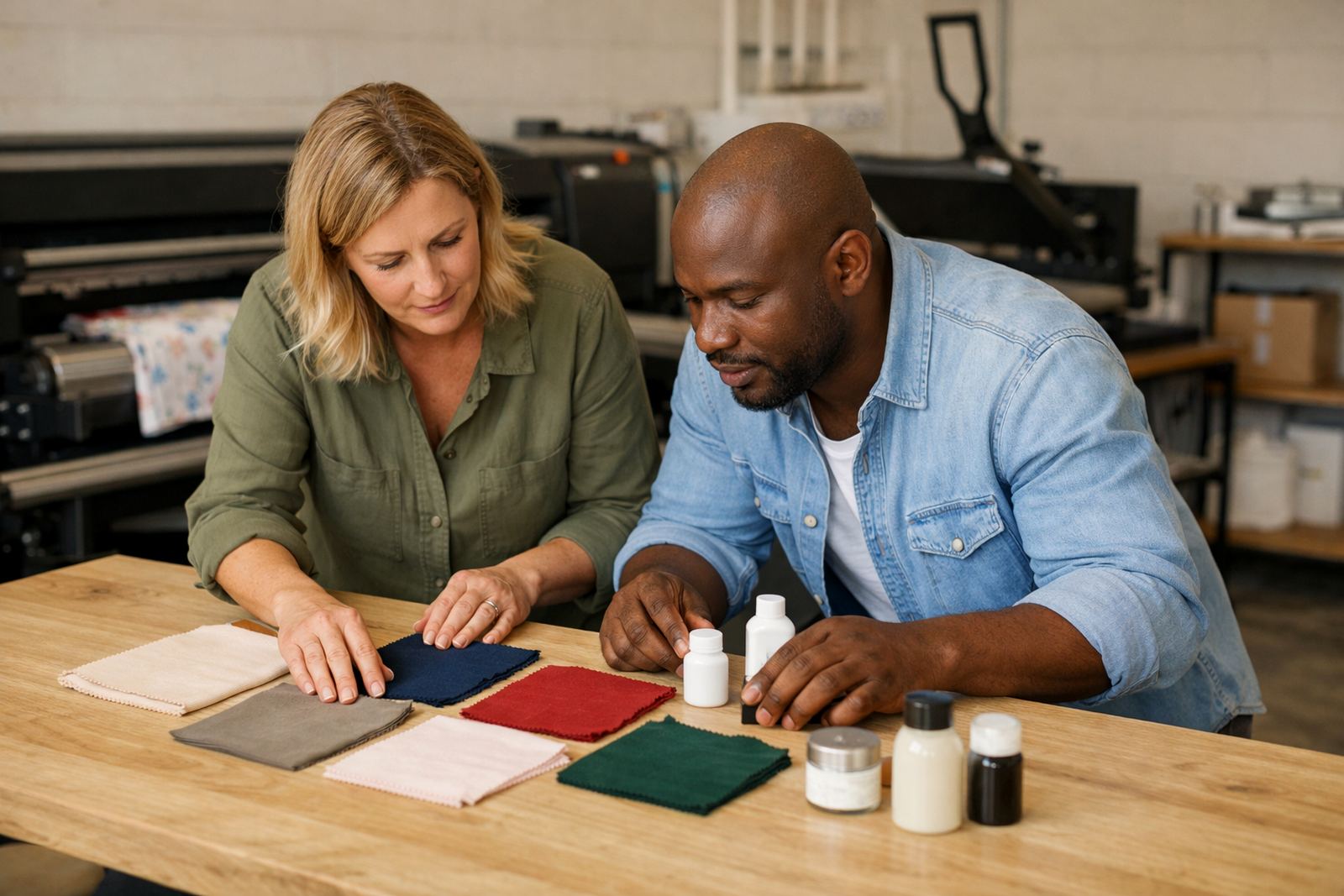
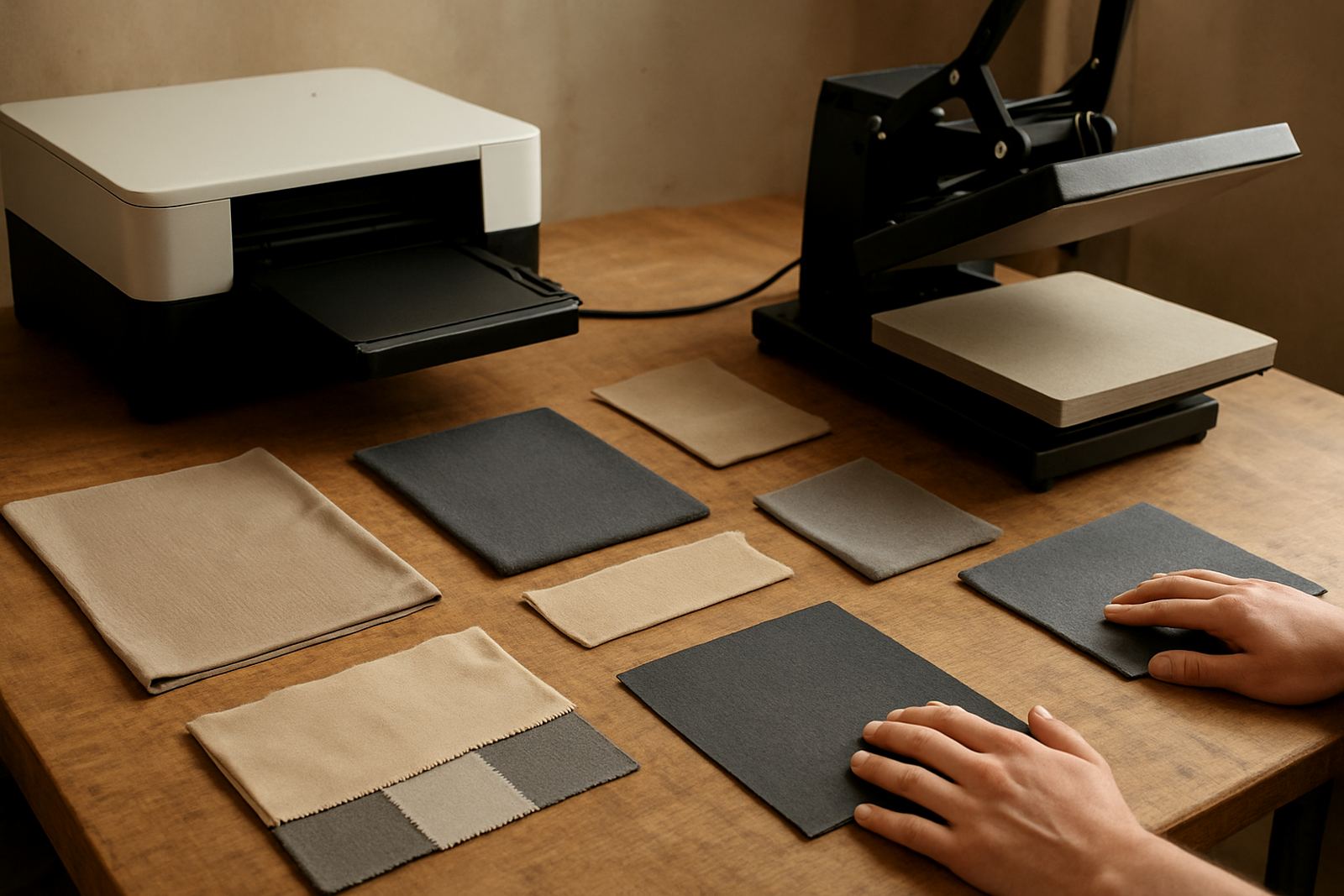
- Keep sample swatches from every fabric batch so you can compare results later.
Heat, Pressure and Stretch Need to Be Balanced
Sportswear panels are often cut with movement in mind, which means excess heat or pressure can flatten the fabric and change the fit. That is a common problem when a logo is placed across a side panel, sleeve or back yoke. If the print area is pulled tight during pressing, the garment may look fine on the platen but distort once the wearer moves.
The goal is to apply enough heat to bond the print correctly without sealing the fabric or reducing breathability. This is especially important on moisture-wicking fabrics used for school athletics, soccer kits and gym wear. In summer, when a production room is already warm and the load-shedding schedule interrupts workflow, operators need a process that can be repeated accurately after every restart. Consistency matters more than speed.
- Use a test piece before going into full production.
- Keep notes on time, temperature and pressure for each fabric type.
- Allow printed panels to cool properly before stacking or folding.
Colour Work Must Suit the End Use
Vibrant colour sells sportswear, but the artwork still needs to suit the garment and the fabric surface. Fine detail can blur if the weave is too open, while very dark garments may need special preparation to keep the print clean and visible. On performance wear, colour should also hold its look after repeated washing, sweat exposure and sun.
For teams and fitness clubs, repeat orders are common. That means the same shade needs to match across sizes and batches, even if the fabric lot changes. A Cape Town netball club may reorder six months later and expect the red to match exactly, so profiling and test runs are worth the effort. If the ink looks bright on the screen but dull on the cloth, the issue is usually in the fabric preparation or curing, not the artwork itself.
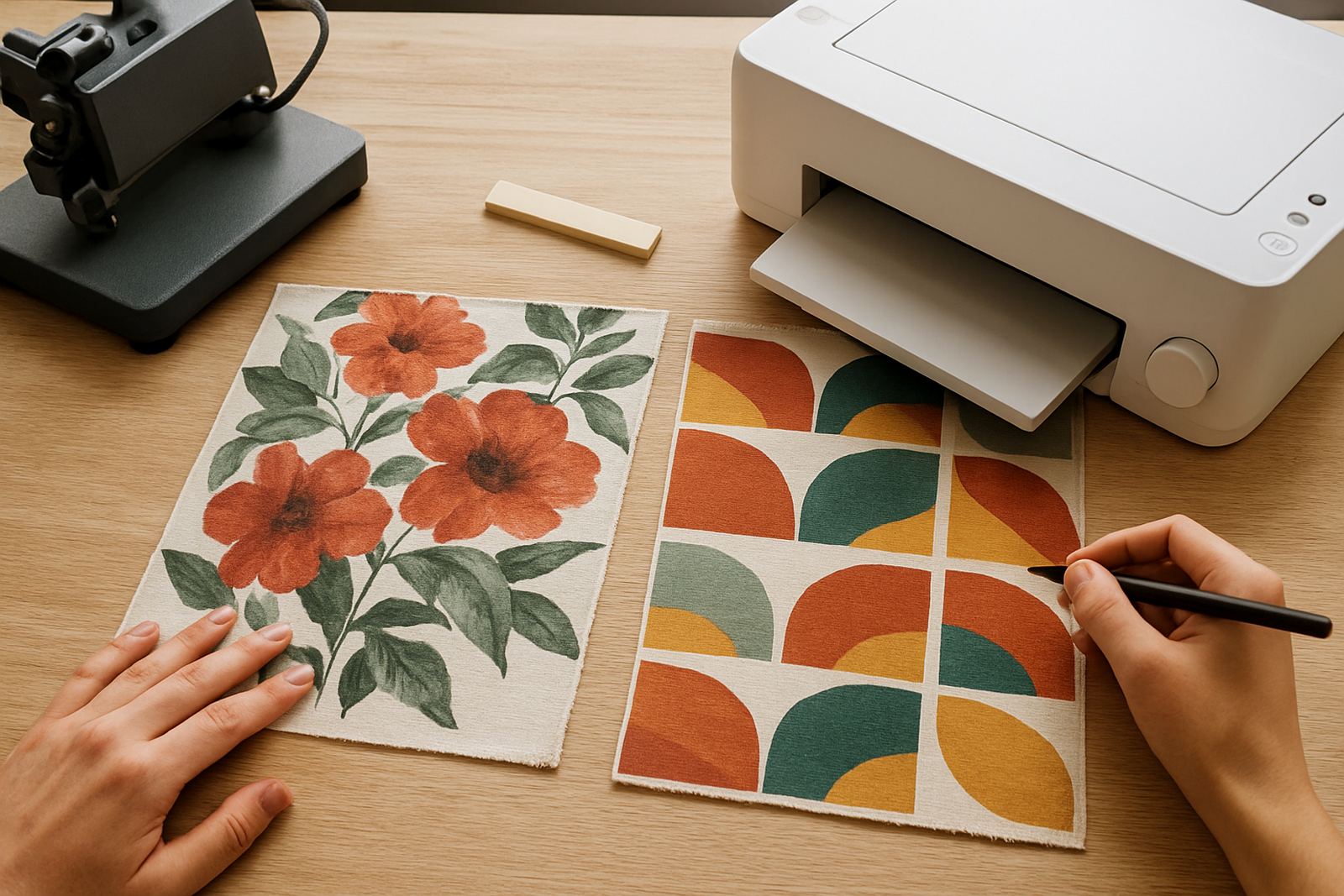
- Proof colours on the actual garment fabric, not only on paper.
- Check how the print looks under natural light and indoor workshop lighting.
- Store inks and media correctly, especially in coastal humidity.
Placement Matters on Panels, Seams and Zips
Sports garments are full of awkward areas. Seams, gussets, zips, elastic bands and curved side panels can all interfere with the print zone. A clean logo on a flat front panel may be simple, but once the design crosses a seam or lands near a zip, the risk of misalignment increases. That is where planning saves material and labour.
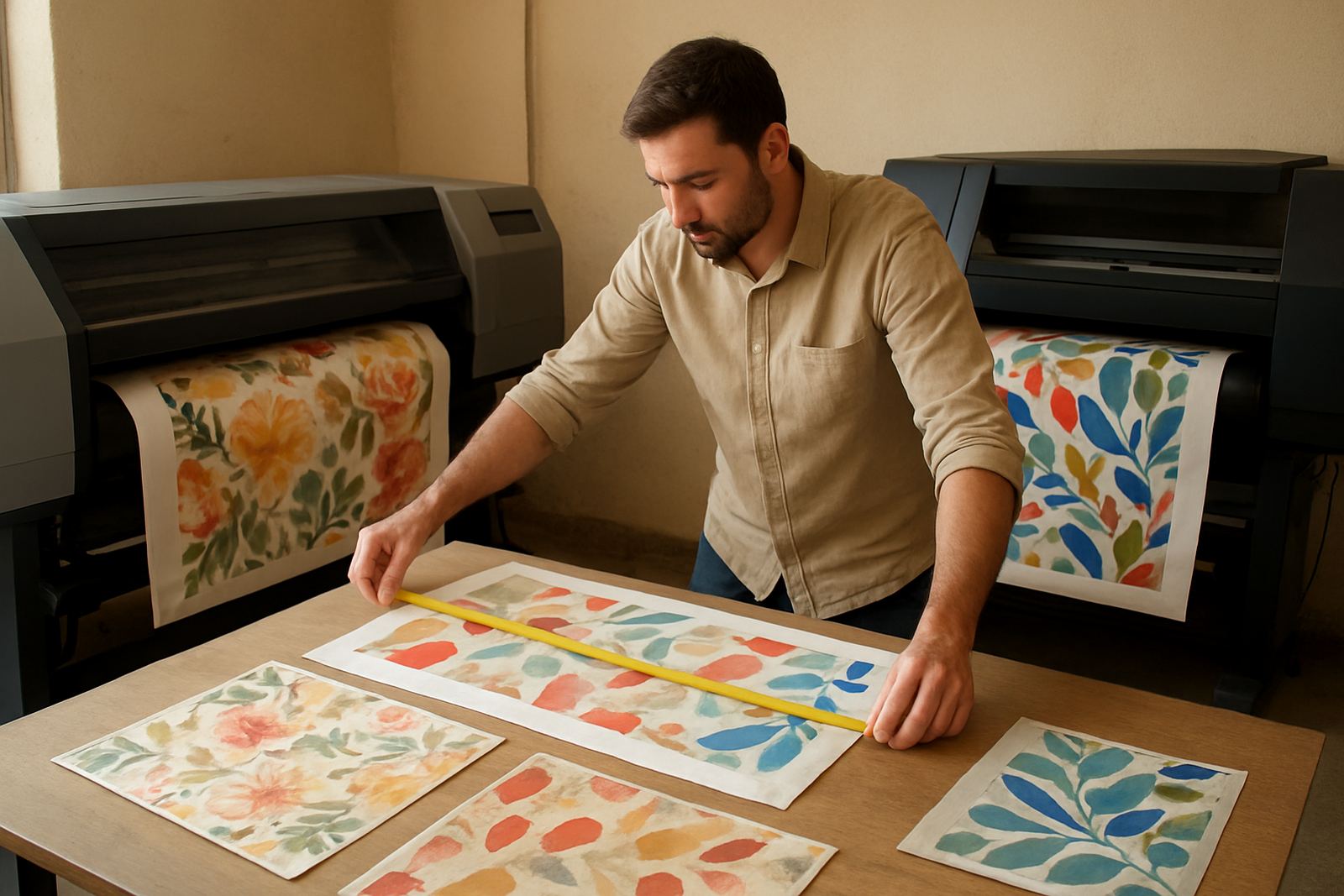
Measure the print area against the finished garment, not the flat cut piece only. A chest mark that looks centred on the table can shift once the garment is worn, especially on fitted cuts. For training bibs, compression tops and cycling jerseys, the safest approach is to map the print zone before production starts. This avoids wasted garments and keeps the final product looking professional.
- Mark seam lines and stitch points on a sample before setting production standards.
- Keep critical artwork away from high-stretch zones unless the fabric has been tested.
- Confirm whether the garment will be folded for retail packaging, as placement can shift visually.
Wash Performance Is Part of the Job
In sportswear, the customer does not judge the print on day one only. They judge it after training, after repeated washing and after a few rough uses. If the print cracks, fades or lifts at the edges, the garment quickly loses value. This is why wash testing is not optional, even for small runs.
Use a simple internal test routine: wash one sample from each new fabric batch and inspect it after drying. If the business is supplying schools, clubs or retail boutiques, note whether the customer uses industrial laundry or home washing. Garments sent to athletes in Johannesburg may be washed more often than casual fashion pieces, and that changes the expectations for durability. It is better to spot a weak result in-house than after delivery.
Production Checks That Save Time and Money
Small businesses often lose money on sportswear because they skip checks that seem minor at the time. A missing pre-press, a dirty platen, damp fabric or a wrong profile can turn a profitable order into scrap. The best production habit is to build a short checklist and use it on every run, even for repeat jobs.
A practical checklist also helps when more than one operator handles the job. In Germiston, where a workshop may run through different shifts and still need to meet collection times for Pretoria or Durban, a clear process keeps the work moving. It also makes it easier to train new staff and spot where problems begin.
- Inspect garments for creases, oil marks and cut damage before printing.
- Confirm size runs and quantity before heat setting anything.
- Keep a sample from each job for colour reference and reorders.
- Log any change in fabric supplier, ink batch or pressing setup.
A Local Example From a Small Kit Order
A good example is a local football club ordering training shirts and shorts for weekend matches. The shirts use a light polyester knit with stretch side panels, while the shorts have a different finish and a stronger elastic waistband. If the printer treats both items the same, the side panels may react badly to heat and the shorts may show a dull print if the surface is too textured.
In practice, the workshop would test the shirt fabric first, confirm the correct heat setting, then check whether the logo needs to sit higher or lower because of seam placement. If the club wants a second run later in the season, those notes make the repeat order quicker and more accurate. That is the sort of small detail that keeps customers coming back. It also reduces waste, which matters when margins are tight and every garment counts.