Start with the fabric, not the machine
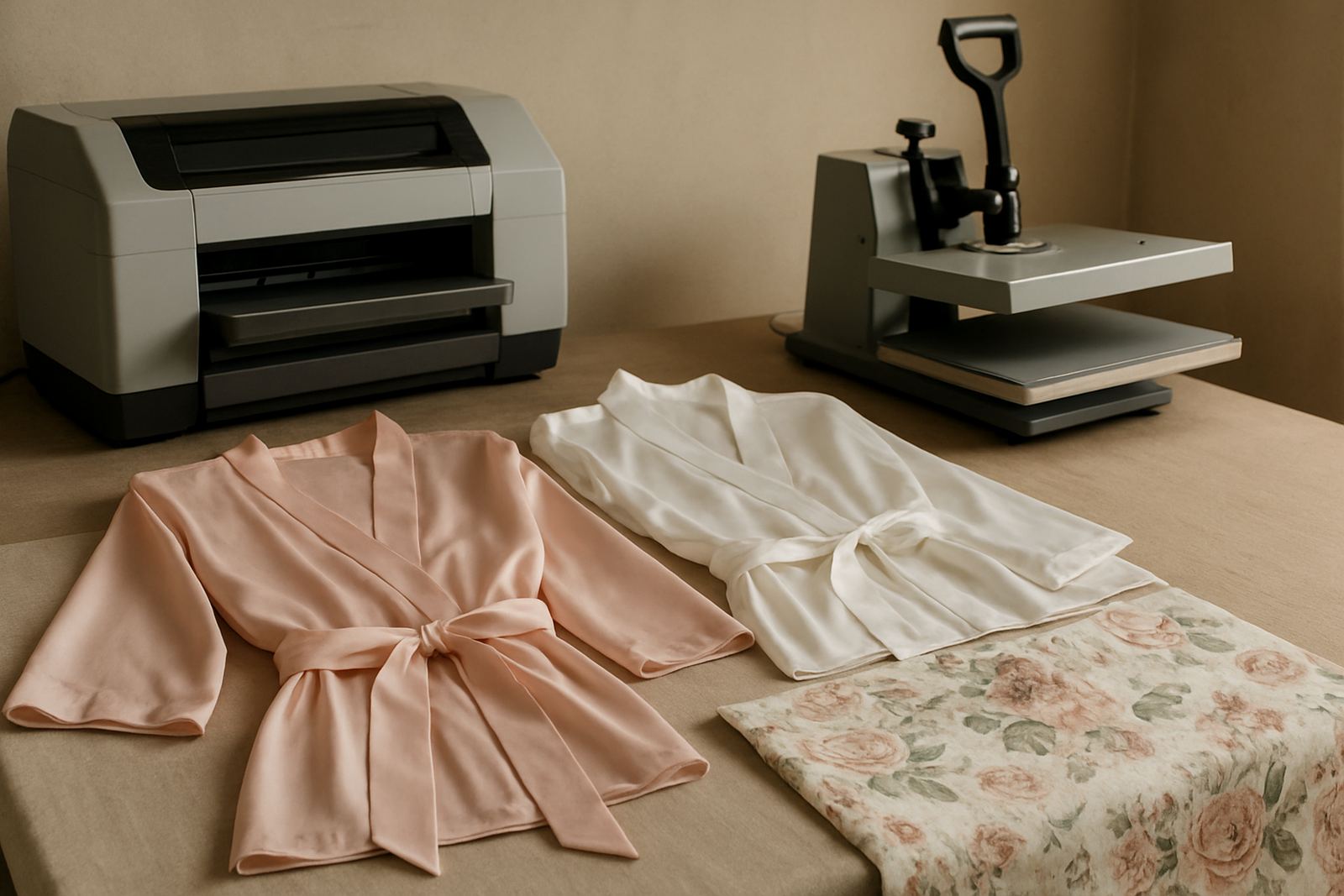
The biggest mistake small shops make is choosing a print method before they have matched it to the fabric. Pigment ink sits on the surface of the cloth, while reactive ink bonds with natural fibres such as cotton and viscose during a proper heat and wash process. That means the fabric content decides a lot of the result, not just the printer settings.
For a business in Germiston, Pretoria or Durban, this matters because your stock may vary from week to week. A cotton T shirt run for a school event, a polycotton apron order, and a cotton voile homeware range do not all need the same approach. If you are printing short runs, sampling or mixed fabric orders, the right system can keep your turnaround steady and your waste low.
Where pigment printing usually makes sense
Pigment printing is often the simpler entry point for small businesses. It works well on many natural and blended fabrics, and it usually needs less after processing than reactive printing. For a busy shop handling custom cushions, fashion samples or small clothing batches, that can mean less handling and a more direct production flow.
It is also practical when you are working in areas with load-shedding or limited floor space. Fewer wet steps can make it easier to keep production moving when power cuts interrupt your day. In our experience, pigment is often a strong fit for businesses that want manageable setup costs, quicker turnaround and easier training for a small team.
- Good for mixed small runs and sample work
- Useful where drying and washing space is limited
- Often simpler for staff to learn and repeat
- Can suit homeware, promotional garments and light décor work
Where reactive printing earns its place
Reactive printing is the better option when you need rich colour and a softer handle on natural fibres. It is especially well suited to premium cotton garments, scarves, fashion fabric and textile goods where wash durability matters. The print becomes part of the fibre structure, so the final result can feel very refined when the process is controlled properly.
The trade off is that reactive printing asks more from the business. You need good colour control, careful washing, drying and often more disciplined production planning. If you are in coastal Durban, for example, moisture in the air can affect drying times and fabric handling. In places with more dust or busy loading bays, keeping the workflow clean becomes just as important. Reactive work can produce excellent results, but it is less forgiving if the process is rushed or the staff are still learning.
- Best for natural fibres such as cotton and viscose
- Strong choice for premium fashion and home textile work
- Needs tighter process control and more handling steps
- Can produce high colour depth and good wash performance
The hidden costs small businesses should compare
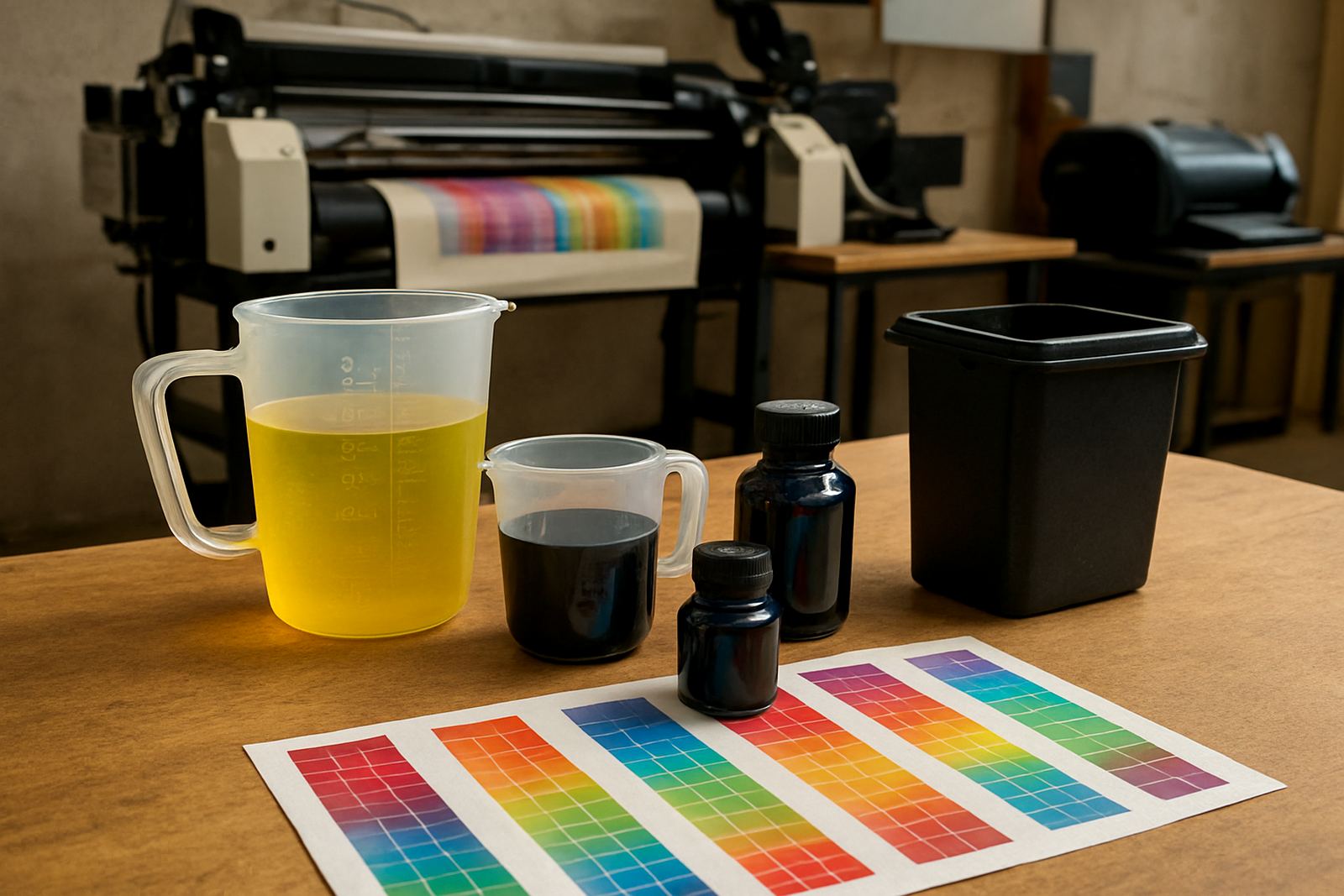
The ink price is only one part of the story. When comparing pigment and reactive systems, look at the full operating cost. That includes prep time, drying, washing, heat setting, water use, staffing, maintenance and the cost of mistakes. A printer that looks affordable on paper can become expensive if it is slow to set up or prone to clogs.
For a small business in Johannesburg or Bloemfontein, this often comes down to throughput. If you only run 10 to 20 metres a day, the simpler route may suit you better. If you are building a more specialised textile line and can keep a steady workflow, reactive may justify the extra steps. The right choice is rarely about which method is “better” in general. It is about which one fits the way you sell, wash and finish product.
- Compare ink use per metre, not just the price per litre
- Include labour for washing, fixing and finishing
- Check how much floor space you need for drying and curing
- Factor in downtime if the machine stops for cleaning or repairs
What South African conditions do to print quality
Local conditions matter more than many new owners expect. In Johannesburg and Pretoria, winter dryness can affect static and media handling. In Durban and Cape Town, humidity can slow drying and make fabric storage trickier. If your workspace is close to a roller door or loading area, dust can also affect printheads and finished cloth.
That is why practical support is worth more than a sales pitch. Machine installation, colour profiling, printhead cleaning and preventive servicing help keep output consistent. When a small shop has just one printer and one heat press, even a short breakdown can affect orders. We regularly see businesses benefit from simple maintenance habits, like keeping ink lines clean, checking temperature settings and storing fabric in a dry room. It saves headaches later, no joke.
A simple way to choose for your shop
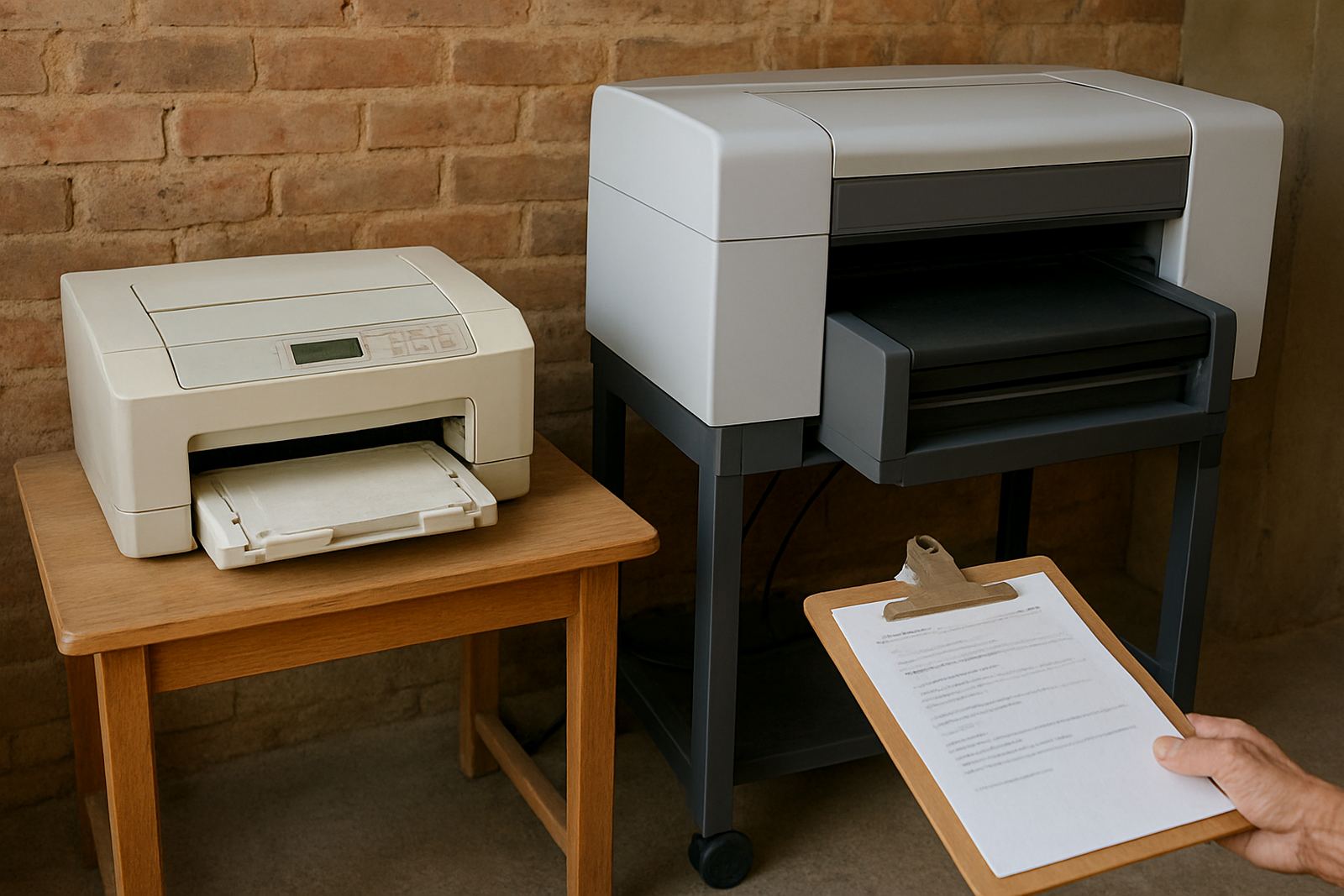
If you are not sure which route to take, start with your main products and work backwards. Ask what fibre you print most often, how much finishing time you can afford, and whether your customers want soft-hand premium fabric or quicker turnaround at a lower entry cost. The answer usually points you toward one system more clearly than any brochure ever will.
For many small garment and textile businesses, pigment is the practical first step. Reactive becomes the stronger choice when the business is ready for natural-fibre specialisation and tighter process control. At Fabric Printer in Wadeville, Germiston, we help businesses across Johannesburg, Pretoria, Durban, Cape Town and Bloemfontein compare options, plan installation and train operators so the machine matches the workload. That can include relocation support, maintenance contracts and remote troubleshooting when a production day gets interrupted.
If you want to avoid buying the wrong setup, use your actual fabrics and order sizes as the test. The best system is the one that keeps your work moving, your colours consistent and your team confident from the first run.