Why bridal fabric orders suit small print shops
Bridal work is often smaller in volume than everyday garment production, but it can carry better margin if you plan it properly. A bride may need 6 robes, 12 napkins, 8 chair ties, a gift wrap cloth and a few keepsake pieces, all in matching colours. That gives a small textile business a clear chance to sell a package rather than a single item.
For print shops in Germiston, Johannesburg, Pretoria or Durban, bridal orders also fit well around quieter production windows. You can run sample proofs in the morning, print short runs in the afternoon and finish by hand after drying or pressing. The key is to choose fabrics that take ink well, hold detail and stay comfortable against the skin. In our climate, brides also care about how a fabric behaves in heat, humidity and during transport to venues.
When a customer wants a soft blush, ivory, sage or dusty blue palette, colour control matters. A bridal range looks best when the shade matches across satin, polyester blends and accessory cloths. That is where good profiling and correct heat settings save time and reduce waste.
Bridal robes that photograph well and feel comfortable
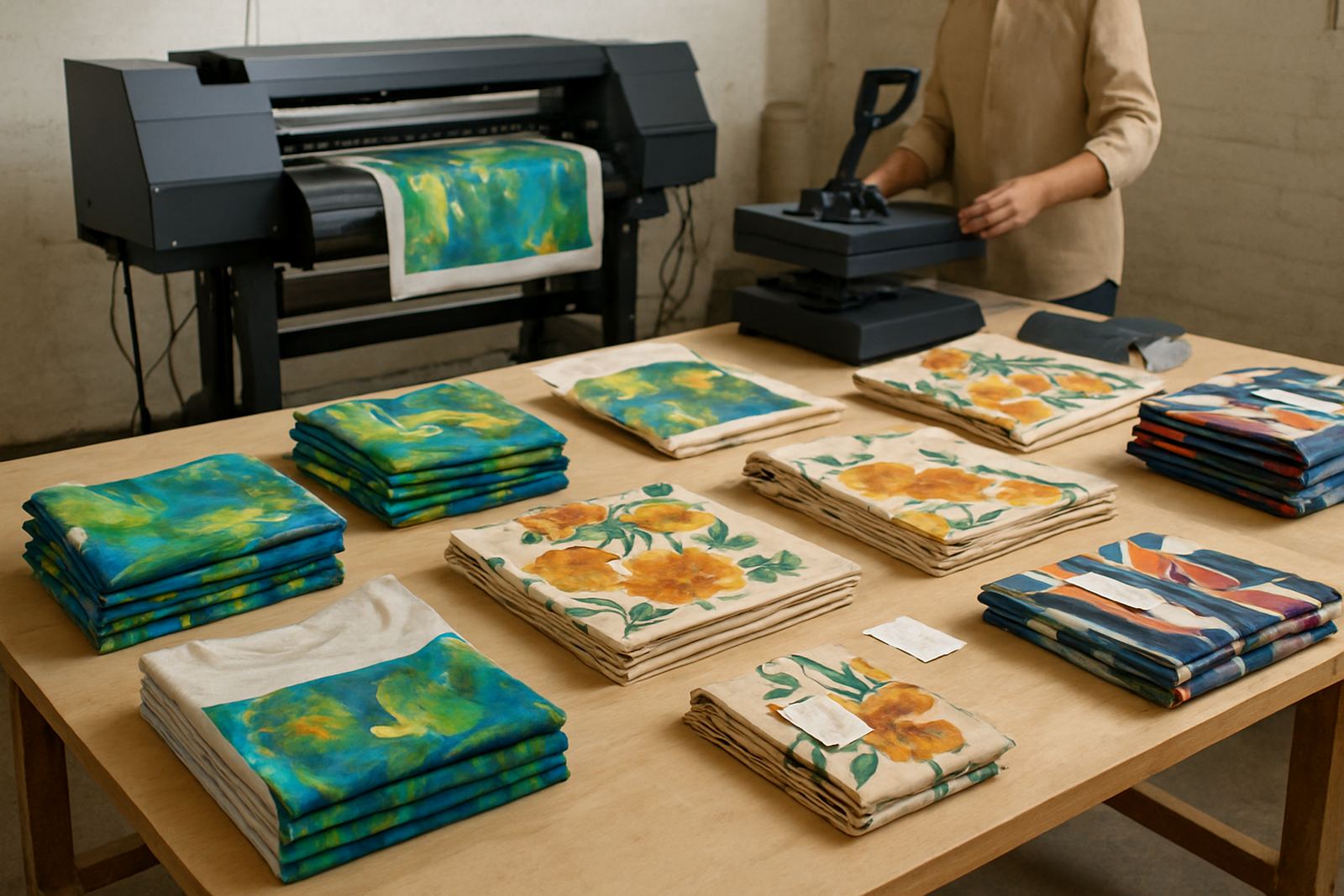
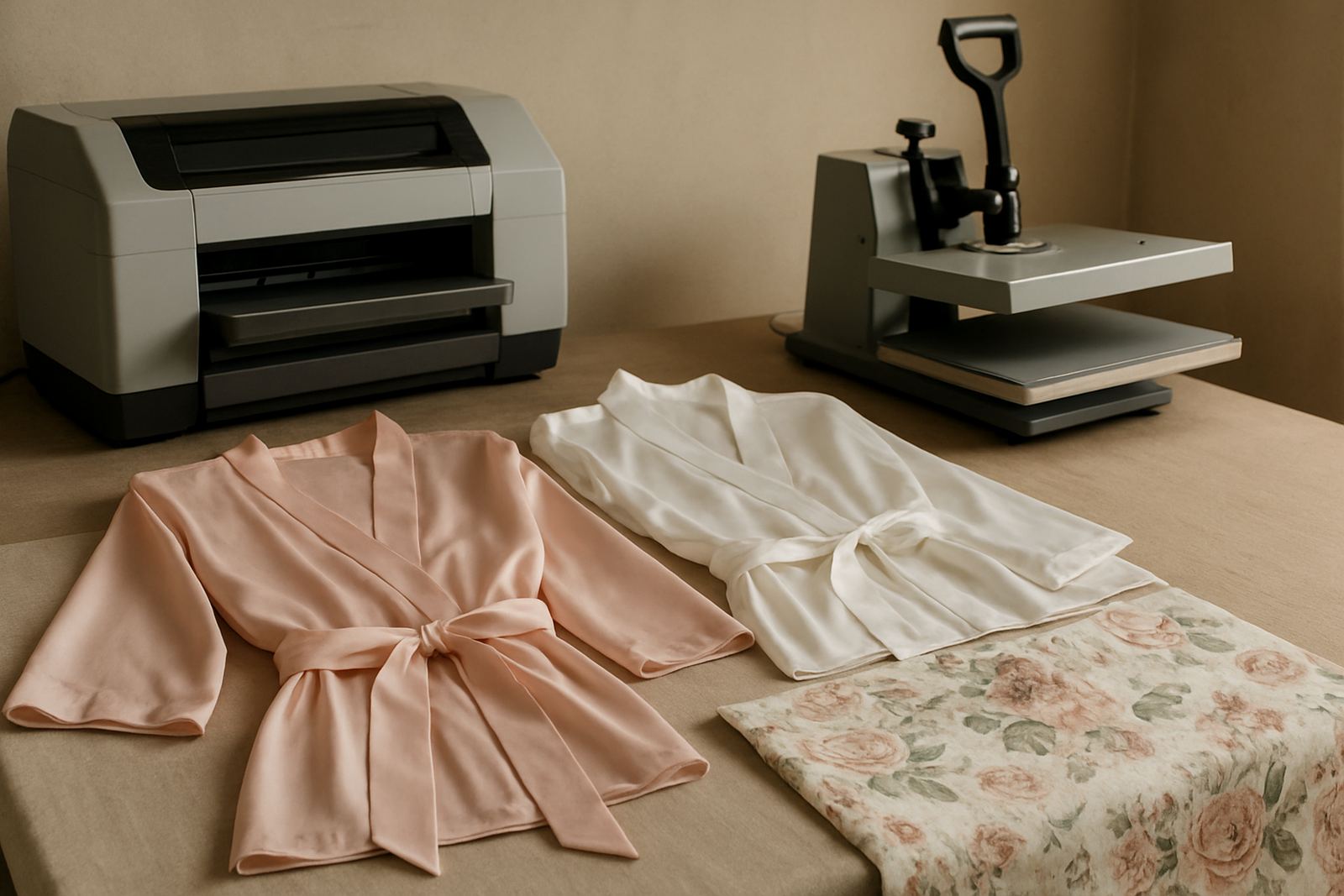
Bridal robes are a strong starter product because they are useful before the ceremony and still keep value after the event. Printed initials, wedding dates or a light floral repeat can turn a simple robe into a keepsake. For small businesses, it is easier to sell a set of matching robes to a bridal party than to rely on one-off custom pieces only.
Look for fabric that drapes well, does not trap too much heat and can handle repeated washing. Many customers want a light hand feel, especially for summer weddings in Gauteng or coastal functions in Durban where the air can stay sticky. A robe should not feel stiff after printing and pressing.
- Use repeat patterns that leave space around the neckline and belt area.
- Test the print on both the face and reverse side of the fabric.
- Keep names and dates legible at small sizes, especially for bridesmaids.
- Pack finished robes in breathable bags so they do not pick up marks before collection.
One local example: a boutique in Midrand can offer a bridal morning package with six robes, two slip covers for dresses and a personalised laundry bag for the bride. That sort of bundle is easy to quote, easy to produce and useful for word-of-mouth after the event.
Accessory fabrics for veils, clutches and shoe details
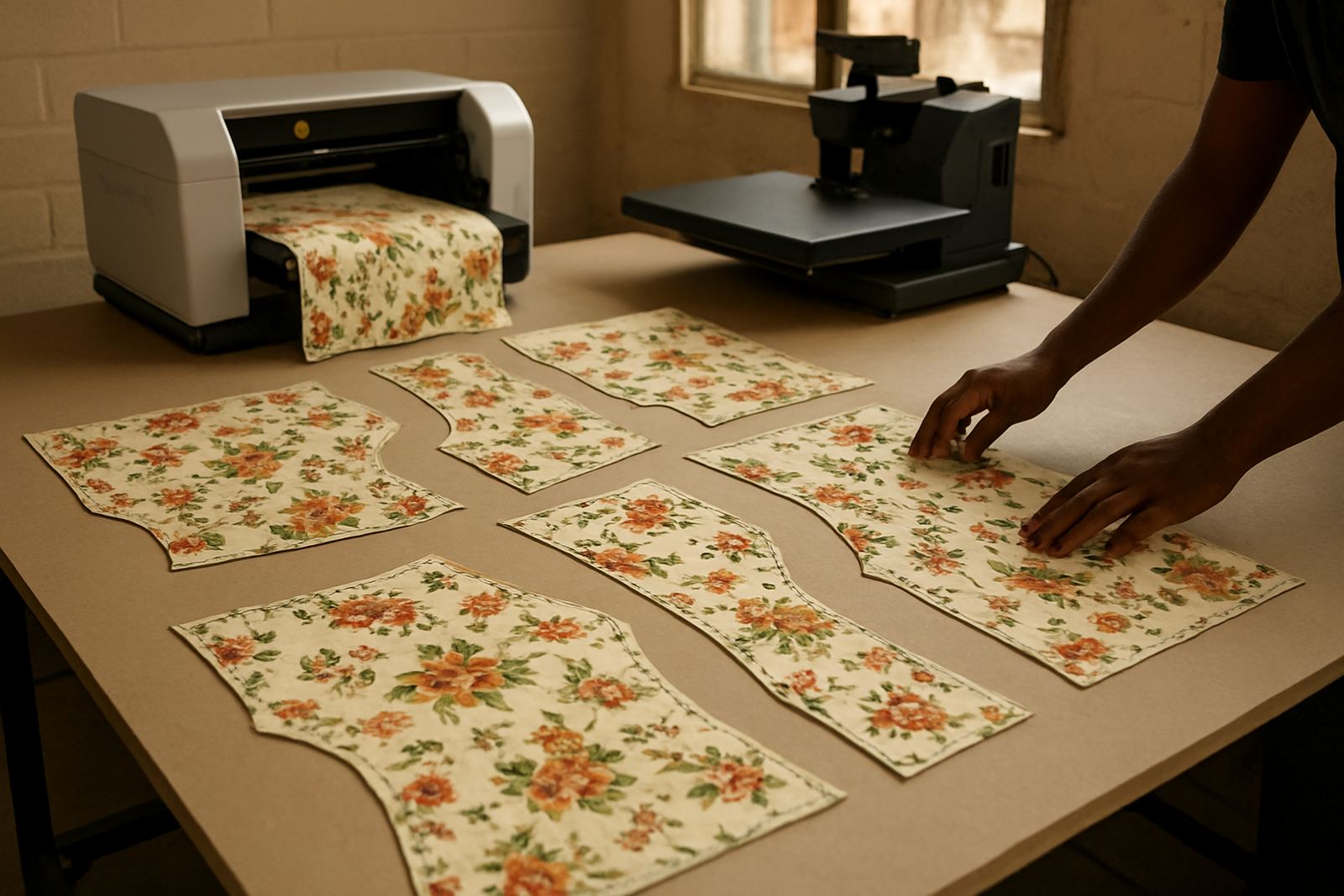
Bridal accessories give you a chance to print smaller pieces with high detail. Think inner linings for clutches, ribbon strips, shoe tags, bow ties, hankies and hair wrap fabric. These items use less material, so the design can be more detailed without pushing the cost too high.
Because accessories are often handled close up, print clarity is important. Small text, fine florals and lace style motifs need clean registration and good ink control. A blurred monogram on a clutch lining looks careless, even if the outside product is beautiful. This is where direct-to-fabric work can help the business produce exact personalisation without outsourcing.
- Keep the design scale matched to the item size, not the full cloth width.
- Choose colours that remain readable in low indoor lighting at venues.
- Use stable hems or binding so the print edge does not fray after sewing.
- For gift items, add a care card with wash and ironing instructions.
Many brides also order matching pieces for the mother of the bride, flower girls and close family. A small studio can use one artwork set across several formats, which saves time and keeps the whole event theme consistent.
Keepsake cloths, thank-you gifts and family memory pieces
Bridal keepsakes are an area where textile printing can create lasting value. A printed cloth signed by guests, a framed swatch from the wedding palette or a table runner with family names can become part of the home after the event. These pieces are not always large, but they carry meaning and often lead to referrals.
For this kind of work, the print should stay sharp over time. If the piece will be framed or stored, it needs good colour stability and a clean finish. For items that may be washed, use a process that keeps the fabric soft and the print well fixed. In inland towns like Bloemfontein, dust can also be a factor during packing and storage, so finished goods should be sealed properly.
Practical keep-sake ideas include:
- A signed fabric guest book panel for display at home.
- A printed ring bearer cushion cover that can be kept after the ceremony.
- A family recipe cloth with names and dates for bridal shower gifts.
- A set of napkins or serviettes printed with the couple’s initials.
These items work best when the customer understands the difference between a decorative cloth and a washable product. Set that out clearly before production starts, because a keepsake is one thing and a daily-use item is another.
Event fabrics for tables, backdrops and venue styling
Wedding venues often need printed textiles beyond clothing. Table runners, backdrop panels, welcome signs on fabric and drape panels can help a venue feel more personal without using rigid boards everywhere. Fabric is also easier to transport and store, which matters when a planner is moving between venues in Johannesburg, Pretoria or Cape Town.
For event fabric, the first question is usually size. Measure carefully and allow for hems, hanging points and tension when the cloth is installed. A backdrop that is too short or too narrow looks unfinished. A runner that is too long can become a trip risk, especially in older venues with uneven floors or outdoor spaces after rain.
- Confirm exact measurements before printing, not after cutting.
- Ask whether the fabric will hang, drape or stretch.
- Allow space for clips, rods or ties in the final layout.
- Check municipal or venue rules for flame-retardant requirements where needed.
For coastal weddings, choose textiles that cope better with humidity and packing. Wrinkles can show quickly if the cloth has been folded in a hot car or stored overnight in damp conditions. A quick pressing plan on site can save a lot of stress on the day.
What small South African businesses should get right before they print
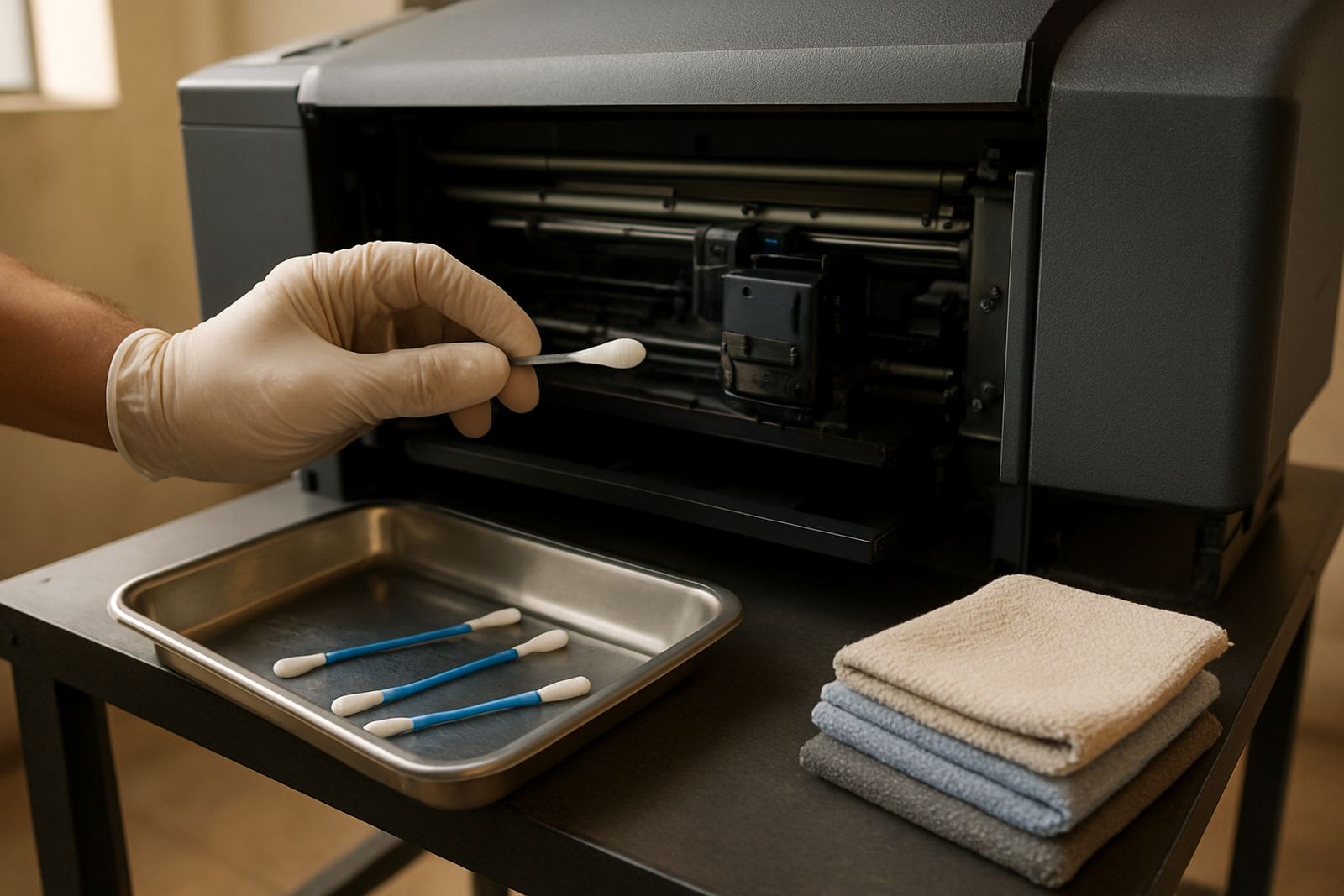
Bridal textile work is detail driven, so setup matters. The most common problems are incorrect fabric choice, poor colour matching, printhead issues, and rushing the final press. It is better to spend extra time on one sample than to remake a full order because the shade came out too dark or the monogram sat too close to the seam.
A good production routine helps. Check the artwork size, fabric type, press settings and finishing method before the first full run. Keep a small record of what worked for each material, because bridal work often comes back in batches once one part of the order is approved. If your shop handles both accessories and larger event fabric, set out each job in sequence so that cutting, printing and finishing do not get mixed up.
At our Wadeville base in Germiston, we often see that bridal work performs best when the machine operator, training support and colour control all line up from the start. That is true whether the job is for a boutique in Boksburg, a designer in Midrand or a planner in Cape Town. Good setup means less wasted fabric and cleaner results.
For businesses taking on bridal textiles for the first time, machine installation, operator training, colour profiling and preventive servicing all help keep production steady. In load-shedding conditions especially, it helps to have a power plan and a workflow that can pick up again without damaging the cloth or the equipment. Bridal orders are usually time sensitive, so consistency matters more than fancy promises.