Why a cheap second-hand machine can become expensive quickly
A low asking price is only the start. With used direct-to-fabric printers and heat presses, the bigger costs usually come after delivery, when you discover worn rollers, blocked ink lines, bad pressure control or a machine that was not maintained properly. In a small shop, one week of poor output can wipe out the saving you thought you made.
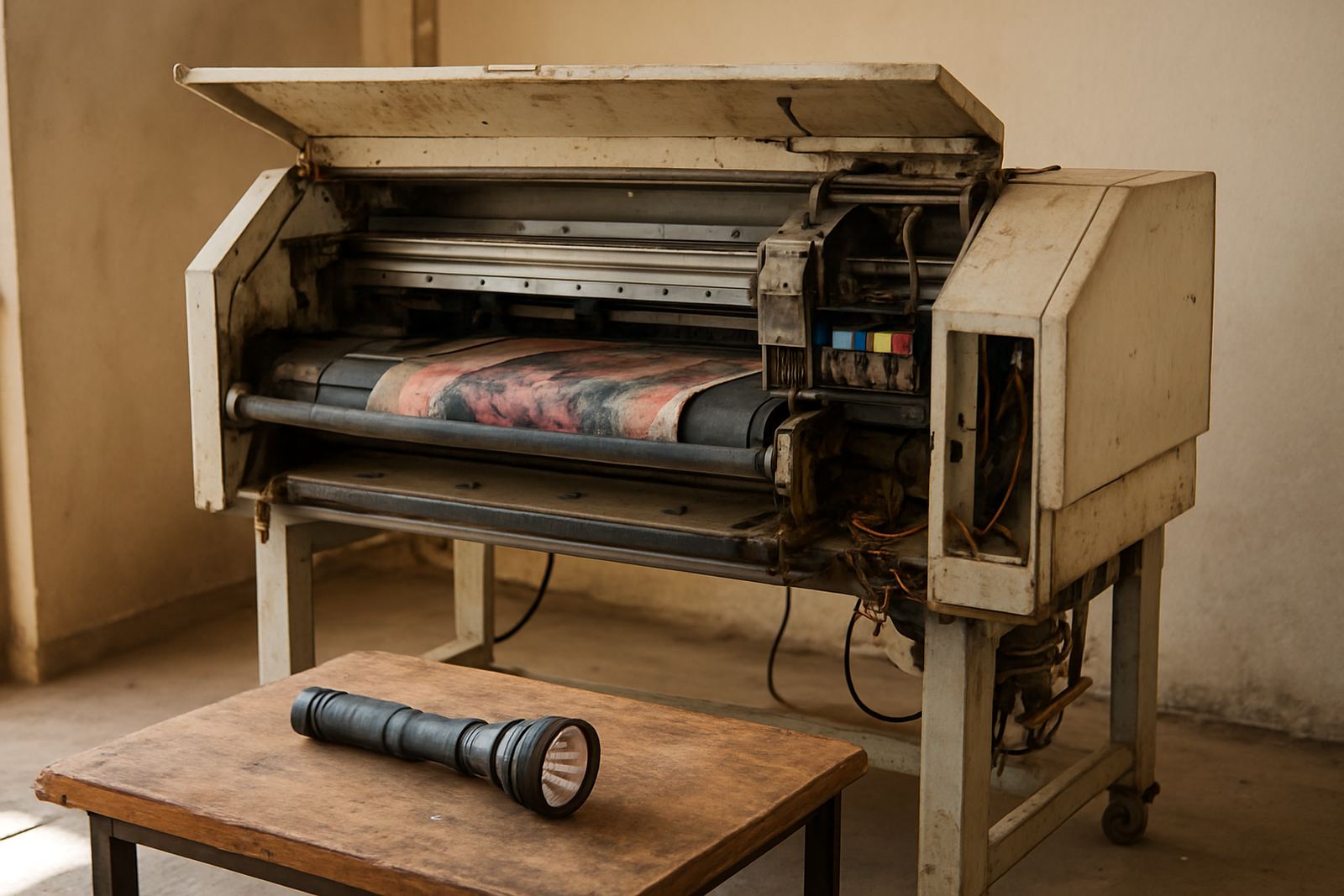
Many buyers focus on whether the unit powers on and prints a sample. That is not enough. You need to know how it was used, how many hours it ran, what inks were in the system and whether the previous owner did regular cleaning. If a machine sat idle in a humid place near Durban or was moved around without proper packing, the risk goes up fast. A printer can look tidy on the outside but still have a printhead issue waiting to show itself.
The hidden costs buyers often miss
Used equipment often comes with costs that do not appear on the invoice. Transport from Germiston to Cape Town, re-installation, operator retraining and possible part replacement all add up. If the machine has been stored badly, you may also need flushing, alignment work or a full service before it is ready for production.
- Ink system cleaning after unknown consumables were used
- Replacement of worn belts, clamps or pressure parts
- New cables, sensors or control boards
- Colour profiling time to get print results back on spec
- Downtime while repairs are completed and tests are done
There is also the cost of uncertainty. If a machine fails during a rush order for schoolwear in Pretoria or boutique fabric runs in Johannesburg, you may have to outsource printing and absorb the margin loss. That is why a purchase should always be judged on total cost, not just the sticker price.
What to check before money changes hands
Ask for a proper run test on the actual material you plan to print. A sample on plain paper means very little. You want to see repeat colour, clean edges and even feed across the full width. Watch for banding, missing nozzles and any hesitation in the carriage movement. If possible, stay for a few minutes while the machine warms up and runs a longer job.
- Confirm the machine model, serial number and service history
- Check for rust, dust build-up and signs of liquid damage
- Inspect ink lines, pumps, capping station and printhead area
- Test the heat press for even temperature across the platen
- Ask what spare parts are still available locally
Do not rely on a quick verbal promise that everything is fine. If the seller cannot show you proper maintenance records or gives vague answers about previous repairs, take that as a warning. A machine can pass a short test and still fail once it is under daily use in a busy workshop.
Why South African working conditions matter
Our conditions put extra strain on textile equipment. Load-shedding can interrupt a print run mid-job and damage output if the machine is not shut down correctly. Coastal humidity can affect ink behaviour and storage, while dust in industrial areas around Wadeville, Boksburg and parts of Midrand can clog sensitive components if cleaning is neglected.
Used machines from other environments may not be suited to local power stability or workshop conditions. If the previous owner ran the unit in a climate-controlled factory and you are putting it into a small space with patchy ventilation, the real-world performance may be very different. Even the best-looking machine needs to suit the way your team actually works.
The support question is as important as the machine
Many first-time buyers underestimate how much support they need after the sale. A pre-owned machine with no setup guidance can keep you busy for the wrong reasons. If you do not have someone to assist with installation, operator training and colour profiling, the machine may never produce the quality you paid for.
Support matters most when something goes wrong on a deadline. Remote troubleshooting can solve small issues quickly, but only if the equipment is known and the setup was done properly. For example, a boutique in Bloemfontein may need help with media choice, while a garment shop in Durban may need guidance on ink handling because of moisture and storage conditions. Without that back-up, a bargain becomes a daily headache.
A practical buying rule for small garment businesses
For a small business, the safest approach is simple: only buy used equipment if you can verify its condition, budget for a full recommissioning and have a clear plan for training and servicing. If the seller cannot answer basic questions, or if the machine needs major parts before it can print properly, walk away. There will always be another unit, but there may not be another chance to protect your cash flow.
A local example is a start-up in Germiston looking at a second-hand textile printer to fill repeat orders for custom fashion fabric. If that machine needs a new printhead, fresh lines, a heat press service and a full colour setup, the real cost may be close to a newer unit with proper support. That is why buyers should compare the whole picture, not just the asking price, and not rush the decision because stock is moving fast.