
Start with the room, not the roll
Good storage begins with the space itself. Fabric should be kept in a clean dry room with steady airflow and as little direct sun as possible. In Germiston or Wadeville that usually means a storeroom away from open roller doors, grinding dust and damp corners where condensation can form overnight.
If you store rolls on the floor, they pick up moisture and flatten at the edges. Use raised racks, pallets or shelving that keeps stock at least 100 mm off the slab. For printed yardage, a closed cupboard or covered shelf helps stop dust from settling into fresh ink and keeps the edges from fraying while you wait for cutting or finishing.
Keep blank fabric in order before the first print
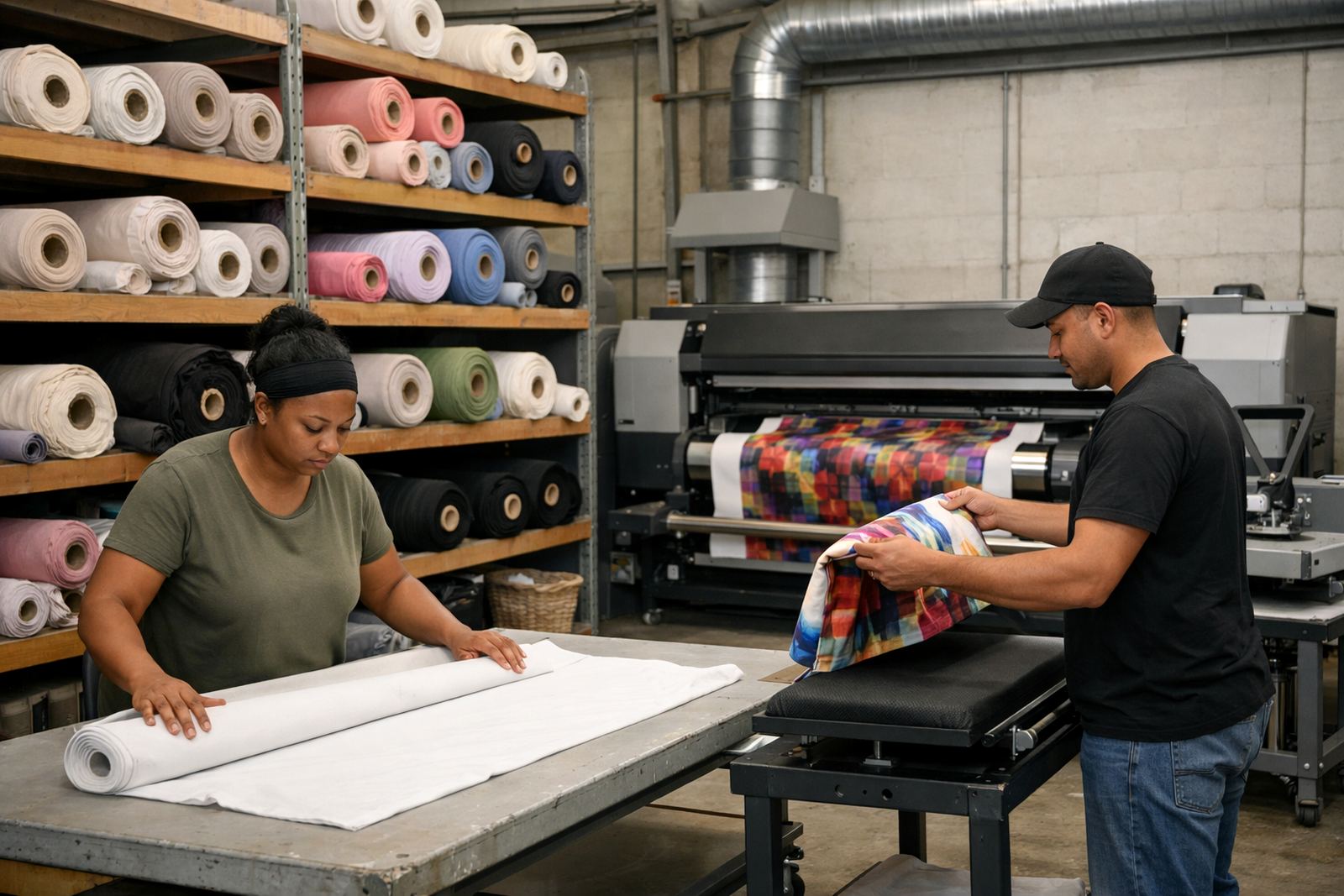
Blank textiles are easiest to manage when every roll or bundle has a fixed place. Label the fabric type, width, colour, supplier batch and date received. That sounds basic, but it prevents a lot of waste when you are matching repeat orders or checking which roll should be used first.
- Store by fibre type first, then by colour and width.
- Use first in, first out so older stock does not sit for months.
- Keep cotton, polyester blends and coated fabrics separated.
- Leave enough aisle space to move rolls without dragging them across the floor.
In humid coastal areas like Durban, wrapped stock should stay sealed until needed. In drier inland areas, dust is the bigger problem, so a simple cover can be just as useful as a full cabinet.
Protect printed textiles while ink settles
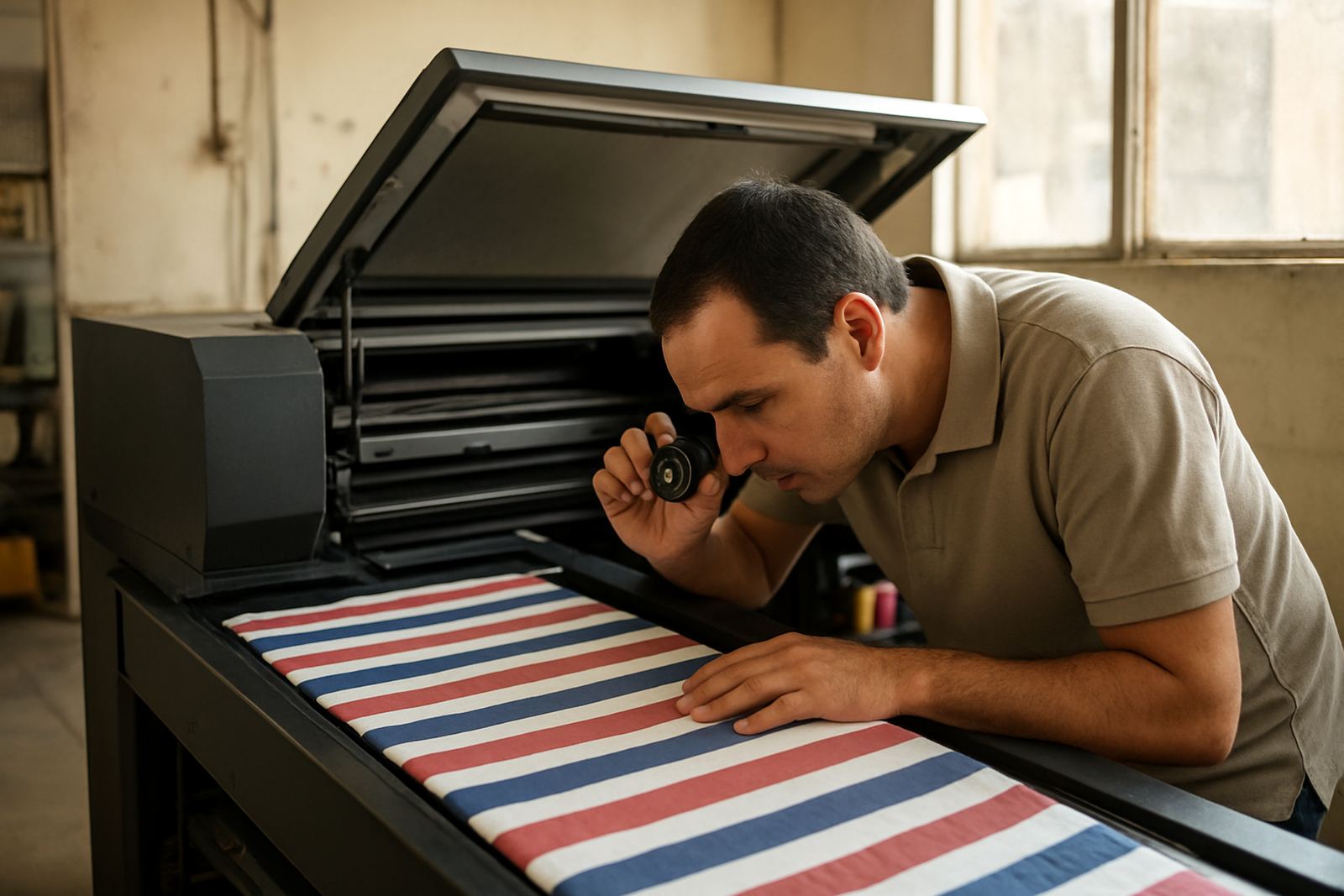
Freshly printed fabric needs a little breathing room. If you stack sheets too soon, colours can transfer, edges can stick and the surface can mark where it touches a rough board or cardboard. Keep printed pieces flat and separate until they are fully cured or heat fixed according to your production method.
For small garment makers in Johannesburg or Pretoria, a clean drying rack is often enough for short runs. For bigger batches, use labelled trays or hanging rails so each job stays together. If the room is warm, allow extra cooling time before folding or rolling. It is better to wait a few minutes than to lose a whole order to offsetting.
- Do not fold prints while they are still warm.
- Use acid-free paper or clean release sheets between layers if needed.
- Avoid plastic bags trapping heat straight after printing.
- Keep finished jobs away from steam presses and wet cleaning areas.
Watch humidity, dust and load-shedding
South African production spaces have a few local challenges that can spoil good stock control. Humidity can make fabric limp and encourage mould spots. Dust can cling to treated textiles and leave marks once the item is pressed or packed. Load-shedding can interrupt drying, so a half-finished pile may sit longer than planned and pick up creases or contamination.
To reduce the risk, keep doors closed when grinding, cutting or sanding is happening nearby. Use covered bins for offcuts and keep printed stock away from open windows. If the power goes off often, plan your print runs so the last job of the day is not left vulnerable on the table overnight. A small backup light and a clear packing routine help more than people expect.
Build a storage habit around the production flow
The best storage system follows the way work moves through the shop. Fabric comes in, gets checked, printed or pressed, then moves to curing, cutting, sewing and packing. If stock has to cross the room three times, you will lose time and probably misplace something. Keep a simple path from receiving to production to finished goods.
A local example: a small clothing business in Boksburg may receive cotton blanks on Monday, print by Tuesday, cure overnight and pack by Wednesday. If the fabric stays in one marked zone at every stage, the team knows exactly what is ready and what still needs attention. That kind of routine keeps the floor clear and makes counts easier at month end.
- Create one zone for incoming fabric, one for work in progress and one for finished stock.
- Mark shelves clearly so staff do not mix printed and unprinted batches.
- Check stock weekly for dust, moisture, odour or creasing.
- Record spoilage quickly so you can spot recurring problems.
Use handling rules that suit small teams
Small businesses often rely on two or three people doing everything, so storage rules must be simple enough to follow under pressure. Train the team to lift rolls with two hands, keep labels facing out and return each item to the same place after use. If one person knows the system but everyone else guesses, the storage area becomes messy within a week.
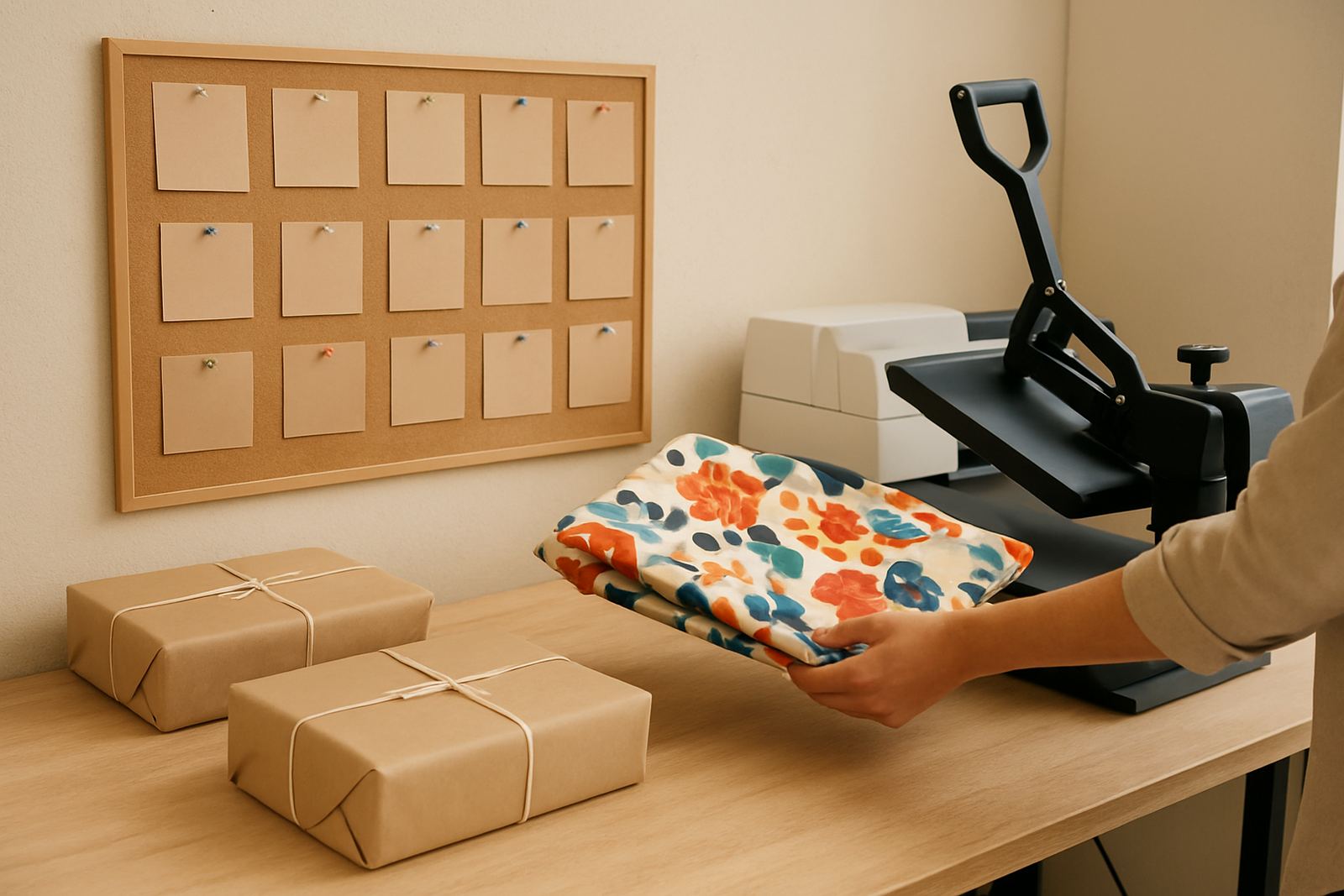
Set a few non-negotiables: no food near fabric, no wet cleaning cloths on top of stock and no open ink containers in the same cupboard as finished prints. It helps to keep spare packaging, tape and tags together so packed orders do not sit half-finished on a wet or dusty surface.
Store for the next order, not just today
Good fabric storage is really about protecting tomorrow's production. When blank and printed textiles stay clean, dry and properly labelled, you reduce waste, speed up dispatch and keep quality consistent from one run to the next. That matters whether you are running a boutique in Cape Town or a small textile shop in Bloemfontein.
At Fabric Printer we often see the same pattern: the equipment may be sound, but the stock room is where profit is won or lost. A better storage habit protects colour, shape and finish, and it gives your team a calmer start every morning.