Why a short promise can cost you more than a longer one
Small garment and textile businesses in South Africa often feel pressure to promise quick delivery just to win the job. That can work for a simple one colour run, but once you add fabric prep, test prints, curing, finishing and packing, the clock starts moving fast. If the timeline is too tight, teams rush the machine settings and the result is usually wasted fabric, inconsistent colour, or a reprint that eats into margin.
A realistic turnaround is not a sign of weakness. It shows the customer that you understand production properly and are planning for load-shedding, courier cut-offs, coastal humidity, and the real condition of the material. A customer in Germiston may drop off plain cotton in the morning, but if the cloth still needs profiling or the artwork arrives late, that job is no longer a same-day order no matter how hard everyone tries.
Build every quote around the actual production steps
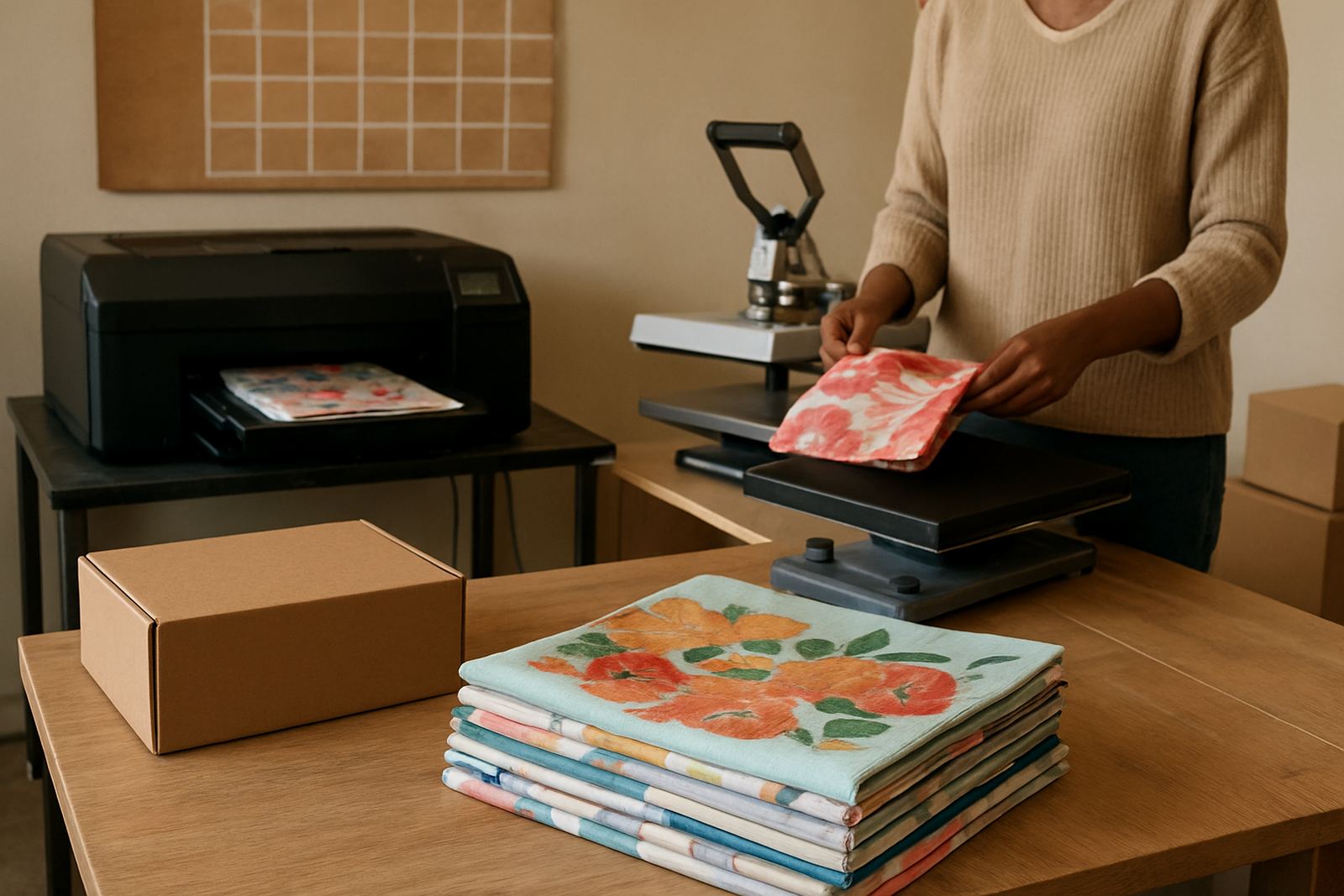
Instead of quoting from the end result backwards, break the job into clear stages. That helps you see where time is really used and where a delay can happen. For direct-to-fabric work, the process usually includes file checking, fabric inspection, test printing, machine setup, production printing, drying or heat pressing, trimming, folding, and final handover.
- Artwork check and colour approval
- Fabric inspection for width, weave, stretch and moisture
- Machine setup and calibration
- Printing, curing or heat pressing
- Quality control and packing
If you leave out even one of these steps, the turnaround will look shorter on paper than it is in practice. That is how businesses end up promising Tuesday and delivering on Thursday, which damages trust quickly.
Give each job a buffer for the things South African workshops deal with
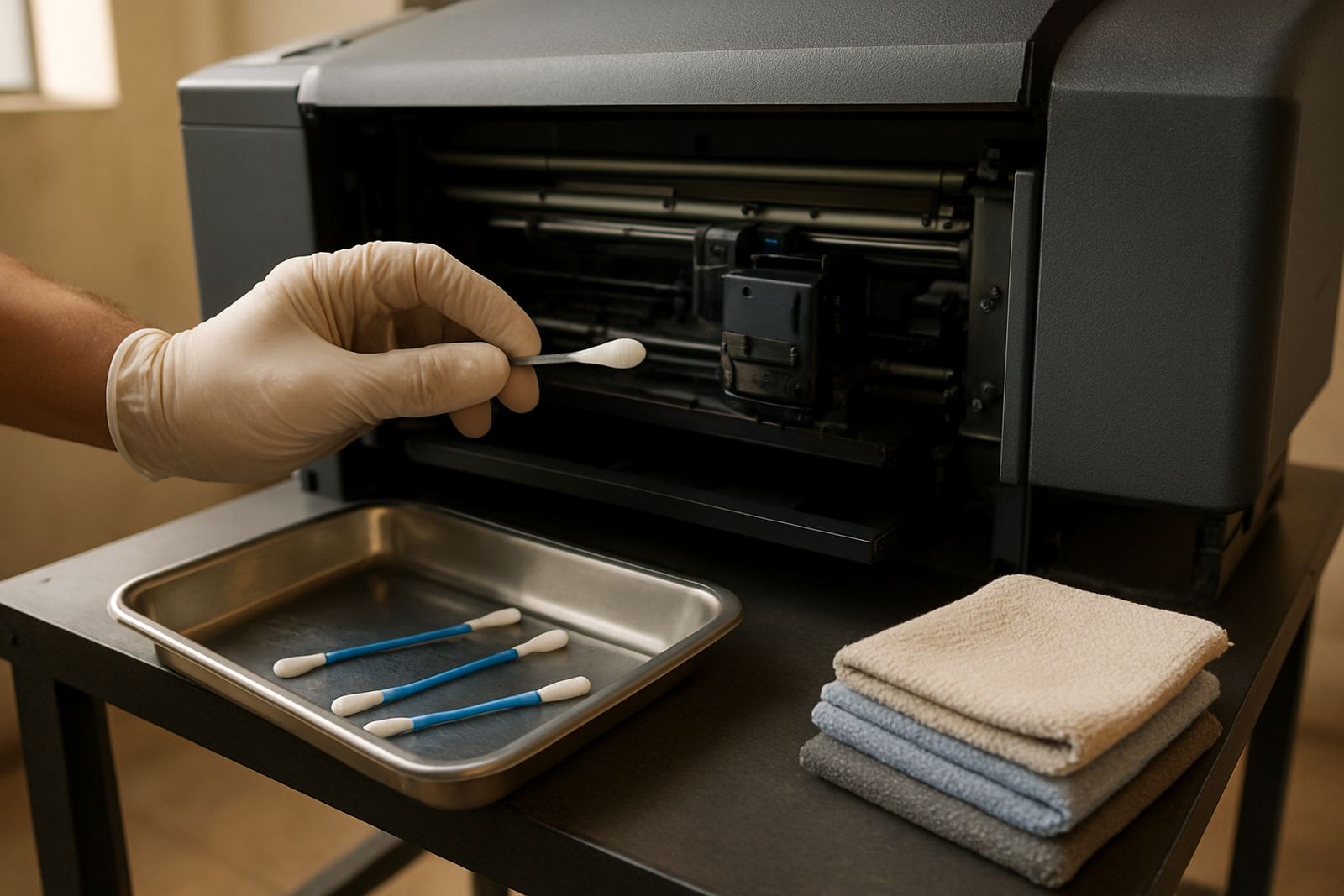
In Wadeville, Boksburg or Midrand, a normal production day can change fast. A power cut can stop a run halfway through. A courier may arrive late. A machine can need head cleaning before a long order starts. In Durban, humidity can affect fabric handling. In Cape Town, windy conditions can create problems with storage and packing. Your turnaround should leave room for that reality.
A useful rule is to quote the job time plus a small buffer, not the bare minimum. For example, if a run looks like two working days, promise three unless the schedule is completely clear and the material is ready. That one extra day gives you breathing room and keeps the customer from feeling misled if something small slows the line.
Use a simple quote structure that sets the right expectation
Customers respond well when the timing is explained plainly. You do not need a long lecture, just a clear statement of what is included and what is not. If the order depends on approved artwork, pre-treated fabric, or a specific ink system, say so before the invoice is sent.
- State the lead time in working days, not calendar days
- Confirm when artwork and fabric must be received
- Separate setup time from repeat order time
- Explain that urgent work may carry a surcharge
- Note that colour approval can add one extra day
This kind of structure helps both sides. The customer knows what to expect and your team can plan the machine time without squeezing out maintenance or other paid jobs.
A Johannesburg example: what happens when a rush order gets managed properly
A small clothing label in Johannesburg might want 200 custom printed metres for a weekend market launch. If they ask on Monday for collection on Wednesday, the honest reply may be that the job is possible only if the file is ready, the fabric is on site, and the machine is already calibrated for that material. If not, the safer promise is Thursday morning. That extra day allows for a test strip, colour check, and a proper dry down before packing.
When the timeline is explained this way, the customer usually understands. They care about getting sellable stock, not about forcing the workshop into a corner. A clean delivery one day later is better than an early delivery with smudged prints or colour shifts that end up on the reject pile.
Train the team to quote the same way every time
Inconsistent promises often come from inconsistent quoting. One staff member says two days, another says four, and the customer starts comparing notes. That is why sales, production and after-sales support should agree on a standard turnaround guide for each machine type and job size. At Fabric Printer, that usually means working with the same facts each time: the machine condition, the fabric type, the ink load, the finishing method, and whether the operator has enough time on the line.
It also helps to review jobs after completion. If a type of order always takes longer than planned, update the quote guide instead of hoping it will improve next time. Small corrections like this save money and reduce pressure on the whole workshop.
- Review completed jobs once a week
- Track where delays started
- Adjust lead times for repeat patterns
- Keep a clear record of urgent jobs
Protect quality first, then promise the date
The best turnaround promise is the one your business can keep on a busy week, not only on a quiet one. Customers stay loyal when they receive the goods they were promised, in the condition they were promised. That is especially important in textile work where colour consistency, fabric handling and finishing all affect the final sale.
If you are servicing clients across Johannesburg, Pretoria, Durban, Cape Town or Bloemfontein, keep the promise grounded in your real capacity. A realistic lead time may feel less exciting at the quote stage, but it builds trust, protects your margin, and gives your team space to do proper work without cutting corners.