When one press becomes the bottleneck
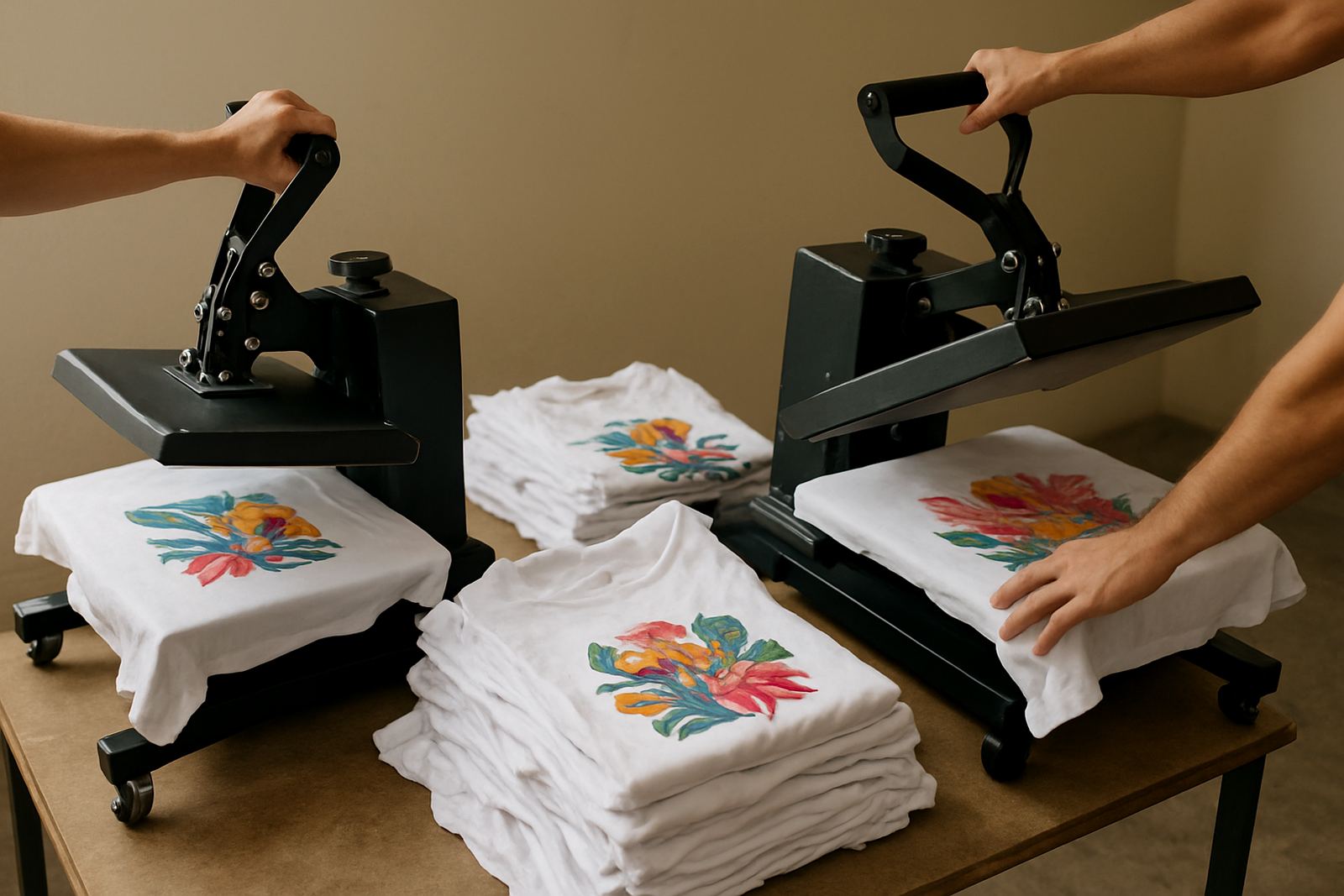
Many small garment and textile businesses start with one heat press and make it work through careful scheduling. That is fine while orders are small and seasonal, but once jobs start landing on the same day, the press becomes the point where production slows down.
If you are printing school shirts in the morning, tote bags after lunch, and event items before closing, one machine can only do so much. The real warning signs are not dramatic. They are the quiet ones: staff waiting around, transfers cooling while the queue grows, and customers phoning to ask whether their order is ready yet.
In Germiston and the wider East Rand, many operators run with limited floor space and power interruptions to think about. A second press is not only about speed, it is about keeping the day moving when loadshedding or a breakdown interrupts the plan. That backup capacity can save a full production run and spare you a late-night catch-up.
The numbers that show when a second press makes sense
Before buying more equipment, look at actual weekly output. Count how many items you press in a normal week, how often jobs queue up, and how many hours the current press sits idle between batches. If the machine is busy most of the day, or if you are losing jobs because lead times are too long, extra capacity can be justified.
- More than one operator needs the press at the same time
- Orders are delayed because prints must wait for one machine to free up
- Rush jobs force overtime or weekend catch-up
- You are rejecting work because the current setup cannot meet deadlines
- Your press is running so often that wear and temperature consistency start to slip
It also helps to price the lost work. If a missed order is worth R3,000 to R8,000 and happens twice a month, the cost of staying undersized becomes easy to see. A second machine or a larger platen can pay back faster than many owners expect, especially in seasons like back-to-school or year-end gifting.
Second press or bigger press: which option fits the job
Some businesses need a second press. Others need one bigger press with a wider platen, stronger pressure control, or better layout for the products they make most. The right answer depends on your mix of garments, bag sizes and transfer formats.
If you mainly do repeat work across different product types, two presses can be more useful because one can handle small items while the other handles larger pieces. If you mostly press the same item size all day, a larger press may be the smarter choice. In a tight workshop, one larger machine can also free up space and reduce the movement between stations.
There is no rule that says both machines must be identical. A practical combination is often one main press for bulk jobs and a smaller unit for samples, labels and quick turnaround work. That gives you flexibility without forcing every job through the same bottleneck. For a shop in Pretoria handling corporate shirts and promotional caps, for example, that mix can keep production moving without overcomplicating the floor plan.
Planning for power, floor space and workflow
Heat press capacity is not only about the machine itself. You need enough electrical supply, enough bench or stand space, and a workflow that keeps finished pieces separate from work still to be done. In many South African towns, especially where municipal power supply is inconsistent, that planning matters as much as the purchase.
Before adding capacity, check these basics:
- Available plug points and whether they share a circuit with other heavy equipment
- Clear working space around the press for safe opening and closing
- Ventilation, especially in enclosed rooms with high ambient heat
- Storage for transfer media, garments and completed orders
- Backup power arrangements if your area is affected by load-shedding
In coastal areas like Durban, humidity can affect some materials and storage conditions, while inland sites may battle dust and dry air. A good setup takes those conditions into account. Keeping film, paper and garments in a clean, dry area helps maintain consistent results and reduces waste.
How extra capacity protects quality, not just speed
When one press is under pressure, operators tend to rush pre-pressing, skimp on alignment or load jobs before the platen is ready. That is where mistakes creep in. Additional capacity gives the team time to work properly instead of working fast and hoping for the best.
Better spacing between jobs also improves temperature consistency. If one operator is trying to push job after job without a break, platen heat can fluctuate and that affects finish quality. With a second machine, or a larger setup that matches your output, you can keep the process steadier and reduce rework.
For textile businesses that supply boutiques or schoolwear shops, consistency matters just as much as volume. One poor transfer on a sample order can lead to a lost customer. A cleaner workflow and less waiting around usually means fewer returns and less scrap. That is real money, not just a nice-to-have improvement.
A local example from a growing Germiston workshop
A small clothing workshop in Wadeville started with one heat press and handled mostly short-run custom shirts. As orders grew, the team began taking corporate items, event wear and tote bags at the same time. By the middle of the month, the press was booked solid and the team was working late two or three nights a week.
After reviewing their jobs, they added a second press rather than replacing the original one. The first unit stayed on larger garments, while the second handled rush orders and smaller items. They were able to split the work, shorten turnaround times and keep one machine available when the other needed cleaning or a quick service check. That simple change stopped the daily backlog and made it easier to plan stock and labour.
What changed most was not only production speed. They stopped saying yes to fewer jobs. Once the team knew they could meet deadlines without falling behind, they started quoting larger orders with confidence. That is the real benefit of added capacity.