What a heat press actually does in a small workshop
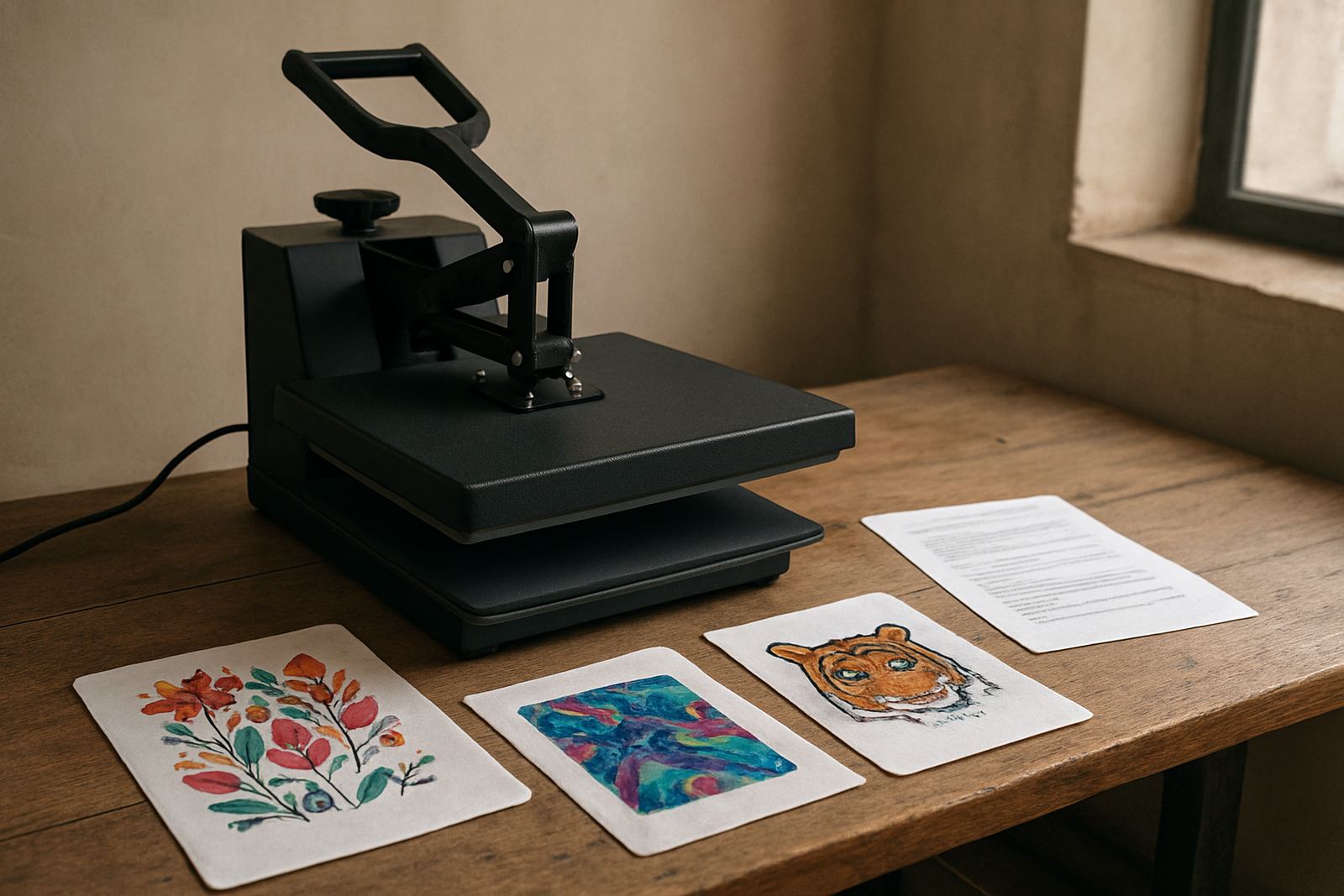
A heat press uses controlled heat, pressure and time to bond a transfer onto fabric or another prepared surface. In simple terms, it gives you far more consistency than an ordinary iron because the top plate closes with even pressure across the full platen. That matters when you are producing repeat orders for schoolwear, teamwear, branded work shirts or tote bags.
In South African shops, the press is often used after printing or cutting transfers, but it can also be the main production tool for vinyl names, numbers, sublimation blanks and some specialty papers. The machine is only part of the result though. Fabric type, garment finish, moisture in the cloth and the operator’s timing all play a role. If the fabric is too damp or the temperature is set too high, the transfer may crack, shift or leave a mark.
The settings that matter most before you press
Most operators start with three basics: temperature, pressure and dwell time. Temperature is the heat on the top platen, pressure is how firmly the machine closes, and dwell time is how long the transfer stays under heat. Some jobs need a quick press at a medium temperature, while others need a longer cure with lighter pressure. There is no single setting that works for every material, which is why test pieces save time and wasted stock.
- Temperature: follow the transfer supplier’s guide and check the heat with a reliable thermometer if needed.
- Pressure: light pressure suits delicate fabrics, while thicker garments often need firmer contact.
- Time: too short gives poor adhesion, too long can scorch the fabric or flatten textured prints.
- Pre-press: a short warm-up removes moisture and wrinkles before the transfer goes on.
- Peel method: some films are hot peel, others warm peel or cold peel, and that changes the finish.
A good habit is to keep a simple logbook. Write down the fabric type, the transfer used, the settings and the result. After a few weeks you will have a practical reference that saves repeat testing.
Choosing the right press for shirts, caps and bags
Not every heat press does the same job. A flat press is the most common choice for T-shirts, hoodies, tote bags and panels. A cap press has a curved lower platen for headwear, while some shops also use mug or plate accessories depending on the range they offer. For a small business in Germiston, one flat press can handle a lot of daily work if the operator plans the queue properly.
Size also matters. A compact press is useful when space is tight, but it may slow down larger runs because you need more placements. A larger platen gives better coverage for bigger artwork and adult-size garments. In a workshop that already has print finishing, cutting tables and packing space, the press should fit the workflow rather than fight it. If the machine sits too close to the washing area or open windows, dust and moisture can become a problem too.
For shops near the coast, humidity can affect stored transfers and blank garments. Keep consumables sealed and allow cold stock to warm up in the room before use. That small step helps reduce lifting edges and uneven application.
Common textile jobs where heat pressing pays off
The heat press earns its place because it works across many order types. It can support a shop that prints custom school T-shirts in Johannesburg, finishes a sports kit order for Pretoria, or adds names to baby grows for a boutique in Durban. Once the setup is dialled in, the machine is good for short runs and personalised pieces where screen printing would be too costly.
- Custom names and numbers on sportswear
- Branded workwear for small businesses and events
- Promotion items such as tote bags and aprons
- Fashion pieces with limited-edition graphics
- Samples and test runs before larger production
It also helps with production control. If a print comes off the main printer with a slight shift in colour or alignment, the press gives you a final stage to check before the item leaves the shop. That is useful when customers want neat, repeatable results, not just a one-off print that looks fine from a distance.
Why training matters more than guesswork
Many first-time operators think the press is simple because there are only a few buttons. In practice, the machine responds to pressure balance, platen heat, garment thickness and operator timing. Training helps staff avoid common mistakes like pressing over seams, loading garments with trapped moisture, or opening the machine too soon after the cycle ends.
For example, a small textile shop in Boksburg may receive a rush order of forty promotional shirts for a local event. If the team has not standardised its settings, one shirt may look perfect while the next shows a dull patch or incomplete bond. A short training session gives the staff a repeatable process, which is especially important when there are load-shedding interruptions and production needs to restart after a stop.
Good practice is to keep the work area organised. Place transfers in order, separate sizes clearly and keep pressing pads clean. A tidy station reduces errors and helps new staff settle in faster. That is often the difference between a busy but controlled workshop and one that wastes time redoing work.
Simple maintenance habits that protect output and save money
A heat press does not need complicated care, but it does need attention. Wipe the platen when it is safe to clean, check the pressure adjustment regularly and inspect the silicone pad for wear. If the lower pad becomes uneven, the pressure will not spread evenly across the garment and the print can start lifting at the edges.
It is also worth watching the power supply. Many South African workshops work around outages, surges and frequent switching. Use proper protection where possible and let the machine cool and warm up correctly after an interruption. If your shop relocates, the press should be handled carefully because a knocked platen or bent frame can change the pressure alignment.
- Clean the platen and pad after busy production days
- Check cables, switches and the timer for damage
- Store transfer materials in a dry, dust-free place
- Test settings again after moving the machine
- Book servicing before small faults become breakdowns
For small garment businesses, the right heat press is not just a finishing tool. It is part of reliable daily production, and when it is set correctly the difference shows in every order that leaves the shop.