Start With the True Cost of One Printed Metre
The first step is to work out what one metre of printed fabric really costs you before you add profit. That means the fabric itself, ink use, pretreatment if needed, electricity, labour, testing, spoilage and the cost of running the machine. In South Africa, where power cuts and rising input costs are part of daily trading, leaving out any of these items can make a quote look good but leave very little in the till.
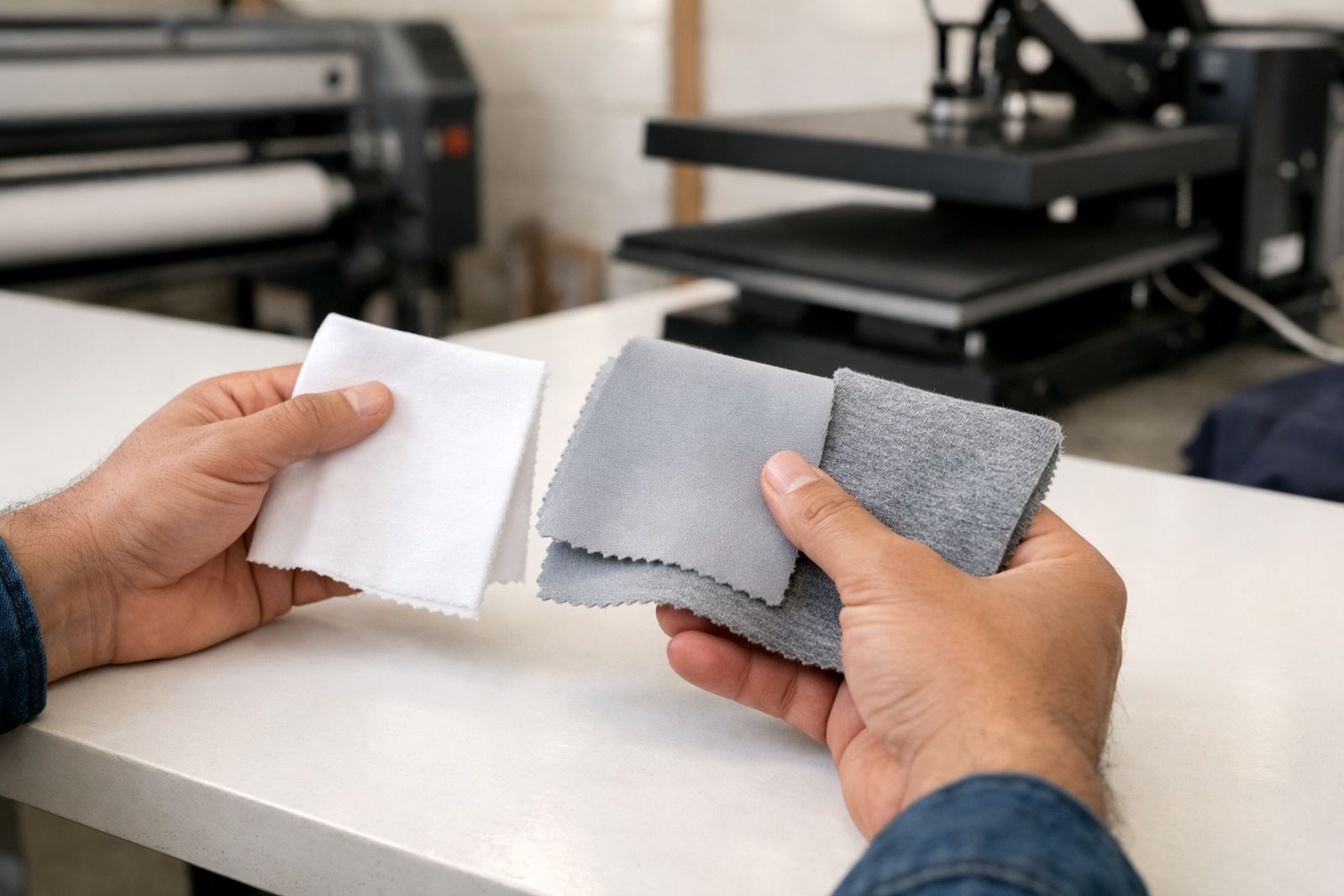
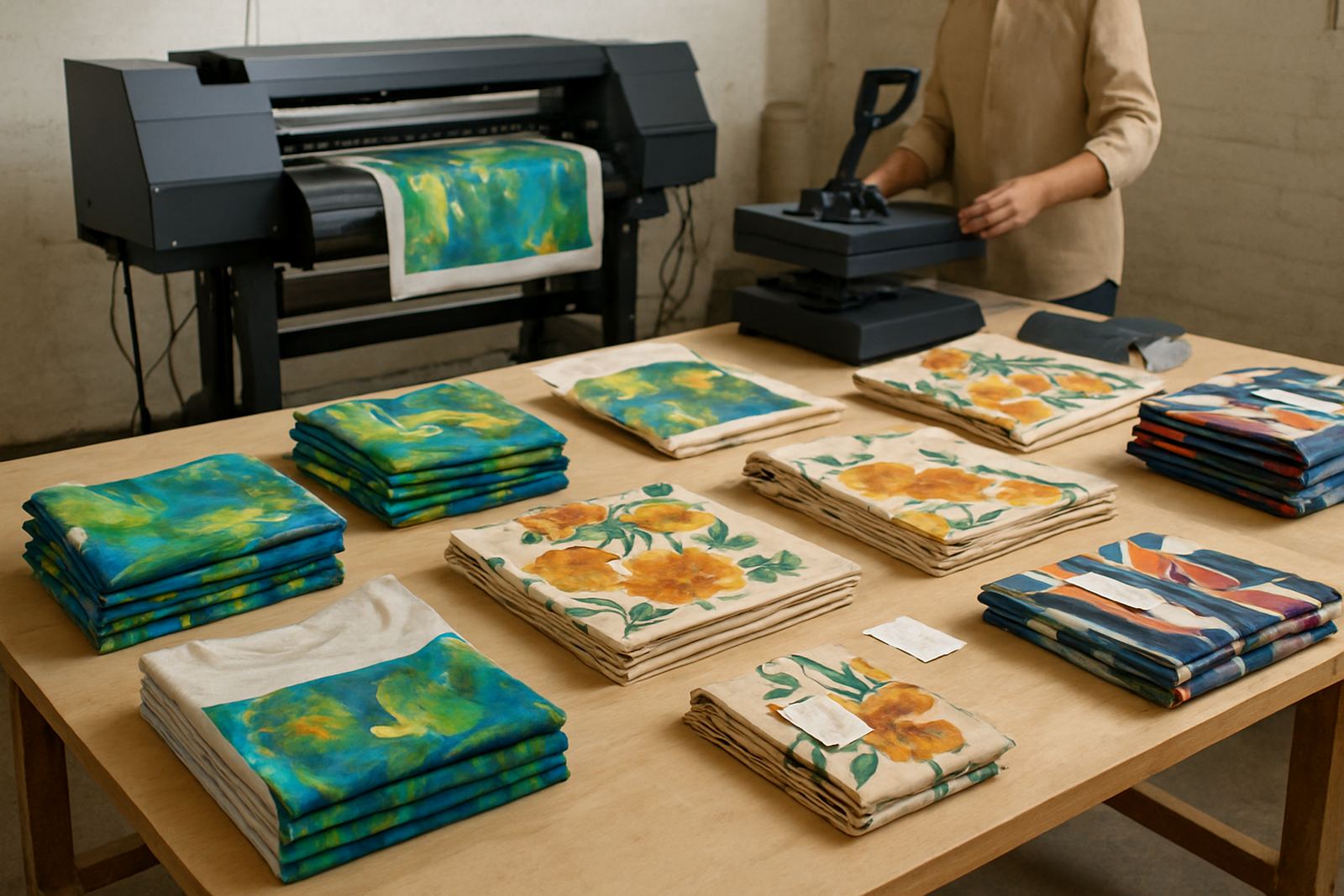
For a small garment or textile shop, it helps to build a simple costing sheet for each substrate you use. A lightweight polycotton for labels will not cost the same to print as a heavier cotton poplin for fashion samples, and the ink coverage can vary a lot. If you are printing full colour repeat patterns, include a buffer for head cleaning and set-up waste. A job that uses 12 metres on paper may take 14 or 15 metres in practice once you allow for test runs and edge loss.
- Fabric cost per metre
- Ink cost per square metre or per print job
- Machine time and operator time
- Electricity and backup power use
- Waste, spoilage and reprints
Add Labour for Setup, Printing and Finishing
Many small operators charge only for the print itself and forget the time spent getting there. A custom fabric job includes artwork checking, file setup, colour adjustment, loading the roll, test prints, drying, inspection and packing. If the job needs heat pressing after printing, that adds another step and another cost. Even a simple order can take more hands-on time than expected.
A practical way to price labour is to decide on an hourly rate that covers wages and business overheads, then apply it to the real time spent on the order. For example, if a job takes 40 minutes of preparation, 25 minutes of printing, and 15 minutes of finishing, you should not charge only for the 25 minutes at the machine. Small shops often make the mistake of undercharging on short runs because they think the print is quick, but the setup is where a lot of the work happens.
- Artwork check and file prep
- Machine setup and test print
- Printing time
- Drying or curing time
- Cutting, packing and handover
Use a Mark-Up That Matches the Risk
Not every job should carry the same mark-up. A repeat order for a regular client may justify a lower margin if the file is already ready and the fabric is familiar. A one-off sample for a boutique in Maboneng or a startup in Pretoria might need a stronger margin because the risk of rework is higher. If the design has fine detail, multiple colour layers or tight registration, factor in the chance of slower output and possible spoilage.
Your mark-up should also help cover the quiet times. A shop cannot price only for the minutes spent on a single order and ignore rent, admin, maintenance and marketing. Those costs still exist when the machine is idle. This is why a percentage mark-up on top of direct cost works better than a flat fee for every job. It gives you room to stay open during slower months and still pay for servicing and consumables.
As a guide, many small businesses use separate margins for different job types: standard repeat work, rush orders and complex custom runs. That keeps your quotes fair without turning every enquiry into a long debate.
Build in Overheads Before You Send the Quote
Overheads are the costs of staying in business, even when no fabric is moving through the machine. These include rent, staff administration, phone and data, transport, cleaning materials, servicing, insurance and training. If you are based in Wadeville or servicing clients across Johannesburg, Pretoria, Durban, Cape Town and Bloemfontein, you also need to allow for delivery time and transport between sites. Those costs should not come out of your pocket after the job is complete.
A simple method is to total your monthly overheads and divide that figure by the number of billable jobs or metres you expect to produce. That gives you an overhead recovery amount to add to each quote. It may look small on one order, but over a month it can be the difference between a profitable workshop and one that is always chasing cash flow.
- Monthly rent and utilities
- Staff support and admin
- Maintenance and servicing
- Transport and delivery costs
- Training and downtime allowance
A Johannesburg Sample Quote That Actually Holds Up
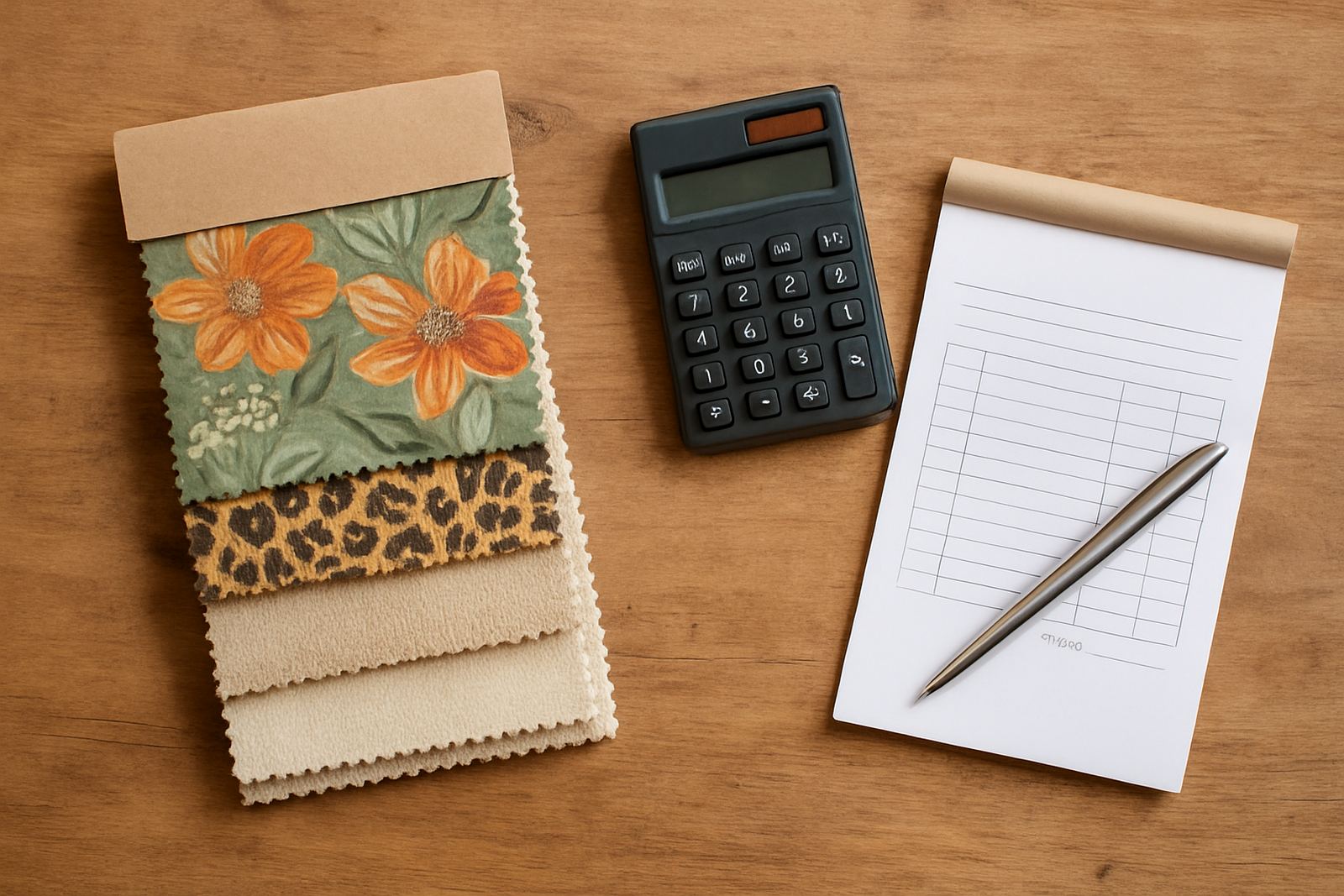
Let us say a boutique in Germiston wants 18 metres of custom printed fabric for a small clothing range. The fabric costs R48 per metre, ink and consumables come to R16 per metre, and you allow R12 per metre for labour and machine time. That gives a direct cost of R76 per metre, or R1,368 for the full run before overheads and profit. If you add an overhead recovery of R9 per metre and a mark-up of 30 percent, the selling price becomes far more realistic than a quick guess made over the counter.
That same job may look different if it is ordered on a Friday afternoon and needed by Monday morning. Rush work should carry a separate charge because it can disrupt the queue and force overtime. In summer, especially in coastal areas like Durban, humidity can also affect drying and handling so your timing needs to be more careful. If the client wants matching print repeat across several panels, factor in extra inspection time too. A clean quote explains these items upfront and avoids awkward talks later.
It also helps to show the client what is included. When people can see the fabric, print, set-up and packing costs broken out clearly, they understand why one quote is higher than another. That makes the conversation easier and often leads to fewer disputes.
Keep a Price List, But Adjust for the Job in Front of You
A printed price list is useful, but it should never be the only thing guiding your pricing. Fabric type, order size, design complexity and turnaround all change the final number. A 3 metre sample run does not have the same economics as a 60 metre production order. Small shops that use one fixed rate for everything often undercharge on low-volume jobs and lose money on the work that should be helping them grow.
Review your prices every few months. Ink costs, electricity, courier charges and fabric prices change, and your rate must change with them. If you have recently had a breakdown repair, added preventive servicing or sent staff for training, those costs need to be reflected in your next round of quotes. Good pricing is not only about covering today’s job, it is about keeping the business steady next month and next season.
For small garment and textile businesses, the best pricing method is the one you can use consistently. Keep it simple enough to apply on a busy floor, but detailed enough to protect your margin. When every metre is costed properly, you can quote with confidence and still leave room for a proper return.
- Review prices after any major cost change
- Separate standard, rush and complex jobs
- Track waste and rework each month
- Use real job times, not estimates from memory