Start with the cost per metre, not the machine price
When a customer asks what a print costs, the first mistake is to look only at the printer or heat press purchase price. The real picture is the cost per metre, because that is what tells you what you earn on each job. If you print on 10 metres of fabric today and 80 metres next week, the per metre figures change with ink usage, waste, labour and setup time.
A good pricing method starts with a simple split. Work out the direct material cost, then add labour, machine wear, power and a margin for servicing. If you leave out one of those pieces, the job may look profitable on paper but it will eat into cash once the monthly bills arrive.
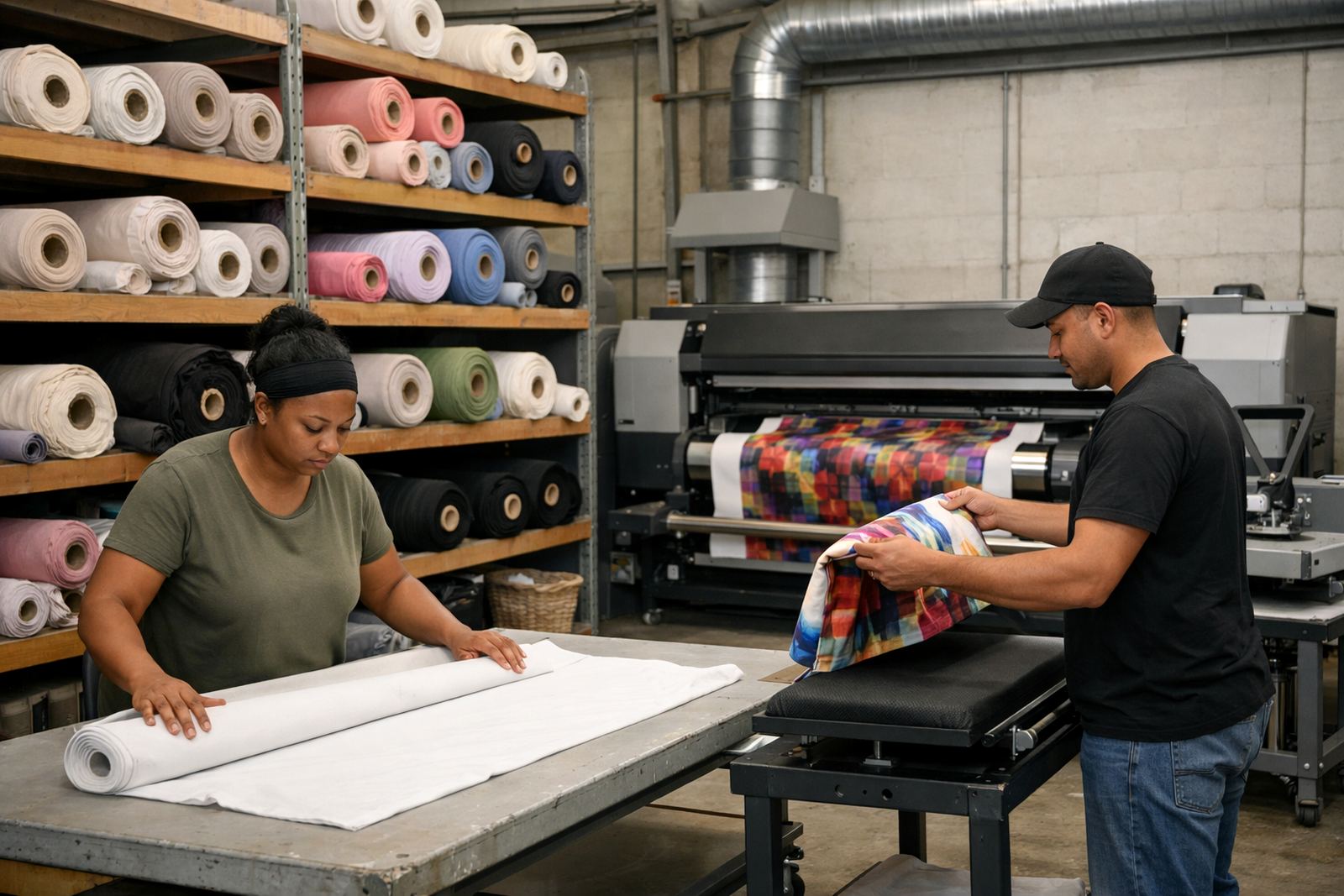
For a small shop in Germiston or Boksburg, this matters even more because the business often handles mixed orders. One customer may want a short run of custom tees, another may want table textiles for a school event, and a third may need repeat prints for a local boutique. Each type of work uses the machine differently.
Inks and media are only part of the bill
Ink is one of the clearest costs, but it is not the only one. Fabric type, print coverage, colour depth and the amount of test printing all change what you spend. Dark, detailed artwork usually uses more ink than a simple repeat motif. If your artwork needs several passes to get the shade right, that cost must be built into the quote.
Media costs also go beyond the fabric itself. You may lose metres to setup, alignment checks and edge trimming. On some jobs there is wastage from offcuts, failed samples or a head strike if the fabric was not loaded properly. That is why experienced operators include a small waste allowance in every estimate.
- Record ink use by job type, not just by month.
- Track fabric wastage separately from finished stock.
- Charge for sample runs when colour approval takes time.
- Keep note of special fabrics that need extra pretreatment or handling.
In Durban, where humidity can affect fabric handling and drying, the same job can behave differently from one week to the next. That means local conditions should be part of your costing, not an afterthought.
Labour is more than the person standing at the machine
Labour often gets underestimated because business owners count only the operator’s time at the printer. In reality, a job may involve artwork checks, file preparation, loading fabric, monitoring print quality, curing, packing and client communication. If the job is complex, colour matching can take longer than the actual print run.
For a small textile workshop, labour cost should reflect the full chain from enquiry to finished goods. A training day also counts, because a better-trained operator makes fewer mistakes and wastes less material. That is one reason set-up training has value well beyond the first day on site.
If your business in Pretoria or Midrand is doing multiple short runs, even ten minutes of wasted setup time on each order adds up fast. A clean costing sheet should show how long a standard job takes, then apply that to each quote rather than guessing.
Power use and load-shedding must be priced in
Electricity is not only a monthly bill, it is a planning issue. Direct-to-fabric printing and heat pressing both rely on stable power, and load-shedding can interrupt production, delay drying and create rework. A stopped job can mean staff sitting idle while deadlines move, which is a cost even if it does not appear on a supplier invoice.
Many small businesses use backup power for critical equipment, but backup power has its own running cost. Batteries need replacement over time, and inverters or generators need maintenance. If you do not include that in your pricing, your margin shrinks every time the lights go out.
- Allow for production delays during outages.
- Include backup power running costs if you use them.
- Do not schedule colour-critical work around uncertain supply times.
- Keep heat press jobs grouped so you do not switch equipment on and off repeatedly.
For shops in Johannesburg and Cape Town, where schedules can be tight and client collections happen on fixed days, a power interruption may push a delivery into the next business day. That can affect trust as much as it affects the spreadsheet.
Maintenance is cheaper than breakdown repairs
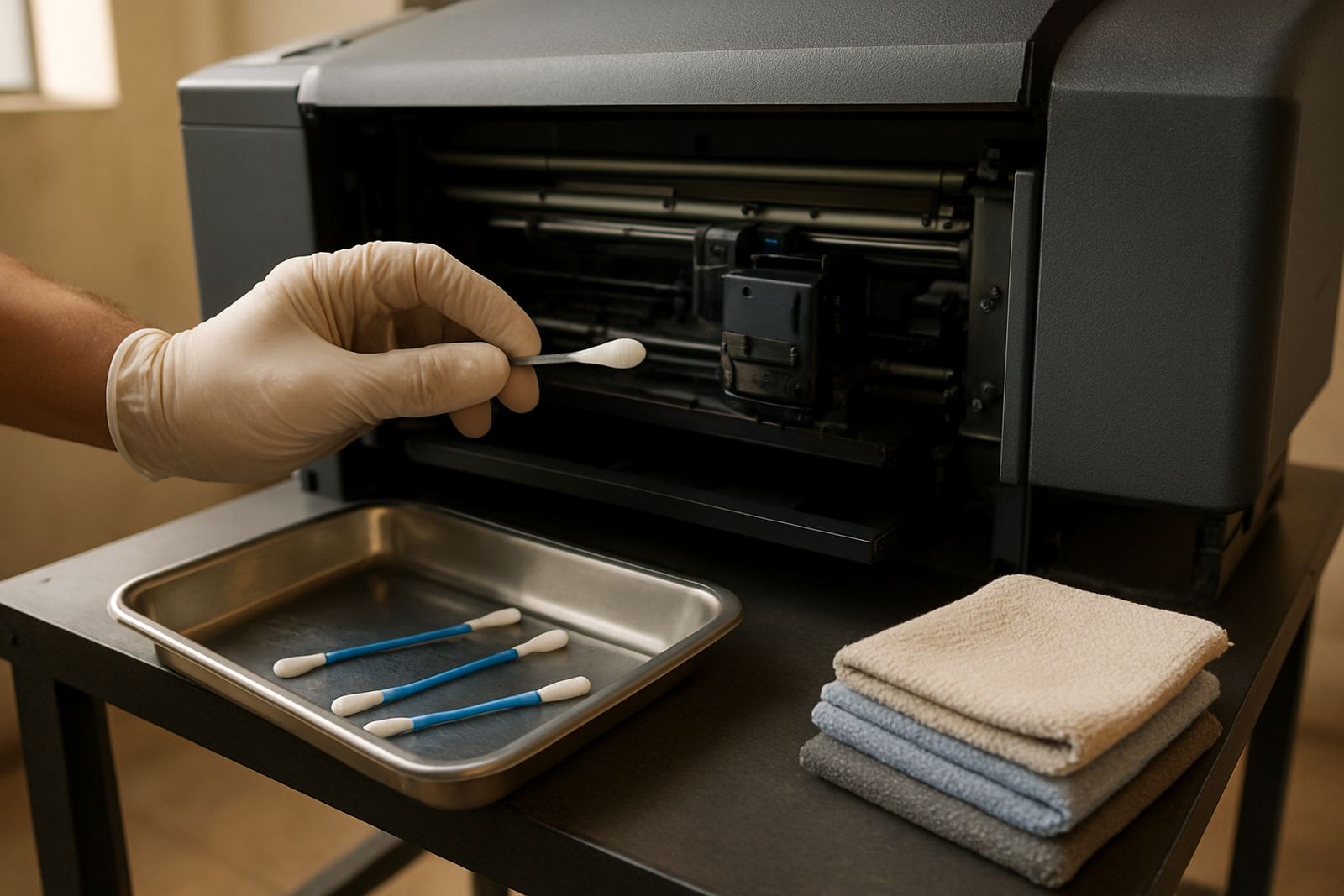
Every machine costs money to keep healthy. Preventive servicing, printhead cleaning, ink system flushing and spare parts all belong in the running-cost model. If you ignore maintenance, you may save a little this month and spend a lot more on a breakdown next month. A blocked line, damaged head or poor colour consistency can wipe out several jobs at once.
It helps to set aside a maintenance reserve for each metre printed. That reserve should cover regular servicing and a portion of future repairs. If you are relocating equipment, or running it in a dusty warehouse in Wadeville or Boksburg, the reserve should be a bit higher because those conditions can shorten service intervals.
A simple rule is to treat maintenance like stock, not like a surprise. When you budget for it properly, you can still quote competitively without working blind. And if a machine is due for service, you will know before quality starts slipping.
A Germiston example shows where the money goes
Take a small business in Germiston printing custom fabric for a local boutique and a school event. The owner has one printer, one heat press and a trained operator. The job looks straightforward, but the real cost includes artwork checking, test prints, fabric wastage, ink, power, labour and a small allowance for servicing. If the run is only 15 metres, the setup time becomes a much bigger part of the total than it would on a 100 metre order.
Now add a delay because the fabric arrived late and the operator had to hold the job for the afternoon. If the business had to keep staff on site, or rebook the press because of load-shedding, the labour cost rises again. That is why low-volume work needs a higher per metre price than bulk work, even when the material looks the same.
The businesses that price well are not guessing. They review actual jobs, compare estimate to final spend, then adjust the next quote. That habit builds steadier profit and fewer unpleasant surprises.
Price for margin, not for hope
A healthy quote should cover your direct costs and leave room for growth. That means you need a margin for training, repairs, spare parts and slow periods. If you only price to win the job, you end up financing the customer’s order with your own cashflow.
When you build running costs properly, you can explain your price with confidence. You are not selling a mystery number. You are selling reliable production, consistent colour and finished work that arrives on time. That is what keeps a small textile business alive in a competitive market.
Good pricing is not complicated, but it must be honest. Track the numbers, review them often and adjust when your materials, labour or power costs move. Then your print work can grow without guesswork.