
Start With Safety And The Room Around The Machine
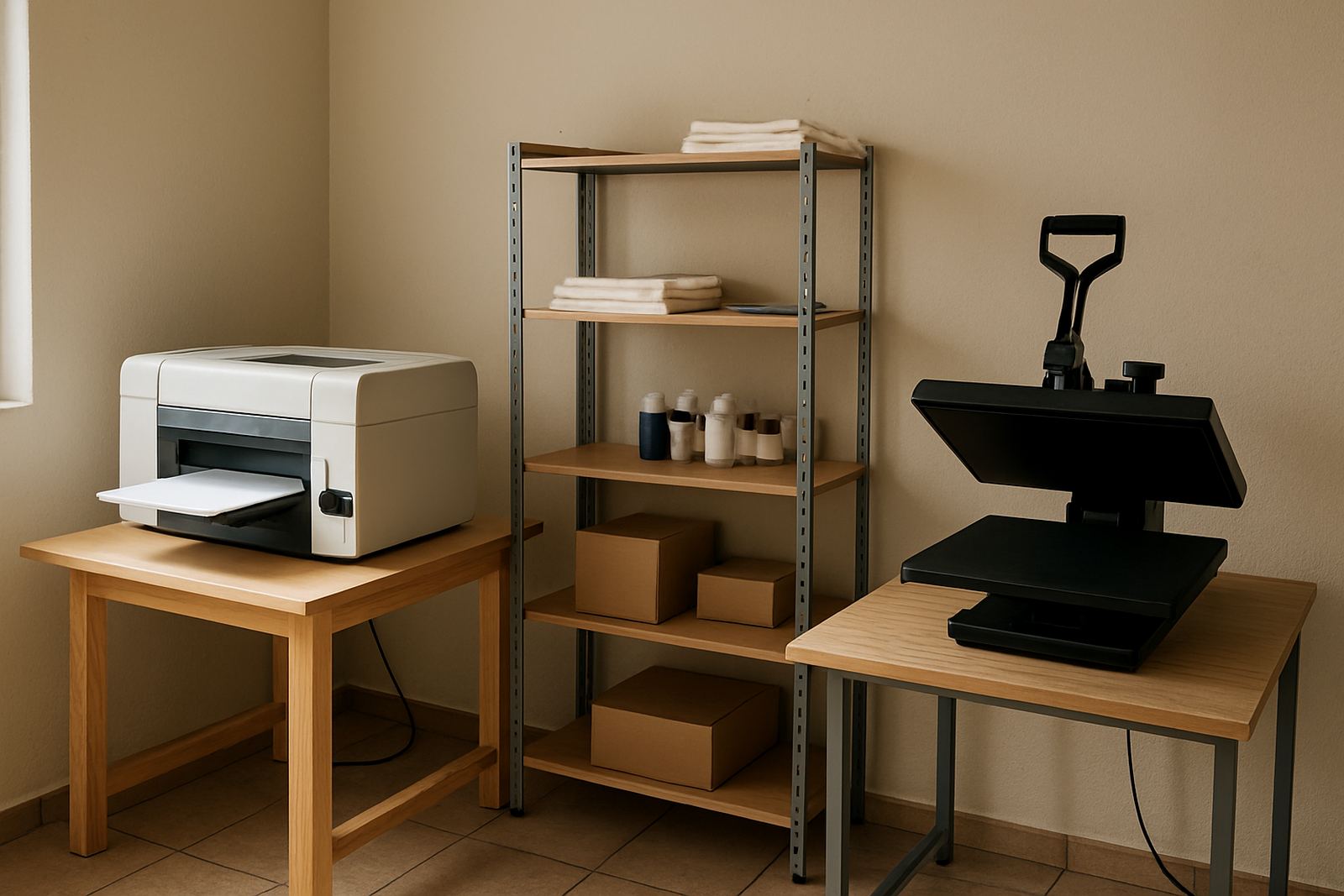
Before anyone loads fabric or starts a print job, the operator needs to know the work area, power points and basic safety rules. In a small garment shop in Wadeville or a textile studio in Johannesburg South, that means checking floor space, stable tables, safe cable routing and enough room around the printer and heat press.
Training should also cover how to handle wet inks, hot platens and moving parts. If the shop runs through load-shedding with a backup supply, the team must know the correct shut-down order and how to restart without damaging a print head or heating system.
- Keep the floor dry and clear of offcuts
- Do not place rolls or cartons near heater plates
- Know the power-up and shut-down sequence
- Wear gloves when handling treated fabric or cleaning fluid
Loading Fabric And Setting Up A Clean Print Path
Many first-time operators lose time on simple setup mistakes, like fabric loading crooked or forgetting to check tension. Training should show how to feed the textile straight, secure the roll and confirm that the surface is flat enough for even print coverage.
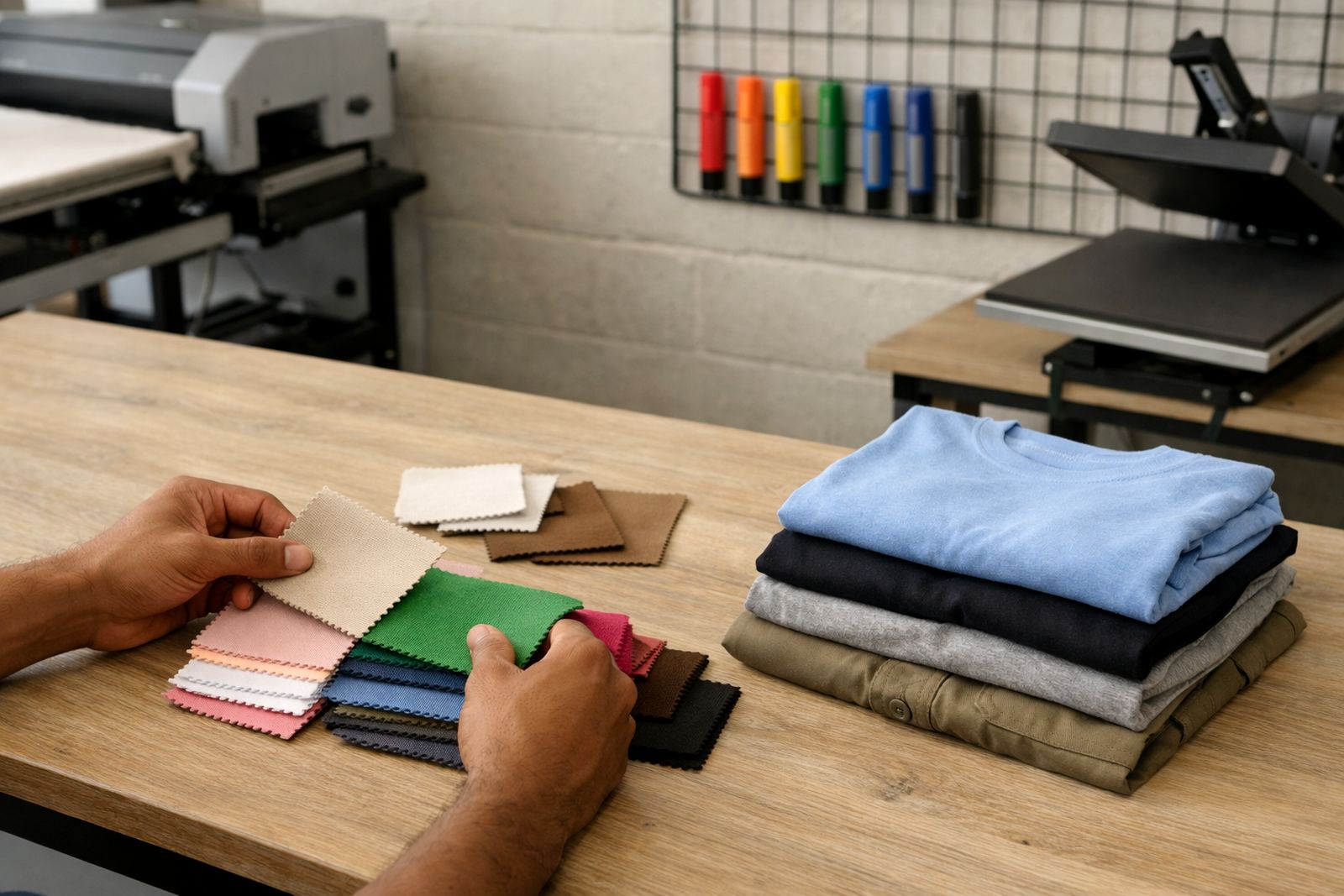
The operator also needs to understand fabric type. Cotton, polyester blends and pre-treated textiles do not behave the same way. A clear session explains how humidity in coastal places like Durban can affect drying time, and why a shop in Cape Town may need to adjust handling if the morning air is cool and damp.
Good training covers the full print path from feed to take-up, so the operator knows where to watch for wrinkles, drag marks or edge curling. One bad feed can waste metres of fabric, and that gets expensive fast.
Colour Matching Should Be Taught Properly, Not Guessed
Colour is where many print jobs go wrong. New operators should learn how to build repeatable colour by using the correct media settings, ink limits and profile for the fabric being used. They must also know why a bright red on one textile can look duller on another if the base cloth, temperature or ink load changes.
A proper training session should include practical checks, not just theory. The operator should print a test strip, compare it under good light and learn how to spot banding, over-saturation and washed-out sections before a full run starts.
- Use the right profile for the fabric and ink
- Check colour under consistent lighting
- Keep sample prints for repeat orders
- Record settings for each fabric type
Daily Cleaning Prevents Most Downtime
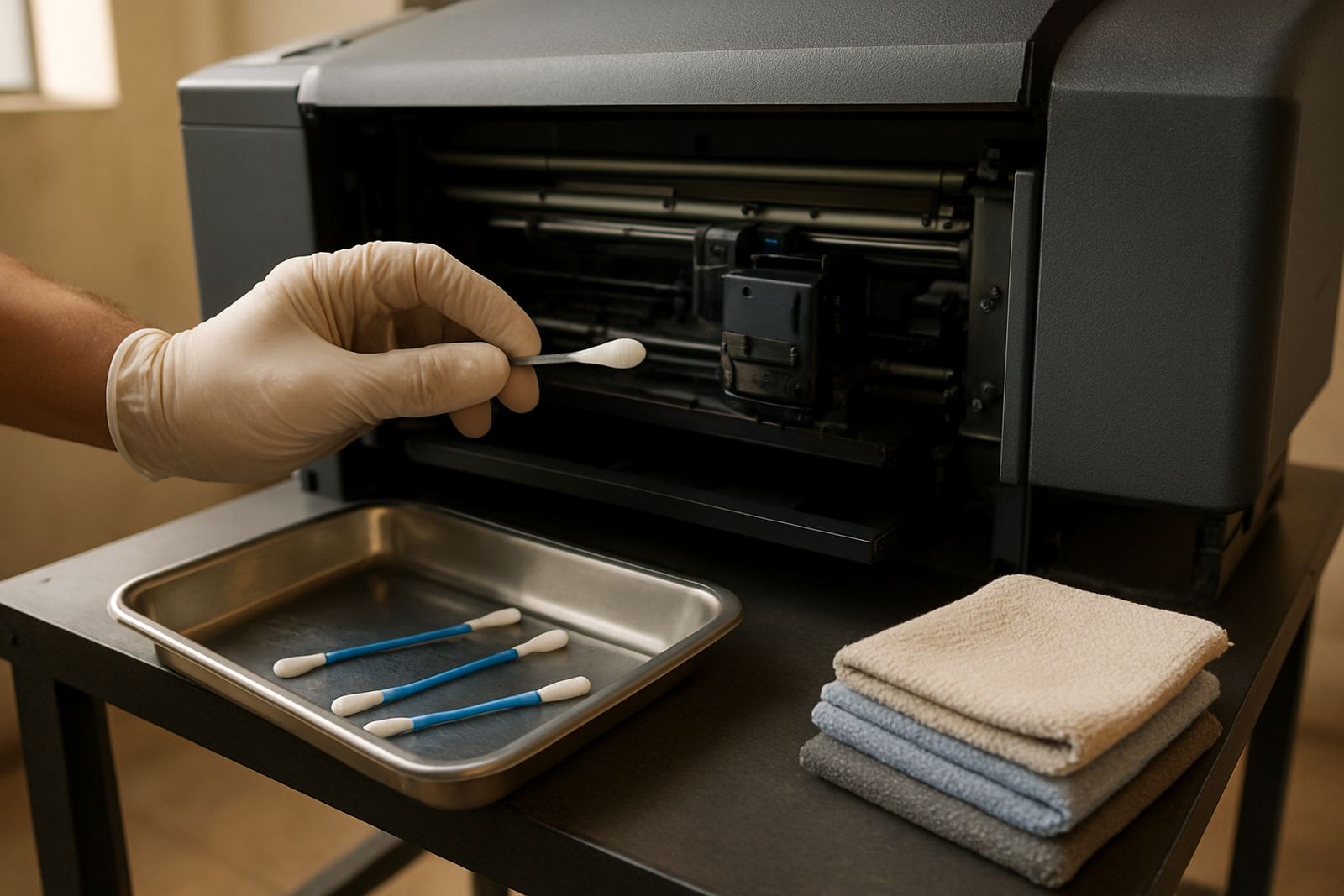
Operator training should make daily cleaning part of the job, not an optional extra. Print heads, wipers, capping stations and ink lines all need routine attention, especially in busy shops that print every day and cannot afford stoppages.
The team should know what can be done daily, what is weekly, and what must be left for a technician. That includes nozzle checks, wiping surfaces correctly, and understanding when a printhead needs cleaning versus when the issue is deeper in the ink system. If the machine is left standing after a rush order, dried ink can cause clogging by the next morning.
In towns where dust is high, or where the shop is close to road traffic, preventative care matters even more. A few minutes of cleaning can save hours of downtime later.
Heat Press Use Needs Its Own Training Session
Heat presses look simple, but they are often where new operators make costly mistakes. Training should cover temperature, pressure, dwell time and how different transfer materials respond to heat. A press that is too hot can scorch fabric, while too little heat can leave prints peeling after the first wash.
The operator must also learn safe handling. Hot plates can burn hands and arms, and a rushed production line can lead to crooked transfers or uneven pressure. In a busy Pretoria or Bloemfontein workshop, that kind of error quickly shows up in customer complaints.
- Set the correct temperature for the material
- Check pressure before every production run
- Allow cooling time before stacking garments
- Keep a written record of settings for each job
Troubleshooting Should Be Simple Enough For The Operator To Follow
Good training gives the operator a clear process for common faults. That means knowing what to check first when the print streaks, the fabric shifts, the ink looks faint or the heat press stops reaching temperature. Simple fault-finding saves time and helps the team decide when to fix it in-house and when to call for service.
A practical session should include likely causes, such as blocked nozzles, loose media path tension, dirty sensors or unstable power. In Germiston and Midrand, many small businesses work around shared workshop power and tight deadlines, so the first response must be calm and structured not guesswork.
Operators should also be shown how to log faults properly. A short note on what happened, when it started and what was already checked makes remote troubleshooting much faster.
End With Production Discipline And Record Keeping
Training should finish by teaching the habits that protect output over time. That means logging ink use, noting maintenance dates, recording profile changes and keeping a sample of each repeat job. Without records, the shop ends up repeating the same errors and wasting fabric, ink and labour.
A good operator also knows when to stop a job. If the print quality starts drifting or the machine sounds different, it is better to pause and check than to finish 30 metres with a hidden fault. For small South African businesses, that discipline helps protect margins and keeps customer trust intact.
At Fabric Printer in Wadeville, Germiston, we often see the strongest results where training covers the full production chain, from first setup to final wash test. When the operator understands the machine, the material and the job ticket, the workshop runs cleaner and with fewer surprises.