Why Sportswear Printing Needs Tight Colour Control
Sportswear buyers notice everything. Team shades must match from the first sample to the final run, sponsor logos need sharp edges, and pattern repeats have to line up cleanly on curved panels. That is why this use case suits small businesses that need high-colour workflows and controlled production rather than trial-and-error printing.
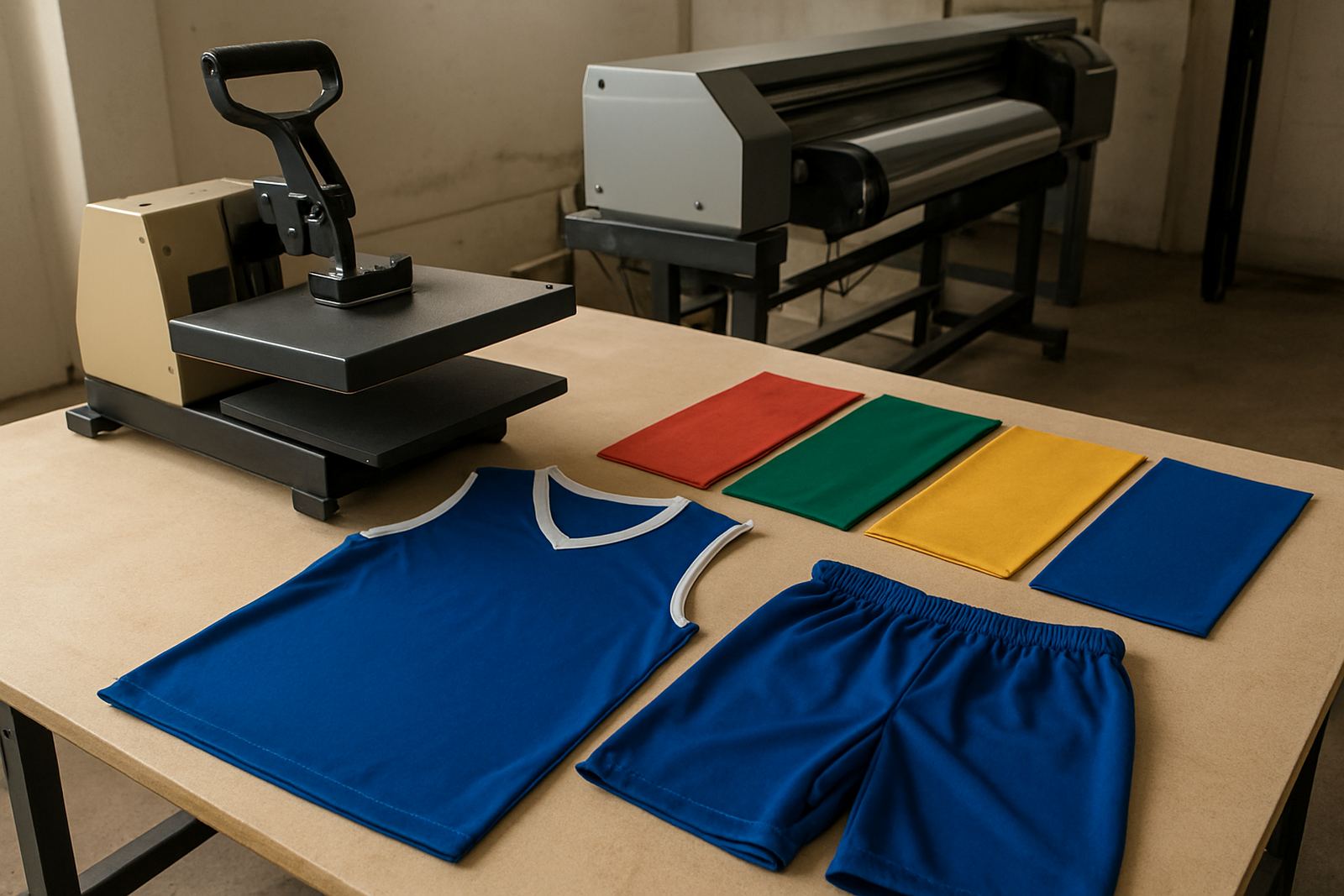
For activewear and club apparel, the usual jobs include poly-blend training tops, compression panels, bibs, warm-up jackets and cycling kits. A good setup keeps registration accurate, handles short production runs and copes with repeat orders when clubs come back mid-season. In Gauteng, where many orders come through fast and clients expect quick turnarounds, a dependable machine matters from day one.
Typical Equipment Set For A Small Sportswear Workshop
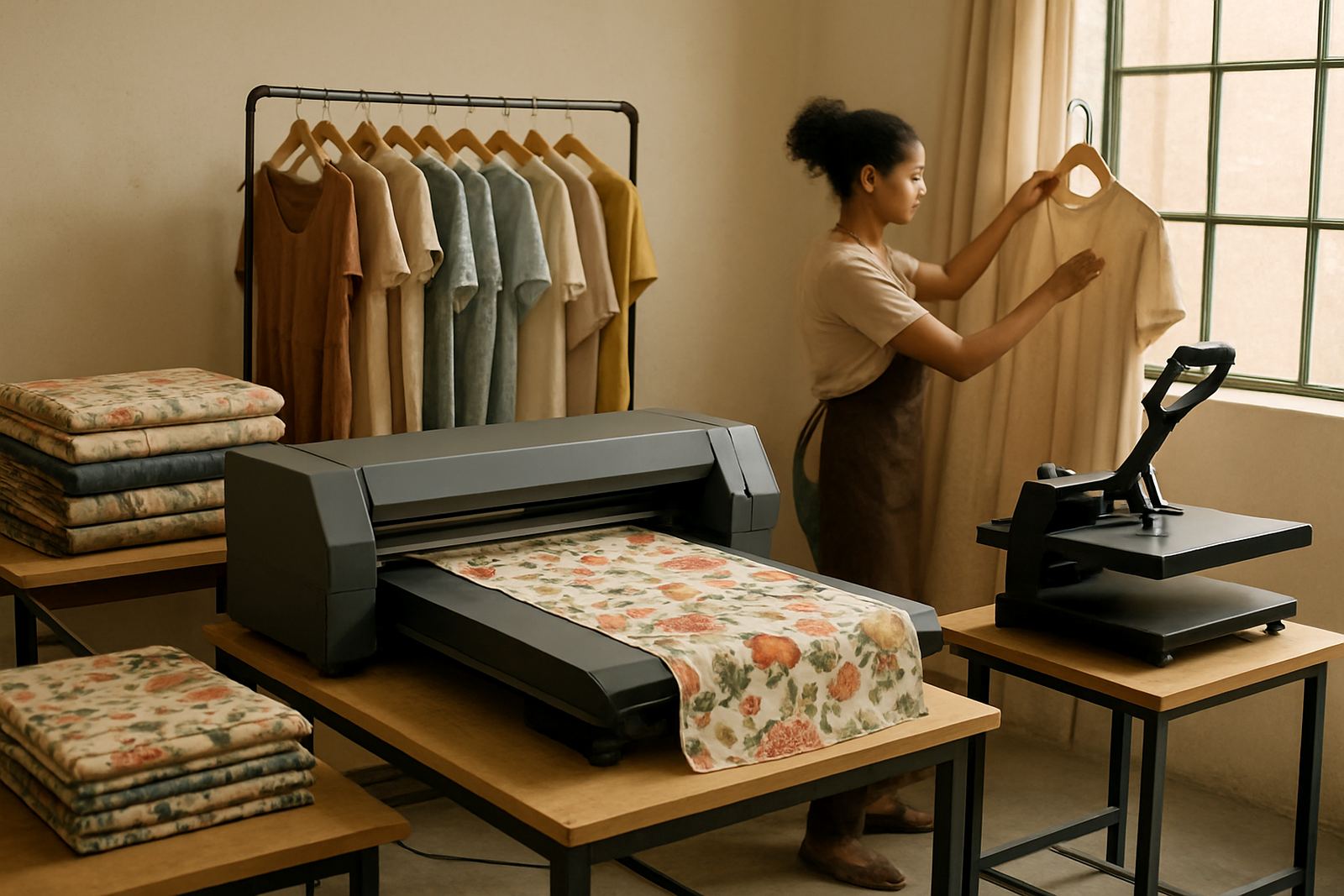
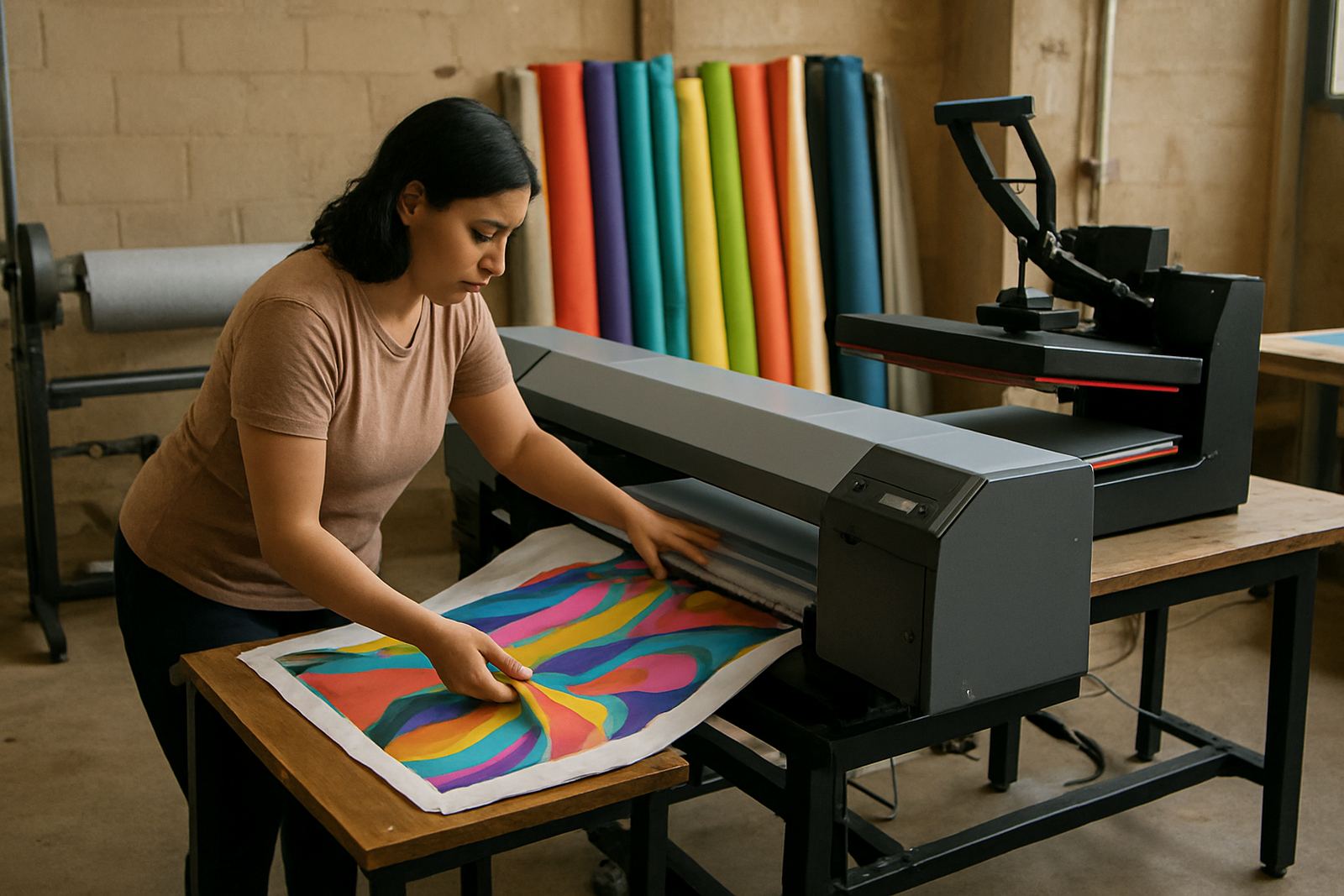
A practical starter line for sportswear makers usually includes a direct-to-fabric inkjet printer, a heat press, colour management tools, pretreatment or finishing accessories where needed, and spare parts for daily servicing. Many workshops also keep a clean drying or curing area, because damp fabric can affect output and cause delays.
- Direct-to-fabric inkjet printer for logos, panels and repeat prints
- Heat press for finishing, transfer work and sample correction
- Inks matched to the fabric type and expected wash cycles
- Cleaning tools, flush bottles and consumables for daily upkeep
- Basic colour profiling support for consistent club and sponsor colours
If you are running from a home unit in Midrand, a small factory in Boksburg or a unit in Germiston, keep the equipment stack simple. The more moving parts you add, the more time you spend on maintenance instead of production. A clean workflow is often better than a big machine list, especially when you are still building regular orders.
Layout Planning For Tight Workshops And Shared Industrial Space
Sportswear print rooms need a logical flow. Fabric should arrive, be checked, printed, finished and packed without crossing back over dirty areas. Place the printer on level flooring, keep the heat press close enough to avoid carrying hot garments across the room, and allow space for rolls, cut panels and sample pieces. In a small Germiston or Pretoria unit, a few extra metres of clear floor space can save hours every week.
Ventilation matters too. Ink smell, heat and humidity all affect comfort and consistency. Coastal workshops in Durban and Cape Town need to control moisture more carefully than inland sites, while Johannesburg and Bloemfontein businesses should plan for dust and dry conditions. If your workshop shares a building, check local fire and electrical rules before you install heavier equipment, and make sure the plug points, breakers and cable runs can handle the load.
Common Mistakes When Setting Up For Activewear Production
One common mistake is buying equipment before understanding the fabrics you will print most often. A shop focused on cycling kits has different needs from a maker that mostly produces school sport tops or club apparel. Another mistake is underestimating drying time and storage space. When printed fabric is stacked too soon, colours can mark, edges can stick and quality drops fast.
- Using the wrong ink set for stretch or moisture-rich fabrics
- Skipping colour profiling and then struggling with repeat orders
- Placing the printer too close to a dusty cutting or sewing area
- Ignoring backup power plans for load-shedding days
- Leaving maintenance until the first breakdown instead of servicing regularly
We also see workshops rush into large production before they have trained the operator properly. A few hours of set-up training usually prevents months of expensive mistakes. It is worth learning how to clean the printhead, flush the ink system and spot early signs of blocked nozzles before they become a full stop in production.
Budget Ranges For Sportswear Printing Start-Ups
Budget depends on output, fabric mix and whether you need a compact starter setup or a line that can handle weekly club orders. For many small sportswear makers, a sensible starting budget for equipment and basic set-up sits between R85 000 and R220 000. That range can cover a printer, heat press, inks, initial training and essential accessories.
If you are adding a larger printer, colour profiling, a maintenance plan and spare parts stock, budgets can move into the R250 000 to R450 000 range. That is more suitable for businesses that already have a steady client base in Johannesburg, Pretoria, Durban, Cape Town or Bloemfontein. Always keep a buffer for installation, consumables, delivery and any electrical work needed in the unit.
Support Across South Africa For Growing Apparel Teams
Fabric Printer works with sportswear makers from the Germiston Demo Centre and supports clients across Johannesburg, Pretoria, Durban, Cape Town and Bloemfontein, with service reach into Boksburg and Midrand as well. Our team handles machine installation, operator training, colour profiling, preventive servicing, breakdown repairs, printhead cleaning, ink system flushing, remote troubleshooting, production audits, relocation support and maintenance contracts.
That support is useful when your business moves from sample work to regular production. Whether you are launching a small clubwear line or replacing an older setup, the right advice can save material and protect your turnaround times. If you are planning a workshop, keep your enquiry ready and we can help you match the equipment to the space, the fabric and the level of demand.