What schoolwear suppliers need from a print room
Schoolwear work is rarely one type of order. One week you are printing house badges, the next you are supplying sportswear panels, collar inserts, lining fabric or branded trims for a full school range. The equipment has to cope with frequent changes, clear repeat prints and fabrics that must wash well and hold colour through a full school term.
For suppliers in Germiston, Johannesburg, Pretoria, Durban, Cape Town and Bloemfontein, the biggest pressure points are usually turnaround time, colour consistency and keeping production clean. Schools want samples quickly, then the final run needs to match the approved shade closely. If you work near the coast, humidity can affect fabric handling and drying times. In Gauteng, dust and load-shedding planning matter just as much.
A practical schoolwear set-up starts with the right printer size, a dependable heat press and a workflow that lets one person prep media while another handles finishing. That is often enough to move from outsourcing small jobs to bringing more of the work in-house.
Typical equipment set for this line of work
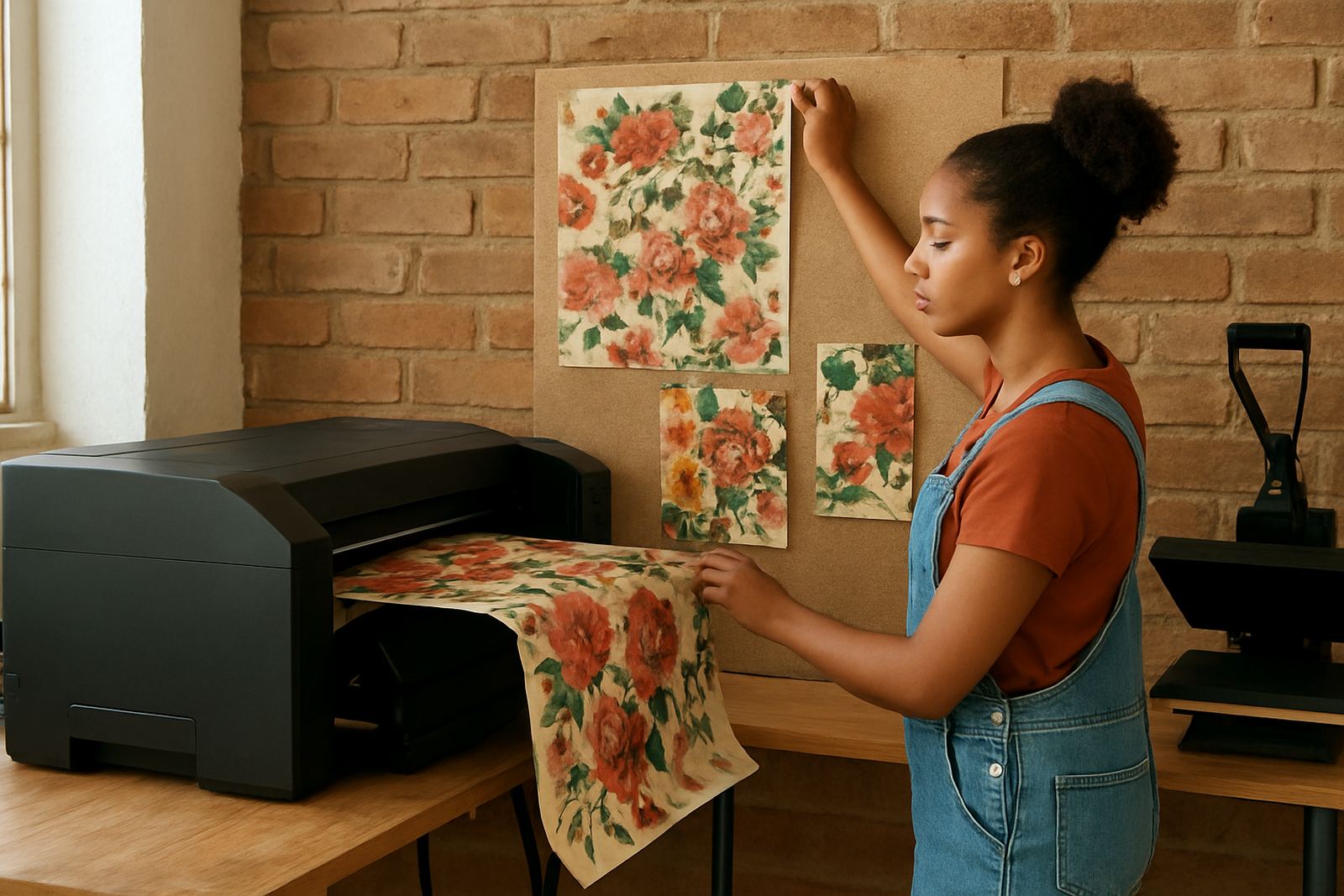
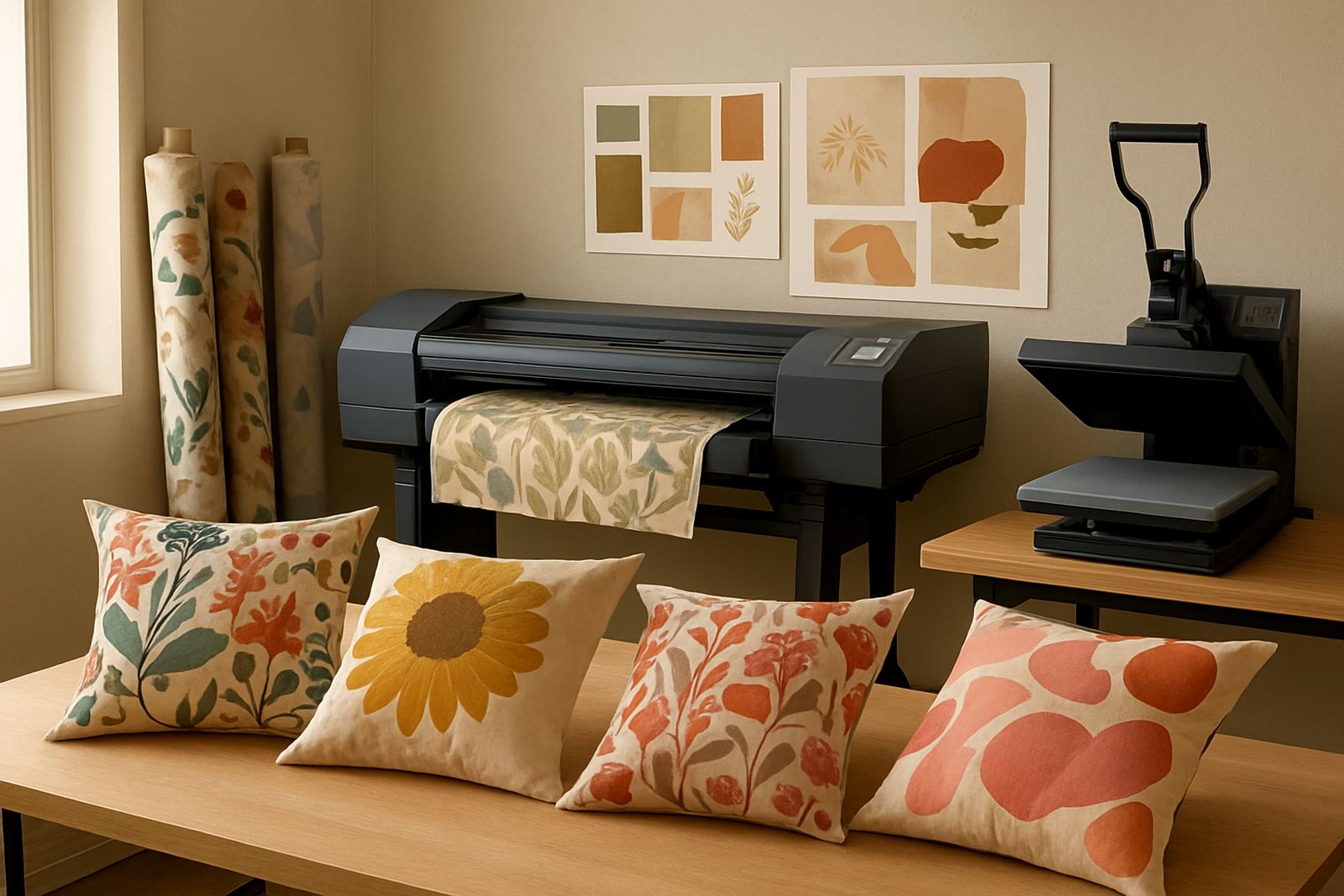
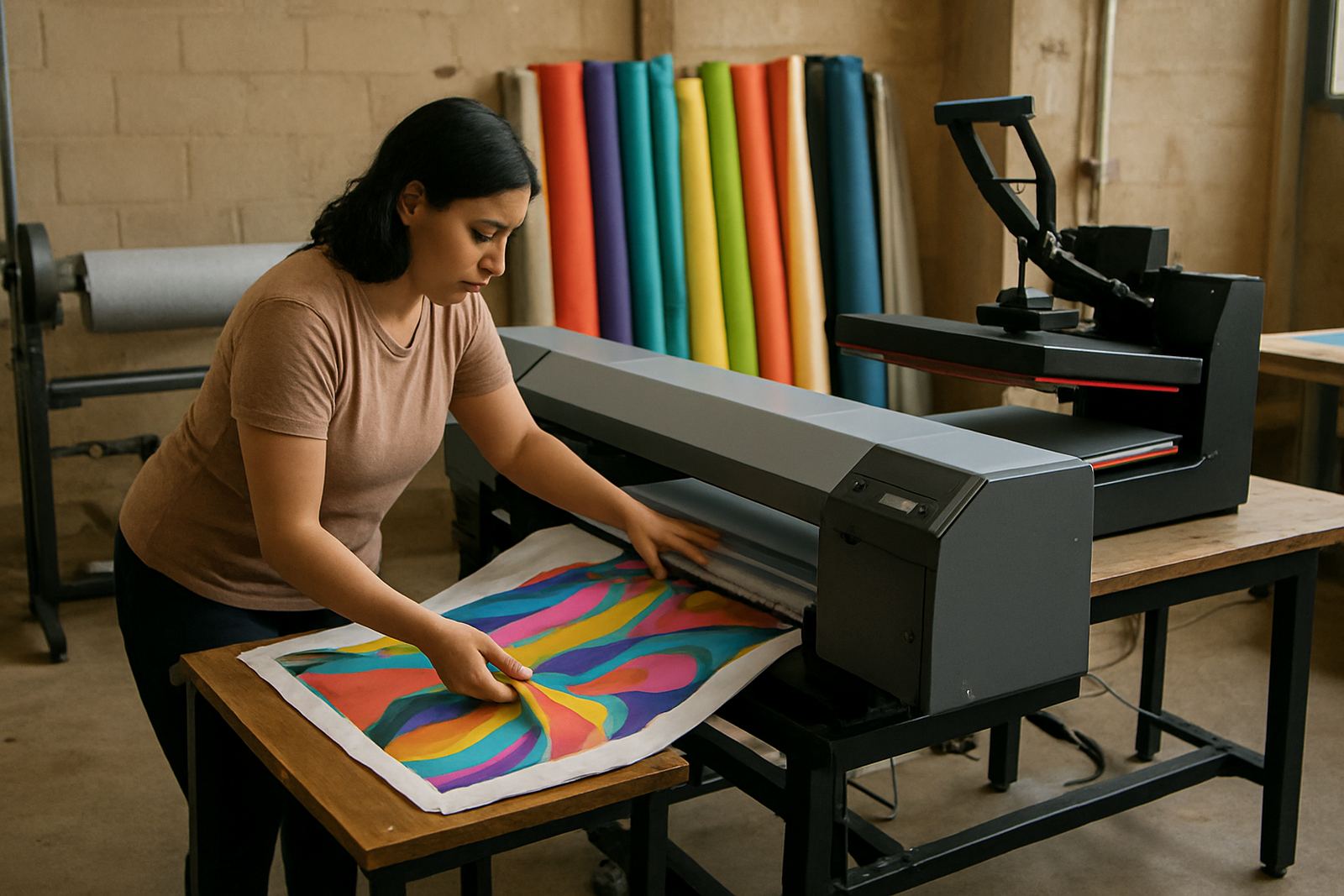
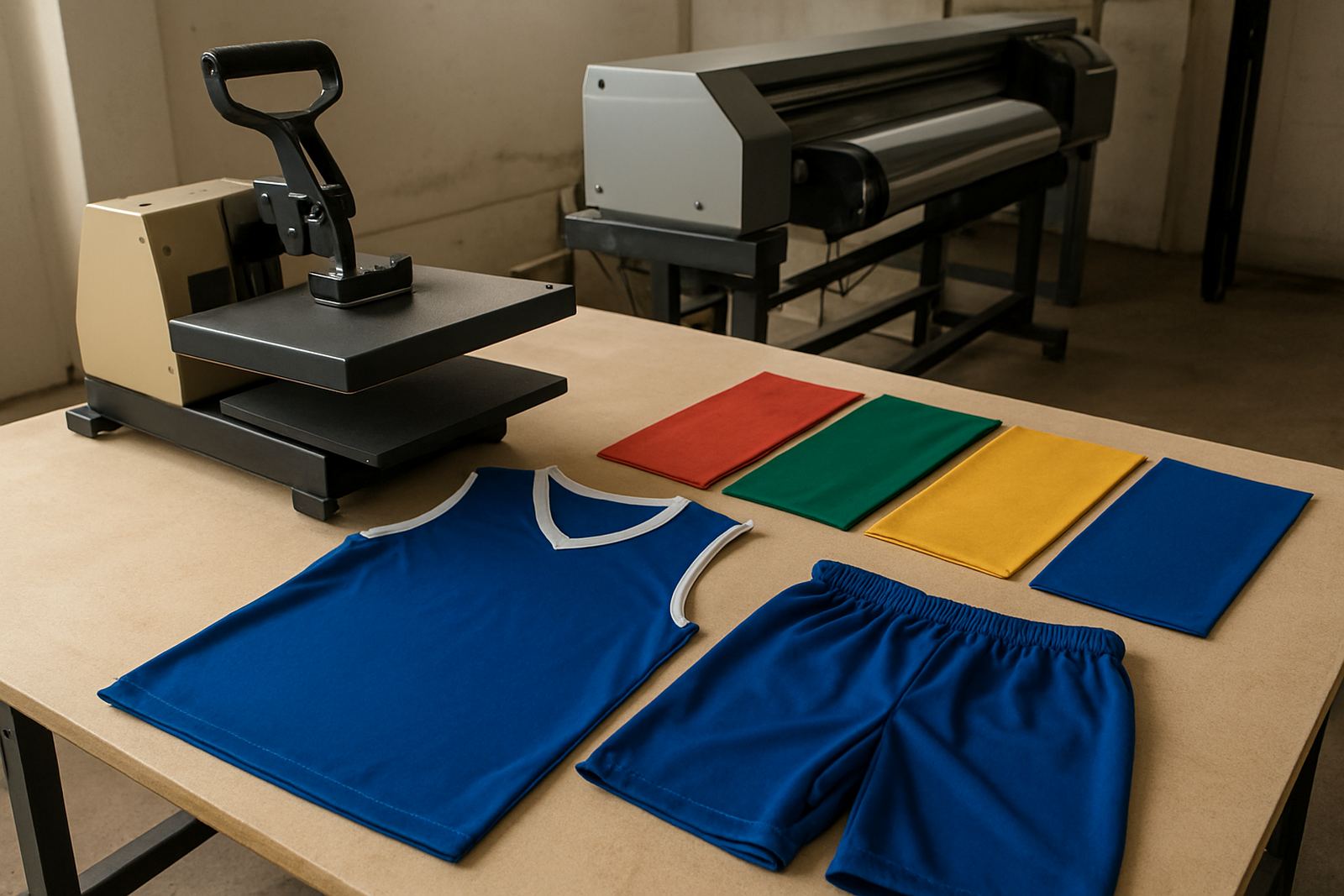
Most schoolwear suppliers do not need a huge factory on day one. A compact production room can still handle good volumes if the layout is sensible. The usual setup includes a direct-to-fabric inkjet printer, a heat press for fixing and finishing, colour tools and a proper drying or curing space if the fabric requires it.
- Direct-to-fabric inkjet printer for panels, trims and repeat schoolwear designs
- Heat press for transfer fixing, small garment pieces and sample approval work
- Inks matched to the fabric type you use most often
- Basic colour profiling tools for repeatable shades across school orders
- Tables for cutting, sorting and stacking finished fabric by size or school
At Fabric Printer in Wadeville, Germiston, we assist small garment and textile businesses with machine installation, operator training, colour profiling and preventive servicing. That support matters because schoolwear production usually leaves little room for trial and error. A nozzle issue or poor ink flow can delay a whole order if nobody notices it early.
How to plan the room before the first order lands
Room layout has a direct effect on output. Keep receiving, printing, pressing and packing in a simple one-way flow so fabric does not cross back over clean work. Leave enough space around the printer for loading fabric straight and handling rolls without creasing the edges. If you are printing in a shop space in Boksburg, Midrand or Johannesburg, allow for secure storage too, because schoolwear stock often sits in batches by school, size and term.
Good planning also means thinking about power. During load-shedding, a printer that stops mid-run can waste media and ink, so many suppliers plan for backup power or schedule longer runs around stable supply times. In humid coastal areas, keep fabric off the floor and away from open doors. In dusty inland areas, close off the print room as much as possible and clean filters regularly.
For schools, neatness counts. A supplier that presents tidy samples, consistent labels and properly packed bundles is easier for principals and buyers to trust. That is why the layout should support production and presentation at the same time.
Common mistakes schoolwear suppliers make
The most common mistake is buying equipment for the biggest dream instead of the actual order pattern. If your work is mostly trims, logos and medium-sized panels, you may not need a large machine from day one. Another mistake is ignoring training. A printer can be capable, but if the operator does not know fabric handling, colour setup and cleaning routines, the quality will drift fast.
We also see suppliers underpricing setup time. Schoolwear jobs often involve sample approval, colour changes and repeated sizing checks. If you do not factor those steps into your quote, the margin disappears. And if you skip preventive servicing, you can face clogging, banding or an unexpected breakdown just before a school opens for the term.
- Choosing equipment before confirming the schoolwear mix
- Skipping colour profiling and working from guesswork
- Allowing too little time for sample approval
- Not cleaning printheads and ink paths on schedule
- Forgetting backup planning for power interruptions
Budget ranges for a practical schoolwear start-up
Budget depends on the volume you want to handle and whether you are replacing outsourcing or adding a new production stream. A modest start-up set-up for sample work and smaller school orders can begin in the lower Rand hundreds of thousands, while a more complete in-house production line with stronger throughput and backup support can move higher.
As a working guide, many schoolwear suppliers should plan for equipment, set-up, inks, media, installation and initial training together rather than as separate purchases. It is better to buy a smaller, reliable set-up that you can run properly than a bigger one that sits idle because the room, power or staff are not ready.
For South African businesses, it also helps to budget for maintenance from the start. Preventive servicing, spare parts and regular cleaning usually cost less than emergency repairs. That is especially true when school terms are close and there is no time to wait.
What support helps keep school orders moving
Schoolwear suppliers benefit from support that is practical and local. When a printer is installed correctly, operators are trained properly and profiles are set for the fabrics you use most, the whole process becomes easier to repeat. If a problem comes up, remote troubleshooting, spare parts supply and breakdown repairs can keep the schedule from slipping.
Fabric Printer supports small garment and textile businesses across South Africa, including Johannesburg, Pretoria, Durban, Cape Town and Bloemfontein, with service areas that include Germiston, Boksburg and Midrand. Our team includes people who handle sales, installation, training, colour, service and customer support, so the advice you get is tied to actual production needs.
For schoolwear suppliers, the aim is simple: produce fabric and finished pieces that look right, wash well and arrive on time. With the right equipment and planning, that becomes a reliable part of the business instead of a last-minute scramble.