What a fashion startup needs in the first 12 months
Most new labels in Johannesburg, Pretoria, Durban, Cape Town and Bloemfontein start with a few core styles and a small number of repeatable prints. That means your equipment has to be dependable, easy to learn, and suitable for short runs without wasting fabric or ink. If you are still testing fit, colourways and customer demand, a large factory line is usually too much too soon.
A sensible starter setup lets you print panels, trims, labels, linings or full fabric lengths for sample garments and small production batches. It also helps if the machine can handle different fabric weights, because fashion startups often move between cotton, polycotton, viscose and blended textiles while the range settles. In humid coastal areas like Durban, or in rooms with poor temperature control, consistent printing and drying matter more than fancy extras.
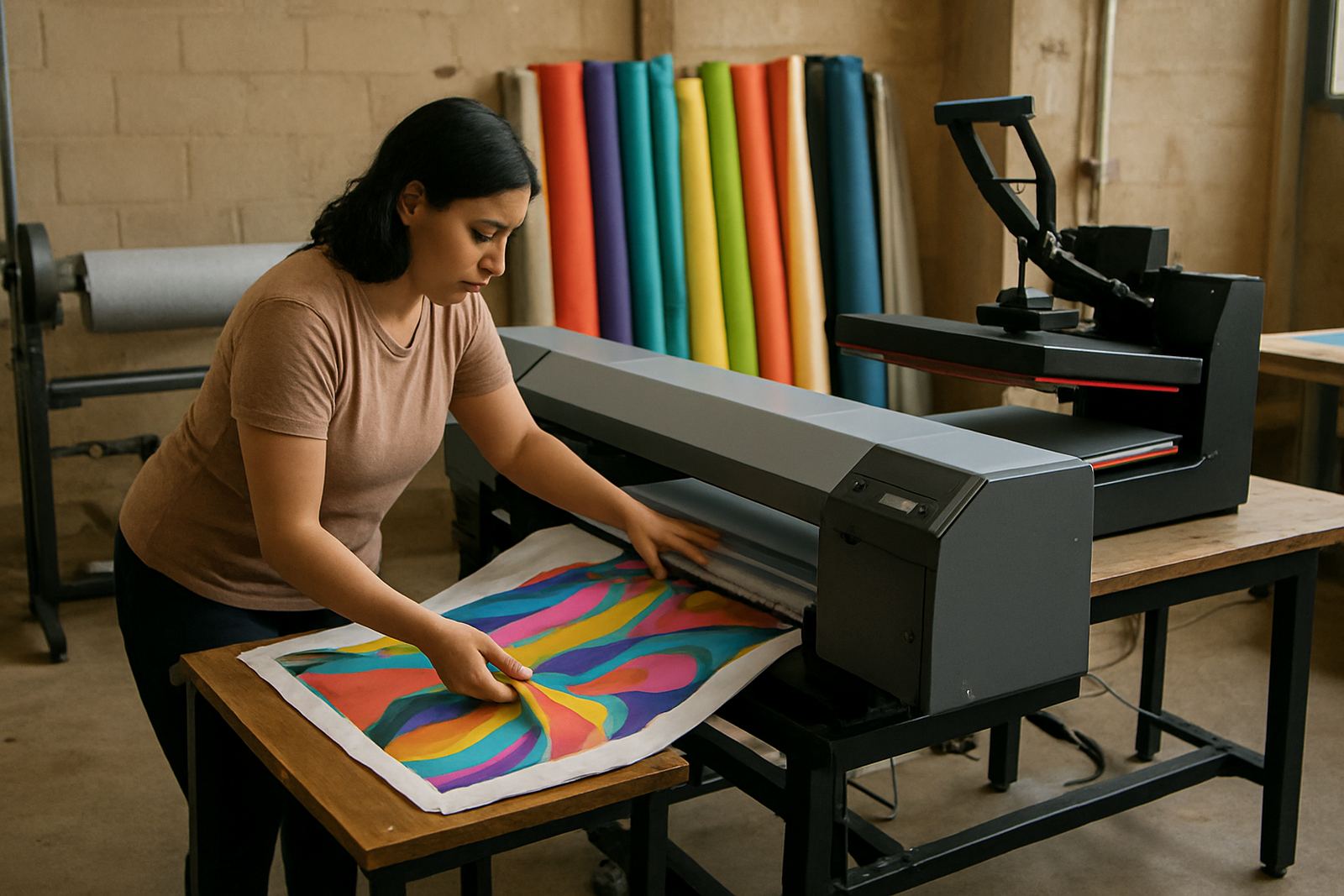
We work with startup owners who are juggling design, cutting, sewing, social media and sales at the same time. The goal is to keep the printing side simple enough that one trained operator can manage the workflow without constant supervision. That saves money and reduces mistakes when orders start coming in.
Typical equipment set for small garment labels
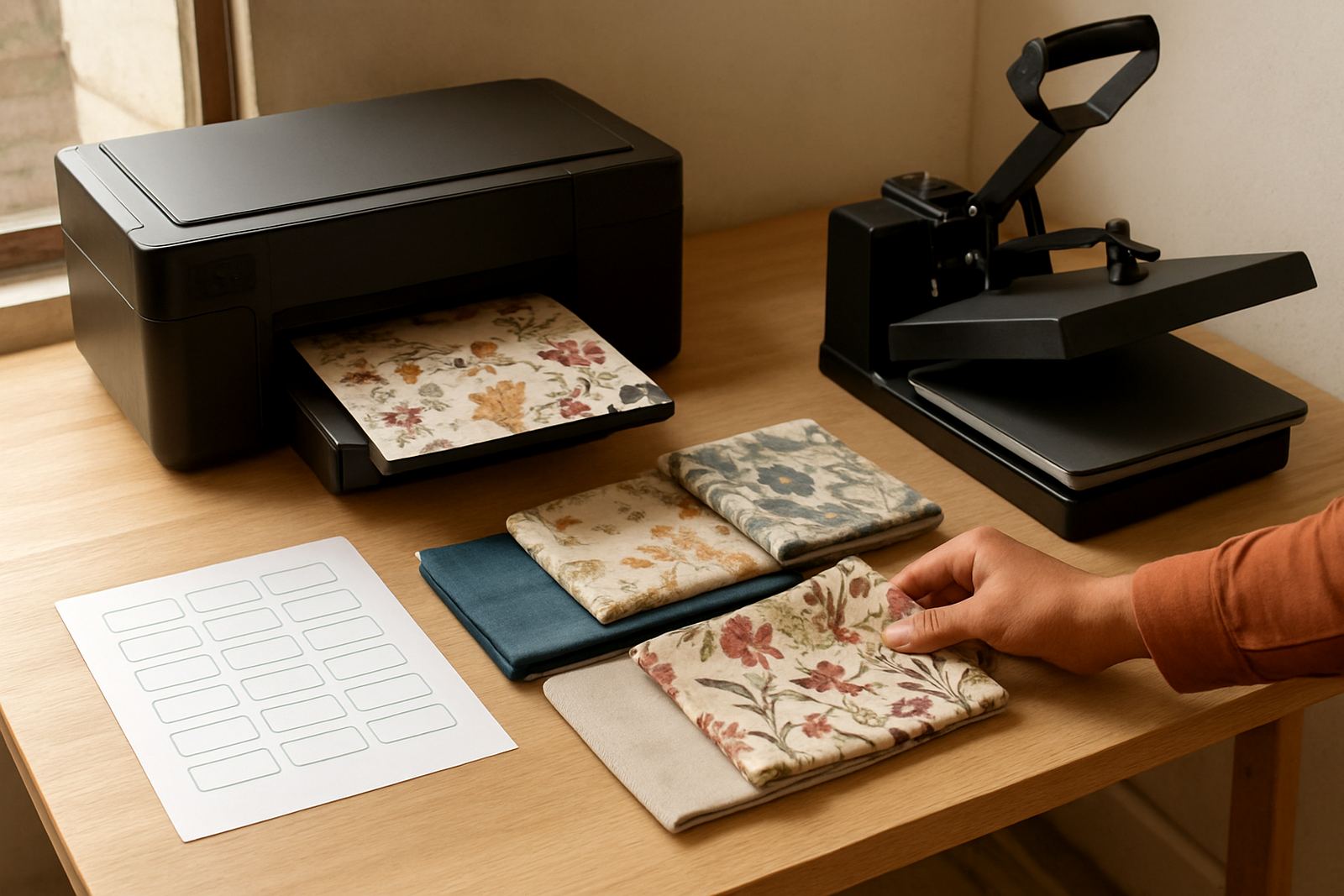
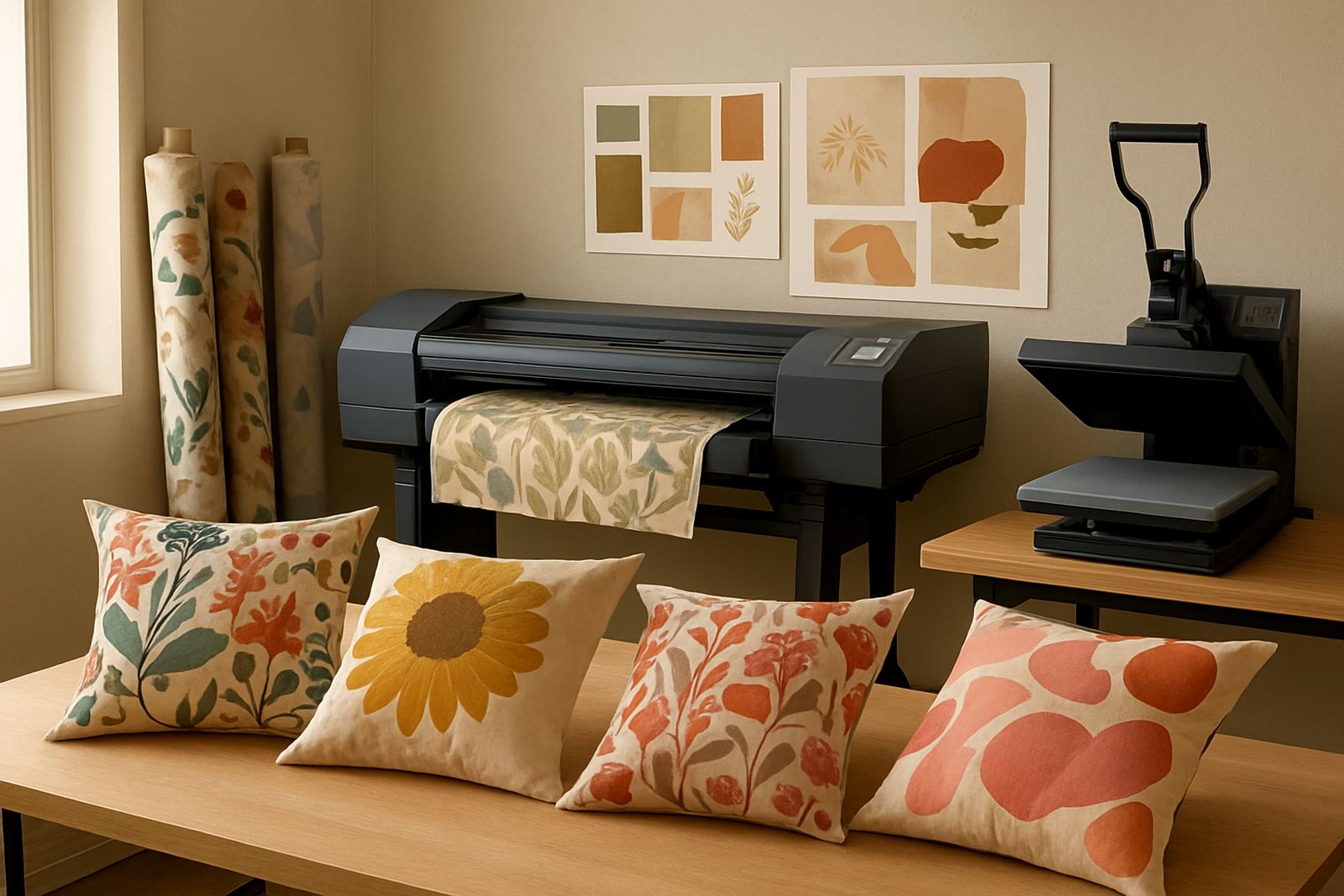
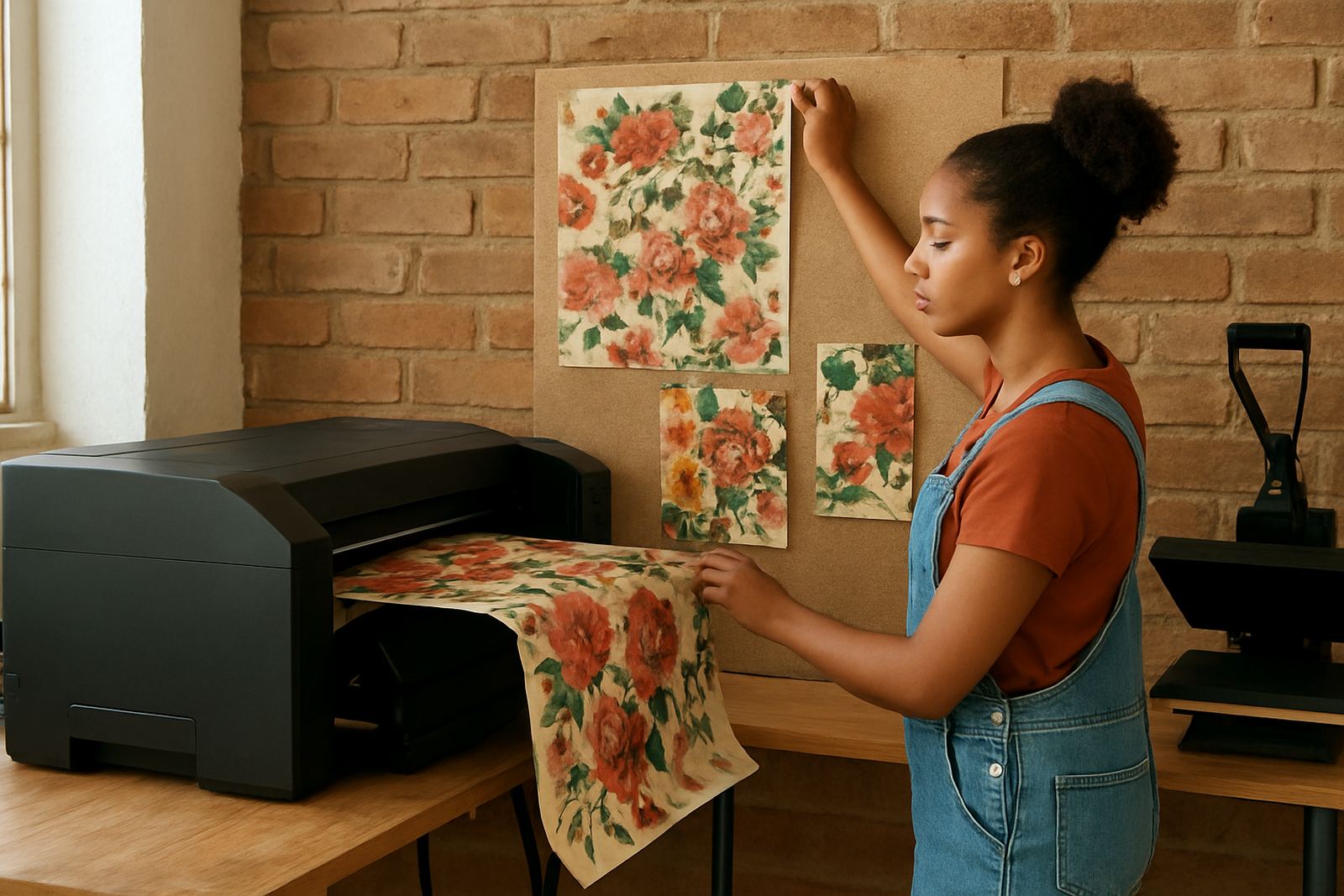
A practical startup package normally includes a direct-to-fabric inkjet printer, a heat press for curing or finishing where needed, and the correct inks and media for the fabric types you plan to use. Depending on your products, you may also need pre-treatment support, colour profiling and a simple workflow for repeatable jobs. For many small labels, this is enough to launch an online store, supply boutiques, or service local pop-up markets.
- Direct-to-fabric inkjet printer sized for short to medium production runs
- Heat press for fixation, finishing or transfer work where required
- Inks matched to the fabric and intended wash fastness
- Sample media for testing colour, shrinkage and hand feel
- Basic cleaning and maintenance tools for daily operator care
- Optional backup parts and service plan for reduced downtime
If your products include soft apparel, scarves, tote bags or fashion accessories, it helps to test each material before committing to bulk buying. A printed sample that looks good on screen can behave very differently once heat is applied, especially on synthetics or mixed fabrics. That is why proper setup and testing are worth doing early, not after the first customer complaint.
Planning the print room before you place the order
Many startups focus on the machine first and the room second, but the space affects output more than people expect. You need enough floor space for fabric movement, safe access around the printer, and a clean area for rolling, folding and packing. Keep the printer away from direct sunlight, open windows and dusty corners, because textile dust and fluctuating temperature can affect print quality.
A small room can work if it is planned properly. Allow space for incoming rolls, a prep table, the printer itself, curing or heat pressing, and finished goods waiting for packing. If you are operating from Wadeville, Germiston or another light industrial area, check the building power supply, ventilation and load-shedding backup before you commit to a layout. A startup that loses power halfway through a run can waste fabric, ink and time.
- Place the printer on a level surface with enough clearance for loading and maintenance
- Keep consumables in a dry cupboard, away from heat and moisture
- Separate clean fabric from cutting and sewing dust where possible
- Plan for stable power with surge protection and backup where needed
- Leave space for operator movement, especially when handling wider fabric rolls
Common mistakes new labels make
One of the biggest mistakes is buying equipment that is too large for the first six months of demand. It can be tempting to go bigger, but a machine that sits idle still costs money in rent, servicing and consumables. For a new label, better value often comes from a smaller system that is well supported and properly installed.
Another common issue is skipping colour profiling. If your brand relies on exact shades for seasonal ranges or signature prints, you need repeatable colour from the start. Without that, reprints can vary from batch to batch, and your pieces start looking inconsistent. In fashion, that shows quickly.
People also underestimate operator training. A machine may be straightforward to use, but correct handling of fabric feed, print settings, drying, cleaning cycles and storage makes a direct difference to quality. If no one is shown how to do routine checks, clogging and downtime become normal, which is expensive for a small business trying to build trust.
Budget ranges in Rand for a startup setup
Budgets vary depending on print width, production speed, fabric range and how much support you want at the start. For many fashion startups, a realistic entry point for a compact direct-to-fabric setup with heat pressing and basic training starts from about R180 000 to R350 000. This suits smaller labels focused on samples, capsule ranges and limited runs.
A more complete setup for a busier startup, with stronger output capacity, colour setup support and a broader consumables package can sit between R350 000 and R650 000. Once you add backup parts, preventive servicing and production planning help, the cost rises but so does uptime. For businesses that plan to supply boutiques across Johannesburg, Pretoria or Cape Town, that extra control can pay off quickly.
It is also wise to budget for monthly operating costs, not just the machine. Inks, fabric, maintenance, electricity and waste from test runs all affect margin. If you are working with tight cashflow, ask for a setup that matches your first 90 days of production rather than your dream volume. That keeps the business realistic and easier to manage.
Support for launch season and busy production weeks
Fashion startups often have a launch date, a market weekend or a buyer meeting that cannot move. That is when support matters most. We assist with machine installation, operator training, colour profiling, preventive servicing, breakdown repairs, printhead cleaning, ink system flushing, spare parts supply, remote troubleshooting, production audits, relocation support and maintenance contracts.
Our team works with small garment and textile businesses across South Africa, including Germiston, Johannesburg, Pretoria, Durban, Cape Town and Bloemfontein. If your studio is in Boksburg, Midrand or another nearby area, you can also reach the Germiston Demo Centre and support teams for practical guidance. From product setup to day-to-day troubleshooting, the aim is to keep your print side steady while you build the label.
When short runs become a real business
Short-run garment production is a good fit for fashion startups because it lowers risk and helps you test demand before buying large volumes of fabric. You can release smaller drops, check what sells, and adjust colourways or designs without carrying too much stock. That approach suits new labels that want to stay nimble while the customer base grows.
The best results usually come from simple planning: choose fabrics carefully, keep your print room organised, train one or two operators properly, and service the equipment before problems show up. If you do those things well, a startup can move from samples to reliable small-batch production without unnecessary stress. The business looks smaller on paper, but it runs cleaner and the margins are easier to protect.