What interior decor studios usually need from print equipment
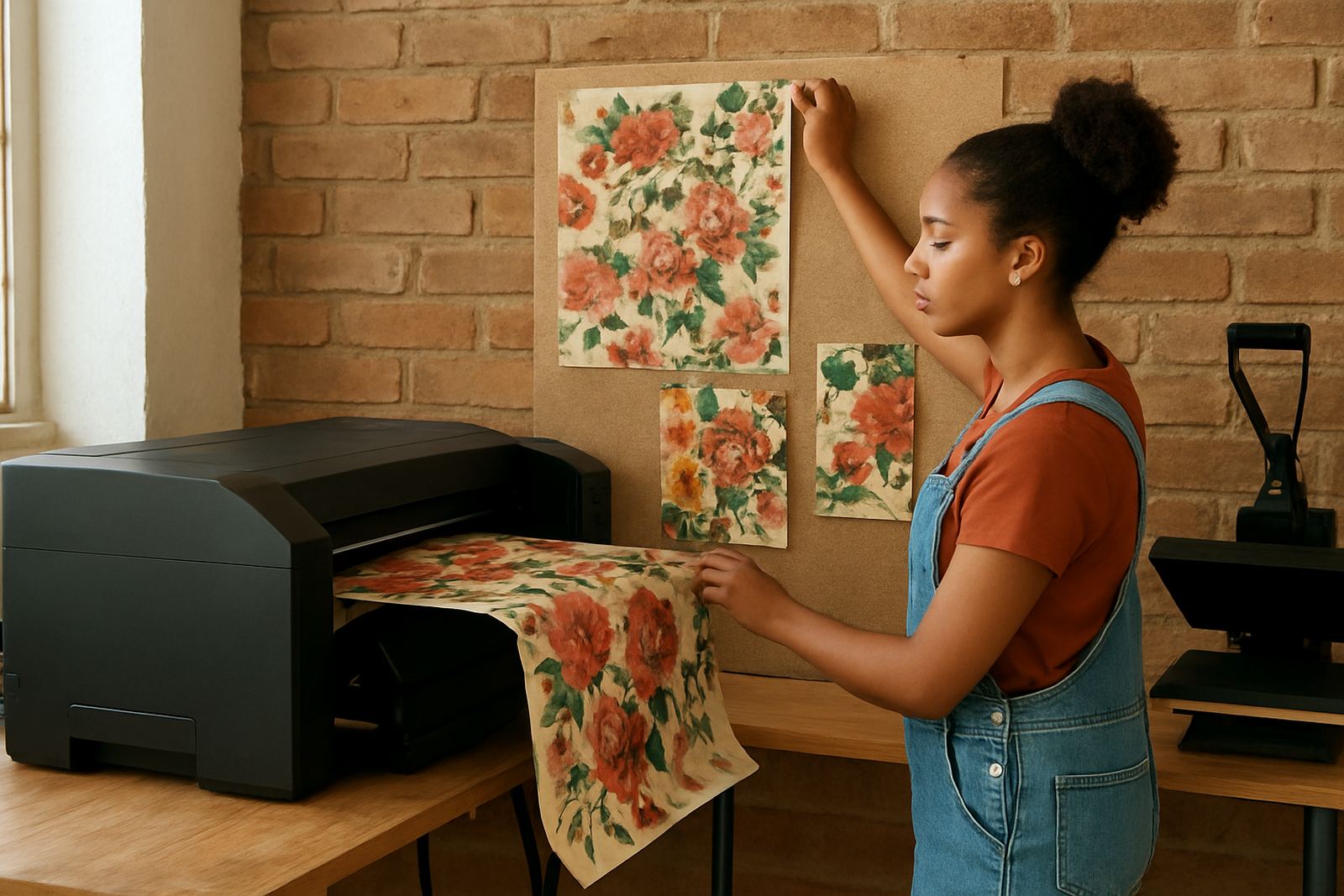
Most décor studios are not printing thousands of the same fabric every month. They are working on short runs, sample sets, seasonal ranges and custom pieces for homes, guest lodges, showrooms and hospitality projects. That means the equipment must handle detail, colour matching and frequent changeovers without wasting cloth or ink.
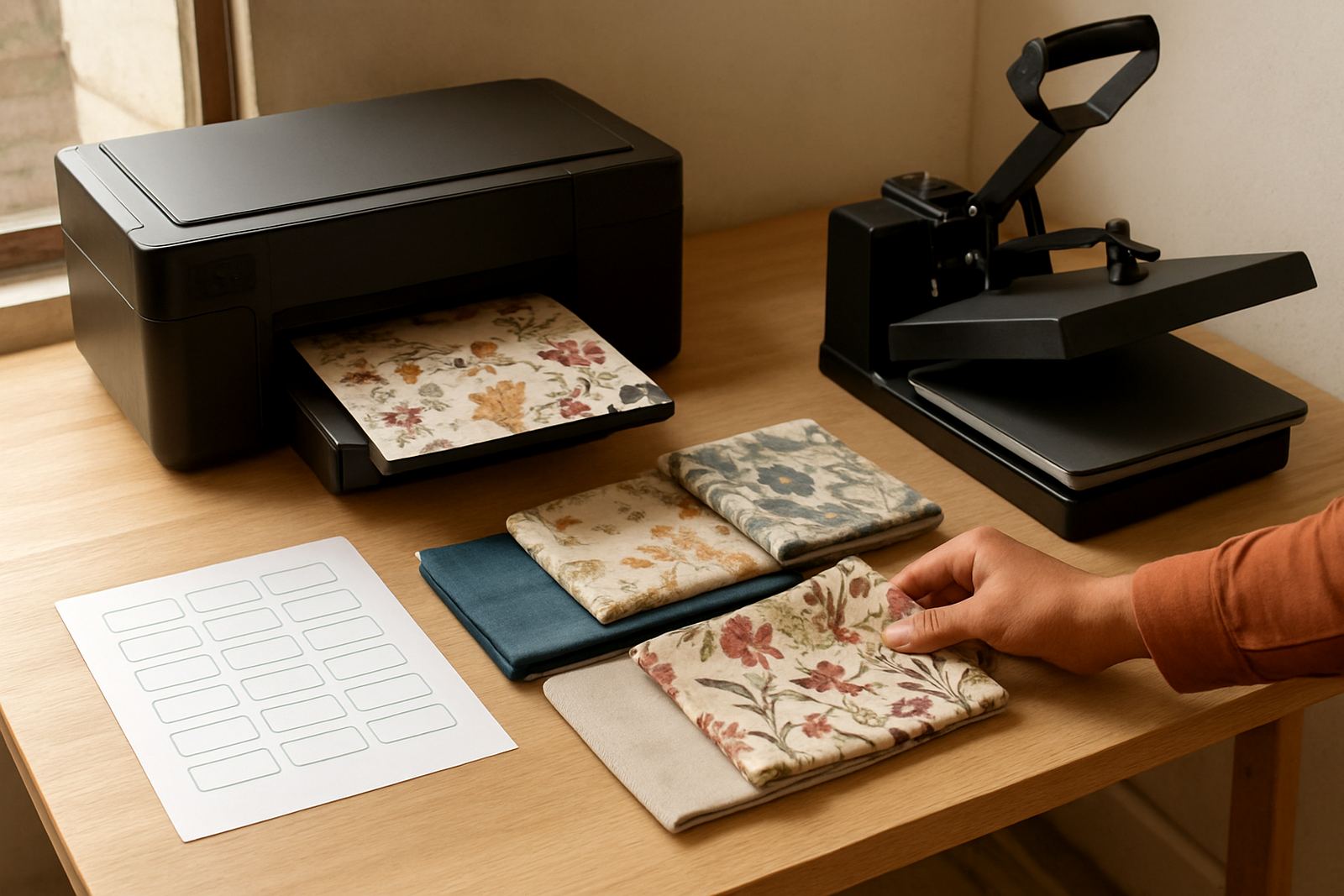
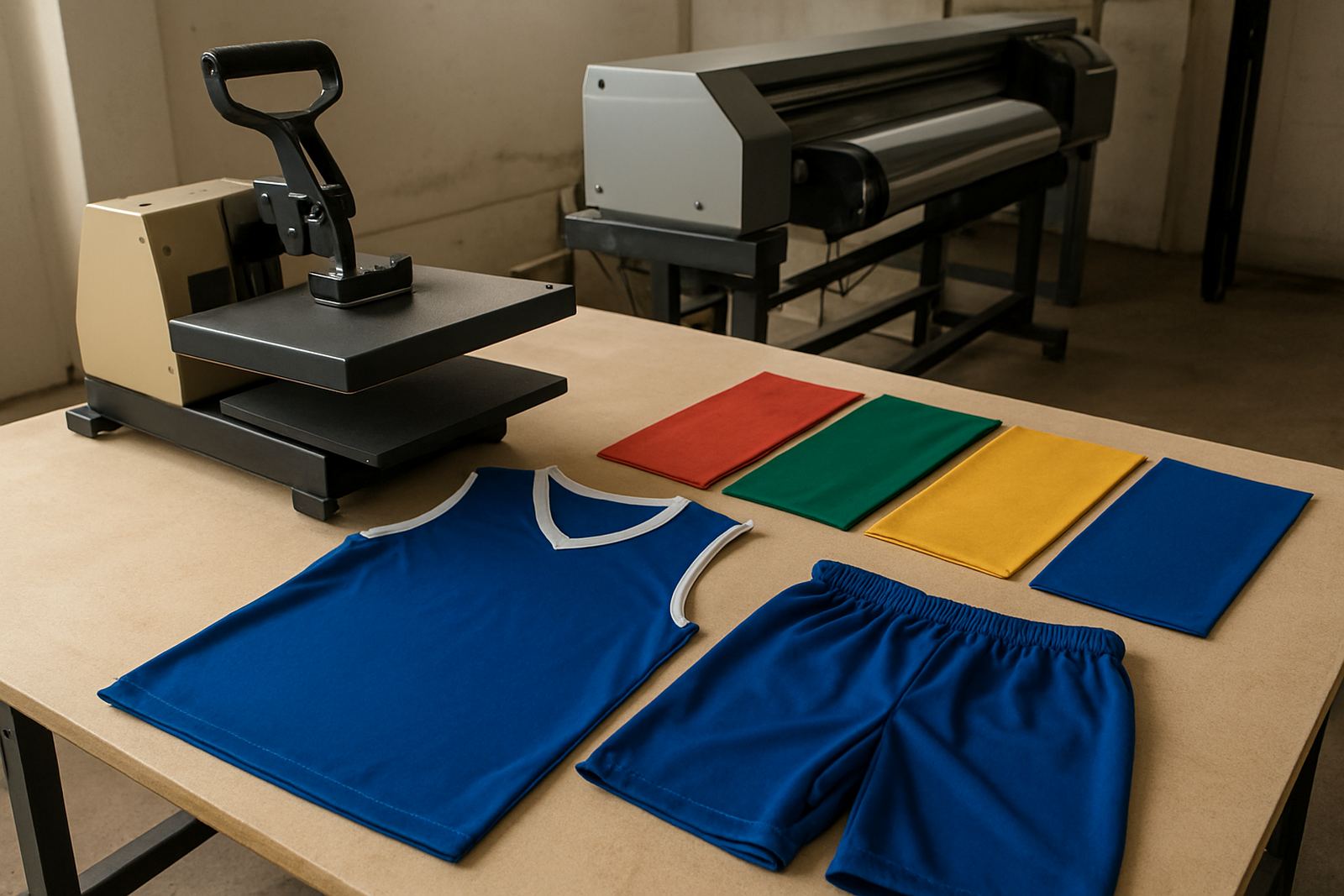
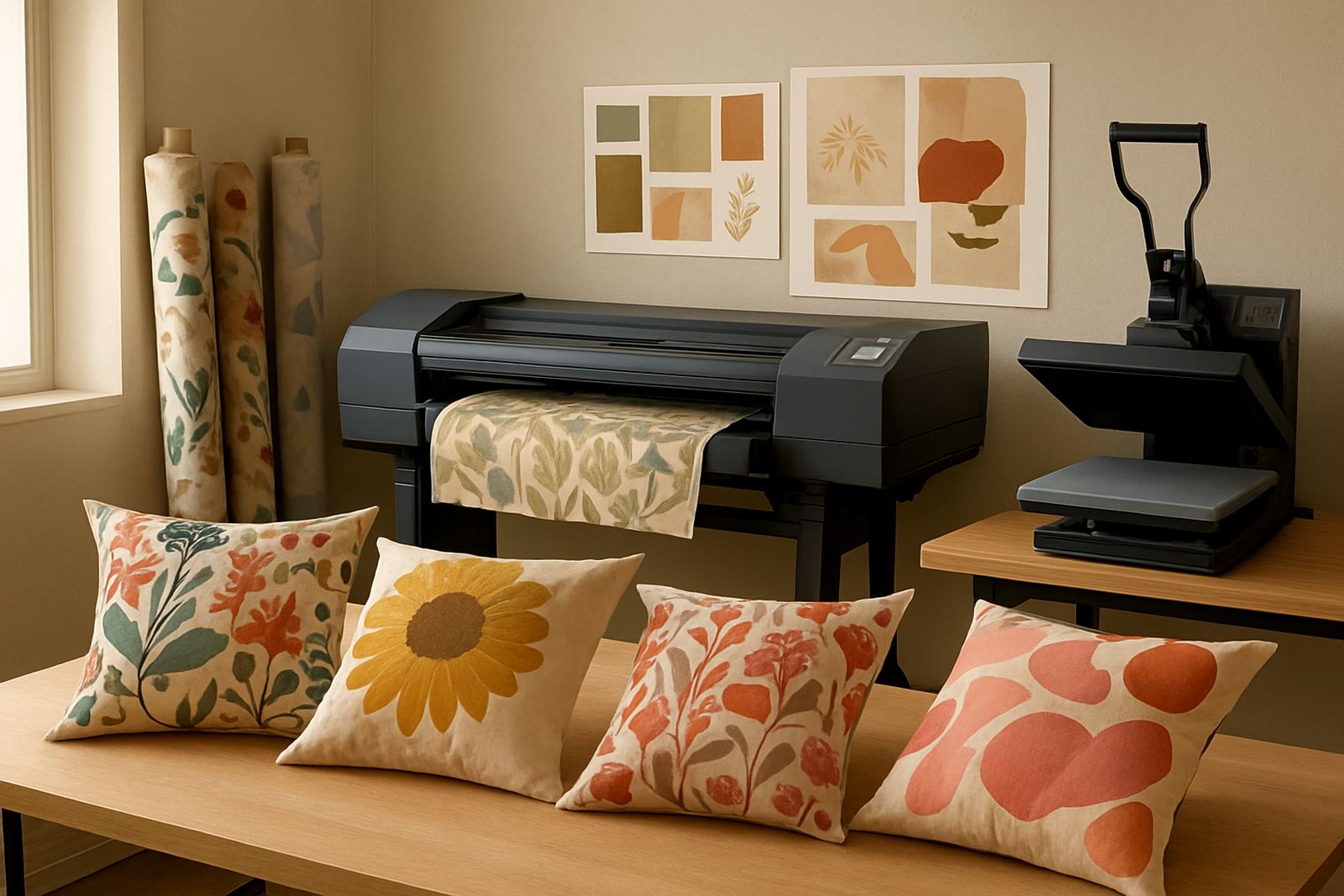
A typical setup starts with a direct-to-fabric inkjet printer sized for the studio's output, plus a heat press for fixing and finishing where required. Some teams also add a small pretreatment station, basic drying space and storage for rolls, cut lengths and finished stock. If your team is printing on cotton, linen blends or polyester-based decor fabrics, the right media and ink choice matters as much as the machine itself.
- Small studios often need a compact printer for sampling and short production runs.
- Growing teams may need a wider print width for runners, curtain panels and scatter cushion sets.
- Colour control is important when a client wants the same shade across multiple rooms.
A practical equipment set for décor work
For interior decor work, the best starting point is a printer that can manage fine lines, soft gradients and repeat patterns without banding. Heat presses are useful for fixing printed fabric, pressing sample swatches and finishing certain textile jobs. Many studios also ask for profiling support, because a cream, sage or charcoal can shift once it moves from screen to cloth.
We usually match the equipment to the fabric types and daily output, not just the floor space. If you are producing cushion covers in Sandton, runners for Cape Town hospitality clients or bespoke soft furnishing ranges in Durban, your setup may need a different ink set and drying flow from a studio doing mostly one-off samples in Pretoria. The aim is to keep production simple enough for a small team to manage, even on load-shedding days when power planning becomes part of the workflow.
- Direct-to-fabric inkjet printer for repeats, motifs and sample runs.
- Heat press for fixing and finishing work.
- Colour profiling support to keep runs consistent.
- Basic maintenance kit for cleaning and day-to-day care.
Layout planning for a small studio or workroom
Many décor studios in Johannesburg and surrounding areas are working in converted office space, light industrial units or shared creative premises. The machine layout needs to allow for fabric handling, printer access, pressing, drying and safe storage. If the printer is squeezed into a corner with no airflow, you can end up with slow drying, dust contamination and inconsistent output.
A sensible layout puts fabric feed, printing, curing and packing in one clear line. Keep the heat press close enough for quick movement but not so close that heat builds up around the printer. In coastal areas like Durban and Cape Town, humidity can also affect fabric handling and drying times, so the room setup should allow for ventilation and covered storage. In Germiston and Boksburg, dust control is often the bigger concern.
- Allow enough space for rolls, cut panels and finished cushion covers.
- Keep inks and consumables in a cool, dry cupboard away from direct sun.
- Make sure there is room for a trolley or table for sorting samples.
- Plan power points so machines are not running off unsafe extension leads.
Common mistakes décor teams make when buying fabric print systems
One of the most common mistakes is buying a machine that is too large for the actual workload. A studio that prints 20 to 30 metres a week does not need the same setup as a factory in Midrand doing repeat commercial work. Another mistake is focusing only on purchase price and overlooking inks, media, servicing and operator training. Those ongoing costs can change the real monthly budget quite quickly.
Colour matching is another area where teams get caught out. If the studio has no proper profiling process, a client may approve a sample in the showroom and then reject the final batch when the colour shifts under different light. Poor fabric preparation also causes problems, especially with natural fibres that absorb ink differently. Skipping maintenance leads to blocked nozzles, wasted material and avoidable downtime.
- Do not buy without checking the exact fabric types you will print on.
- Do not leave colour setup until after the first paid order.
- Do not ignore maintenance planning if you work through busy project seasons.
Budget ranges in Rand for South African décor studios
Budget depends on print width, daily output, finishing needs and how much support you want at the start. A smaller studio setting up for sampling and short runs may spend in the lower budget band, while a team producing regular client orders will need to allow more for a wider printer, heat press and proper training. It is also wise to budget for installation, profiling and the first batch of inks and media, because those items affect first-month productivity.
As a guide, many smaller décor setups look at around R180,000 to R350,000 for a practical entry setup, depending on configuration. A more established studio with higher output, added support equipment and servicing cover may plan for R350,000 to R700,000 or more. If the work includes relocation, spare parts planning or maintenance contracts, allow extra in the annual budget so there are no surprises when production gets busy.
For studios in Johannesburg, Pretoria, Durban, Cape Town and Bloemfontein, the right budget is the one that matches your actual fabric range and monthly order flow, not just the wish list.
Support that helps the studio keep producing
Décor teams need support that is practical and fast. When a studio is waiting on a cushion range for a client presentation or a runner set for a hospitality installation, they cannot afford long delays. That is why installation, operator training, preventive servicing and remote troubleshooting matter as much as the machine itself.
Our team works with small garment and textile businesses from Wadeville, Germiston and across South Africa. We help with setup, colour control, printhead cleaning, ink system flushing, repairs and maintenance contracts. If you are opening a new décor studio or tightening up an existing one, we can help you put together a setup that suits your space, your fabric range and your production target.
- Machine installation and on-site setup.
- Operator training for daily production work.
- Colour profiling and production audits.
- Preventive servicing and breakdown repairs.