What crafters and makers usually need from a first setup
Most crafters start with a simple goal: print small runs of custom fabric for tote bags, cushion covers, baby items, labels, table runners or branded gifts. The work is often done from a spare room, garage, home studio or a small unit in Wadeville, Germiston, so the equipment has to be compact, easy to learn and dependable when orders come in one at a time or in short bursts.
In this space, the buyer is usually not looking for a full factory line. They want a direct-to-fabric inkjet printer that can produce bright colour on repeat, a heat press for fixing, a proper workflow for drying and curing, and training that keeps waste low. If you are selling at markets in Johannesburg, Pretoria, Durban, Cape Town or Bloemfontein, the setup must handle quick turnaround and consistent quality, because customers notice fading, misalignment and rough finishes very quickly.
Typical equipment for small creative production
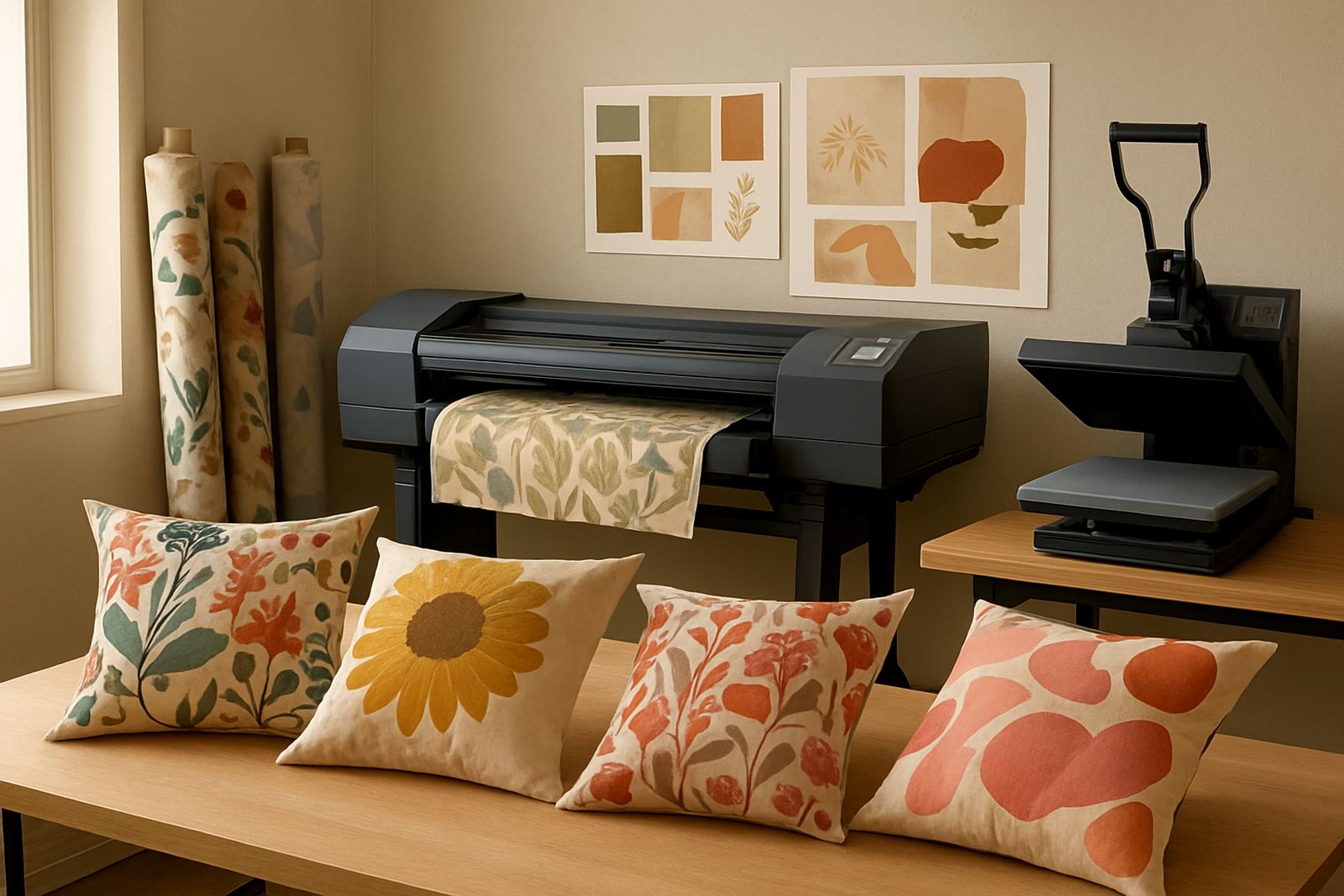
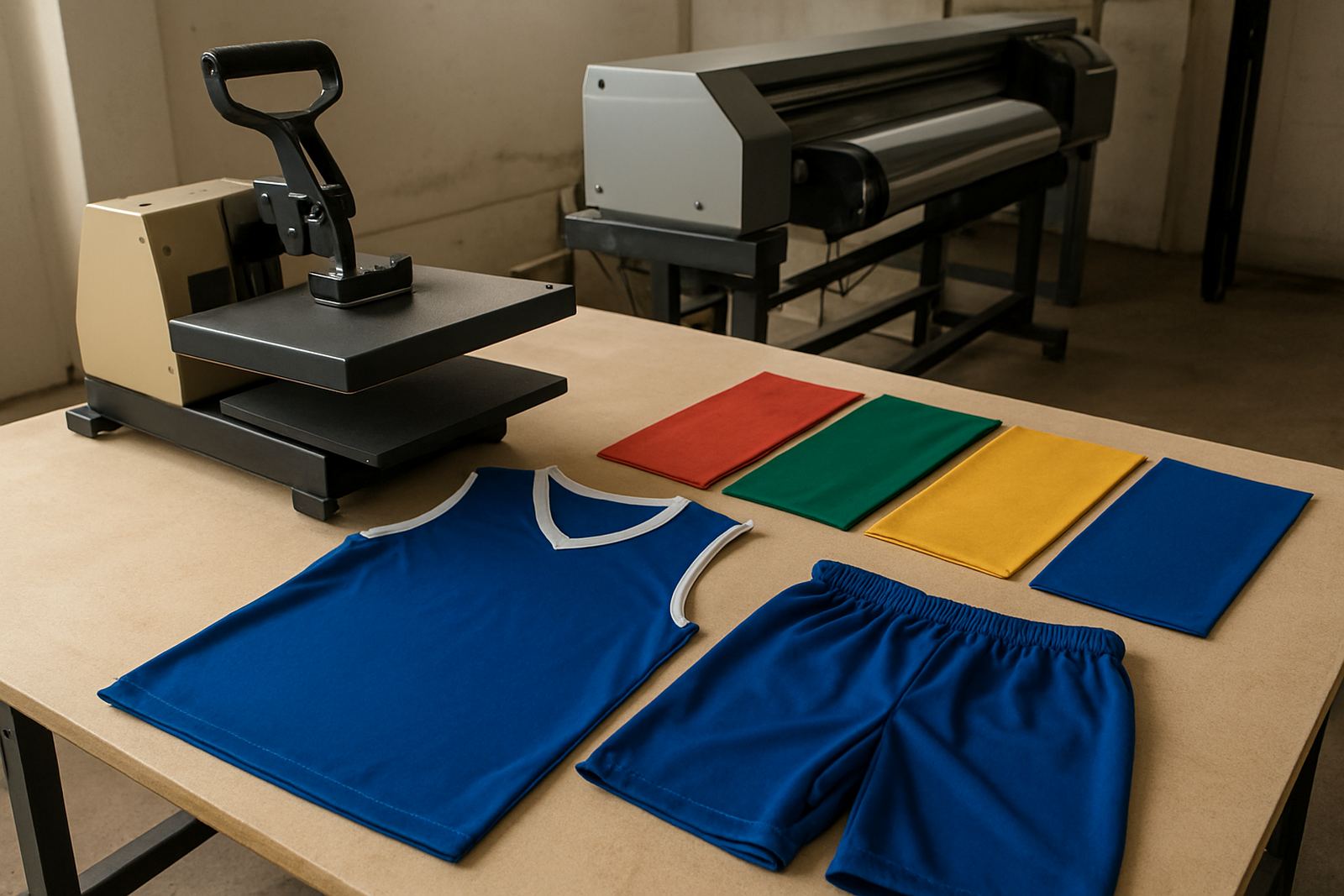
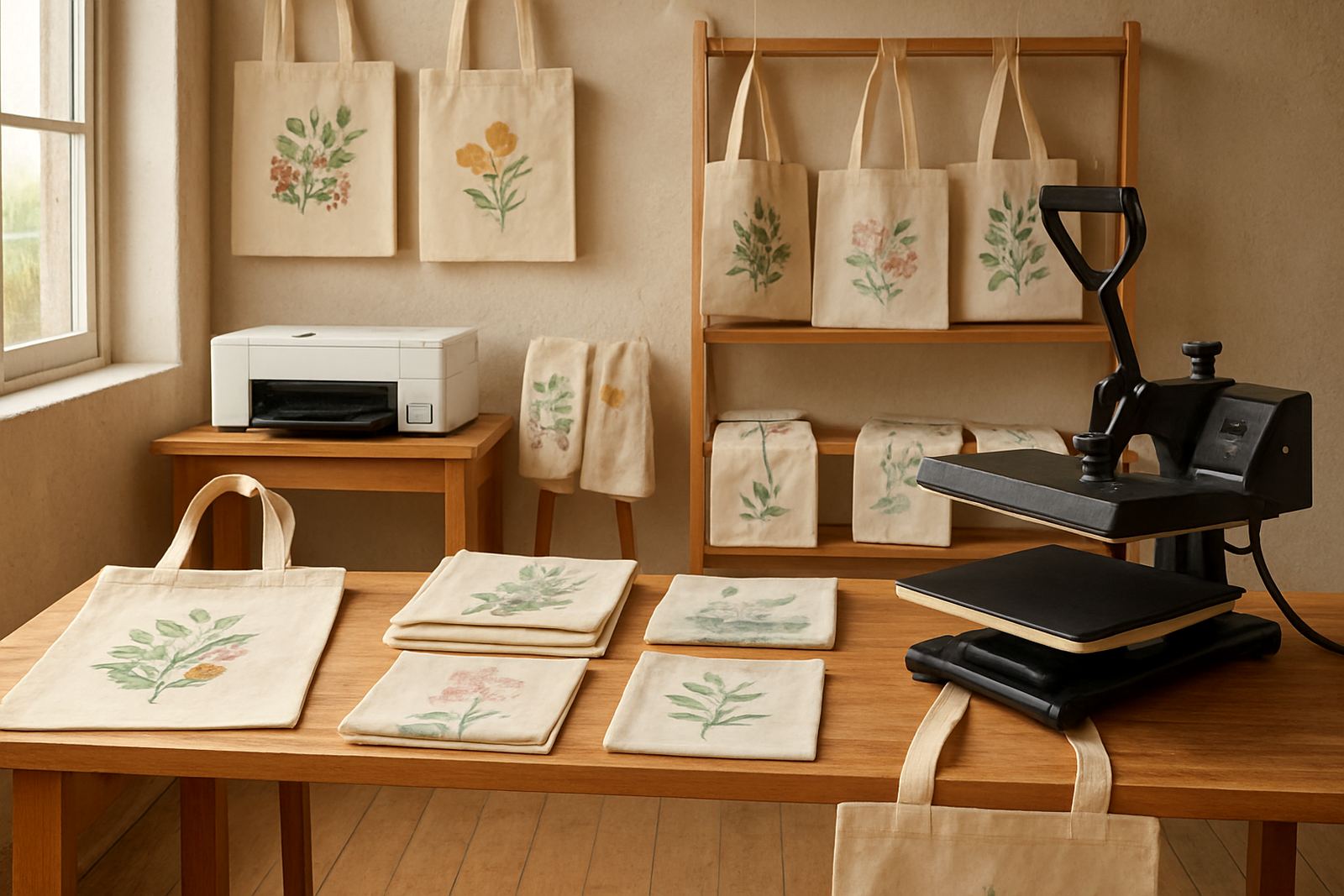
A good starter set-up depends on what you print most often, but the usual combination is straightforward. You need a direct-to-fabric inkjet printer matched to your fabric type, a heat press sized for your items, inks suited to your application, and the basic handling tools to keep prints clean and repeatable. For many makers, a small heat press is enough at first, though a wider bed helps when you move into larger panels or flat textile pieces.
- Entry-level direct-to-fabric inkjet printer for short runs and sample work
- Heat press for curing and finishing, sized to your most common item
- Inks matched to the fabric and washing requirements
- Media and fabric handling supplies for feeding, drying and storage
- Basic cleaning materials and maintenance items for daily care
- Operator training so you can run jobs confidently without guesswork
For crafters, print quality matters as much as speed. A printer with stable feed and good colour control helps when you are making matching sets, repeat patterns or personalised gifts. If you are producing from a small space, make sure the printer can be placed where the air is dry enough and dust is controlled, since coastal humidity in places like Durban can affect handling and storage while dry winter air in Gauteng can change how some fabrics behave.
How to plan the layout in a small workshop or home studio
The best layout is one that reduces movement. Keep fabric receiving, printing, drying and pressing in a straight line if possible. That saves time and cuts down on mistakes like touching a fresh print before it has settled. Leave space for rolls, folded stock and finished items so your working table does not become the storage area by default.
Also plan for power and ventilation. Load-shedding can interrupt production, so many small makers budget for a backup power plan or at least a controlled shutdown routine. If you work from a home unit or shared premises, check municipal rules for noise, fumes, parking and waste handling before you expand. In Germiston and surrounding industrial areas, keeping the space tidy and safe also matters when clients come for collections or training.
- Place the printer near a stable power point and away from dust
- Keep the heat press on a heat-safe surface with clear working room
- Store inks and fabrics out of direct sun and moisture
- Allow a dry, clean zone for finished pieces before packing
- Keep a small service space for cleaning and daily checks
Common mistakes first-time makers make
The biggest mistake is buying for ambition instead of current demand. A maker who only sells at weekend markets may not need a high-capacity setup on day one. Another common error is choosing equipment without checking the fabric mix they actually sell. If your items are mostly cotton, your process and ink choice should suit cotton first, not a broad claim that covers every fabric on the shelf.
People also under-budget for training, servicing and consumables. A printer is only part of the cost. You also need time for colour profiling, test runs, cleaning and basic maintenance. If that is ignored, the first few months can become expensive very quickly. We often see small businesses skip operator training, then lose money through blocked nozzles, dull colour or wasted fabric. Small mistakes in setup become costly once you start selling, especially when customers expect clean finishes and fast turnaround.
- Buying a machine that is too large for current orders
- Ignoring fabric type, shrinkage and finishing needs
- Forgetting daily cleaning and preventive servicing
- Using poor storage for inks, media and printed stock
- Skipping colour profiling and then trying to fix colour by eye
Budget ranges for crafters and makers in Rand
For an entry-level creative setup, budgets can vary a lot depending on the print width, the fabric types you want to handle and whether you need installation support. As a rough guide, small makers often start in the lower tens of thousands for a very basic setup, while a more complete production-ready starter package can move into a higher range once training, setup and the right accessories are included.
It helps to think in stages. Stage one is the printer and heat press. Stage two adds inks, consumables and practical storage. Stage three covers installation, colour profiling, operator training and a maintenance plan. Many businesses around Johannesburg and Pretoria prefer to phase the spend, while makers in Durban or Cape Town may prioritise environmental control because of coastal humidity and changing workshop conditions. A sensible budget is one that leaves room for the first three months of running costs, not just the machine purchase.
If you are selling custom gifts, baby items or market stock, the aim is to keep fixed costs manageable while your order book grows. That usually means choosing equipment that is simple to learn, easy to service and suitable for the work you already have, rather than the work you hope to get later.
Support that helps small makers stay productive
Small businesses need practical support after the delivery is made. That includes machine installation, operator training, remote troubleshooting, preventive servicing and breakdown repairs when production stops unexpectedly. It also helps to have access to printhead cleaning, ink system flushing, spare parts supply and maintenance contracts, because small makers cannot afford long downtime when orders are due for a market, pop-up or boutique restock.
At Fabric Printer, clients across Germiston, Johannesburg, Pretoria, Durban, Cape Town and Bloemfontein use the enquiry form on our contact page to ask about suitable setups, planning and after-sales support. Our team works with small garment and textile businesses every day, from first-time makers to established shops adding a compact print line. With the right setup, your workshop can stay organised, your prints can stay consistent and your production can grow at a pace that makes sense for your cash flow.