Why modest fashion labels need a different printing setup
Modest fashion is not just about longer lengths and fuller coverage. Labels working with tunics, abayas, kaftans, hijabs, layered dresses and matching sets need repeatable print quality on fabrics that move, drape and often show faults quickly. A small colour shift or uneven feed can ruin a whole run, especially when the design includes borders, sleeves, panels or mirrored repeats.
For a growing label in Johannesburg, Pretoria, Durban, Cape Town or Bloemfontein, the main challenge is keeping production tidy while still handling smaller batches for seasonal ranges, boutique orders and custom client requests. You need equipment that can deal with lightweight textile rolls, accurate placement and a dependable curing or pressing process. In coastal towns like Durban and Cape Town, humidity can also affect storage, drying and fabric handling, so planning matters just as much as the machine choice.
Our team works with small garment and textile businesses that want practical production, not complicated kit that takes weeks to master. The aim is to keep your prints sharp, your colours steady and your turnaround times under control.
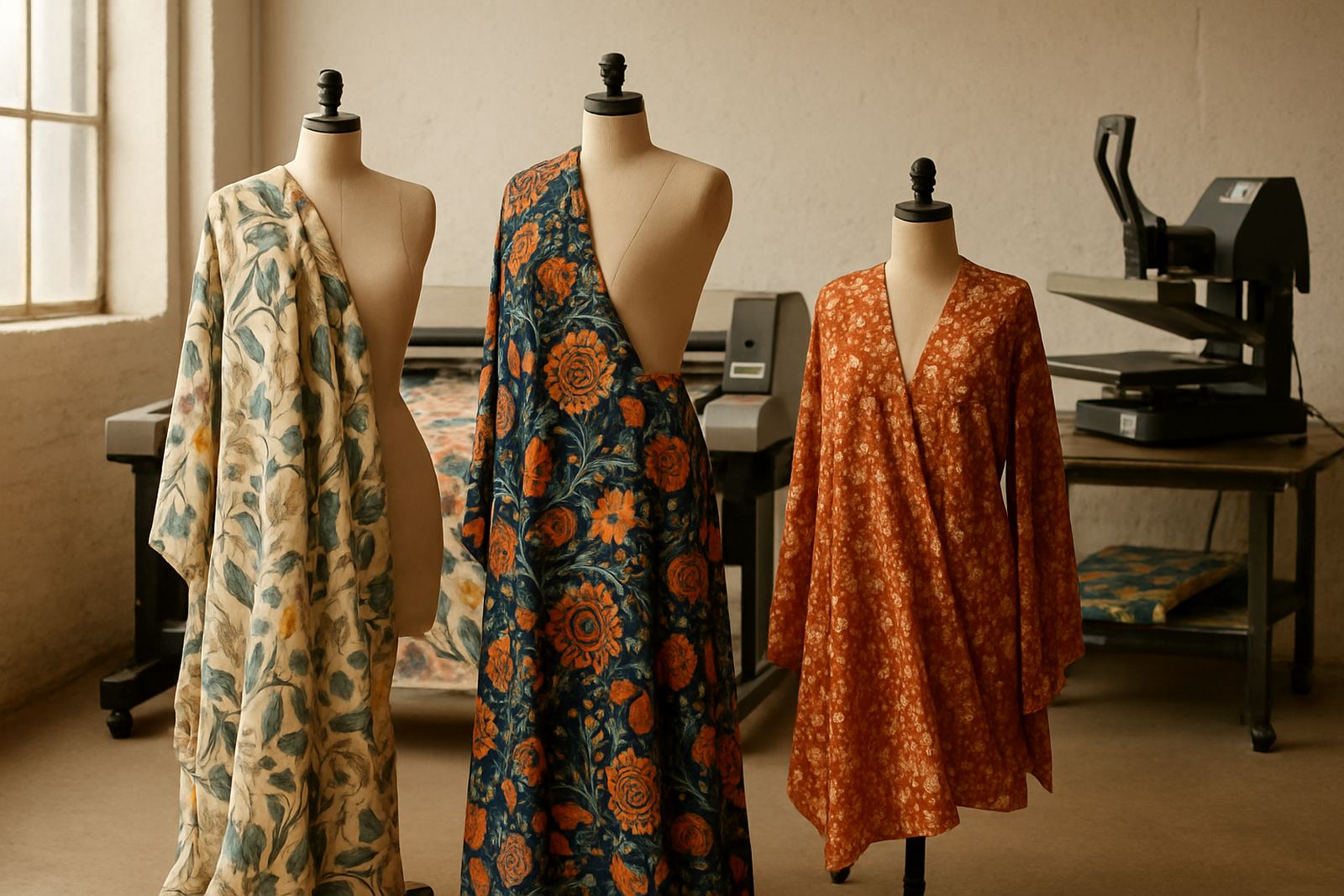
Typical equipment for repeat prints and garment panels
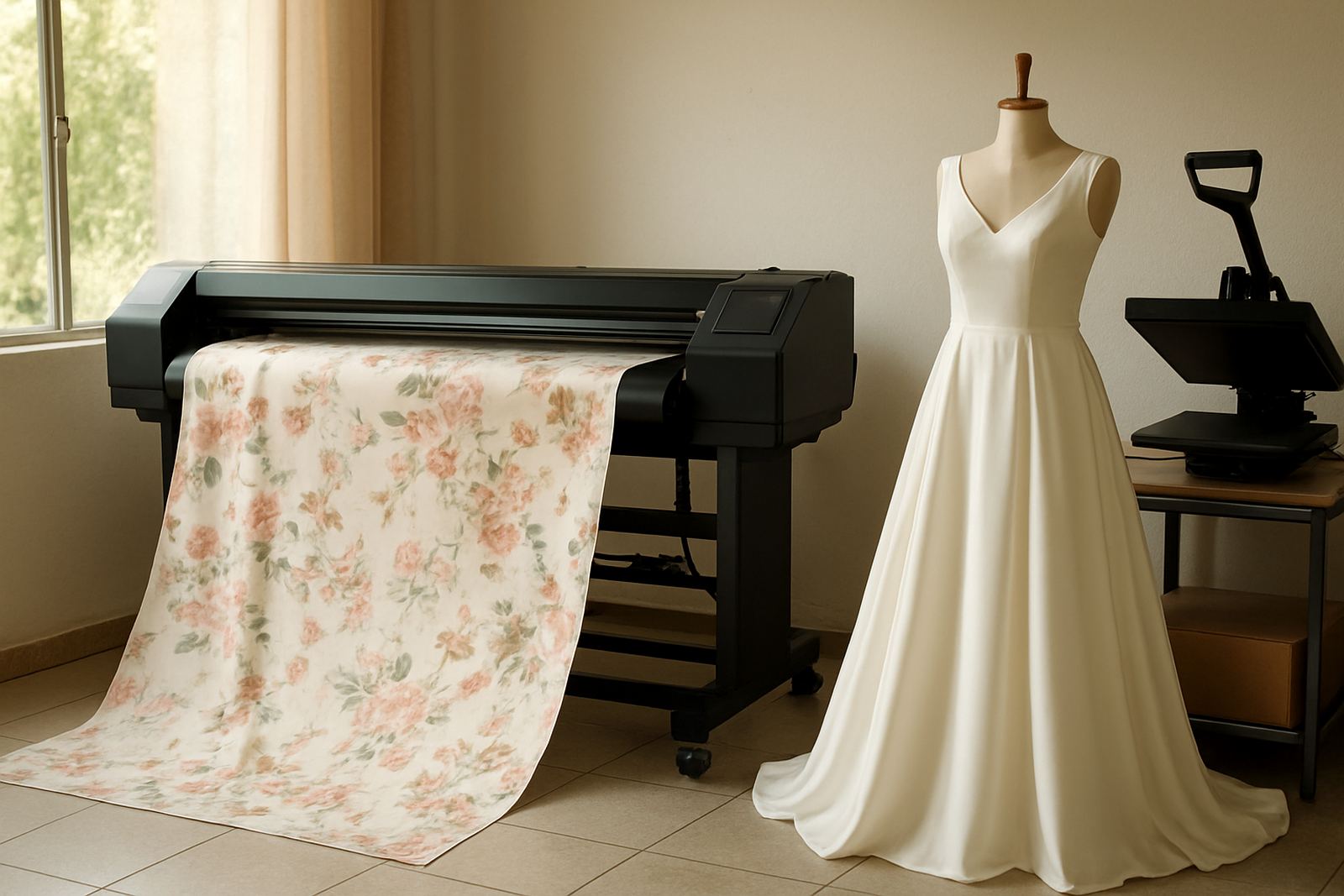
Most modest fashion labels start with a compact production line that can handle both sampling and small batch work. The exact setup depends on fabric type, print width and daily output, but the following combination is common for labels producing repeat prints, border designs and finished garment panels.
- Direct-to-fabric inkjet printer for full-colour textile prints on suitable fabrics
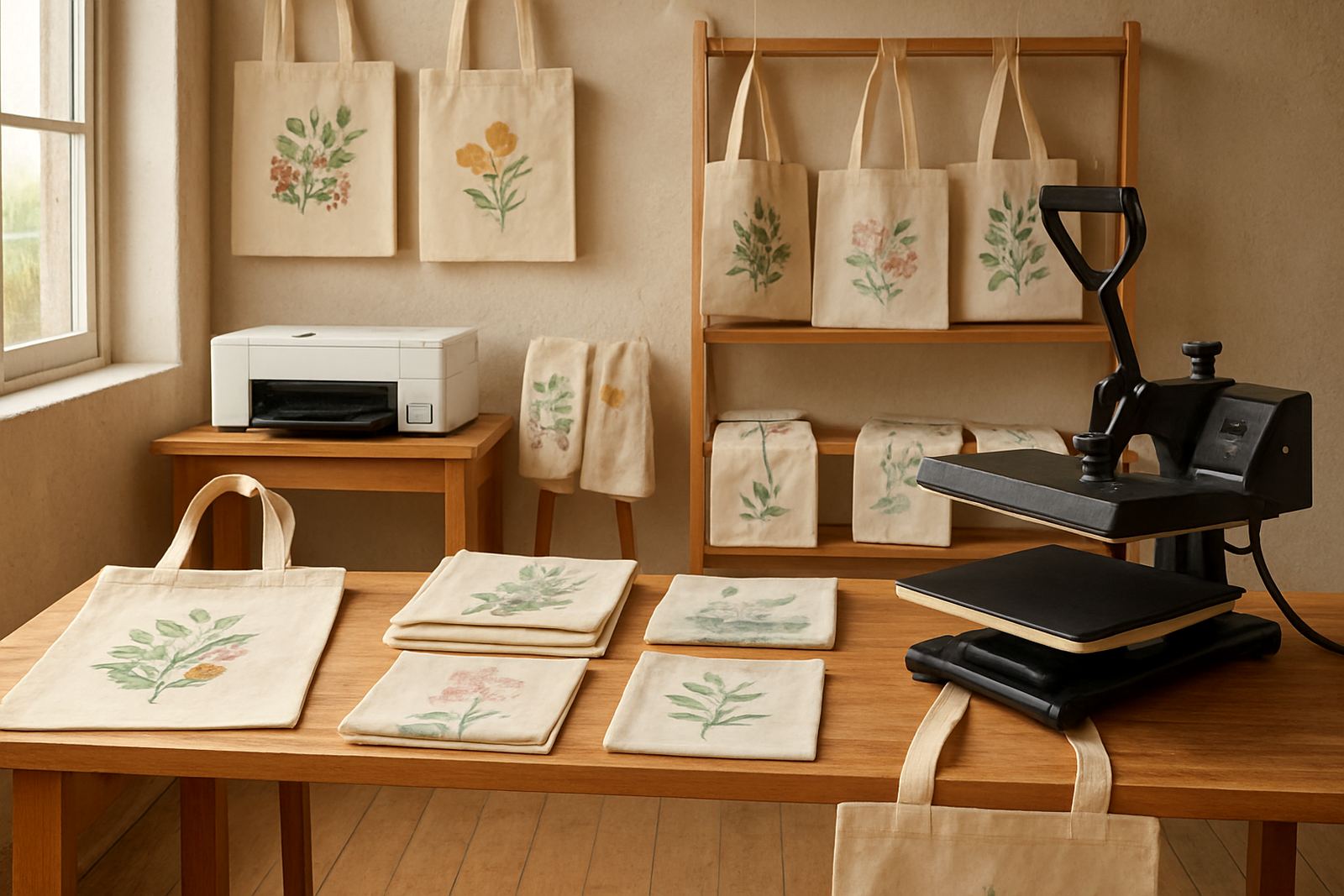
- Heat press for transfer work, finishing and sample development
- Inks matched to the fabric type and production goal
- Media and fabric feeding setup for cleaner roll handling
- Basic colour profiling tools and setup support
- Spare parts and cleaning supplies for day-to-day maintenance
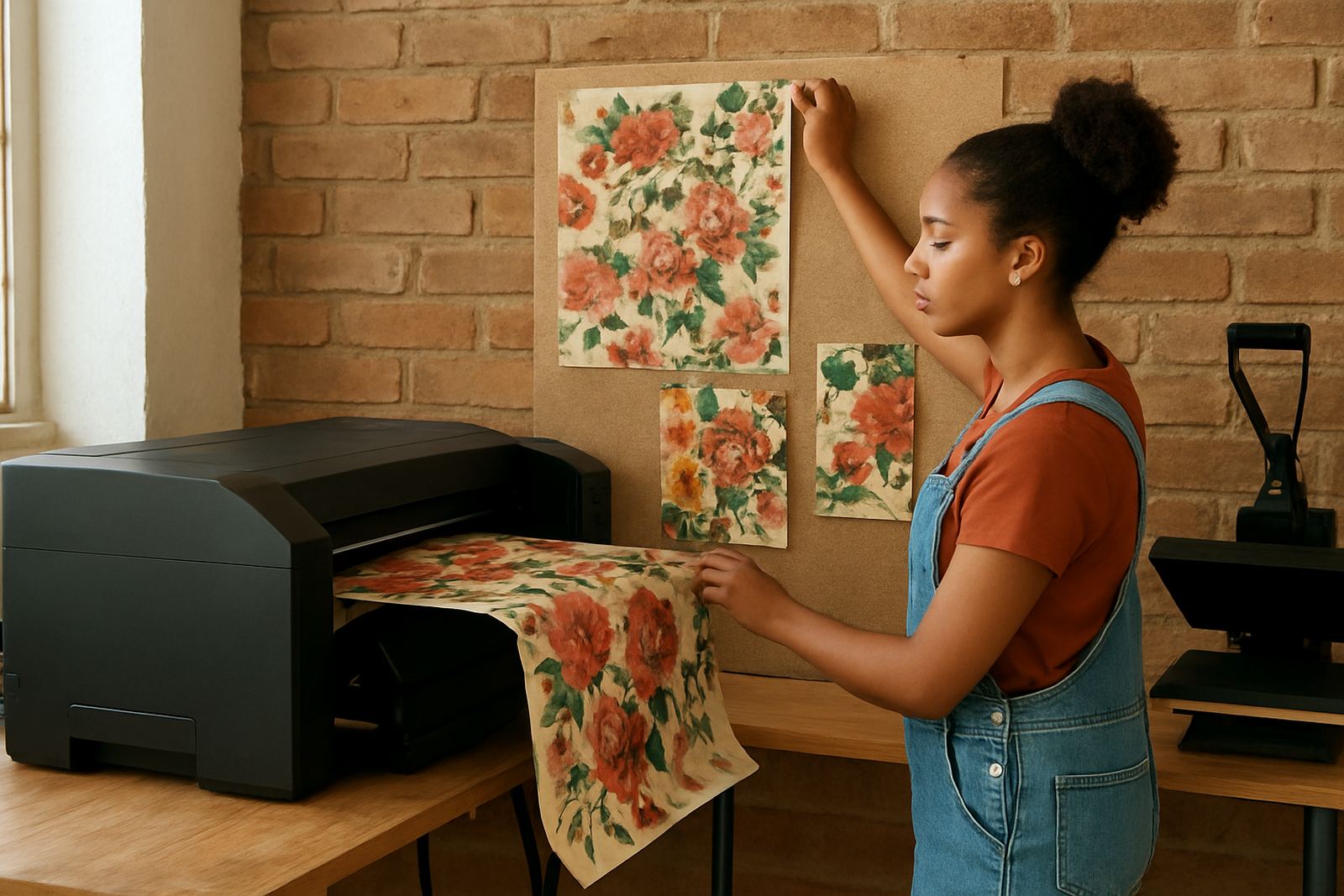
Some clients only need one printer and a heat press to start. Others add a second unit later for faster throughput, especially when they are producing for retail launches, schoolwear-inspired modest collections or custom client orders. If your range includes fine detailing, borders or repeated motifs, colour consistency matters more than speed alone. A machine that can hold registration and maintain stable output can save a lot of fabric waste.
Planning the floor layout for small textile runs
Space planning is often underestimated. A modest fashion label may have room for printing, pressing, cutting, folding and packing all in one area, but each stage needs breathing room. Keep incoming fabric away from dust and direct sun, and allow for a clean path from printer to drying or curing area. If the shop is in an industrial unit in Wadeville, Boksburg or Midrand, dust control and floor layout become even more important because open doors and vehicle movement can affect print quality.
A good layout usually separates the wet side from the dry side. That means printer, ink storage and cleaning supplies in one zone, with pressing and finishing in another. If you print in a small room, leave enough clearance for roll loading and operator movement. It also helps to place the computer, artwork review and colour checks close to the printer so mistakes are picked up before fabric is wasted.
Power planning matters too. Load-shedding can interrupt production, so labels should think about backup power for essential equipment, even if only for short shutdowns and controlled shutdowns. A few minutes of power loss at the wrong time can cause banding, wasted fabric or a clogged printhead.
Common mistakes when printing flowing fabrics
Flattering garments depend on fabric movement, and that makes the production process unforgiving. Many new labels rush the setup and then spend money fixing issues that could have been avoided. The most common problems are not always technical faults, they are process faults.
- Using the wrong fabric feed tension, which causes skewed prints or edge marks
- Skipping colour profiling and ending up with dull or uneven tones
- Storing fabric badly in humid conditions, then getting inconsistent print results
- Trying to print complex repeats without enough test runs
- Ignoring printhead cleaning and ink system flushing until a blockage starts
- Setting the machine in a cramped room where dust, heat or handling damage the stock
Another common mistake is buying the cheapest option without checking support, servicing and spare parts supply. A modest fashion label usually works to deadlines, so downtime can mean missed orders and unhappy boutiques. It is better to choose equipment that is practical to maintain and simple for your staff to use.
Training, servicing and support for busy production weeks
Small labels often need more than a machine drop-off. They need someone to show the operator how to load fabric, check alignment, manage ink and keep the workflow steady when orders pick up. That is why installation and training are part of the service. If you have a new technician or seamstress joining the team, a short refresher can make a real difference to print consistency.
We also support preventive servicing, breakdown repairs, remote troubleshooting and maintenance contracts for clients across South Africa. For a modest fashion brand, that can mean fewer interruptions during a launch period, better control over your colour matching and less chance of losing a week because a small fault was left too long. If you are moving premises, relocation support helps protect the machine and keep the production line working after the move.
- Machine installation and operator training
- Colour profiling for repeatable garment panels
- Preventive servicing and breakdown repairs
- Printhead cleaning and ink system flushing
- Remote troubleshooting for urgent issues
Budget ranges for modest fashion start-ups and growing labels
Budget planning depends on print width, output volume and how much finishing you do in-house. A small label focused on samples, short runs and boutique drops may start with a modest entry setup, while a busier workshop will need a stronger production package. As a guide, many clients should budget from about R85,000 to R180,000 for a practical starter setup with printer and heat press, depending on capacity and accessories. A more established operation that needs higher output, tighter colour control and better workflow support can move into the R180,000 to R450,000 range.
That budget should also cover installation, training, first inks, media, maintenance basics and any power backup needed for load-shedding. If your work is based near the coast, allow for better storage and climate control too. Saving a little on the upfront machine cost but losing fabric to moisture or misfeeds usually costs more over time. The right setup should suit the kind of garments you make now, while still giving room to grow into wider prints or extra production lines later.
For labels selling through boutiques, online drops or custom fittings, the main return comes from consistency. When the print repeats are clean and the panels line up properly, your garments look finished and customers notice the difference.
Getting the right setup for your range
If your brand focuses on modest fashion, your printing setup should support your fabric choice, your batch size and the way you work on the floor. The right machine combination can help you keep colour steady, reduce waste and produce neat garments that hold up across repeat orders. It should also fit your staff skill level, your space and your power situation.
Fabric Printer supports small garment and textile businesses from Germiston to Johannesburg, Pretoria, Durban, Cape Town and Bloemfontein. If you need help planning a modest fashion production setup, our team can guide you through the equipment options, the layout and the practical service side so you can keep printing without unnecessary stoppages.