What an Upholstery Fabric Printer does in daily production
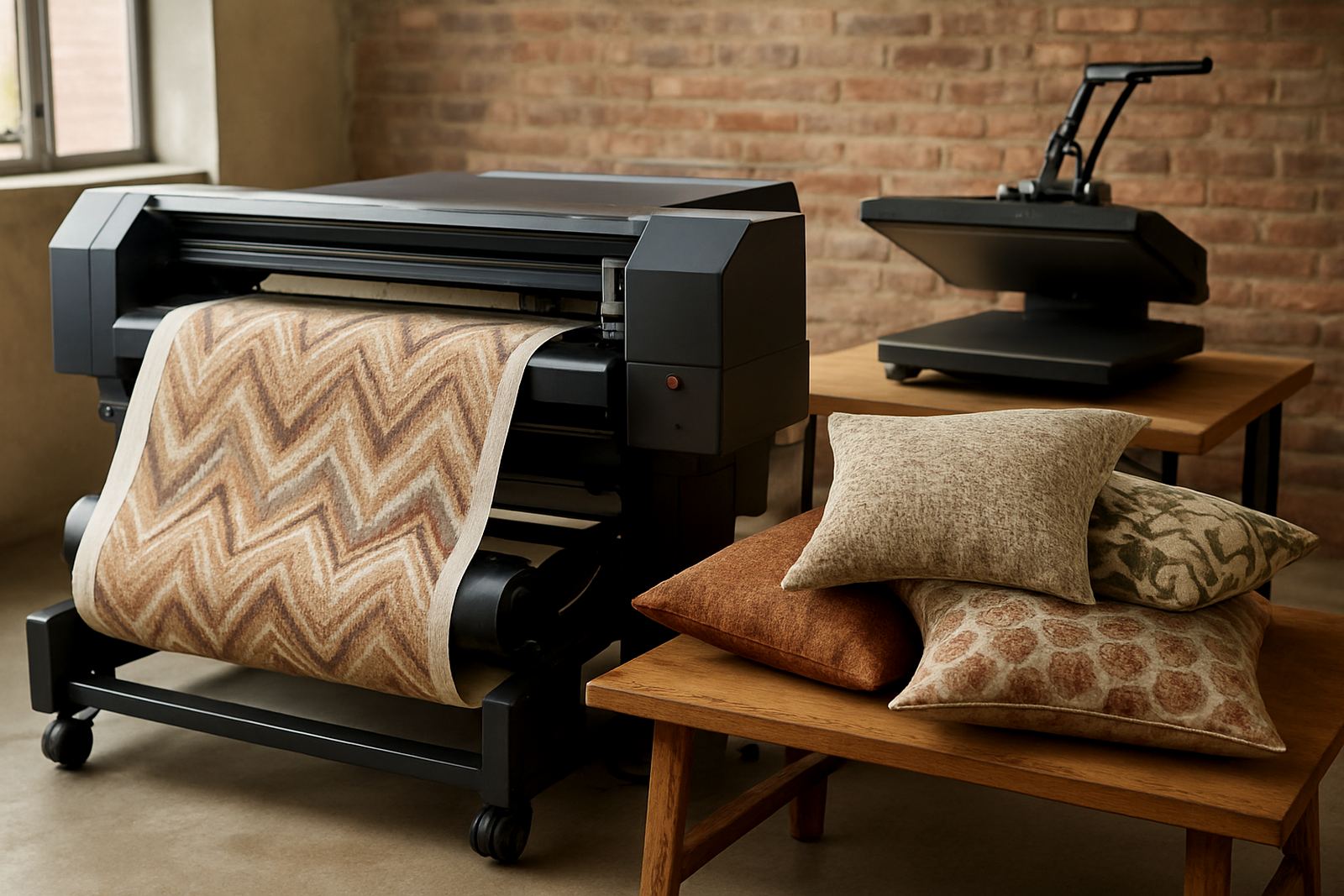
An upholstery fabric printer is a direct-to-fabric inkjet system used to print onto woven textile for cushions, scatter covers, dining chairs, sofas, headboards and decorative panels. It suits small garment and textile businesses that need custom repeats, sample runs or one-off décor jobs without waiting on large minimum orders. For studios in Germiston, Johannesburg, Pretoria, Durban, Cape Town and Bloemfontein, it gives you more control over colour, sizing and turnaround.
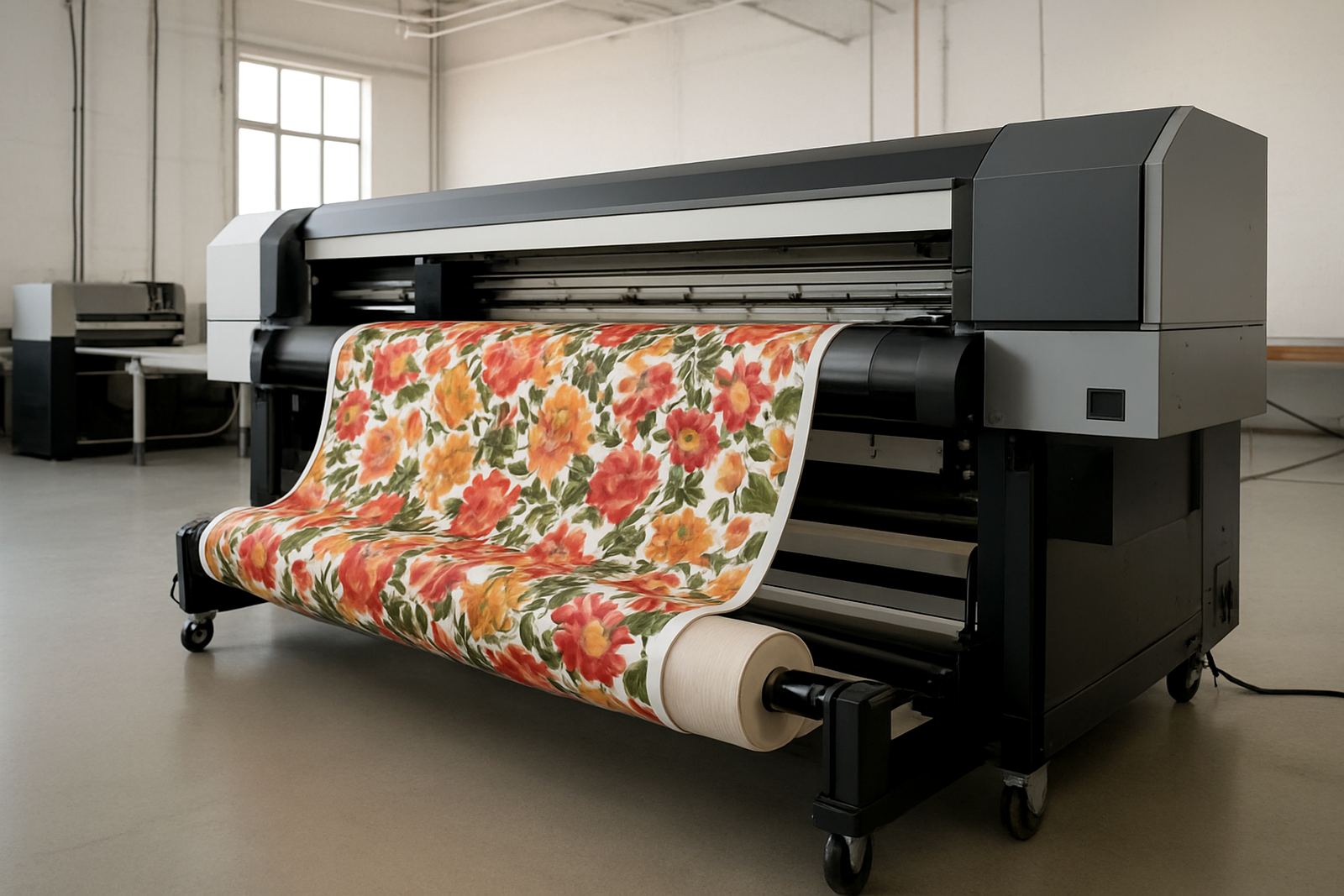
Fabric Printer supplies equipment that is aimed at practical production rather than showroom talk. You can print detailed patterns, text, logos and tonal artwork on selected fabric types, then finish the job with heat setting or curing as required by the ink system. The result is useful for décor work where texture matters and the print must hold up to handling. It is a good fit when a client needs 12 cushions, 30 chair backs or a short seating run and cannot justify the delays of outside supply.
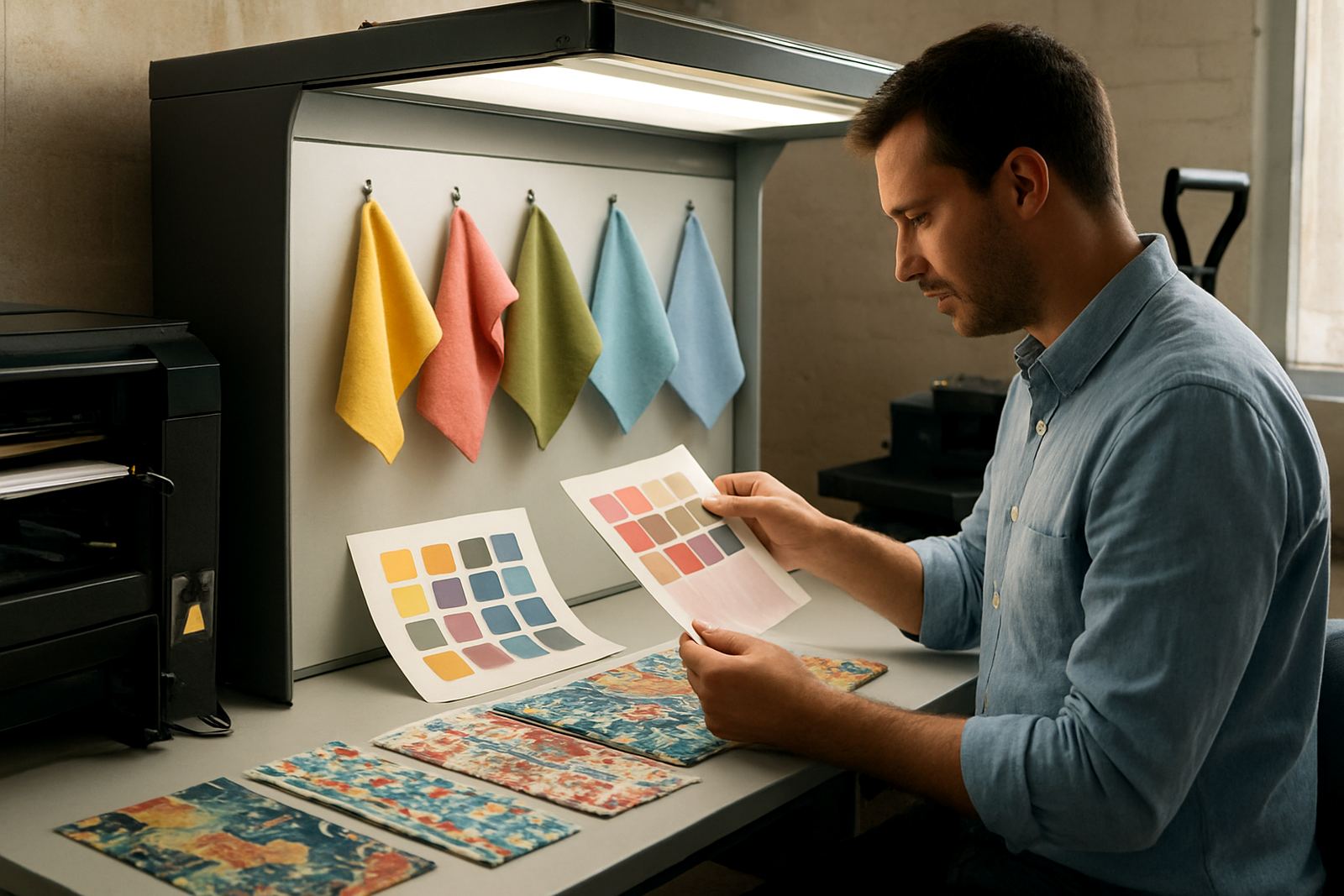
Because upholstery work often involves heavier textiles, the printer needs stable feeding, correct pre-treatment where required, and careful colour profiling. That is where proper set-up and operator training matter. A well adjusted machine reduces banding, misfeeds and wasted cloth, which is important when fabric is expensive and the job has a tight deadline.
Sizes, print width options and fabric types to consider
Upholstery jobs vary from small accent pieces to wide decorative panels, so the right printer size depends on your average cutting width and the fabric rolls you buy. We help customers match the machine to their workshop space, monthly output and the type of décor work they do most often. Some studios only need a compact unit for sampled cushions, while others need wider print width for larger seating fabrics.
- Entry-level units for short runs, sampling and small studios
- Mid-width systems for cushion sets, soft furnishings and regular décor work
- Wider-format systems for larger panels, upholstery repeats and production batches
- Options for pigment, reactive or other suitable textile ink setups depending on fabric type
- Heat press support where finishing or transfer processes are part of the workflow
Common fabric choices include cotton, cotton blends, canvas-type fabrics and selected polyester blends, depending on the ink system and the finish needed. If you are printing for interiors near the coast, factor in humidity because cloth and drying times can change from Durban to inland Gauteng. The right media choice helps you avoid curling, colour shift and unnecessary reprints. It also matters to check whether the fabric supplier gives a consistent weave, because upholstery work shows faults quickly.
Where this machine suits best in a décor business
This type of printer suits décor studios, curtain and soft furnishing workshops, interior fabric makers and small manufacturing businesses that want to keep more work in-house. It is especially useful for clients who need colour matched cushions, branded seating fabrics, show home samples or limited-edition interior runs. A business in Wadeville, Boksburg or Midrand can use it to serve local decorators, while also taking orders from other provinces.
It also works well for businesses that get irregular demand. Instead of carrying large stock, you can print to order and keep fabric moving through the workshop. That matters when space is tight and the monthly cash flow cannot carry dead stock. For shops supplying guesthouses, restaurants, schools or offices, it helps you react faster to updated colour schemes and replacement orders.
- Cushion and scatter cover production
- Seating fabric for chairs, benches and occasional upholstery pieces
- Soft furnishings for hospitality and interior fit-outs
- Sample development for designers and décor houses
- Short run branded textile work for events or commercial spaces
Installation, power needs and workshop setup
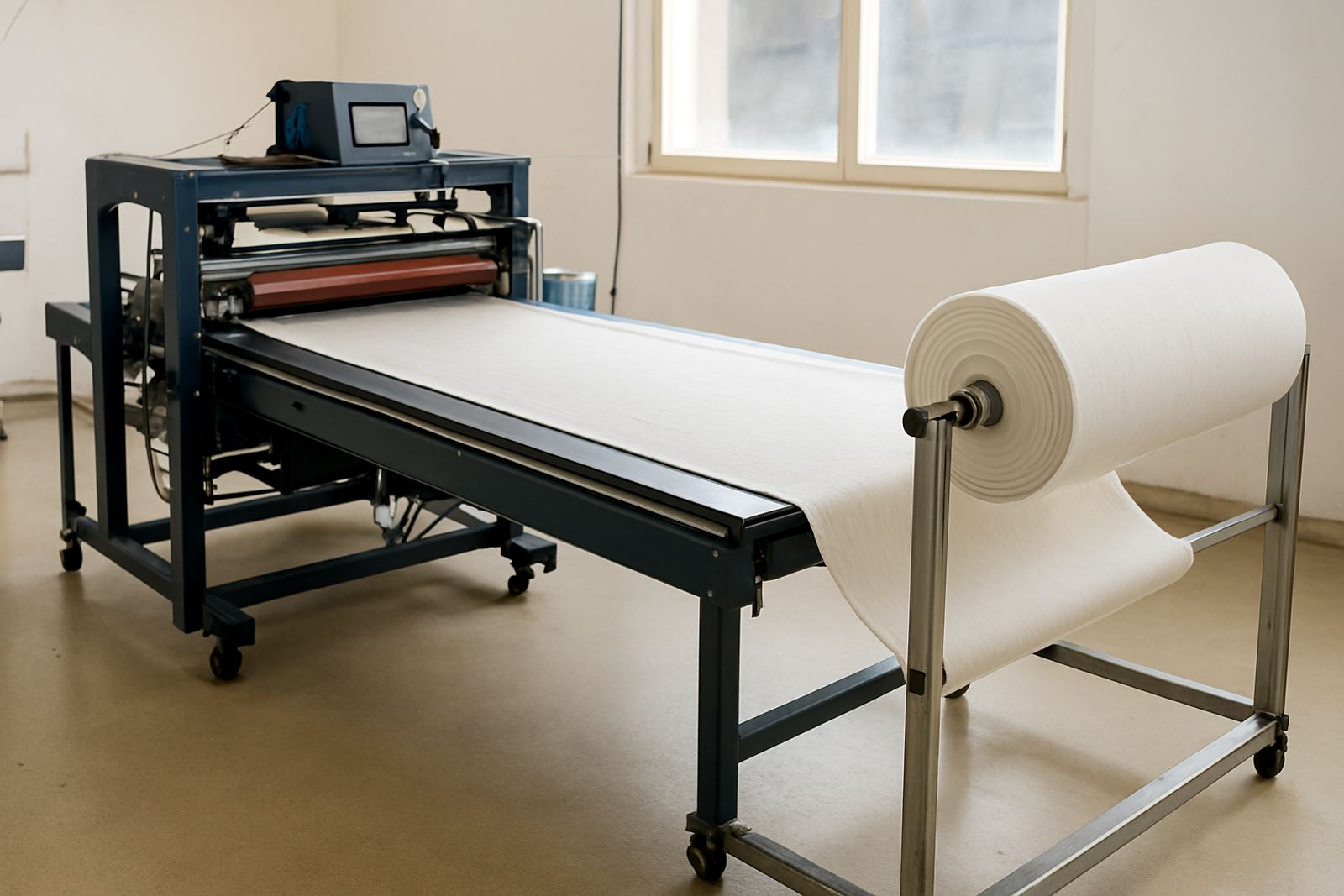
Most upholstery fabric printers need a level floor, a clean room and enough space for fabric loading, drying and finishing. If you are setting up in a factory unit or light industrial space in Germiston, the layout should allow for material movement without people crossing in front of the printer all day. Good airflow helps with drying, while dust control protects printheads and fabric surfaces.
Power requirements depend on the machine and the finishing equipment, but you should plan for a stable electrical supply with proper surge protection. In areas where load-shedding is common, it is worth discussing backup power for the printer, drying process and any heat press you plan to use. Some workshops also need compressed air or extraction depending on the print process, though not every setup uses the same support systems. Gas is not usually a primary requirement for the printer itself, but some post-print finishing or workshop heating arrangements may need separate planning.
We handle machine installation and set-up training so your team knows the basics from day one. That includes loading media, cleaning routines, setting print profiles and checking the first jobs before full production starts. A careful installation helps prevent early wear and saves you from avoidable callouts.
Care, servicing and daily checks that keep output steady
Textile printers need regular care, especially in South African conditions where dust, heat and humidity can all affect performance. If ink dries in the wrong place or fabric fibres build up around the carriage area, your print quality can drop quickly. A simple daily check is better than waiting for a breakdown that stops production for two days. Small teams often think they can skip cleaning, but that usually costs more later.
Our support includes preventive servicing, printhead cleaning, ink system flushing, remote troubleshooting and breakdown repairs. For upholstery work, consistent maintenance is important because a poor nozzle pattern can show clearly on large patterned sections. You should also keep an eye on humidity in coastal areas and on temperature changes in inland workshops, since both can affect drying and colour repeatability.
- Run cleaning cycles as recommended for the ink system in use
- Check fabric feed alignment before each production batch
- Keep spare filters, wipers and critical parts on hand
- Store inks and media in a clean, temperate area
- Book servicing before peak seasons, not after a failure
What to check before you place an order
Before buying an upholstery fabric printer, check your average roll width, the fabric types you use, your monthly print volume and the finish your customers expect. It also helps to know whether you need mainly sampling or full production. A machine that is perfect for cushion mock-ups may be too slow for larger seating orders, while a bigger system can be unnecessary if your work stays small and irregular.
Ask what training is included, what ink system suits your fabrics and how colour profiling will be handled. It is also wise to confirm spare parts supply, service response times and whether relocation support is available if your workshop moves later. If your team is new to textile printing, operator training and production audits can make a real difference in the first few months.
You should also compare the true running cost, not just the purchase price. Consider ink use, media waste, service intervals and the space needed for drying and finishing. For upholstery jobs, a printer that gives stable results on the first pass often saves more money than one that only looks good on paper.
Key facts
| Print type | Direct-to-fabric inkjet for upholstery and décor textiles |
|---|---|
| Typical use | Cushions, seating fabric, soft furnishings and sampling |
| Fabric compatibility | Selected woven textiles, cotton blends, canvas-type fabrics and some polyester blends |
| Setup support | Installation, colour profiling and operator training available |
| Maintenance support | Preventive servicing, cleaning, flushing and repairs |
| Service areas | Germiston, Johannesburg, Pretoria, Durban, Cape Town and Bloemfontein |