What a Colour Proofing Station Does in the Workshop
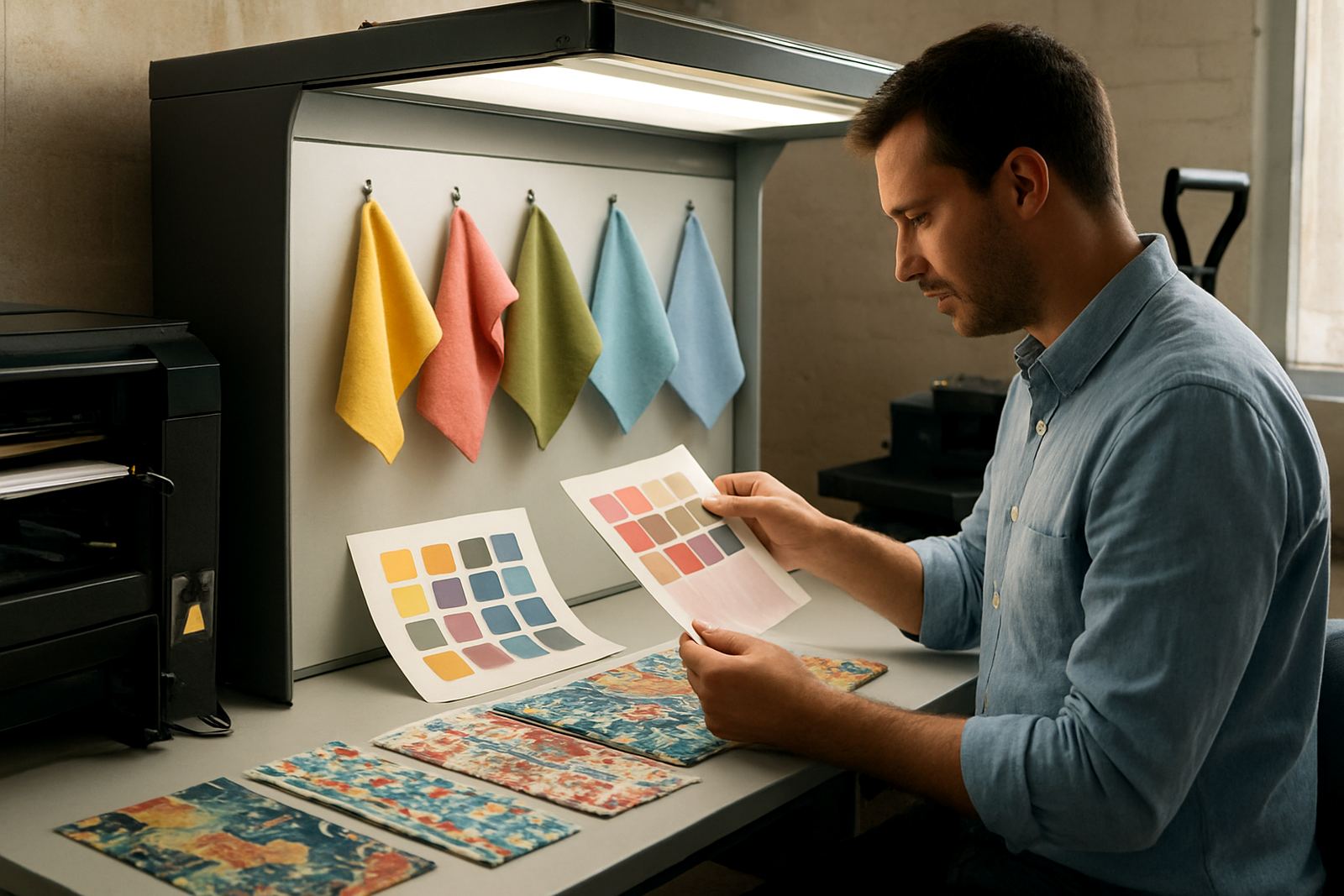
A colour proofing station is a compact inspection setup used to check print output before full production starts. It gives you a clean, steady viewing area for comparing samples, checking registration, spotting banding or dot gain, and confirming that the print looks right on the actual fabric or transfer media. For small teams in Germiston, Midrand or Pretoria, it can save time, ink and costly reprints.
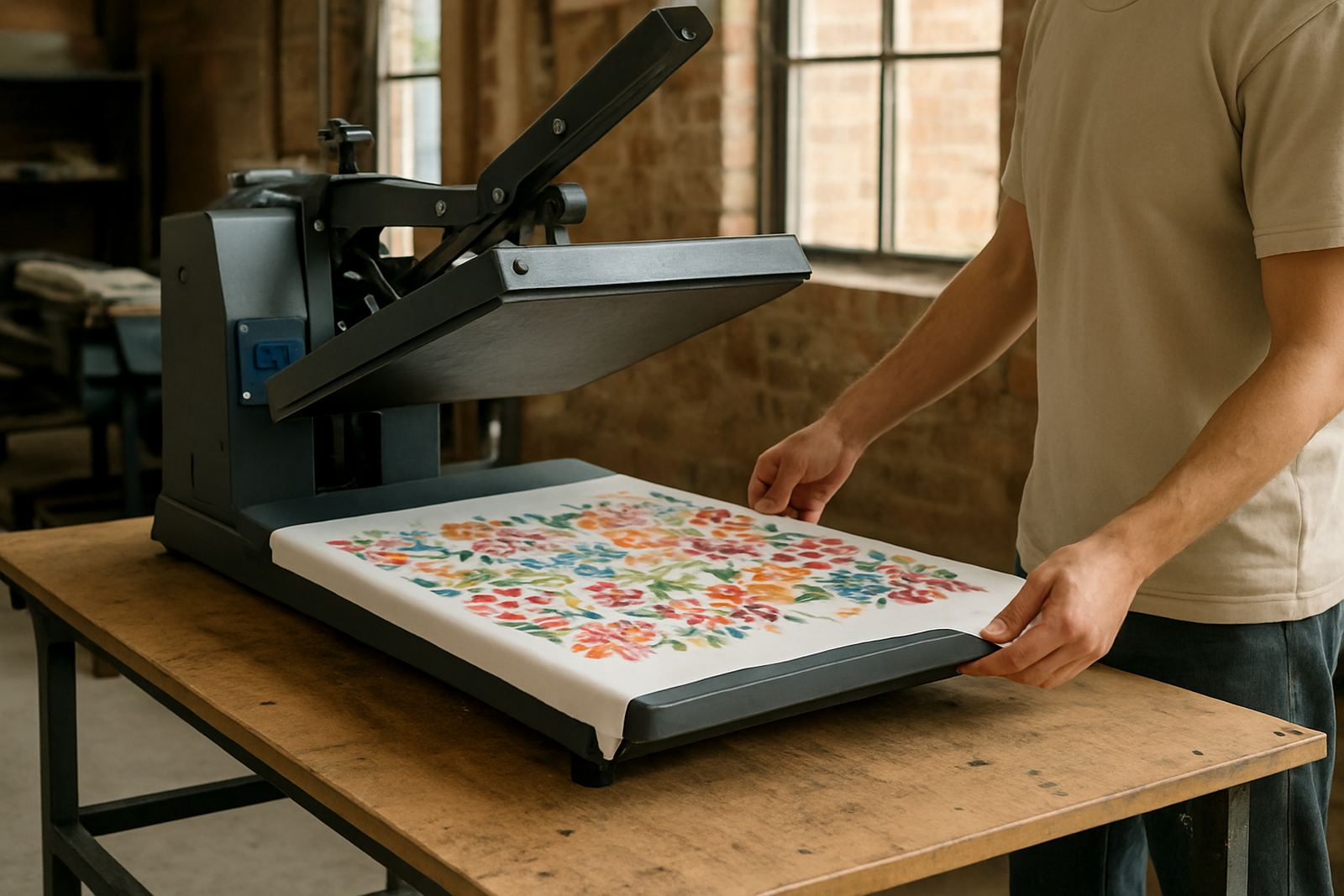
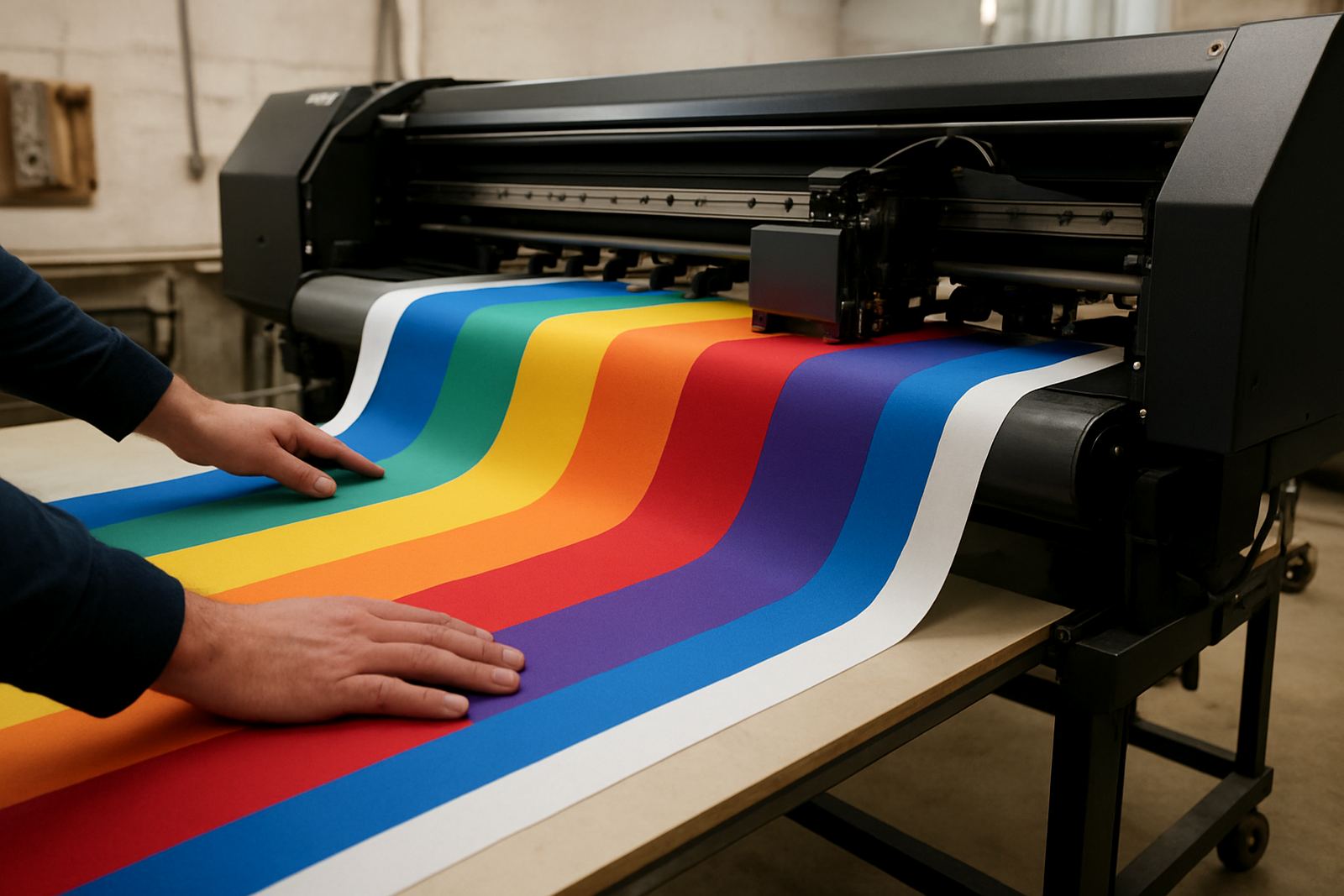
The station is normally used alongside your printer, heat press and colour management tools. You print a sample, cure or press it if needed, then compare it under a consistent light source and on a flat surface. That simple step helps reduce guesswork, especially when you are matching repeat orders or switching between fabrics with different coatings and texture. It also helps when load-shedding causes stop-start production and you need to pick up where you left off without losing consistency.
- Checks colour accuracy before full production
- Helps identify banding, alignment and detail issues
- Supports repeat orders and sample approval
- Useful for short runs, boutiques and sample rooms
Sizes, Layouts and Practical Options
Most colour proofing stations are supplied as a compact bench unit or wall-adjacent inspection table, depending on the amount of floor space you have. A typical unit suits small workshops from about 1.2 metres to 1.8 metres wide, with a working depth of 600 mm to 900 mm. That gives enough space for A3 and A2 samples, folded garment panels and comparison swatches without taking over the production area.
Options can include a light box top, neutral grey backing, pull-out sample trays and storage for inks, swatches and consumables. If you handle fashion pieces or sublimated panels, ask for a surface that stays easy to wipe down and does not reflect too much light. In humid coastal areas like Durban or Port Elizabeth, enclosed storage can help keep paper, transfer media and swatch books dry. For shops in smaller premises, a simple free-standing unit often works better than a larger fixed bench.
- Compact bench or wall-side format
- Widths from 1.2 m to 1.8 m
- Depth from 600 mm to 900 mm
- Neutral viewing surface and controlled lighting
Where It Fits Best in South African Production
This station is well suited to small garment manufacturers, local print studios, schoolwear suppliers, home textile decorators and boutique label businesses. If you are printing T-shirts, fashion panels, tote bags, cushion covers or event fabric, it helps you approve colour before your main run begins. That matters when customers want exact shades, corporate colours or repeat matching across multiple jobs.
It is also useful for businesses doing small-batch work for markets in Johannesburg, Cape Town or Bloemfontein, where clients often want quick turnarounds and direct approval of samples. A proofing station keeps the checking process in one place, which makes it easier for the production team and the person signing off the job. A tidy proofing area also reduces handling marks and missed details. In busy shops, that can mean the differance between a clean release and a costly delay.
- Small garment factories and label studios
- Textile sample rooms and boutique printers
- Schoolwear, corporate wear and event fabric work
- Short-run production and repeat order checks
Installation, Power and Space Planning
Installation is usually straightforward. The station should sit on a level floor with enough room for sample handling on at least one side. Leave space for a chair or standing access, plus clearance for opening storage compartments if fitted. In a tight workshop, it is best placed near the printer or curing area so samples can move through the checking process without extra carrying.
Most units need only standard single-phase power for the lighting system and any built-in inspection components. A protected plug point is recommended, especially where power interruptions or surges are common. If you already run other equipment on the same circuit, ask for a quick load check so the station does not compete with heat presses or dryers. No gas connection is normally required. The main needs are stable power, clean space and enough light control to avoid false colour readings from outside glare.
- Level floor and clear access around the unit
- Standard single-phase power for lighting
- Surge protection recommended
- No gas supply needed
Care, Cleaning and Servicing Between Runs
Good care keeps the viewing surface accurate and the station useful for longer. Wipe the table and light cover regularly with a soft cloth, and avoid harsh solvents that can haze clear panels or damage finishes. Keep inks, powder and loose fibres away from the viewing area, because even a small buildup can affect how colour appears under light. If you are working with textile dust or overspray, a daily clean at the end of shift is worth it.
For servicing, check the lights, hinges, storage runners and any electrical fittings at regular intervals. If the station includes a light box, replacement of worn tubes or LEDs should be done before the light output becomes uneven. Businesses on maintenance contracts often include this in their routine production audits, which helps keep proofing consistent through busy seasons. A clean station also makes training easier for new operators because they can see clearer sample differences.
- Daily wipe-down with a soft cloth
- Keep dust, fibres and ink mist off the surface
- Check lights and fittings during servicing
- Replace worn lighting before output shifts
What to Check Before You Place an Order
Before ordering, confirm the sample sizes you need to inspect, the fabric types you work with, and how much room you have in the workshop. A small studio in Boksburg may only need a compact unit for swatches and A3 samples, while a larger team in Wadeville or Durban may prefer extra storage and a wider surface. Also think about who will use it daily, because the layout should suit both the operator and the person approving colour.
Ask for the lighting type, surface finish, power requirements and overall footprint so there are no surprises on installation day. If you are matching branded colours, ask about the viewing conditions used for checks and whether the station supports consistent side by side comparison. You should also confirm delivery access, stairs, narrow doors or any municipal building limits if the unit is going into an upper floor or shared workshop space.
- Sample size and fabric type
- Available floor space and access routes
- Lighting setup and power point location
- Storage needs and daily user flow
Why Small Workshops Use It Before Full Production
For smaller South African businesses, a proofing station is not a luxury item. It is a practical control point that helps protect your time, stock and reputation. When you can check a sample properly before running twenty or fifty metres, you reduce waste and keep your margins tighter. That matters when customers expect accurate colour and fast delivery, but your team is working with limited space, staffing and electricity.
Fabric Printer supplies this equipment with installation support, colour profiling advice and setup training for workshops across Johannesburg, Pretoria, Durban, Cape Town and Bloemfontein. If you need to compare a new fabric, test a repeat order or review a sample after a repair, the station gives you a dependable place to do it. It is a small addition to the production floor, but it can make day-to-day work more controlled and easier to sign off.
Key facts
| Type | Compact colour proofing and sample checking station |
|---|---|
| Working width | 1.2 m to 1.8 m |
| Working depth | 600 mm to 900 mm |
| Power | Single-phase power, surge protection recommended |
| Lighting | Controlled inspection lighting for colour comparison |
| Typical use | Sample approval, colour checking, detail inspection and pre-production sign-off |