What a large format press does on the production floor
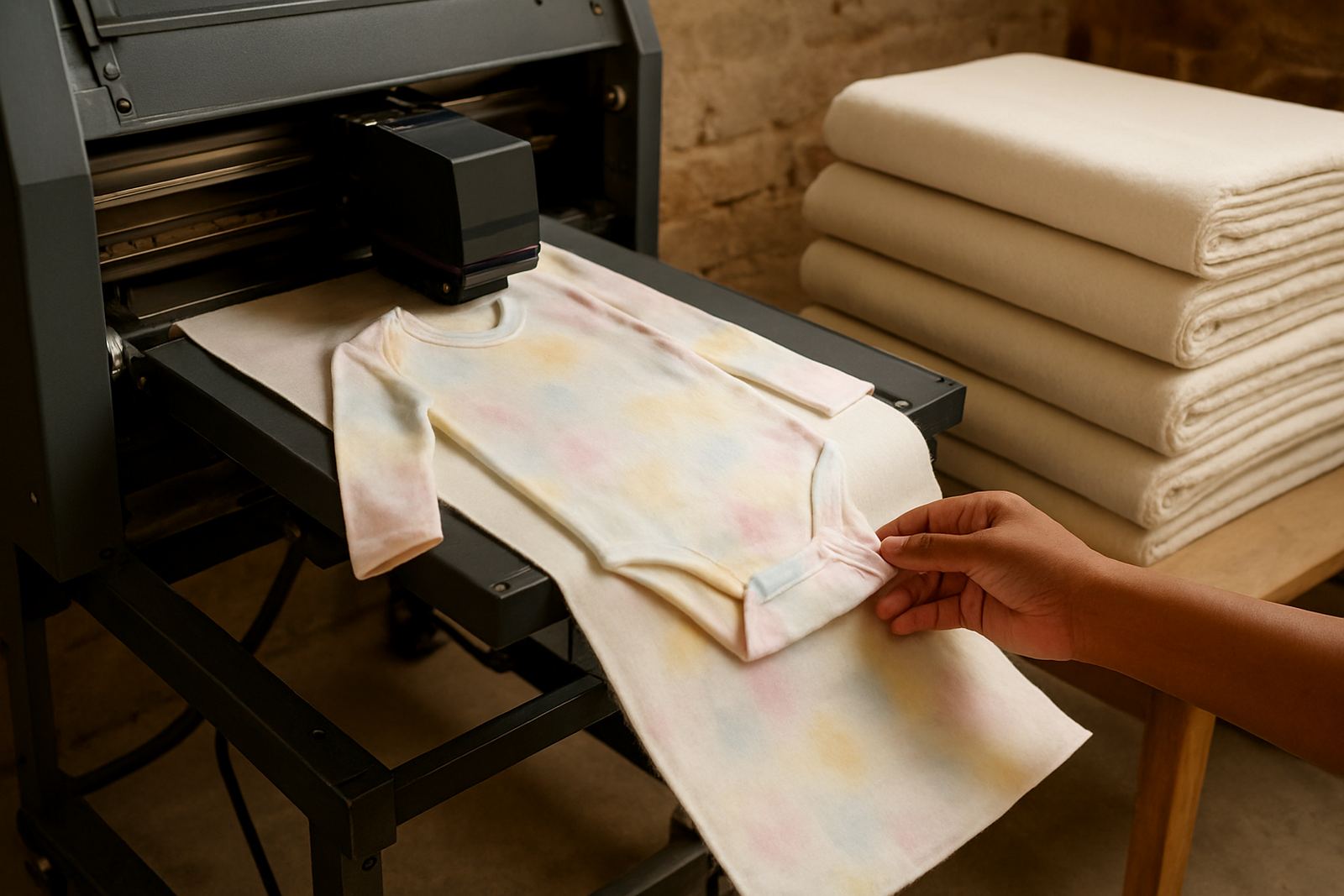
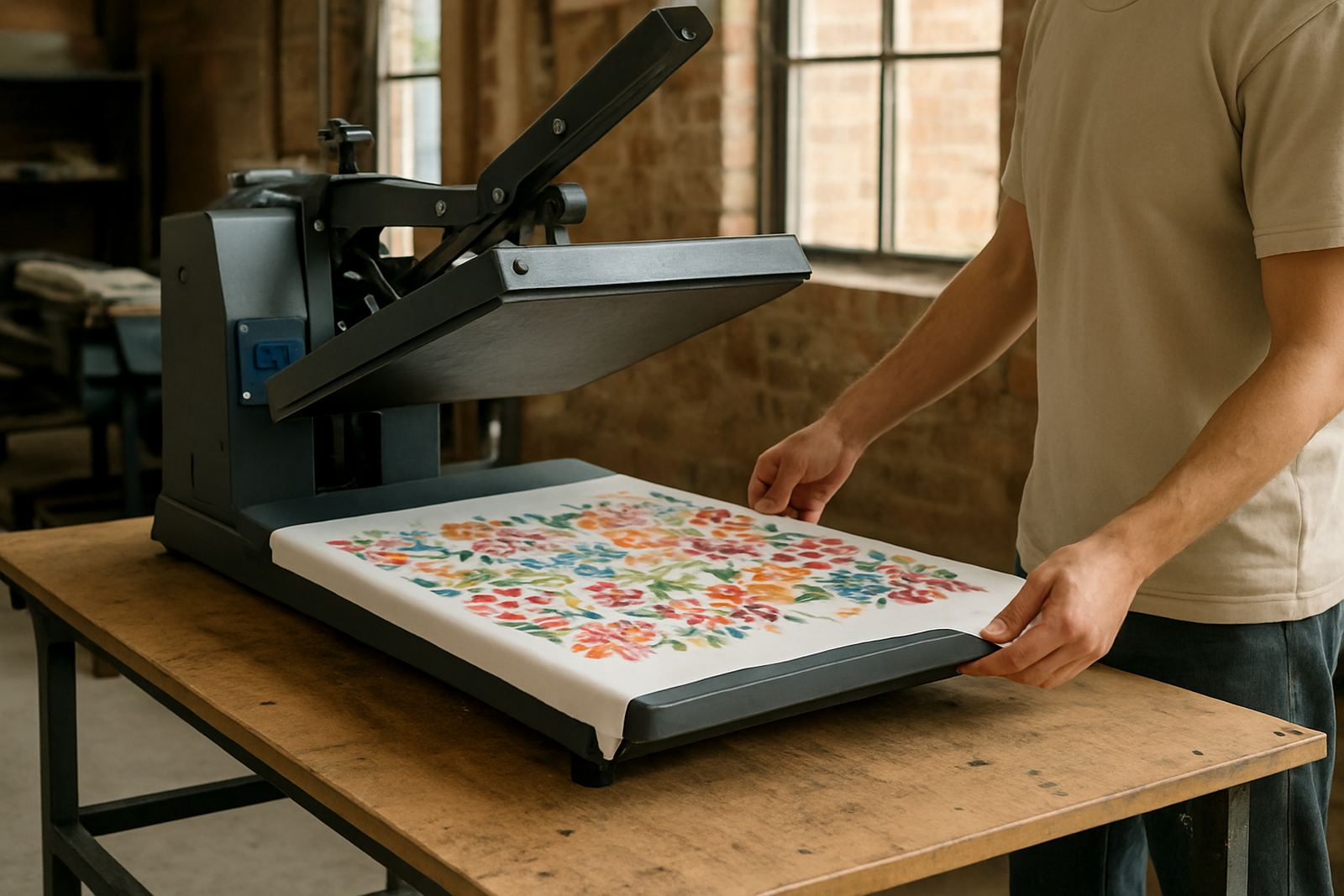
A large format press is a wider heat press built for bigger textile work than a standard flat press can handle. It is used for direct-to-film transfer, sublimation transfer, vinyl application and other heat application jobs where even pressure matters across a wider surface. For small garment and textile businesses in Germiston, Johannesburg, Pretoria and Durban, it helps reduce joins and speeds up repeat orders.
The wider platen gives you room for larger panels, table linen, cushion covers, scarves, flags and garment sections such as front panels or oversized back prints. If you are handling short production runs or custom work, this type of press keeps setup simple and the finish more consistent.
Sizes and options to compare before you order
Large format presses are usually chosen by platen size, pressure system and the type of base you need. Common working widths include 60 x 80 cm, 80 x 100 cm and 100 x 120 cm, with some workshops stepping up to 120 cm wide units for larger décor and textile panels. If your work is mainly clothing, a mid-size platen is often easier to run day to day. For décor pieces and bigger textile sheets, a wider bed saves time.
- Manual or pneumatic pressure systems depending on output and operator comfort
- Slide-out or pull-out lower platen for safer loading on larger pieces
- Digital temperature and timer control for repeatable settings
- Silicone or rubberised lower pad for even contact on textured fabrics
- Single-phase or three-phase power options depending on unit size
Ask for the actual usable press area, not just the frame size. A 100 x 120 cm unit may have a slightly smaller working surface once edge clearances are taken into account.
Where this press suits best in South African businesses
This product suits print rooms, small garment manufacturers, décor studios and custom branding shops that work on larger items or repeat batch jobs. It is a practical fit for township clothing labels, home textile makers, promotional product suppliers and embroidery shops adding heat-applied finishing. In coastal areas like Durban and Cape Town, the press should be stored where humidity is managed and the electrical supply is stable.
It also helps if your workflow includes sampling for boutiques, sports kits, event décor or retail wall hangings. When space is tight, measure the floor area carefully because a wider press needs loading room at the front and side. In busy workshops around Midrand, Boksburg and Wadeville, that little bit of extra clearance can make a big difference.
Installation, power supply and workshop setup
Installation needs a level floor, a clear working zone and an electrical supply that matches the machine rating. Smaller units often run on standard single-phase power, while larger models may need three-phase power and a dedicated circuit. If your site is subject to load-shedding or voltage dips, ask about surge protection and safe shutdown steps before the first run.
- Leave enough space for opening, loading and cooling between cycles
- Use a dedicated socket or circuit where the load is high
- Keep the press close to your cutting and finishing area to reduce handling
- Make sure operators can move panels without bending or twisting too much
- Check the floor can carry the weight of the press and any feed table
Our team can assist with machine installation, operator training and setup guidance for Johannesburg, Pretoria, Durban, Cape Town and Bloemfontein. Johan van der Merwe handles installation checks, while Ayesha Patel supports training so your team can start with the correct settings.
Care, servicing and production upkeep
Large presses need regular care if you want steady heat and pressure across the full surface. Wipe the platen and lower pad after use, keep adhesive residue under control and inspect the pressure mechanism for wear. If your business runs daily, a preventive servicing plan is worth considering, especially where production deadlines are tight and breakdowns cost real money.
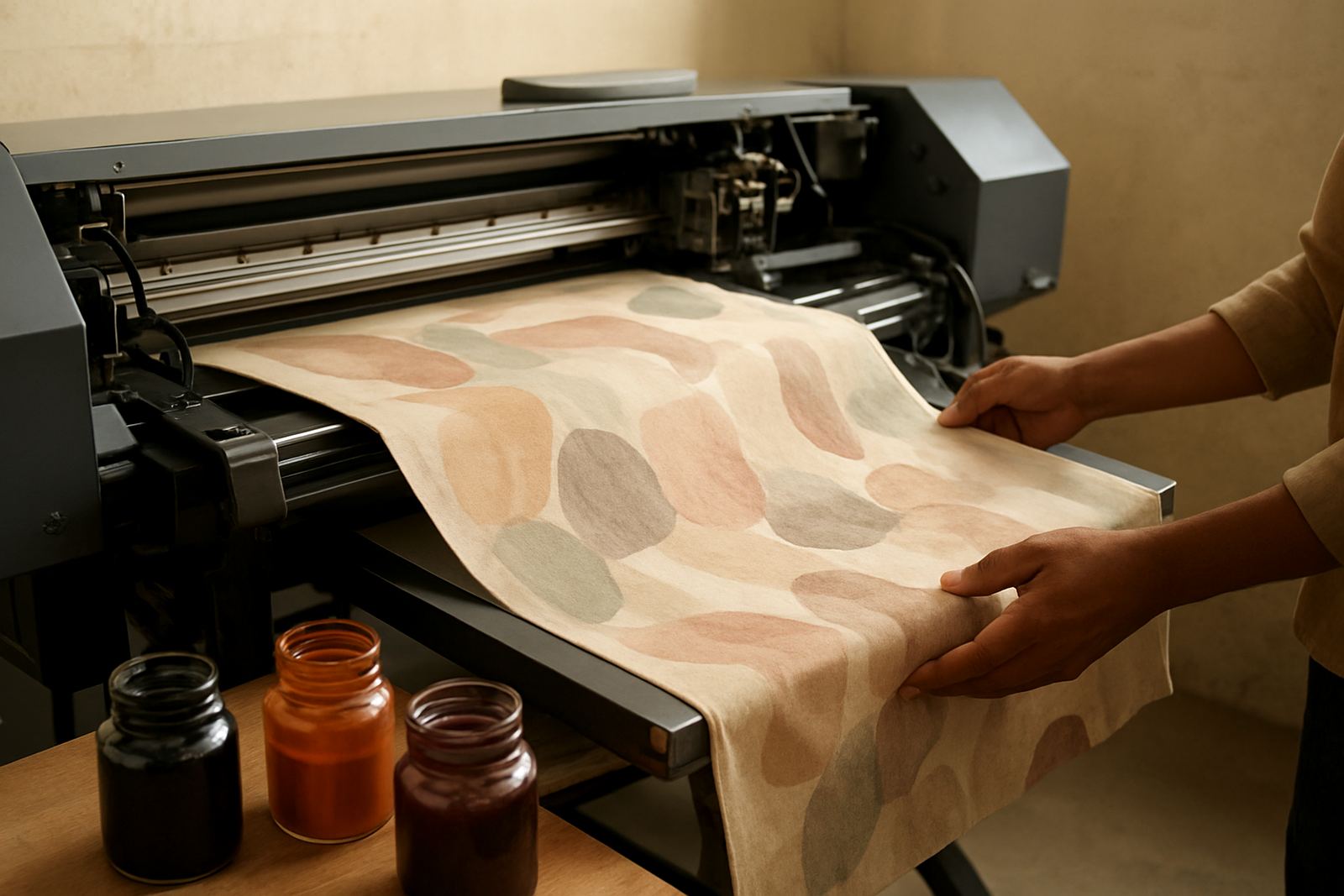
Thabo Nkosi handles service work, printhead cleaning support where needed on linked production lines, and breakdown repairs. Megan Naidoo can help with consumables, inks and media advice if your workflow includes direct-to-fabric or transfer systems alongside the press. We also assist with ink system flushing, maintenance contracts and relocation support when a workshop is moved or expanded.
What to check before you place an order
Before ordering, confirm the fabric type, the largest item you plan to press and the output you expect per day. Also check whether your work is mostly flat textile panels, finished garments or mixed products. That will guide platen size, pressure type and power requirements. If you are not sure, a quick production audit can save you from buying a press that is too small or too large for your actual jobs.
- Largest finished size you need to press in one pass
- Whether you need manual, semi-automatic or pneumatic pressure
- Available power at the site and whether it suits the unit
- Workshop space for loading, cooling and packing
- Type of fabric and transfer method you use most often
- Need for spare parts, servicing and operator training after delivery
For new users and growing shops, we recommend checking delivery access too. Some units are bulky and may need a forklift or pallet jack for safe placement, especially in upper-floor workshops or narrow entrances.
Key facts
| Product type | Wider flat heat press for textile panels, décor pieces and broad garment sections |
|---|---|
| Common sizes | 60 x 80 cm, 80 x 100 cm, 100 x 120 cm, larger options on request |
| Temperature range | Up to 220°C depending on model and application |
| Timer range | 0 to 999 seconds with digital control |
| Power options | Single-phase or three-phase depending on press size |
| Typical use | Transfer pressing, sublimation finishing, vinyl application and textile heat bonding |