Pigment printing for everyday textile production
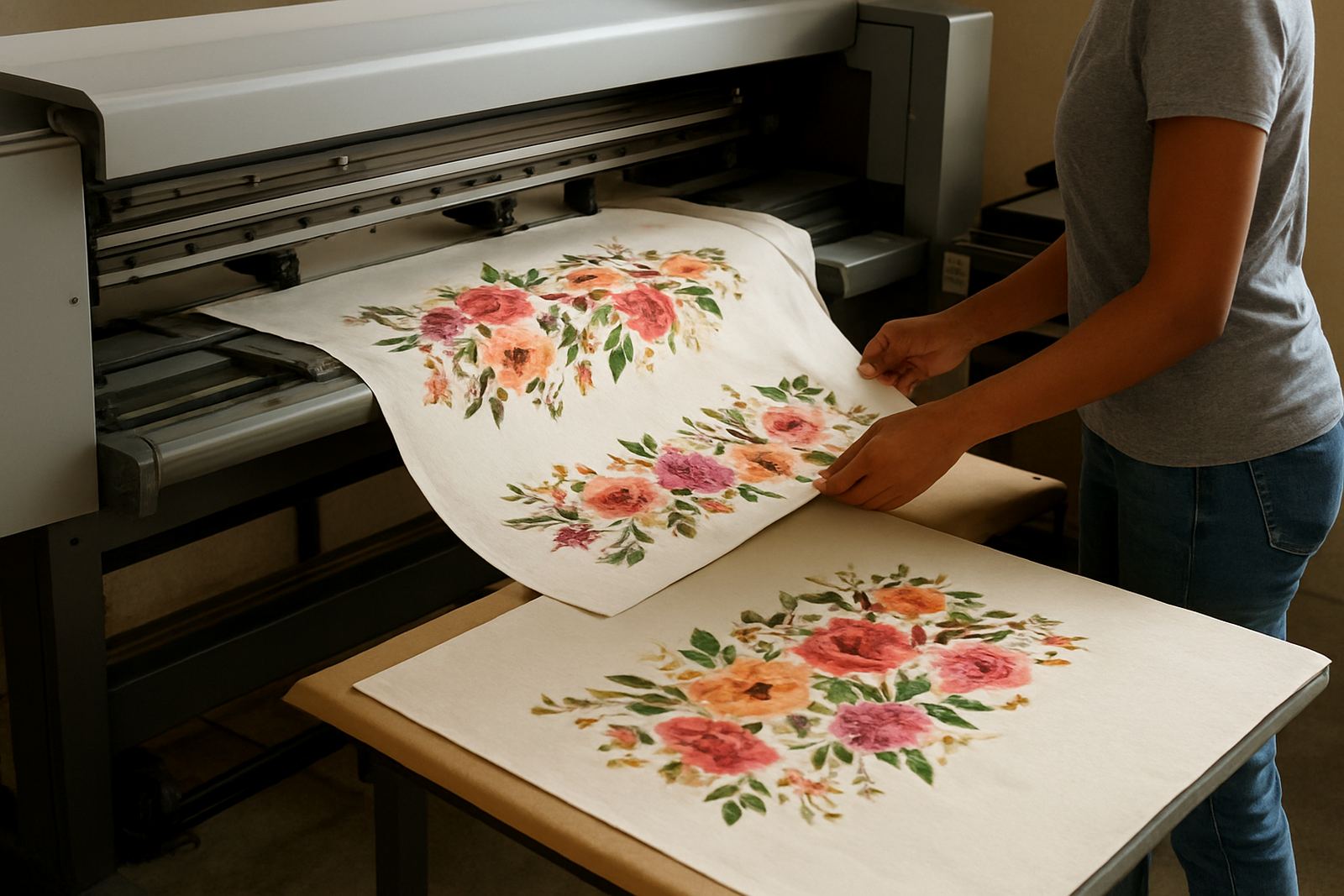
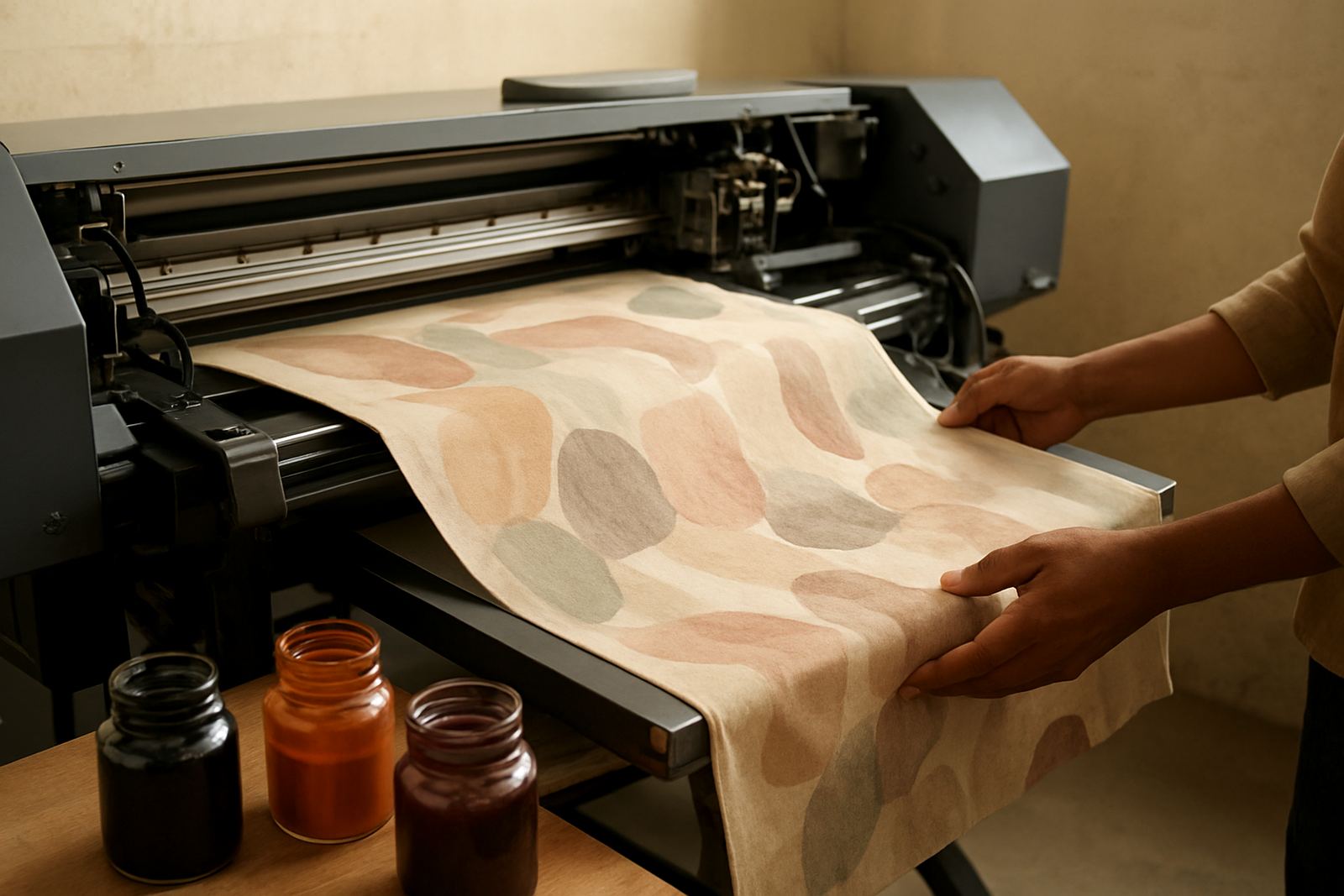
This pigment print printer is suited to businesses that want to produce direct-to-fabric work without setting up a full industrial dyehouse. It is commonly used for fashion samples, small fashion labels, home textile work, promotional fabric panels and soft signage on the right textile base. Pigment inks sit on the surface of the fabric and are fixed with heat, which makes the process simpler for small teams that need repeatable results and controlled running costs.
The printer works best on natural fibres and blended fabrics that have been prepared for pigment printing. For Johannesburg and Pretoria workshops, that means a clean indoor space with basic dust control and stable electricity. In coastal areas like Durban and Cape Town, it helps to keep inks sealed and materials stored away from damp conditions so the fabric feed stays consistent and the print finish remains even.
Sizes and configuration options to match your output
We supply pigment print printers in widths that suit smaller studios through to busier production rooms. The right choice depends on your print width, daily volume and whether you need to handle rolls for continuous work or shorter cut lengths. Most buyers choose between a compact entry setup for sampling and a wider production setup for greater throughput.
- Print widths available from 1.3 metres to 1.8 metres, depending on the model
- Roll-to-roll feed for fabric on rolls
- Single or dual printhead configurations on selected units
- Built-in take-up system for neat winding after printing
- Rip software support for colour management and layout control
If you are comparing options, check the width of your most common textile rolls, the space needed for media loading and the height available for ink circulation and maintenance access. A machine that looks compact on paper can still need extra clearance for front and back feed movement.
Where pigment print works best in South Africa
Pigment printing is a practical choice for businesses that make small-batch garments, artisan homeware, custom fabric by the metre and trial runs before bulk manufacture. It suits boutiques, sampling rooms, design studios and local manufacturers that need short lead times without sending jobs out. It is also useful where clients ask for quick colour changes or limited edition runs.
- Fashion labels producing cotton tops, scarves and light woven garments
- Homeware businesses printing cushion covers, table linen and soft decor fabric
- Sample rooms checking colours before larger production runs
- Custom print businesses serving schools, events and local retailers
- Designers needing repeatable short runs with consistent detail
For businesses in Germiston, Boksburg and Midrand, the printer fits neatly into light industrial units with standard workshop power. In Durban and other humid areas, ventilation matters because damp air can affect drying time and fabric handling. If your team runs during load-shedding, you should plan for power backup or schedule printing around stable supply times, since interruptions can affect ink laydown and finishing.
Installation, power and workshop requirements
We handle machine installation and set-up training so your team can start with the correct feed tension, height settings and colour profile from day one. Most installations are done on a level floor with enough room for roll loading, front output space and access to the service side. A clean, dry room is important, especially where textile dust and fabric lint build up quickly.
Power needs depend on the model and the curing method used after printing. As a guide, allow for a standard single-phase workshop supply on smaller units and confirm the exact amperage before delivery. A heat press or curing unit may need its own dedicated circuit. Gas is not normally part of the printer setup, but some workshops use a separate heat source for drying or pressing, so it is worth checking your full production line before ordering.
- Level floor with easy access for rolls and finished fabric
- Stable power supply with surge protection
- Dry, dust-controlled room with good ventilation
- Space for drying, heat setting and safe storage of inks and media
- Backup plan for load-shedding to avoid interrupted jobs
Care, servicing and keeping colour stable
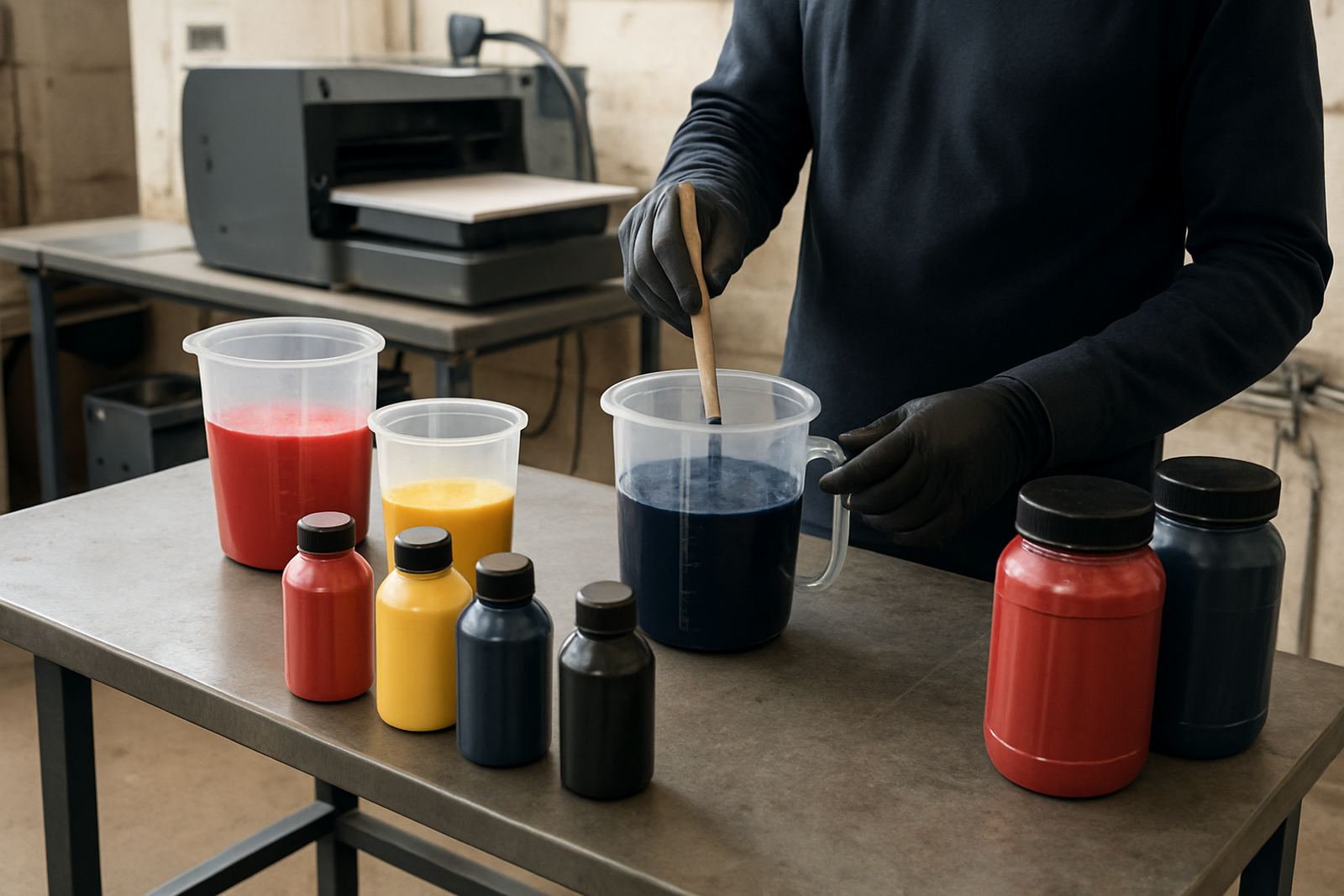
Pigment systems need regular care if you want steady output and less wasted ink. Printheads should be kept clean and checked for nozzle health, while the ink path needs flushing when a machine has been idle or if the pigment has been left standing too long. Monthly preventive servicing is a good habit for businesses that print most days, and it helps prevent clogs that can interrupt production.
We support preventive servicing, breakdown repairs, printhead cleaning and ink system flushing across Johannesburg, Pretoria, Durban, Cape Town and Bloemfontein support areas. Our service team can also help with remote troubleshooting when a workshop needs fast guidance. If your fabric feed starts slipping, or colours shift from job to job, it is usually better to stop and check the system rather than push through and waste material.
What to confirm before you place an order
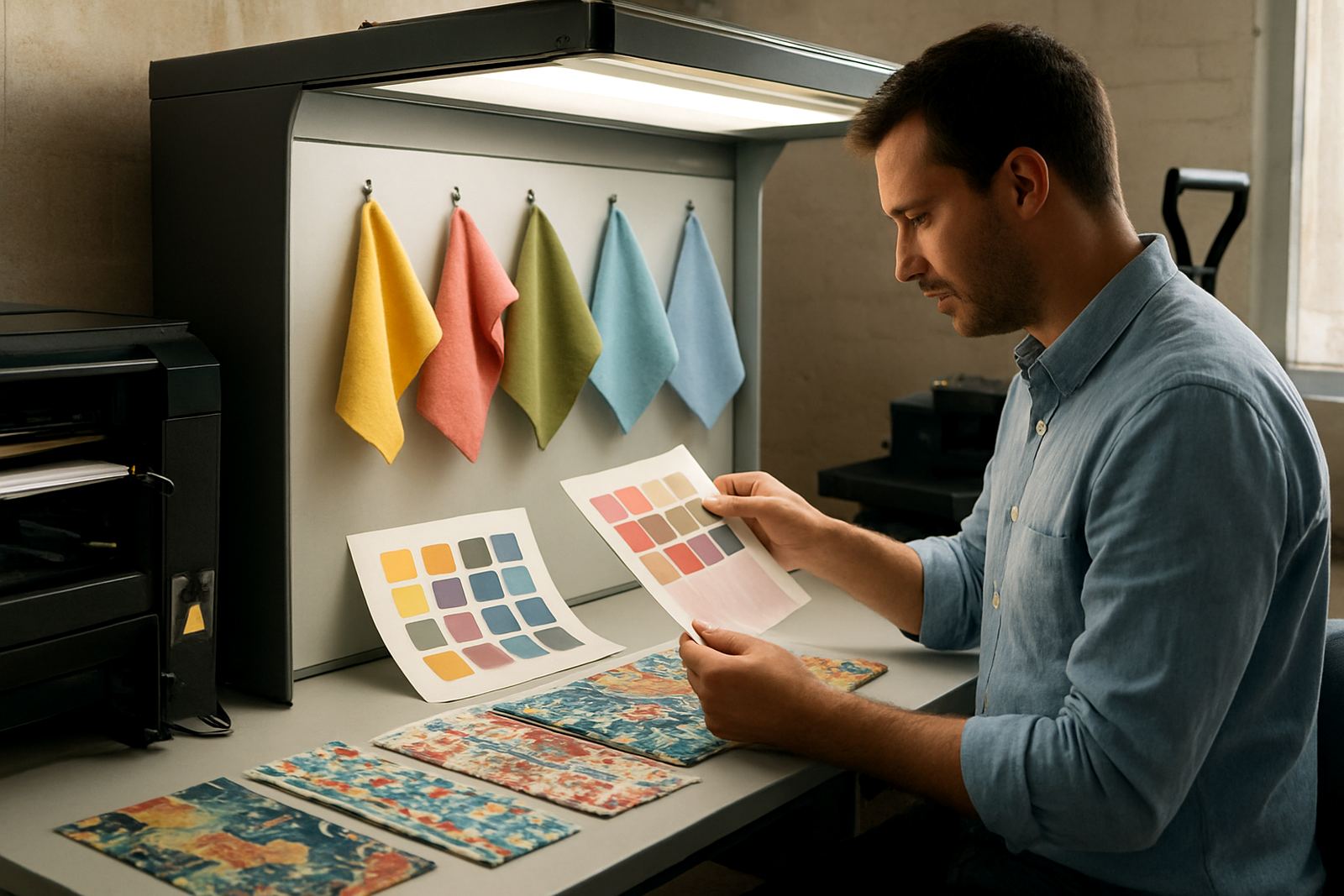
Before you order, it helps to have a clear view of the fabrics you print most often, the roll widths you buy and the amount of output you need each week. That makes it easier to choose the right printer, ink set and heat finishing method. You should also think about who will run the machine every day and whether they need extra training on colour matching and maintenance.
- Fabric types you will print on, including cotton, blends and pre-treated textiles
- Typical roll width and maximum print width needed
- Daily or weekly production volume
- Available workshop power and backup during load-shedding
- Space for loading, drying and finishing
- Whether you need colour profiling, maintenance contracts or operator training
Our team can talk through the full setup, from machine choice through to installation and production audits. Clients usually contact us through the enquiry form on our contact page, and we then help assess the job requirements, the fabric mix and the support needed after delivery.
Key facts
| Print method | Direct-to-fabric pigment inkjet |
|---|---|
| Suitable fabrics | Natural fibres and selected blended fabrics |
| Common widths | 1.3 m to 1.8 m options |
| Ink type | Pigment textile inks |
| Power | Model dependent, typically standard workshop supply |
| Support | Installation, training, servicing and remote troubleshooting |