What a fashion panel printer does for cut-and-sew work
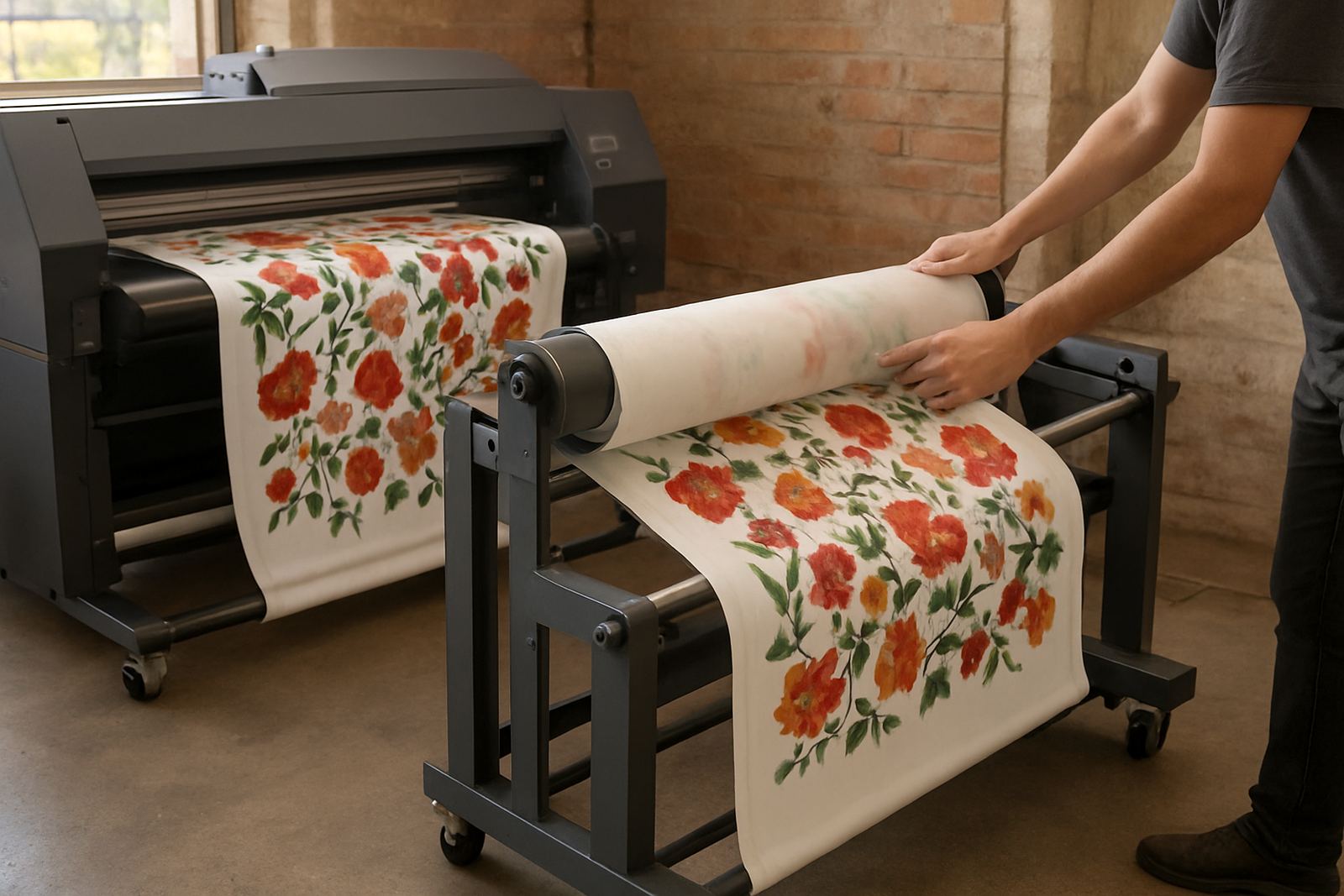
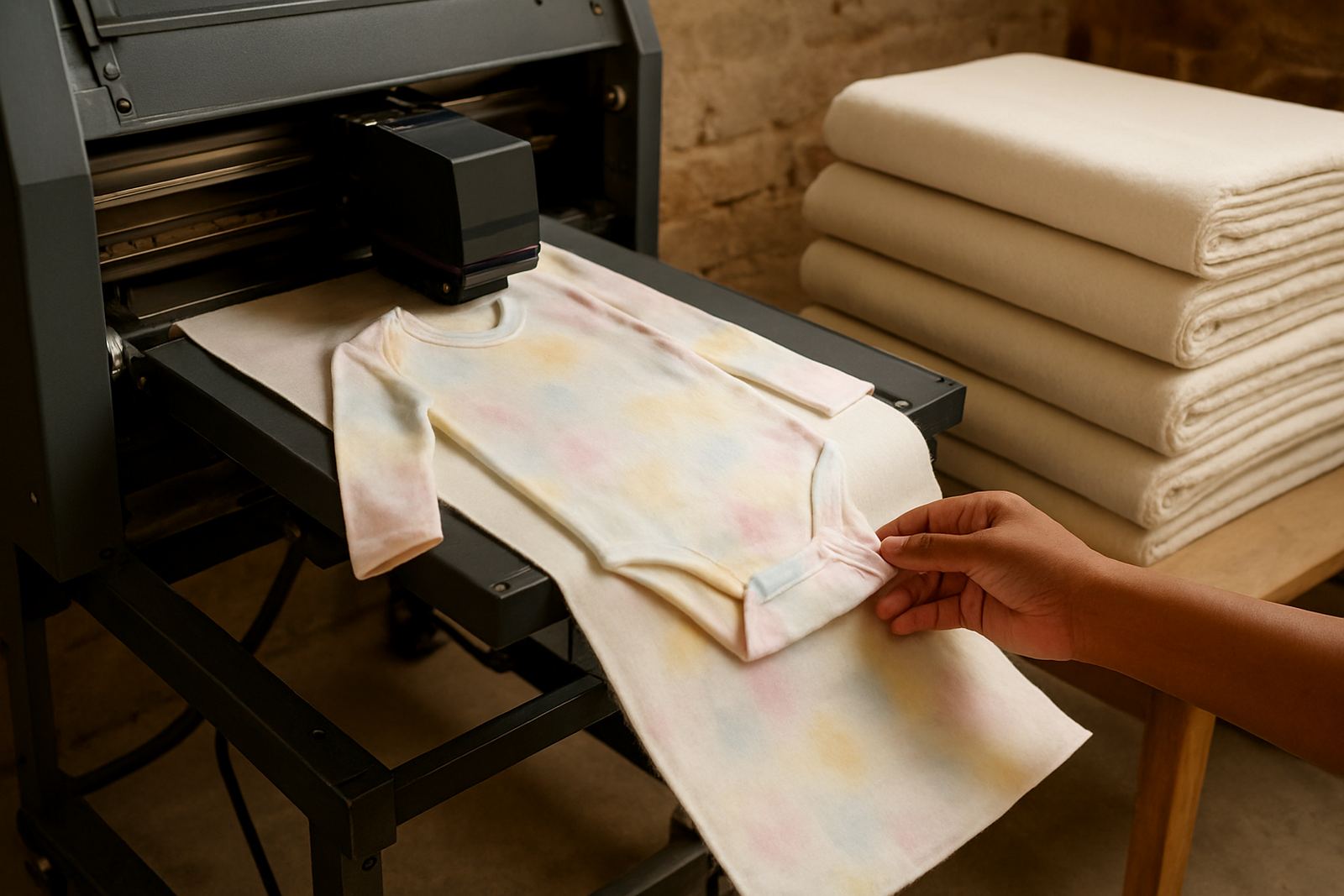
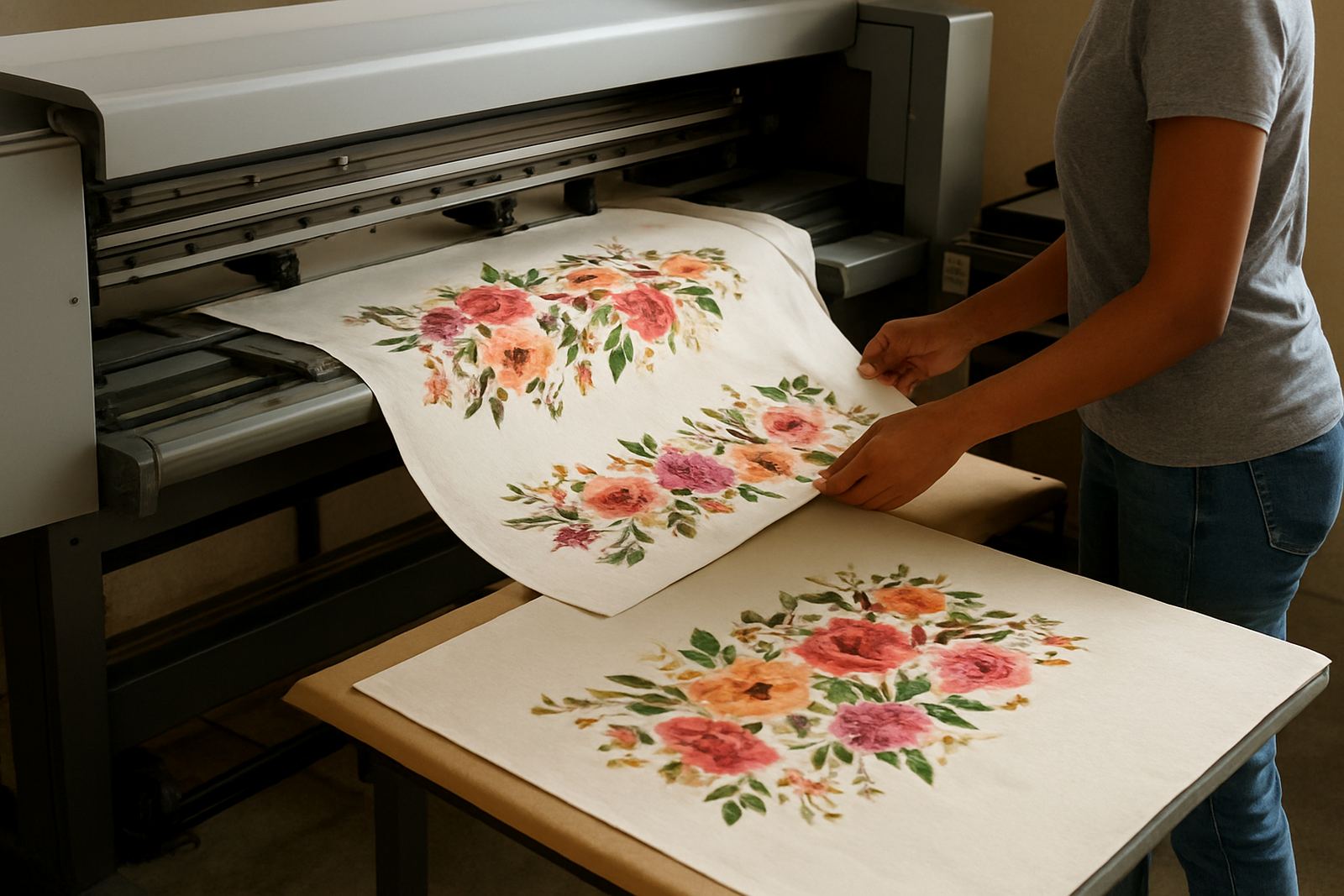
A fashion panel printer is made for printing artwork directly onto fabric panels before the garment is cut and stitched. That makes it a practical choice for labels, small fashion houses, uniform makers and studios that need clear placement prints on front panels, sleeves, yokes, pockets or full repeat panels. It is different from general fabric printing because the focus is on accurate placement and consistent panel sizes, so each piece lands where the patternmaker intended.
For South African businesses doing short runs, this matters. You can produce sample garments, limited edition drops and branded ranges without waiting on large minimums. It also helps when you need quick changes for clients in Johannesburg, Pretoria, Durban, Cape Town or Bloemfontein. With direct-to-fabric inkjet printing, the artwork goes onto prepared fabric with controlled ink laydown, so the print stays sharp and the colours hold up well in normal garment use.
Panel sizes, print widths and fabric options
The right setup depends on the panel size you plan to print and the fabric types you use most. Fashion panel printers are usually chosen by print width, print length and whether you need a roll-fed system or flat handling for cut pieces. Small businesses often start with a compact unit for sample work, while larger label rooms may want a wider machine to cover jacket backs, dress fronts or multi-piece layout panels in one pass.
Common working options include:
- Print widths from around 600 mm up to 1 600 mm, depending on the machine size
- Artwork lengths suited to repeat panels, metreage and mixed-size garment parts
- Compatibility with pre-treated cotton, cotton-rich blends, viscose blends and selected polyester fabrics
- Choice of manual or assisted feeding for lighter studio use or steadier production
- Output suitable for small runs, sample approvals and boutique collections
If your work includes more detailed placement graphics, check that the printer has fine droplet control and a print mode that handles lettering, edges and small motifs cleanly. That is especially important for fashion labels where the finish is inspected closely by the client or retailer.
Where this printer fits best in a local workshop
This machine suits businesses that need controlled, repeatable panel printing rather than open-ended textile production. It is a good fit for dressmakers, streetwear brands, uniform makers, schoolwear suppliers and boutique labels producing limited garments. It also works well for studios that want to print on demand, because you can keep stock low and print only what is needed.
In Gauteng, many workshops use this type of printer in spaces where floor space is tight and power interruptions can interrupt production. In coastal areas like Durban and Cape Town, humidity and fabric storage need a bit more attention, so a stable room and proper media handling matter. If your garments are going out to clients in the retail or hospitality sectors, consistent panel print quality helps reduce rejects and rework.
- Placement prints for dresses, shirts, jackets and uniforms
- Sample development for new collections
- Short production runs for local retail orders
- Branding for special events, launches and promotional garments
Installation, power and workshop conditions
Before installation, check that your room has enough space for loading, drying and finishing. You will need a level floor, good ventilation and a clean area with limited dust. For most small garment workshops, a dedicated room or partitioned section works better than printing beside cutting tables or overlock stations. If your building experiences load-shedding, factor in backup power for the printer, drying equipment and any computer or RIP workstation used to prepare files.
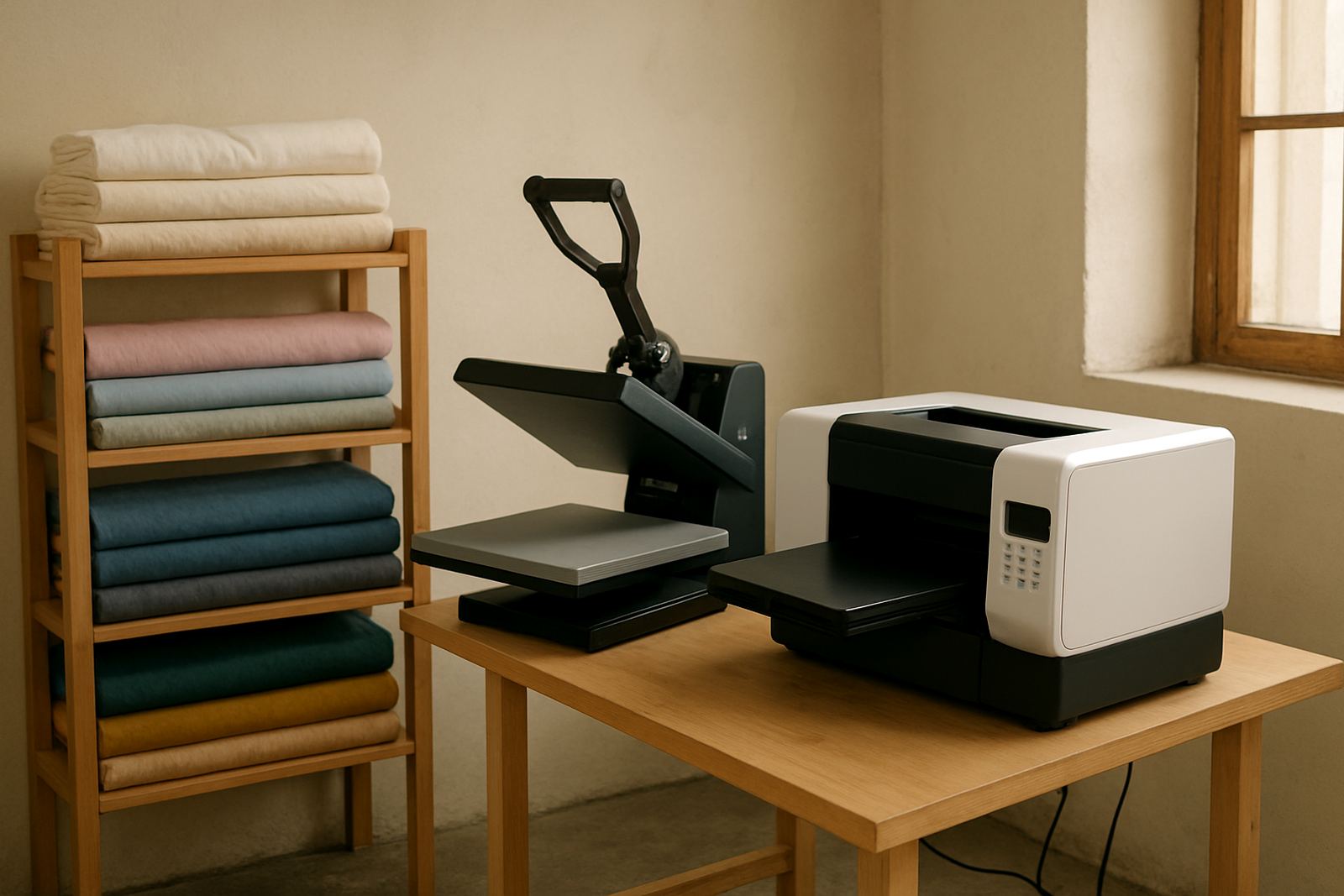
Power requirements depend on the exact machine and the heat press or drying equipment paired with it. As a guide, many workshops prepare for standard single phase supply, with some larger setups needing a stronger circuit or dedicated outlets. It is wise to confirm the supply, plug type and breaker size before delivery. If you are planning to run a heat press alongside the printer, that load needs separate consideration because a press can draw more power than people expect, especially during long production shifts.
- Clear space for loading fabric, curing and stacking finished panels
- Stable power supply with backup options for outages
- Dry, dust-controlled room for better print consistency
- Ventilation for inks, cleaning work and heat press use
Care, servicing and keeping colour stable
A fashion panel printer should be looked after regularly if you want steady output and fewer stoppages. Daily checks usually include nozzles, ink levels and head condition, while weekly care may include basic cleaning and inspection of feed paths. If the machine is left idle for too long, ink can settle and blockages may form, so even small production rooms should run maintenance on a schedule.
Our support team assists with preventive servicing, printhead cleaning, ink system flushing, remote troubleshooting and breakdown repairs. That kind of support helps when a workshop is trying to hit a launch date or recover after a fault. In humid areas, stored fabric and ink need to be handled carefully because moisture can affect drying time and print consistency. In colder inland months, keep the room at a steady temperature where possible and avoid storing media directly on the floor. A little routine care goes a long way and it saves a lot of wastage.
What to confirm before you order
Before placing an order, it helps to work through the details of your production plan. The right machine is not only about price, it is about whether it matches your garment range, your workshop size and the way your team works. If you print placement graphics every day, you may need faster throughput and a better drying plan. If you only print a few panels a week, a smaller setup may be enough and easier to manage.
Check these points before you commit:
- Expected panel sizes and maximum print width needed
- Fabric types you use most often
- Daily and weekly print volume
- Available power supply and backup power during load-shedding
- Room size, ventilation and storage conditions
- Training needs for operators and finishing staff
It also helps to confirm whether you need colour profiling, installation support or ongoing maintenance. If your team is new to direct-to-fabric printing, proper set-up training can prevent a lot of trial and error. Small workshop choices matter here, because the way the machine is installed and used will affect your results from the first week onwards.
Support for South African garment businesses
Fabric Printer works with small garment and textile businesses across South Africa from Wadeville, Germiston. Clients in Johannesburg, Pretoria, Durban, Cape Town, Bloemfontein and nearby service areas can enquire for machine installation, operator training, colour profiling, maintenance contracts, spare parts supply and relocation support. That support matters when a business is growing, moving premises or expanding from sampling into regular production.
For fashion panel printing, practical guidance is often just as important as the machine itself. We help with production audits, remote troubleshooting and servicing so your workshop can keep moving. If you are planning a new line of cut-and-sew garments or upgrading from manual methods, the right panel printer can make daily production easier to manage and more predictable.
Key facts
| Print type | Direct-to-fabric inkjet for placement panels and garment parts |
|---|---|
| Typical print widths | Approx. 600 mm to 1 600 mm depending on machine size |
| Suitable fabrics | Pre-treated cotton, cotton-rich blends, viscose blends and selected polyester fabrics |
| Workflow | Short runs, sample sets, cut-and-sew panels and boutique production |
| Power needs | Usually standard workshop supply with backup recommended for load-shedding |
| Support services | Installation, training, colour profiling, servicing and repairs |