What the Entry Fabric Printer is built to do
The Entry Fabric Printer is aimed at small garment and textile businesses that need to print directly onto fabric with good colour, clean detail and manageable running costs. It suits start-ups that are producing short runs, test pieces and customer samples, as well as boutique studios that want more control over turnaround times.
It is a practical option for businesses working from Wadeville, Germiston, Johannesburg or out in Pretoria, Durban, Cape Town and Bloemfontein where space, power use and operator skill all matter. The printer is best used where repeatable results are needed on a daily basis, not just occasional hobby work.
Sizes and options to consider before you buy
Entry-level direct-to-fabric setups are usually supplied in one working width, with the choice of a stand, take-up system or drying support depending on the fabric and output rate. For small studios, the main decision is often whether you want a compact printer for sample work or a slightly broader setup for production pieces and matched panels.
- Compact footprint for smaller production rooms
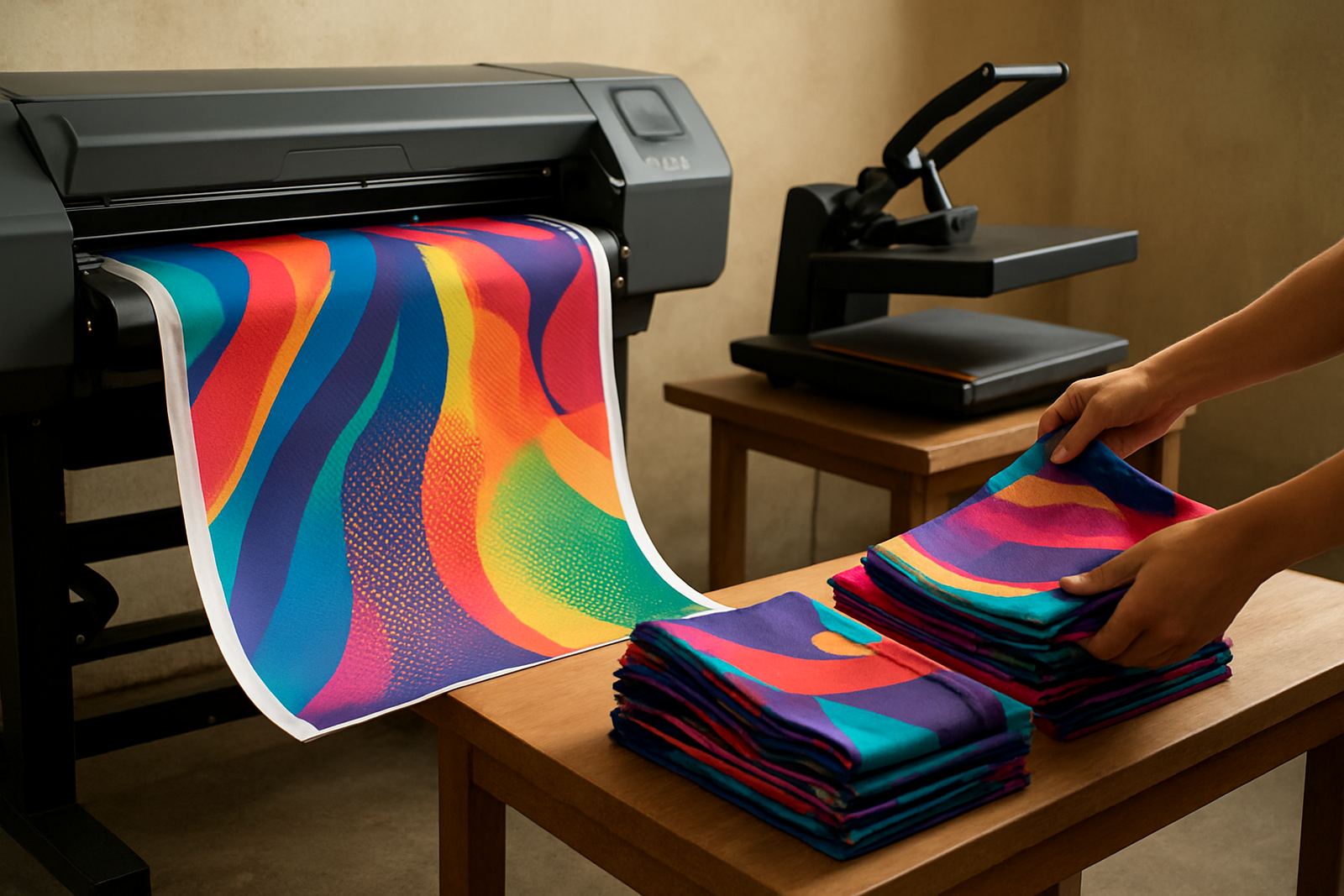
- Direct-to-fabric inkjet printing for apparel and textile samples
- Optional workflow add-ons for curing, drying and handling printed fabric
- Suitable for cotton-rich fabrics and selected prepared textiles
If your studio handles mixed orders, check the fabric types you print most often and the average run length. That makes it easier to choose a machine that fits your output instead of forcing your workflow around the printer.
Where this printer fits best
This machine is a strong fit for start-up apparel brands, sampling rooms, small screen-printing businesses adding fabric print capability and homegrown textile studios moving into paid orders. It also works well for boutique labels that need colour-accurate samples before committing to larger runs.
It is not intended for high-volume factory work. For businesses producing custom repeats, swatch books, one-off garments or design proofing, the Entry Fabric Printer gives enough control without taking over the whole floor. If your client base includes fashion schools, makers markets or local boutiques, it can help you keep lead times short.
- Start-up clothing labels
- Sample and prototype rooms
- Small contract textile producers
- Boutique studios and custom-order businesses
Installation, power and workspace needs
Installation should be handled by a technician so the machine is levelled, connected and tested on the fabric and inks you plan to use. A clean, dust-controlled room is important, and in coastal areas like Durban or Cape Town you will also want to manage humidity so the ink system and fabric handling stay consistent.
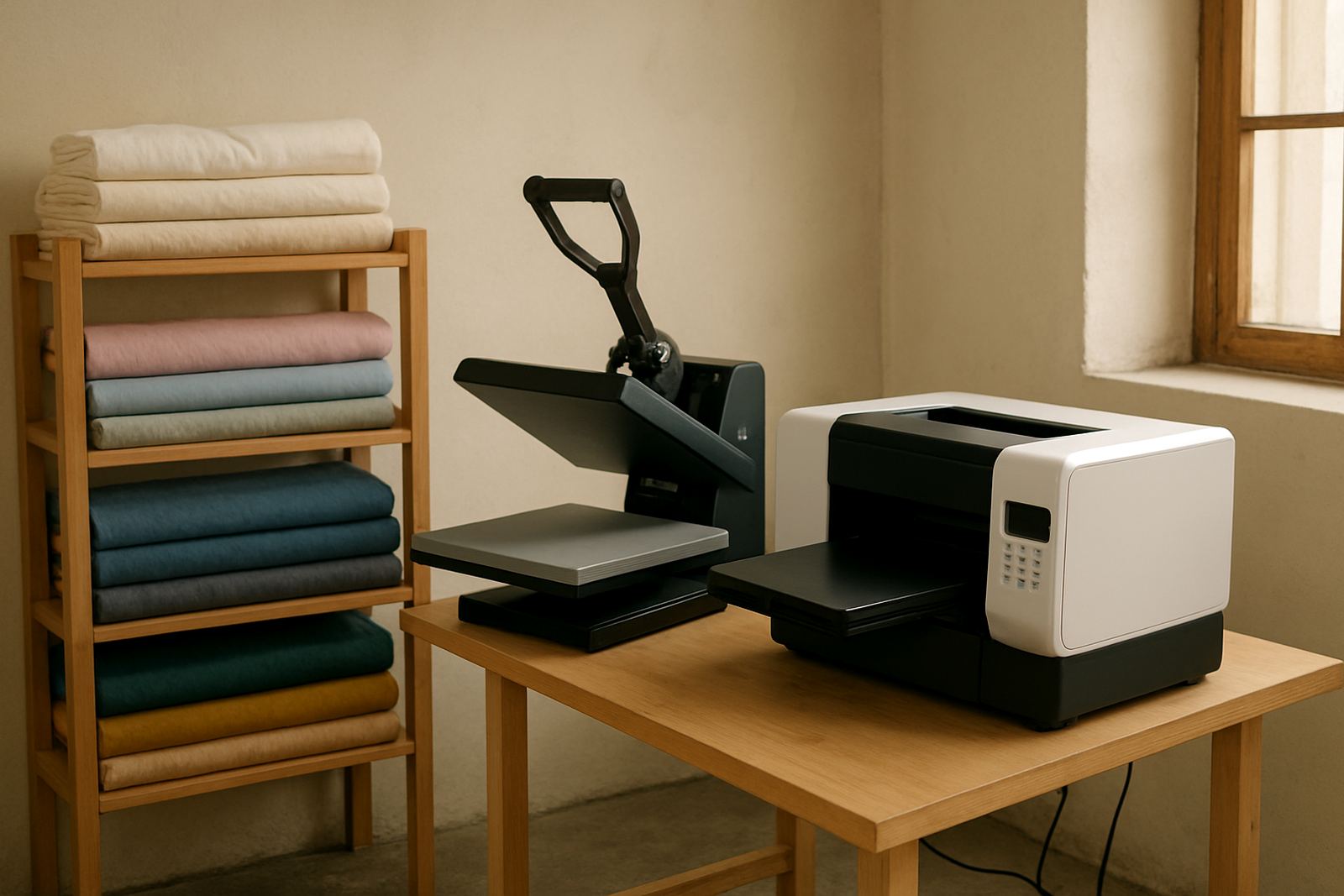
Power needs vary by configuration but the printer should be placed on a stable supply with surge protection and backup planning for load-shedding. In many workshops a dedicated circuit is advisable. If your setup includes heat pressing or drying equipment, allow enough space for airflow, safe movement and operator access. Some sites also need municipal checks for extraction, noise or fire-safety requirements depending on the building and how the room is used.
- Stable, level floor space with easy loading access
- Surge protection and backup power planning
- Good ventilation and dust control
- Room for fabric handling, curing and packing
Care, servicing and day-to-day upkeep
Like any direct-to-fabric printer, this machine performs best when heads, ink lines and media paths are kept clean. Daily checks, proper shutdowns and regular printhead cleaning help prevent blockage and uneven output. If the printer sits idle for too long, especially in a dusty workshop, maintenance becomes more important.
We recommend preventive servicing, periodic ink system flushing and colour profiling when you change fabric types or ink batches. If the machine is moved between premises in Germiston, Midrand or further afield, relocation support can help protect alignment and reduce downtime. A maintenance contract can also make sense for businesses that depend on weekly production and cannot afford surprise stoppages.
What to check before placing an order
Before you order, make sure the printer matches your fabric mix, expected run length and available workshop space. It is also worth checking what training is included and how support is handled after installation, because a new operator usually needs guidance on fabric prep, colour control and cleaning routines.
- Fabric types you print most often
- Expected sample volume or short-run output
- Available power and backup power plan
- Space for installation, drying and finishing
- Training needs for the operator and helper staff
- Ongoing access to inks, spare parts and servicing
If you need to compare options, ask for the practical differences in output speed, print width and day-to-day upkeep. The best choice is the one that fits your workload and not just your wish list. A small machine can be the right starting point if your business is still building orders and proving demand.
Key facts
| Print type | Direct-to-fabric inkjet |
|---|---|
| Best use | Short runs, samples and custom pieces |
| Suitable business size | Start-up and small apparel studios |
| Support available | Installation, training, servicing and remote troubleshooting |
| Service areas | Germiston, Johannesburg, Pretoria, Durban, Cape Town and Bloemfontein |
| Core extras | Inks, heat presses, spare parts and maintenance contracts |