What an Ink Mixing Station Does in a Print Room
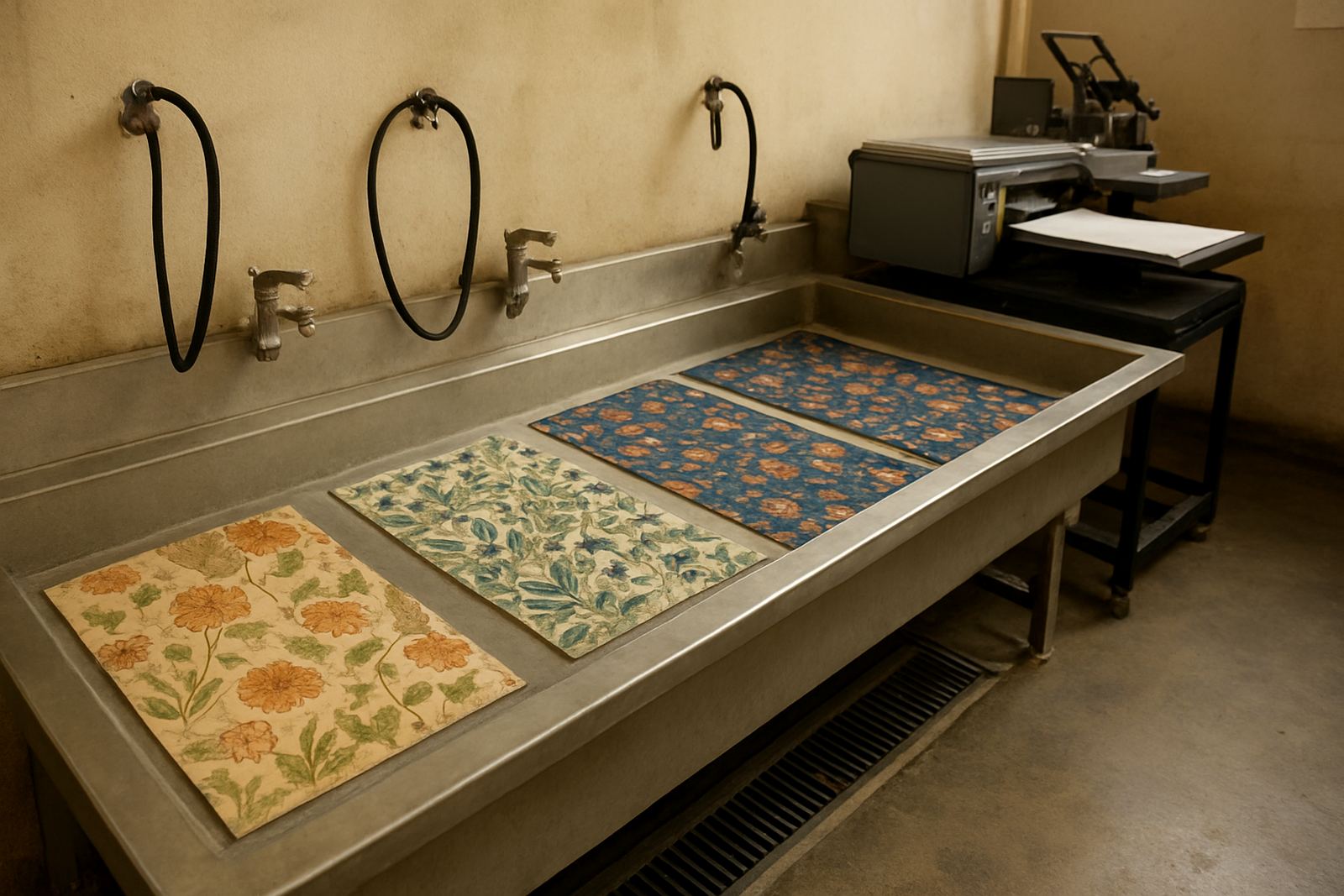
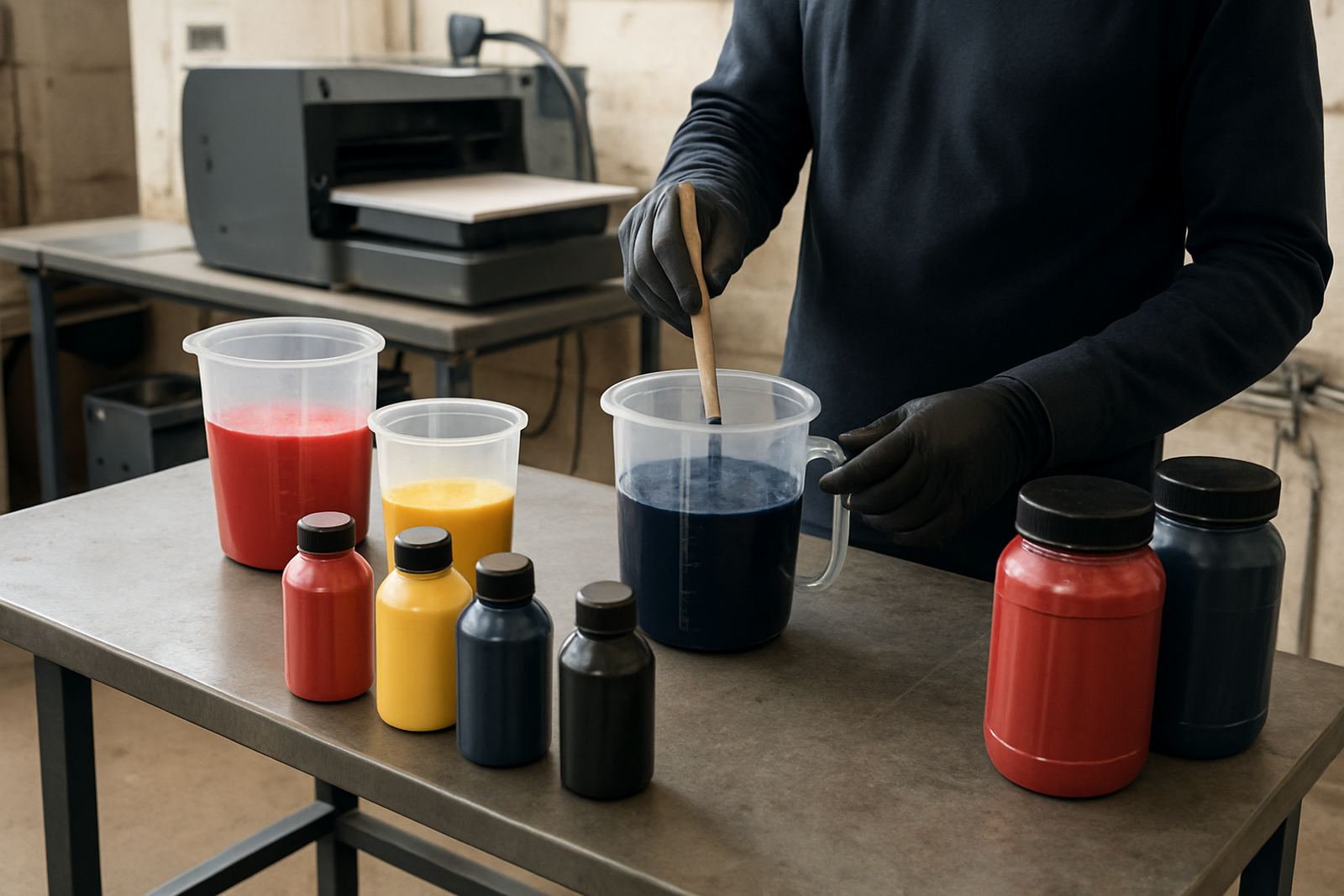
An ink mixing station is a controlled work area built for handling textile inks safely and neatly. It gives you a dedicated surface, storage for containers and tools, and enough space to measure colours accurately before they go to the printer or press. For shops doing custom T-shirts, fashion runs, schoolwear or promo work, this matters because even small measuring errors can change the final shade.
In a busy South African print room, a proper mixing point also helps with cleaner housekeeping. Ink stays together, labels stay visible, and staff do not have to mix next to finished garments or packed stock. That is useful where floors are tight, where humidity is high in coastal towns, and where load-shedding can interrupt a half done batch if the area is not organised properly.
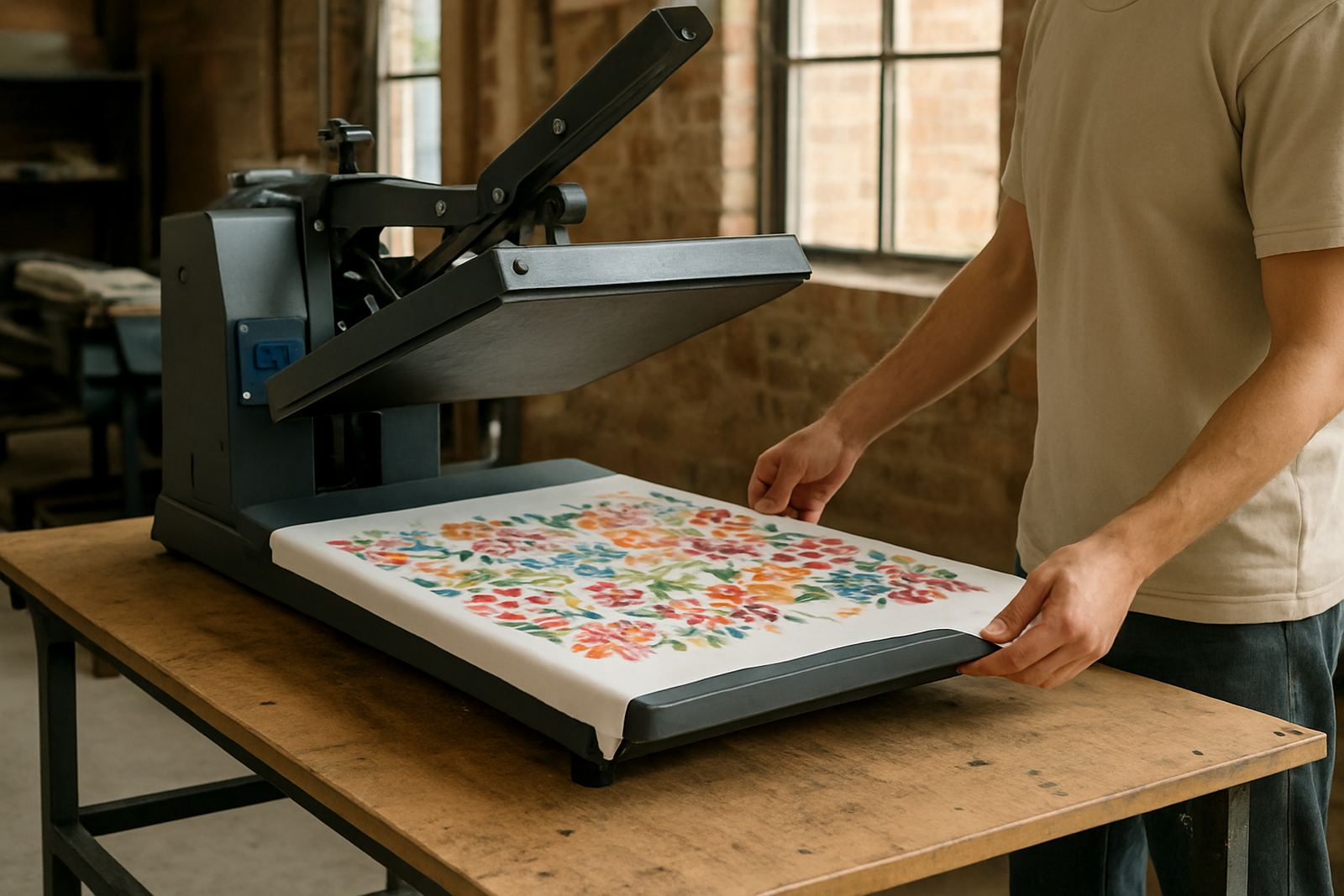
These stations are commonly used with direct-to-fabric and textile printing workflows, but they also suit smaller dye and sampling setups. The main aim is simple: safer handling, better repeatability and less wastage from spills or wrong ratios.
Sizes, Layouts and Storage Options
Ink mixing stations are usually supplied in compact, medium or extended layouts depending on how much production you run each day. A small station works well for a start-up that mixes limited quantities, while a larger unit suits a shop handling multiple orders, repeat colour matching and several ink lines at once.
As a guide, many businesses look for a footprint from about 1.2 metres by 0.6 metres for a compact station, up to 2.4 metres or more for a full mixing bench with shelving and container storage. Depth matters too, because you need enough room for scales, jugs, stirrers, wipes and labelled bottles without crowding the worktop.
Options normally include splash resistant surfaces, lockable or covered storage, adjustable shelving and holders for measuring tools. If your team works in a shared workshop in Germiston, Midrand or Boksburg, a compact setup can keep the mixing area separate from cutting and packing. If you are running larger volumes in Johannesburg or Pretoria, a wider bench with more storage is often the better choice.
- Compact, medium and extended bench sizes available
- Space for scales, measuring jugs and ink containers
- Storage for colour books, stirrers and cleaning cloths
- Optional covered or lockable compartments for order control
Where It Suits Best in South African Workflows
This station suits small garment makers, print studios, fashion labels, schoolwear suppliers and custom apparel businesses that need colour control but do not yet have a full industrial ink room. It is especially useful where one person mixes ink, another prints, and a third handles finishing, because each step stays more orderly.
It is also a practical fit for businesses dealing with seasonal rushes, for example matric farewell season, sports tours and corporate orders. When you are under pressure, a proper mixing bench cuts down on mistakes and saves time on rework. That can make the difference between finishing a job on schedule or missing a delivery window.
For Cape Town and Durban clients, where humidity can affect storage and handling, keeping inks in one controlled place helps protect consistency. For inland operations in Johannesburg and Bloemfontein, the benefit is often speed and better stock control. If you work from a back room, home workshop or light industrial unit, the station gives you a cleaner system without needing a full factory layout.
- Suitable for garment decorators and textile printers
- Helps with repeat orders and colour matching
- Useful for shared workshops and small production spaces
- Supports safer handling of inks and additives
Installation, Power and Workplace Requirements
An ink mixing station is normally straightforward to install, but the room should be checked before delivery. You need a level floor, good lighting, enough aisle space to move containers safely, and a stable work surface that does not wobble when you are weighing or pouring. If the unit includes lighting or any powered accessories, make sure the supply is suitable and properly positioned.
Most stations do not require gas. Power needs depend on the accessories fitted, such as task lighting or extraction support. If you are operating near other powered equipment, plan for safe cable routing and backup power where necessary, especially in areas affected by load-shedding. A small inverter or UPS may help with lights and weighing equipment, but the station itself should still function as a manual mixing area if power drops out.
We normally recommend placing the station away from direct sun, open windows with dust, and busy walking routes. In factories with municipal or sectional title rules, keep the area tidy and labelled so that waste cloths, empty containers and rinse water are managed correctly.
Care, Cleaning and Servicing Needs
Good care starts with daily cleaning. Wipe the worktop after every mixing session, close containers properly, and do not leave uncapped inks exposed overnight. If pigments or textile additives are allowed to dry on the surface, they can affect accuracy and make the station harder to keep clean. A simple routine of wiping, checking labels and clearing the bench goes a long way.
Regular servicing is not usually complicated, but the station should be inspected for wear on shelves, hinges, holders and measuring points. If you use electronic scales or any fitted lighting, those parts should be checked as well. In humid coastal conditions, it is worth watching for corrosion on exposed metal fittings and keeping cleaning materials dry.
For shops that mix daily, it helps to schedule a monthly housekeeping check and a quarterly production audit of how ink is stored and measured. That way, you can spot waste, expired stock or process drift before it starts costing money. Small changes matter here, because a messy mixing point often leads to more off-colour prints and slower turnaround.
What to Check Before You Order
Before ordering, measure the available space and confirm the route from the entrance to the final position. A station that fits on paper may still be difficult to move through a narrow passage or around a mezzanine stair. Check door widths, turning space and whether the floor can carry the full load once the station is packed with inks and tools.
You should also decide how many ink types you will store, how often you mix, and whether you need extra shelves or covered compartments. If you are building a colour managed workflow, ask about space for scales, sample charts and reference bottles. It is also wise to list any special requirements for relocation support, future maintenance or spare parts.
- Measure the floor space and access route before delivery
- Confirm whether you need shelving, drawers or covered storage
- Check if power is required for lighting or accessories
- Decide how many ink containers and tools must be stored on site
- Ask for setup training if staff are new to ink handling
If you want a station that suits a small production room in Wadeville, a growing studio in Pretoria or a busy garment workshop in Durban, we can help you match the layout to the way your team works. The right setup should make colour prep simpler, not more complicated.
Supplied for Small Print Shops and Textile Teams
Fabric Printer supplies ink mixing stations with the needs of South African textile businesses in mind. That means practical dimensions, sensible storage, and support that fits real production conditions rather than showroom use. We work with small garment firms and growing print shops that need reliable advice on installation, day to day handling and ongoing care.
Our team can assist with machine installation, operator training, colour profiling, preventive servicing, breakdown repairs, remote troubleshooting, production audits and maintenance contracts. If you are setting up in Germiston, Johannesburg, Pretoria, Durban, Cape Town, Bloemfontein or nearby service areas such as Boksburg and Midrand, we can guide you on the right specification before you place an order.
Key facts
| Product type | Controlled ink preparation and mixing station |
|---|---|
| Typical footprint | From approx. 1.2 m x 0.6 m compact to 2.4 m plus extended layouts |
| Construction | Worktop with storage, shelves and handling space for textile inks |
| Power requirement | Usually none, optional lighting or accessories may need mains power |
| Best use | Measuring, blending and organising textile inks for small to medium print rooms |
| Maintenance | Daily wipe-down, monthly inspection and regular housekeeping checks |