What a calendar press does in a working print room
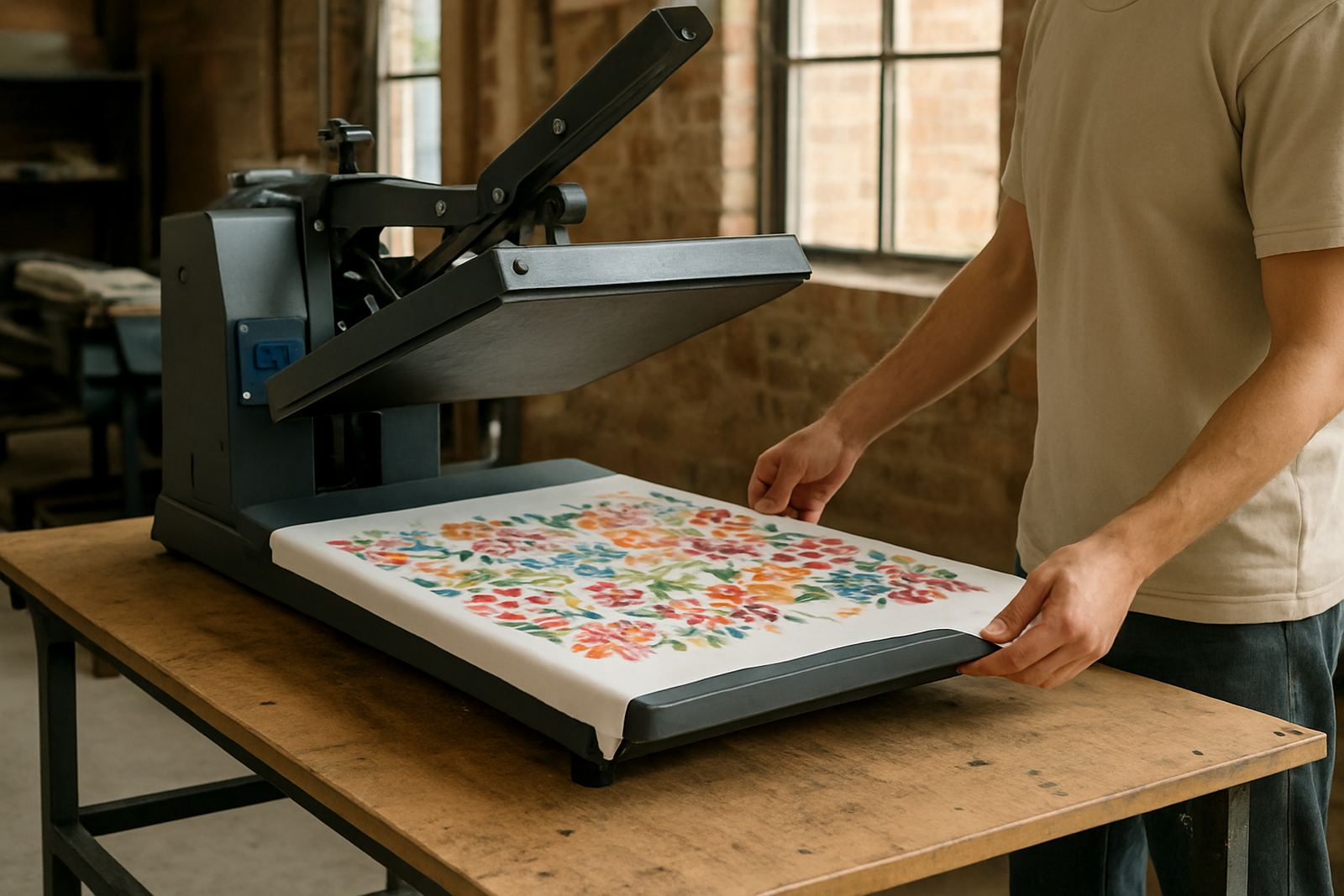
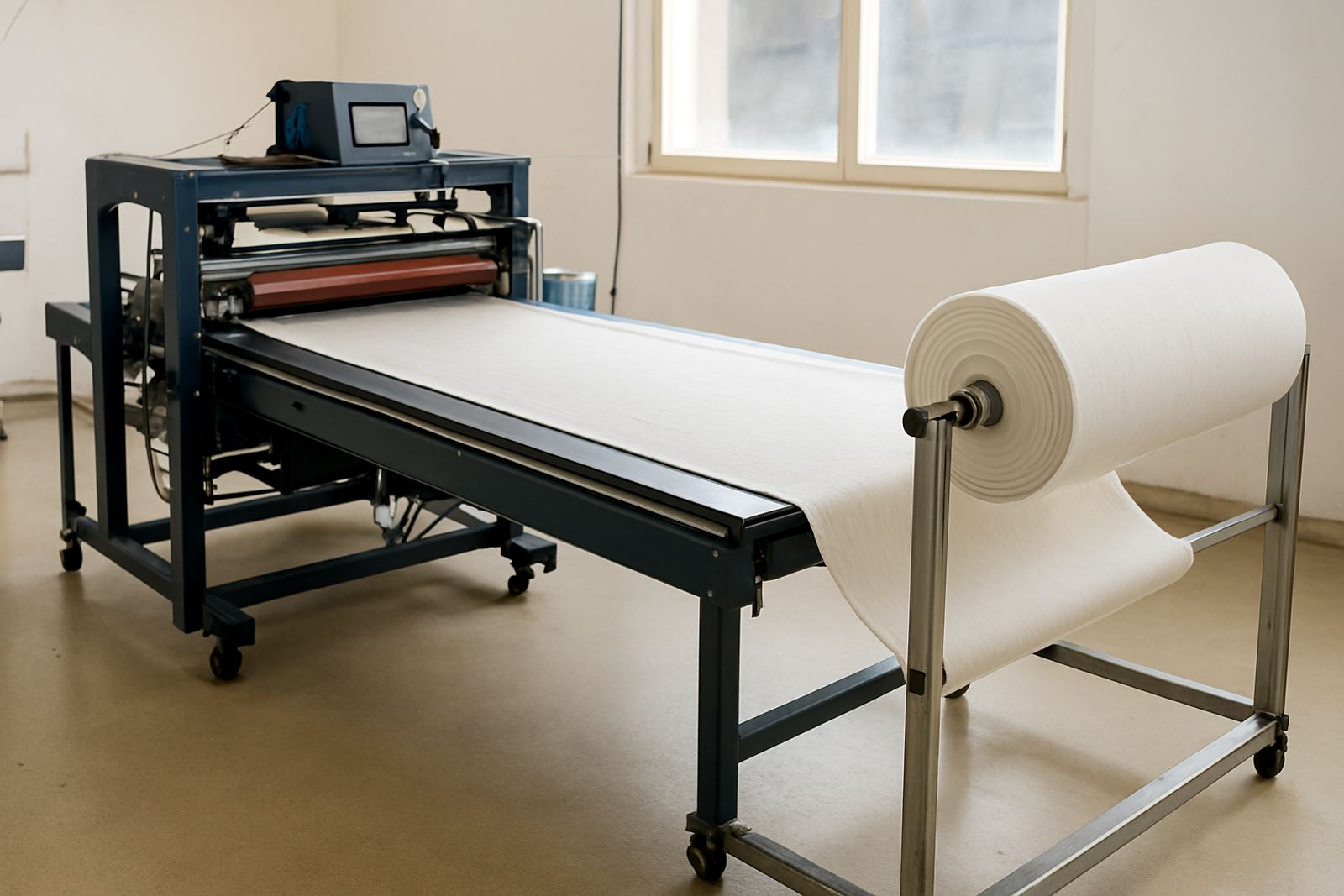
A calendar press is a continuous heat system used to move fabric through heated rollers for fixation, transfer work and finishing. It is made for repeat work where the cloth needs even heat across the full width, without stopping and starting on a flat platen. For a small garment workshop in Germiston, a boutique in Johannesburg or a textile studio in Durban, that means better flow and less handling between stages.
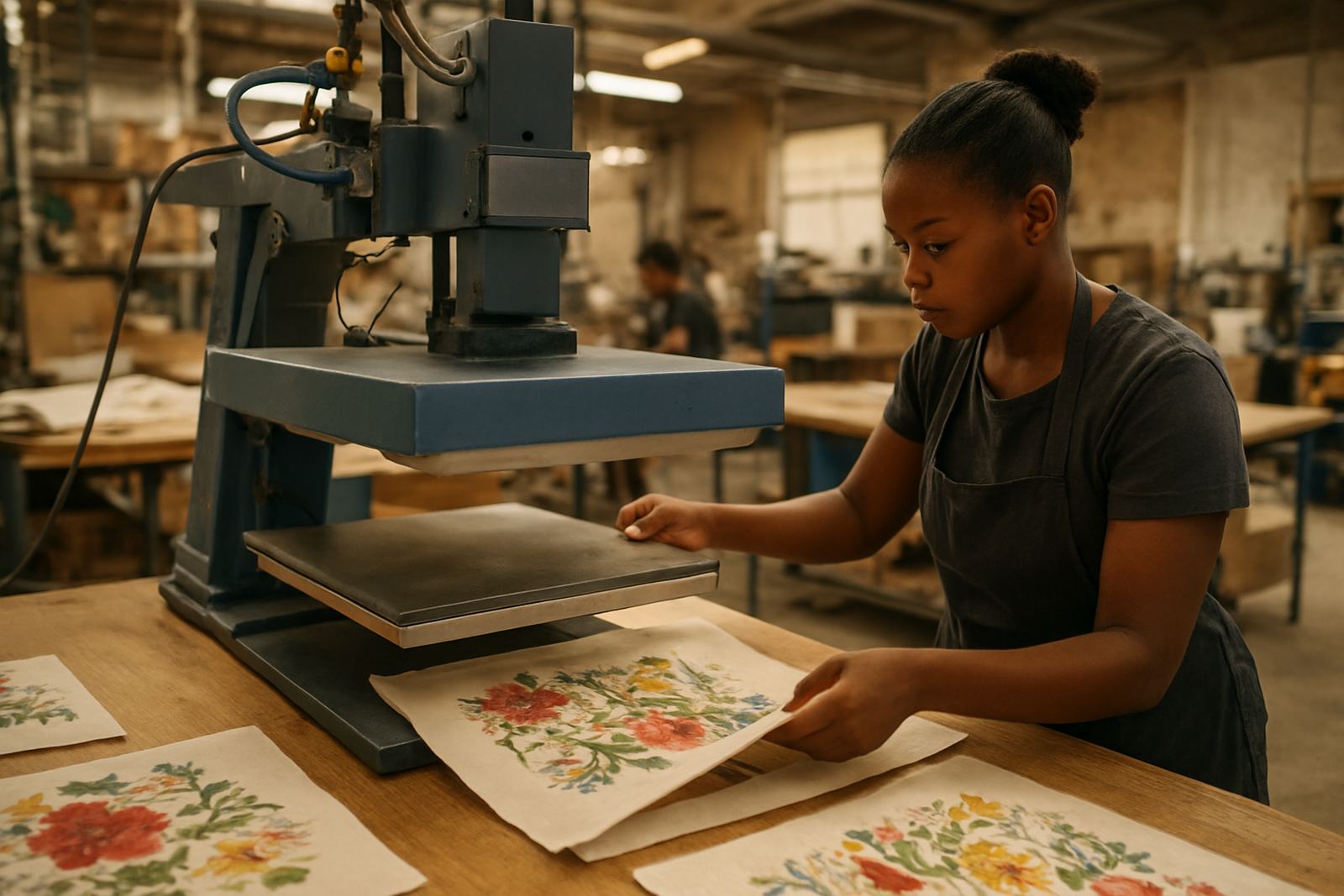
The fabric enters the machine on a feed table, passes through the heated zone and exits ready for the next step. This makes it practical for roll-to-roll production, sample runs and medium-volume jobs where speed and consistency matter. It also helps keep fabric flatter than manual pressing, which is useful when working with wide panels or continuous lengths.
Because the machine handles cloth in motion, the operator still needs good setup and regular checks. Heat settings, speed and fabric type all affect the result. If you are working with synthetic blends, cotton, or coated textiles, the correct temperature and dwell time must be matched to the material and ink or finishing process.
Sizes and configuration options for different workshop output
Calendar press sizes are usually chosen by working width and output level. Smaller workshops may only need a compact unit for narrow rolls and sample production, while larger teams need a wider press that can take full garment fabric widths. The right size depends on your daily roll length, the type of cloth you print on and how much floor space you have available.
- Working widths commonly range from about 600 mm up to 1800 mm or more
- Roll feed and take-up options help keep long lengths aligned
- Single-zone or multi-zone heating depends on the model and production need
- Speed controls allow slower curing for heavier cloth or faster throughput for lighter material
- Some setups include tables for feeding, cooling and winding on either side
In a South African workshop, space planning matters just as much as machine width. You need room for roll handling, safe walking space and access for service work. In low ceiling spaces or crowded production areas, it is better to measure carefully first than to buy a unit that is hard to position and maintain.
Where a calendar press suits best in South Africa
This product suits garment manufacturers, textile printers, homeware producers and businesses doing recurring finishing work on rolls. It is especially useful where the same fabric type comes through often, because the machine can be tuned for steady repetition. Shops in Pretoria, Cape Town, Bloemfontein and Durban often use this kind of equipment when they need dependable output across varied climate conditions.
It can also be a good fit for businesses that struggle with manual heat pressing during load-shedding. A continuous system still needs stable power, but once it is connected properly and managed well, it can support planned production blocks more efficiently than repeated hand pressing. Coastal humidity in places like Durban or Cape Town may also influence drying and handling, so stable heat and controlled feed are important.
For businesses working with school wear, fashion ranges, promotional textiles or contract finishing, the main benefit is repeatability. The cloth passes through at a set speed and temperature, which helps reduce marks, uneven heat spots and handling damage.
Installation, power and gas needs before the first run
Installation should be planned around floor space, electrical supply and operator access. A calendar press must sit level, with enough clearance for feeding fabric and for safe movement around the machine. Our team handles machine installation, and where needed we also assist with relocation support if the unit is moving from one site to another in Wadeville, Boksburg or Midrand.
Power requirements vary by size and heating method, so the supply must be checked before ordering. Larger units often need a dedicated electrical line and proper protection against surges. In many workshops, a backup plan for load-shedding is worth discussing early, especially if the press is part of a daily production schedule. If the model uses gas assist or a heated system that needs gas support, the bottle size, regulators and ventilation must match the layout and local safety rules.
Good ventilation is also worth planning, particularly where fabric finishes or coatings may release odours during heating. A practical installation should include safe cable routing, easy access to controls and a clear path for loading and unloading rolls.
Care, servicing and the parts that need attention
Like any production machine, a calendar press works best when it is cleaned and checked on schedule. Dust, lint and adhesive residue can build up around rollers and guides. That can affect fabric tracking and heat transfer. Regular preventive servicing helps avoid breakdowns, and it is far cheaper than stopping production for a major repair.
Operators should be trained to watch for uneven heat, roller wear, belt tracking issues and marks on the fabric. If the press is used daily, quick checks at the start of each shift can save a lot of trouble later. We also offer production audits, remote troubleshooting and maintenance contracts for businesses that want a more structured support plan.
Common servicing tasks include printhead cleaning on linked systems where relevant, ink system flushing for associated equipment, and spare parts supply when wear items need replacing. For the press itself, heating elements, belts, bearings, sensors and control parts are usually the items to keep an eye on. In busy workshops, a simple log book helps track what was done and when.
What to check when ordering the right unit
Before placing an order, work through the job sizes and the fabric types you will run most often. You should also check how much output you need per shift, whether the machine will sit in one place or be moved later, and what kind of power supply is available on site. This is where clear guidance matters, because the wrong size can slow production or use too much floor space.
Ask for the working width, heater type, speed range, maximum temperature, power requirement and overall dimensions. If you are buying for a workshop in Johannesburg, Pretoria or Germiston, also ask about installation timing and operator training so the machine is ready for use without wasted time. Our team can help with colour profiling where needed, and the training coordinator can guide staff on setup and daily use.
It is also wise to confirm whether the feed table, take-up unit and cooling area are included or need to be added. That keeps the final layout practical and helps avoid delays when the machine arrives. If your fabric is sensitive to heat or moisture, mention that upfront so the settings and workflow can be matched properly.
Key facts
| Product type | Continuous calendar press for fabric fixation and finishing |
|---|---|
| Working width options | Approx. 600 mm to 1800 mm plus, depending on model |
| Heat range | Adjustable high-temperature operation for suitable textile applications |
| Feed style | Continuous roll-to-roll fabric handling |
| Power needs | Site-specific electrical supply, size dependent |
| Support | Installation, training, servicing and spare parts supply |