What a pneumatic heat press does in daily production
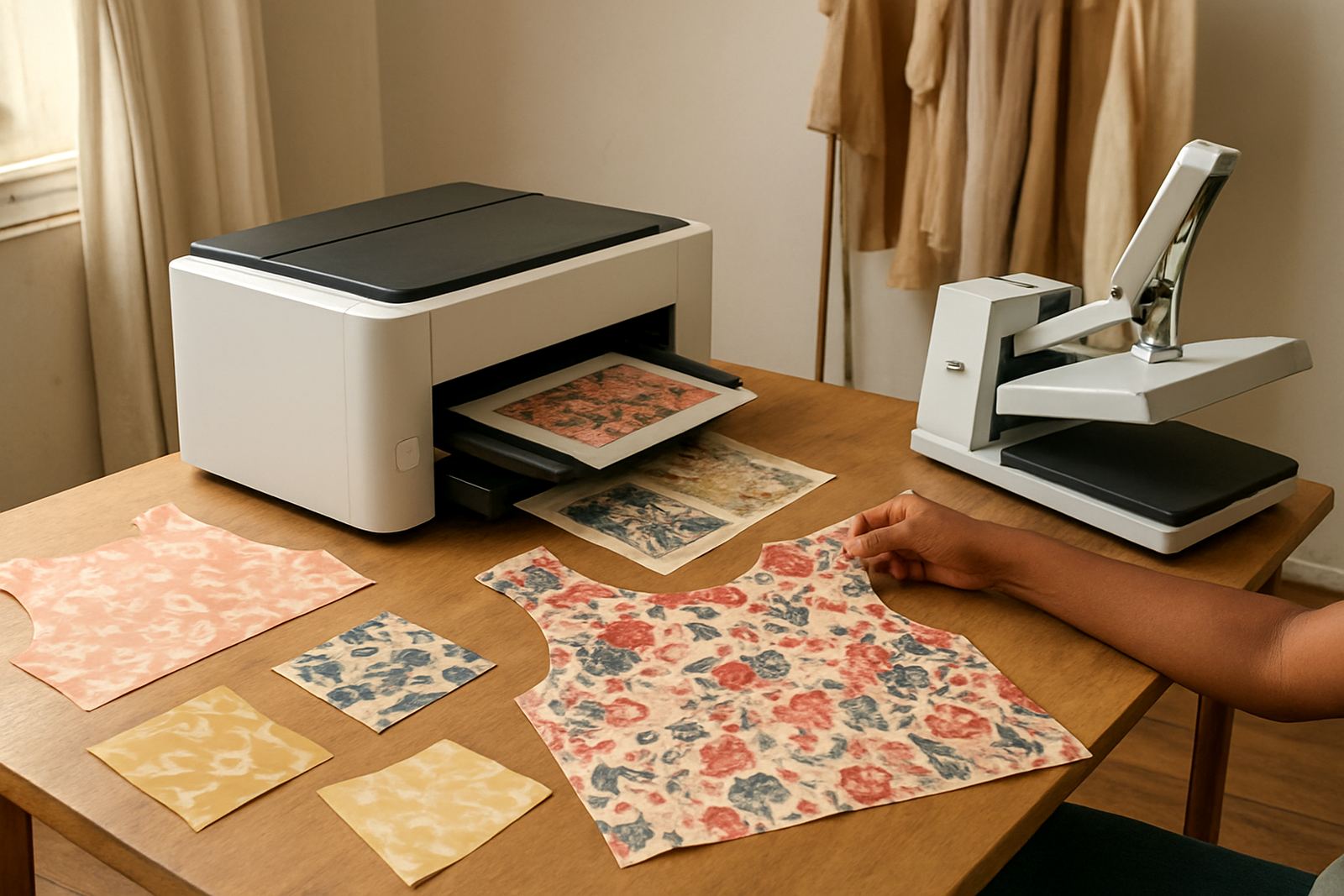
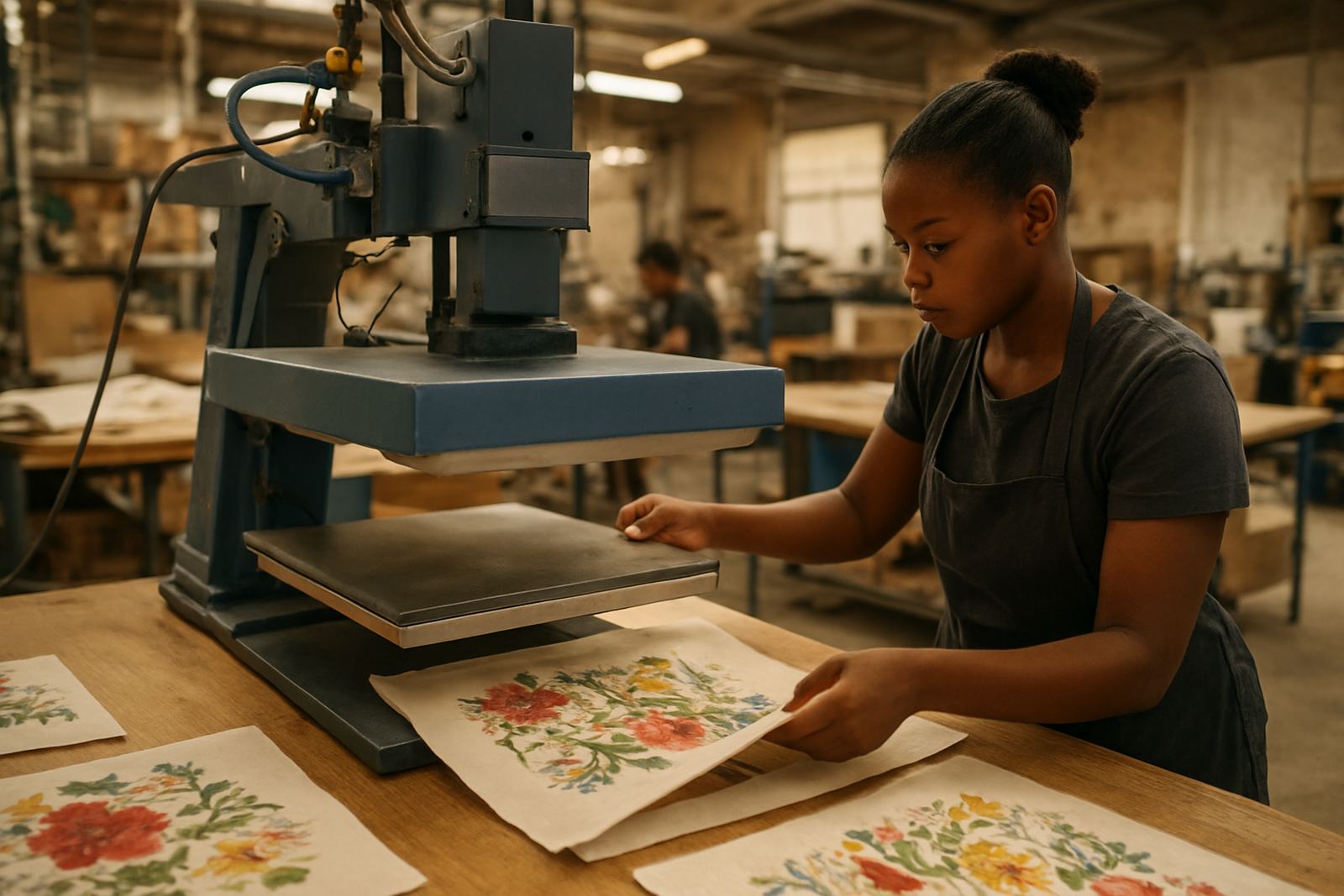
This machine uses air pressure to close the press and hold even force across the platen, which helps with transfers, curing, and finishing work that must look the same from one run to the next. For shops in Germiston, Johannesburg and Pretoria handling schoolwear, sportswear, boutique labels or short runs, that repeatability can make a real difference when orders stack up.
Because the closing action is powered by air, the operator is not leaning into every cycle. That helps on long shifts, especially where one person is running a press next to cutting, pressing and packing. It is a practical choice for businesses wanting cleaner output and less physical strain, with fewer inconsistencies from job to job.
- Even pressure across the full press area
- Less operator fatigue on repeated jobs
- Suitable for transfer work and heat applications
- More consistent results on batch production
Available platen sizes and control options
The right size depends on the items you produce most often. Smaller platen sizes suit labels, chest logos and children’s garments, while larger platens are better for full front prints, adult T-shirts, panels and bag work. On many setups, a slide-out or drawer base makes loading easier and keeps hands away from the heated top plate.
Controls are usually straightforward, with temperature, time and pressure settings that can be adjusted to suit different materials. If you work with polyester, cotton blends, canvas or coated fabrics, correct settings matter. A press that is simple to set up saves time when staff rotate between shifts or when a new operator steps in after load-shedding interrupts the day.
- Common platen sizes: 38 x 38 cm, 40 x 50 cm and 60 x 80 cm
- Digital temperature and timer controls
- Pressure adjustment for light to heavy applications
- Optional twin-station or drawer-style layouts
Where this press suits best in South African workshops
This type of press suits garment decorators, print rooms, promotional clothing suppliers and textile businesses that need steady output without a lot of hand force. It works well where there is regular demand from retail brands, schools, events and workwear clients. In Durban and other coastal towns, stable heat and pressure also helps when humidity makes some finishing jobs more difficult.
For smaller firms in Bloemfontein, Midrand or Boksburg, the press can fit into a compact production space without needing a large footprint. It is especially useful where staff are still building experience and need a machine that supports consistent results instead of relying too much on feel. If your business is moving from occasional pressing to daily production, this is often the point where pneumatic pressure starts making sense.
- Custom garment printing and finishing
- Small to medium batch production
- Schoolwear, sportswear and branded clothing
- Textile samples, panels and repeat transfer work
Installation, power supply and air requirements
A pneumatic heat press needs a proper electrical supply for the heating system and a reliable compressed air source for the press action. In most cases, a single-phase or three-phase connection may be used depending on the size of the machine, so it is important to check the exact model before placing the order. The air supply should be dry, clean and stable, with enough pressure to keep cycles consistent through the day.
During installation, we check the working space, access to power, air line routing and whether the floor is level enough for safe operation. If your site experiences load-shedding, it is worth planning for a suitable backup arrangement so the machine can recover properly after outages. Good placement near ventilation and enough room for loading makes the press easier to use and less tiring for the operator.
- Requires electrical supply for heating
- Requires compressed air, usually from a shop compressor
- Dry air helps protect valves and seals
- Level floor space and clear operator access are important
Care, servicing and long-term use
Like any press used every day, this machine needs routine care to keep temperature, pressure and closing action steady. Wiping the platens, checking seals and watching for air leaks should be part of normal workshop checks. If the machine is used in coastal conditions or in dusty areas, a bit more attention on cleaning and air quality can help avoid early wear.
Periodic servicing should include temperature checks, inspection of hoses and fittings, and review of the control system. If the press is used for many repeat jobs, small issues can build up and affect finish quality before they cause a full breakdown. A planned maintenance approach is usually cheaper than waiting for faults, especially when jobs are booked ahead and delivery dates are tight.
- Clean platens and silicone surfaces regularly
- Check for air leaks, worn hoses and loose fittings
- Confirm timer and temperature accuracy
- Schedule preventive servicing before peak periods
What to confirm before placing an order
Before ordering, measure the largest item you plan to press and the space available in your production area. Check whether you need a standard press, a larger platen, a drawer base or a layout that suits a higher daily volume. It also helps to confirm what kinds of materials you work with most often, since some jobs need different pressure and temperature handling.
Ask about operator training, spares and after-sales support, because a pneumatic press only performs well if the team knows how to set it up correctly and keep it running. At Fabric Printer in Wadeville, Germiston, we support garment and textile businesses across Johannesburg, Pretoria, Durban, Cape Town and Bloemfontein with installation, training and service guidance. If you are comparing options, bring a sample of your common work so the settings can be matched to your production needs.
- Largest print size and garment type
- Single-phase or three-phase power availability
- Air compressor capacity and hose routing
- Training, servicing and spare parts support
Key facts
| Press type | Pneumatic heat press with air-assisted closing action |
|---|---|
| Common platen sizes | 38 x 38 cm, 40 x 50 cm, 60 x 80 cm |
| Power requirement | Electrical supply for heat, depending on model |
| Air requirement | Compressed air with clean, dry flow |
| Controls | Digital time and temperature control with pressure adjustment |
| Typical use | Garment transfers, textile finishing and repeat batch work |