What a Fabric Steamer Does After Printing
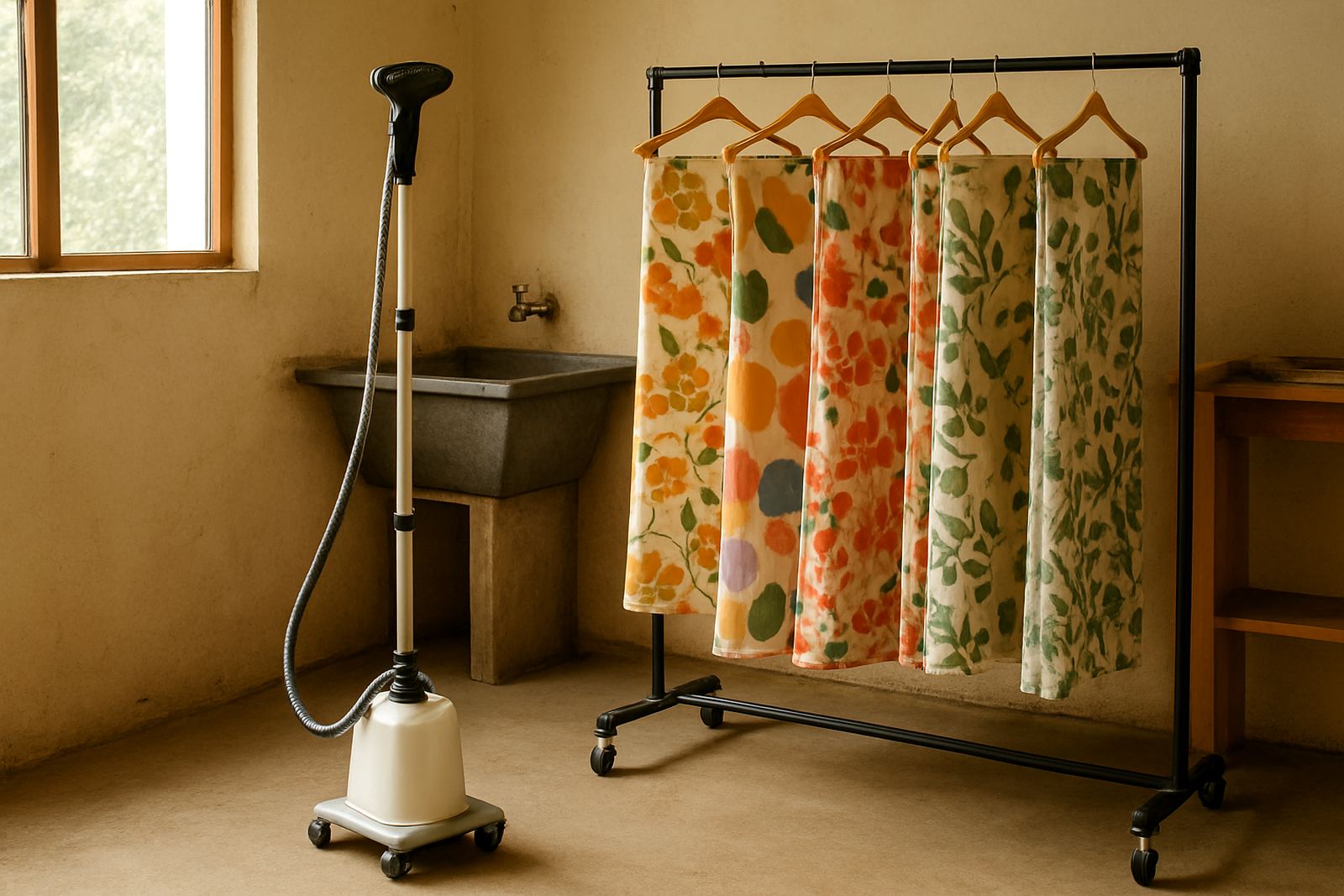
A fabric steamer is a post-print finishing unit that applies controlled steam to printed cloth before washing, cutting or garment assembly. It is commonly used where water-based inks, pigment prints or heat-set finishes need a final conditioning step so the fabric handles better and the print holds up through use.
For small South African production rooms, this kind of unit helps keep finishing consistent. Instead of relying on guesswork or improvised steaming methods, you get a repeatable process for rolls, panels and pre-cut pieces. That matters when you are printing for boutiques, workwear, school items or short-run fashion ranges.
- Supports post-print steaming before washing or further processing
- Helps improve colour consistency from batch to batch
- Suitable for fabric rolls, cut panels and printed garment pieces
- Useful where heat and steam are part of the production flow
Sizes and Layout Options for Small Production Spaces
Fabric steamer units are normally chosen by working width, chamber length and how much fabric you need to process in a shift. A small workshop in Wadeville or a home-based studio in Pretoria may only need a compact cabinet unit, while a busier print room in Durban or Cape Town may need a longer chamber with trolley loading and stronger output.
When comparing options, check the usable width, internal hanging or rack space, and whether the unit can handle flat panels or continuous lengths. If you are working in a building with limited floor space, measure doorways and passage widths as well, because moving the machine into place can be the biggest challenge.
- Compact units for small-batch steaming
- Mid-size units for regular daily production
- Longer chamber options for roll-based work
- Single-phase and three-phase models may be available depending on output
Where It Suits Garment and Textile Work
This equipment suits businesses that print on natural fibres and blended textiles, especially where the customer expects a wash-ready or production-ready finish. It is a sensible fit for textile printers, small clothing labels, promotional clothing workshops and sewing rooms that handle custom orders for schools, events and retail clients.
It also works well in coastal areas where humidity can affect drying and storage. In places like Durban and parts of the Eastern Cape, fabric that sits overnight can feel damp if the room is not managed properly, so controlled steaming can form part of a cleaner workflow. In Gauteng, many operators use it after printing to keep output moving during load-shedding windows and power interruptions.
- Custom garment printing
- Short-run textile production
- Workwear and uniform finishing
- Sample making and small boutique ranges
Installation, Power and Utility Requirements
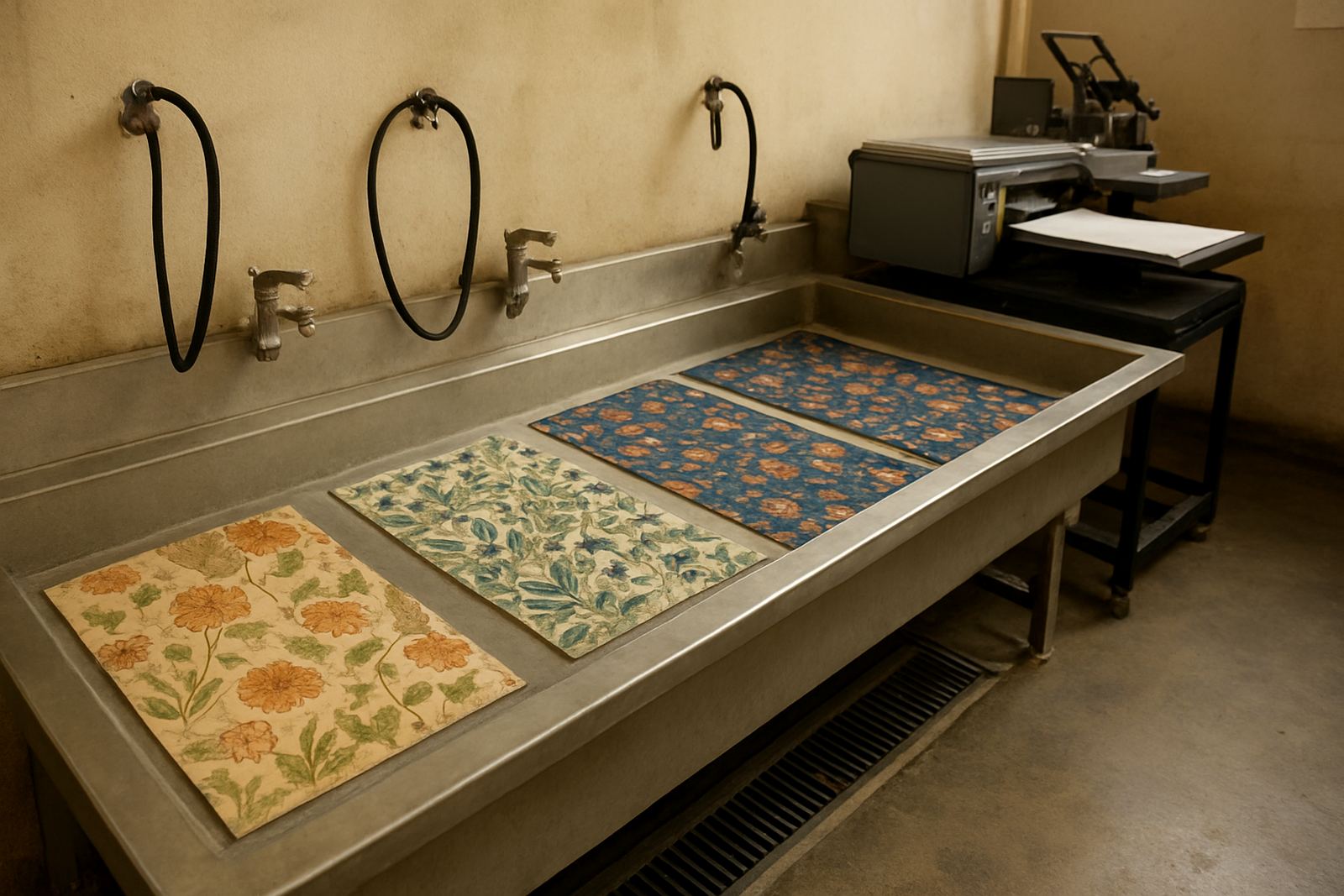
Installation should be done on a level floor with enough space around the unit for loading, unloading and routine cleaning. Many steamers need a proper water supply, drainage or condensate handling, plus safe clearance for hot surfaces. If the unit uses electricity for heating, check the supply rating before ordering so your site does not trip on start-up or overload during use.
Some setups need three-phase power, while smaller models can run on single-phase supply. If your workshop is in an older industrial area in Germiston, Boksburg or Midrand, it is worth checking the board, cabling and earthing before delivery. Good ventilation is important too, especially in enclosed rooms where steam can build up quickly.
- Check floor space, doorway access and route to the production area
- Confirm electricity supply and breaker capacity
- Plan for water, drainage and ventilation
- Allow safe access for loading and daily operation
Care, Servicing and Daily Upkeep
A fabric steamer needs basic care to stay steady in production. The water system should be checked for scale, residue and blockages, especially in areas with harder municipal water. Drain lines, valves and heated sections should be inspected regularly, and any build-up should be cleared before it becomes a bigger fault.
For businesses on tight deadlines, preventive servicing is usually cheaper than waiting for a breakdown. Our team can assist with installations, operator training, remote troubleshooting, preventive servicing and repairs, so your staff know how to start, stop and clean the unit correctly. A little routine care goes a long way when the machine is working every week.
- Flush water lines on a regular schedule
- Check for limescale and steam pressure changes
- Inspect seals, hoses and valves for wear
- Keep the chamber clean and dry when not in use
What to Check Before You Order
Before ordering, match the machine to your fabric type, daily volume and finish requirements. A steamer that is too small will slow production, while one that is too large can waste power and floor space. If you work with delicate fabric or mixed fibre blends, ask how the steaming cycle is controlled and whether the temperature range suits your materials.
It also helps to confirm the accessories, spare parts and support you will need after installation. Ask about training, consumables, lead times and whether your site needs relocation support or a production audit before the machine arrives. That way your workshop can start with less downtime and fewer surprises.
- Fabric type and typical batch size
- Power supply and utility access
- Required chamber width or working length
- Training, servicing and spare parts support
Key facts
| Product type | Post-print fabric steamer |
|---|---|
| Use case | Steam finishing before washing or use |
| Typical fabric range | Cotton, blends and print-ready textiles |
| Power options | Single-phase or three-phase, model dependent |
| Utilities | Electric heating, water supply and drainage |
| Support | Installation, training, servicing and repairs in South Africa |