What a sample room printer does in day-to-day garment work
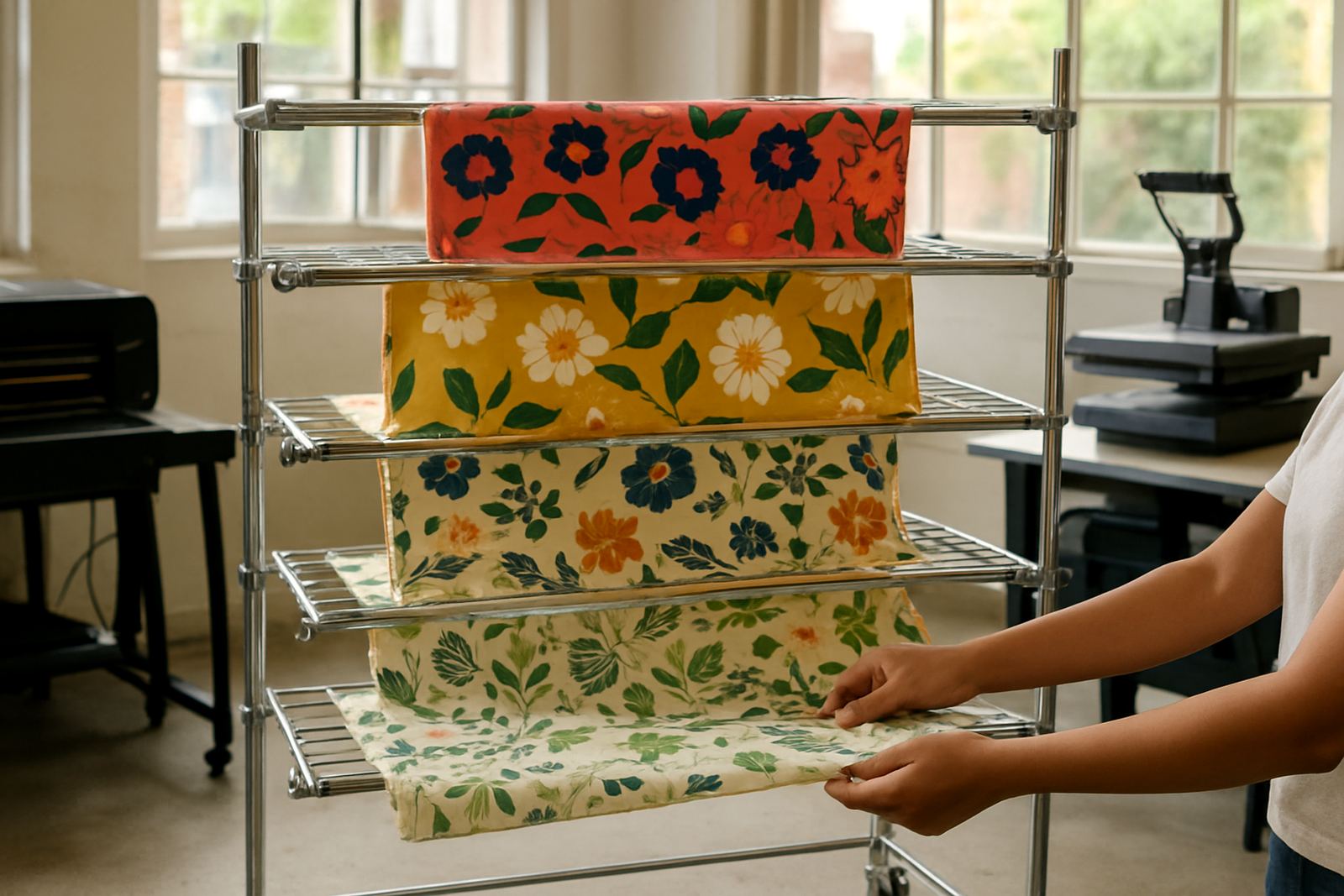
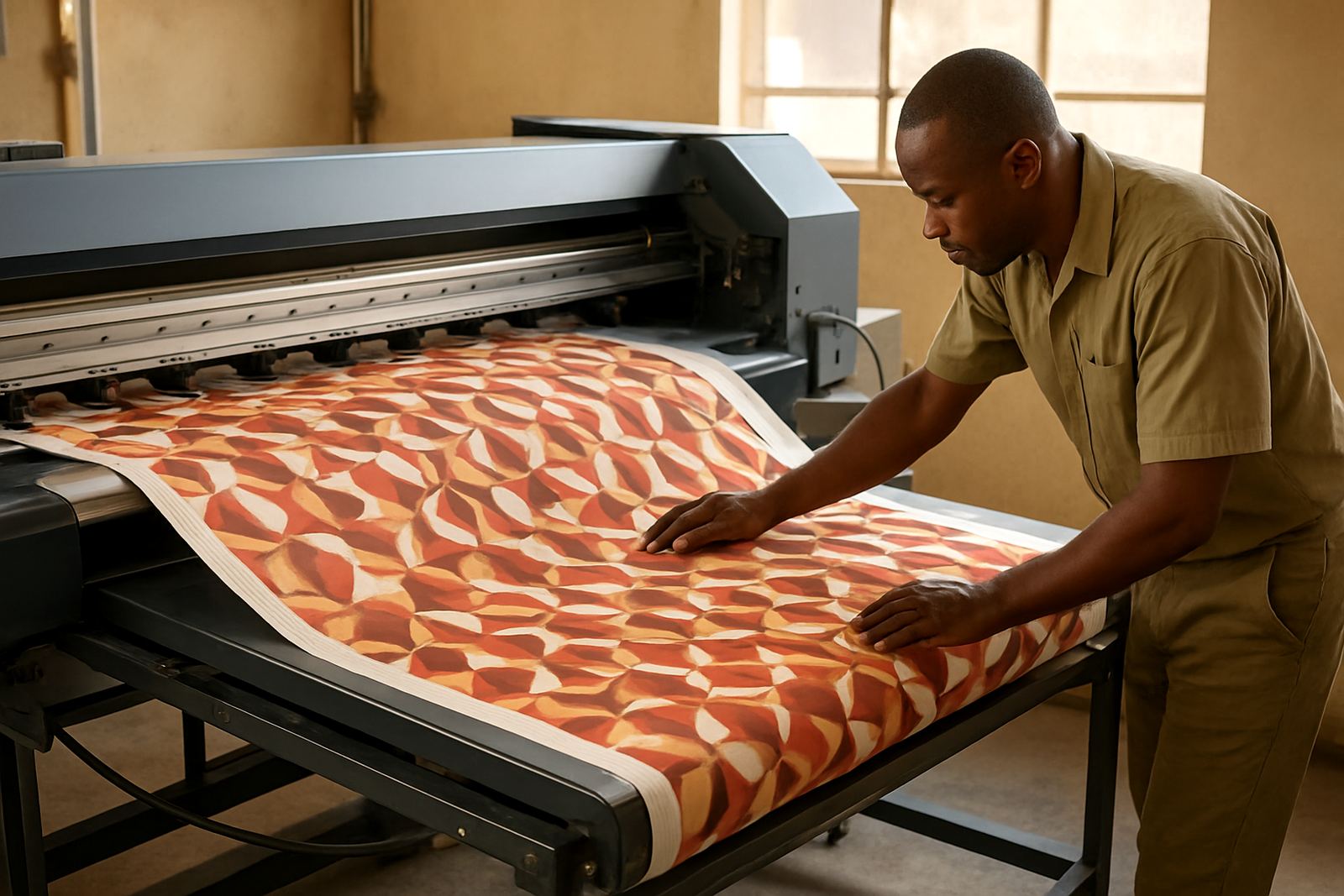
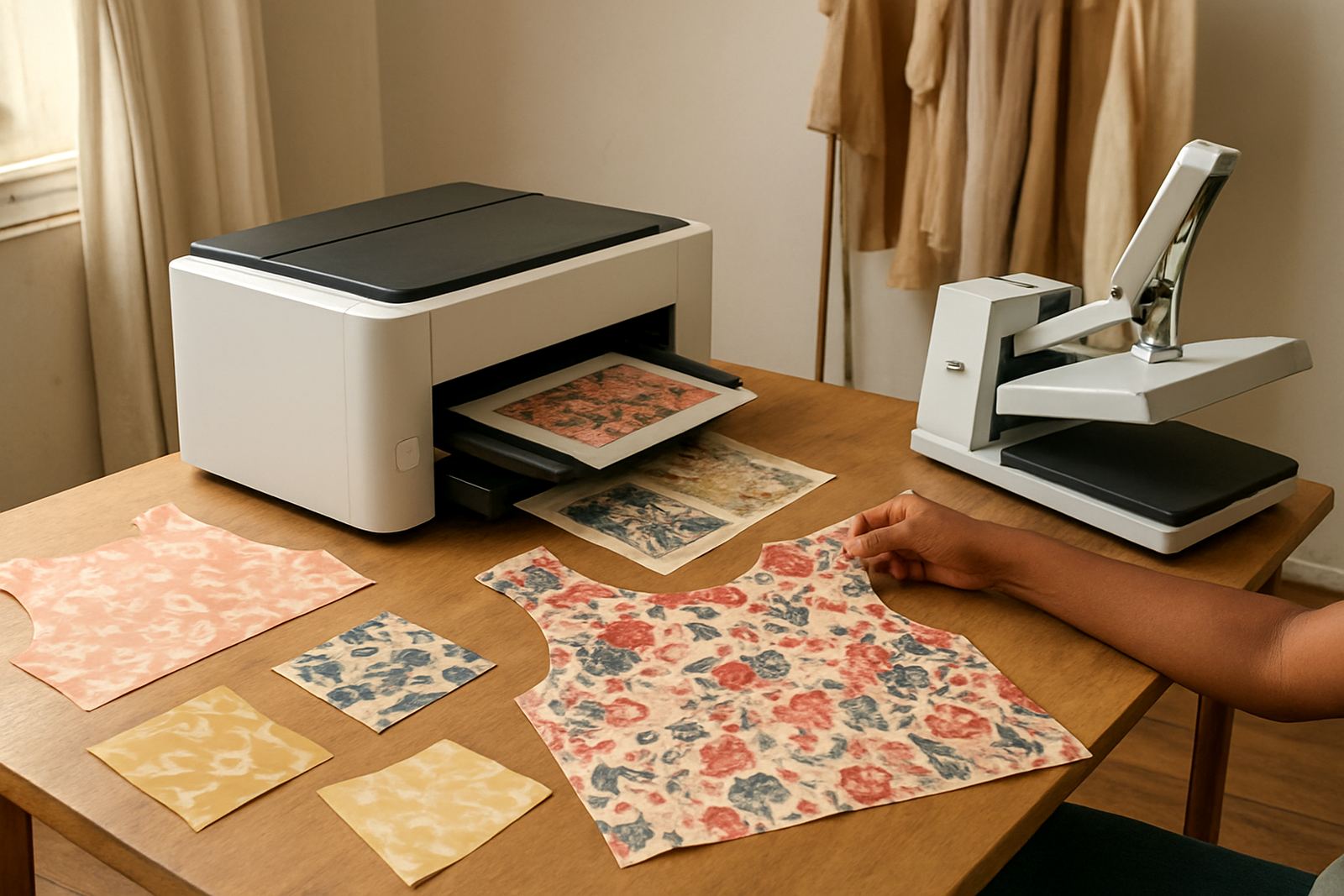
This machine is made for sample rooms, pattern rooms and small production studios that need to test a print before committing fabric, time and money to a full run. It suits one-off fashion samples, repeat prints for buyer approval, strike-offs for colour matching and short custom orders for boutiques, schools or promotional work. Because the print head lays ink directly onto fabric, you get sharp detail on fine lines, small text and repeat motifs, which matters when a client wants the second sample to match the first exactly.
For South African businesses, that control is useful when you are working through load-shedding schedules, mixed humidity from Pretoria to Durban, or fabric that has travelled between warehouses and sewing rooms. A sample room printer helps you keep work in-house and reduce delays from outside suppliers. It is also practical for teams that need to respond quickly to a buyer change, since the design can be adjusted and reprinted without waiting for long lead times.
- Best for fashion samples and strike-offs
- Suitable for short custom textile jobs
- Helps check colour, scale and placement before bulk production
Sizes and options for different fabric workspaces
Sample room printers are usually supplied in compact to mid-size widths, depending on how much fabric you need to handle in a week. A 1.6 metre class machine is common for smaller studios that print panels, trims and garment components. Wider options, such as 1.8 metre or 2.2 metre configurations, suit rooms that want more flexibility for larger layout pieces, repeated samples or mixed fabric widths. The right size depends on your cutting table space, how many operators you have, and the type of garments you produce.
Options can include different ink sets, take-up arrangements and feed systems for steady fabric movement. Some teams need a basic setup for samples only, while others want a unit that can also handle short production orders for printed rayon, polyester blends or coated textile media. In coastal areas like Durban or Cape Town, we also look at how the room handles moisture and storage, because fabric that absorbs humidity can affect feeding and finishing. A good setup keeps the machine level, the environment clean and the fabric tension consistent.
- Common widths: 1.6 m, 1.8 m and 2.2 m
- Options for sample work or short run production
- Suitable for mixed fabric types, subject to ink and media choice
Technical specifications that matter before you buy
When you compare sample room printers, focus on the details that affect output quality and daily reliability rather than just the headline speed. Resolution, ink set, fabric handling and drying control all affect how a sample looks under workshop light and at the buyer meeting. In a sample room, accuracy is usually more important than raw throughput, so look for fine droplet control, stable carriage movement and a feed system that keeps the fabric tracking correctly.
Typical specifications to check include print resolution up to 1200 dpi or higher, multiple ink channels for strong colour separation, and a print width matched to your fabric rolls. RIP software support is important for colour management and repeat placement. You should also ask about daily production volume, because a small team making five to ten samples a day has different needs from a studio that prints continuously for retail approvals. If you are printing in an area with power interruptions, ask what the machine needs for safe shutdown and restart. That small detail saves a lot of stress later.
- Print resolution: up to 1200 dpi or higher
- Colour channels: depending on ink configuration
- Print width: matched to the selected machine size
- Software support for repeat placement and colour control
Where the sample room printer fits best
This product works well in fashion houses, sample rooms, boutique label studios, schoolwear suppliers and small textile workshops that need quick approval pieces. It is especially useful where the sewing team and print team work close together, because the sample can be printed, cut and stitched without moving between multiple outside suppliers. That shortens the approval cycle and helps keep communication clear when a buyer asks for changes to shade, placement or fabric hand-feel.
It also suits businesses in Johannesburg, Pretoria, Germiston, Boksburg and Midrand that want to bring more of the sampling process under one roof. In Durban and Cape Town, where humidity can affect both fabric and storage, a controlled room and proper servicing become even more important. For Bloemfontein teams, dry conditions can help with handling but dust control still matters. The printer must sit in a clean space with enough room for loading, trimming and inspection, and with safe access for servicing.
- Fashion sample rooms and approval studios
- Boutique labels and small garment factories
- Schoolwear, promotional textile and short custom jobs
Installation, power and room prep before commissioning
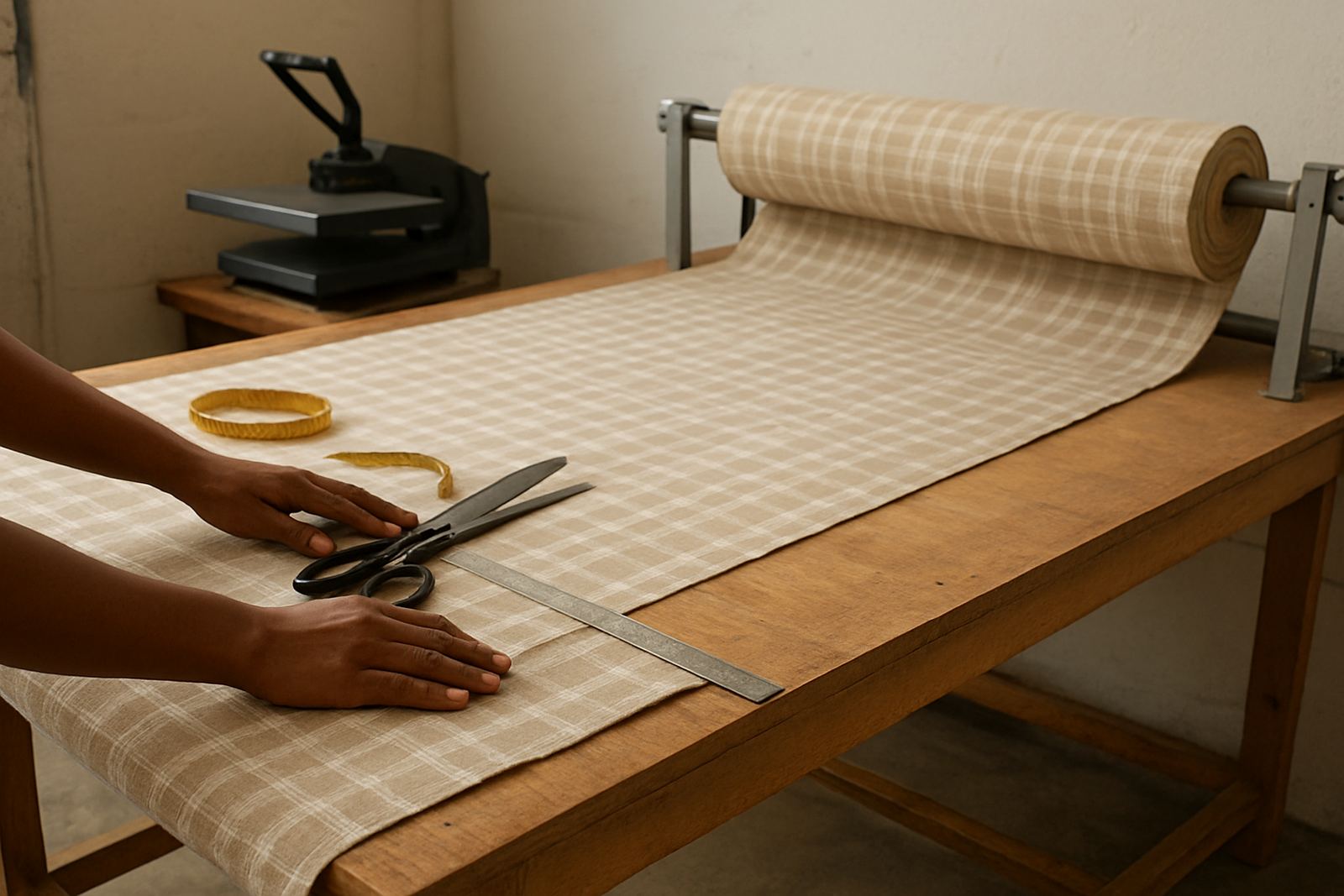
Correct installation makes a big difference to print quality and long-term stability. The machine should be placed on a level floor with enough clearance for loading fabric, opening covers and carrying out daily cleaning. We also check the room layout, because a sample room printer needs a clear path from roll storage to print zone to finishing table. If the space is cramped, you end up wasting time and risking fabric marks or feed errors.
Power requirements depend on the model, but most textile printers need a stable single-phase or three-phase supply depending on size and configuration. For South African workshops dealing with load-shedding, a backup plan is important so the machine can be shut down safely and restarted without damaging the system. Ventilation and temperature control also matter, especially in hot inland summers or humid coastal rooms. Some installations benefit from a dedicated UPS for control systems, and in a few cases compressed air support may be needed for specific accessories. We confirm the power, room size and access before delivery so there are no surprises on installation day.
- Level floor and clean loading space required
- Stable power supply with backup planning for load-shedding
- Ventilation and room temperature should be controlled
Care, servicing and what to confirm when ordering
A sample room printer performs best when it is used regularly and cleaned properly. Daily nozzle checks, head cleaning and correct shutdown routines keep the print quality consistent. Preventive servicing should be planned rather than left until a fault appears, because dried ink, dust and fabric fibres can all cause stoppages. In busy seasons, a maintenance contract can help keep production moving and make parts planning easier.
When ordering, confirm the fabric widths you intend to use, your monthly sample volume, the inks you need, and whether the room will handle mainly light fashion fabrics or mixed textile types. You should also ask about operator training, spare parts supply and what support is available if the printer needs remote troubleshooting or a site visit. For teams in Gauteng, KwaZulu-Natal, the Western Cape and the Free State, local response time matters. If you are unsure, our Germiston team can help assess the setup, the fabric flow and the support plan before the machine is commissioned.
- Check fabric width and monthly sample volume
- Confirm ink type and finishing process
- Plan for training, spare parts and routine servicing
Key facts
| Print type | Direct-to-fabric inkjet |
|---|---|
| Typical widths | 1.6 m, 1.8 m or 2.2 m class options |
| Best use | Trial garments, strike-offs and short sample runs |
| Resolution | Up to 1200 dpi or higher, model dependent |
| Support services | Installation, training, colour profiling and servicing |
| Coverage | Germiston, Johannesburg, Pretoria, Durban, Cape Town and Bloemfontein |