Built for panels, strips and repeat teamwear work
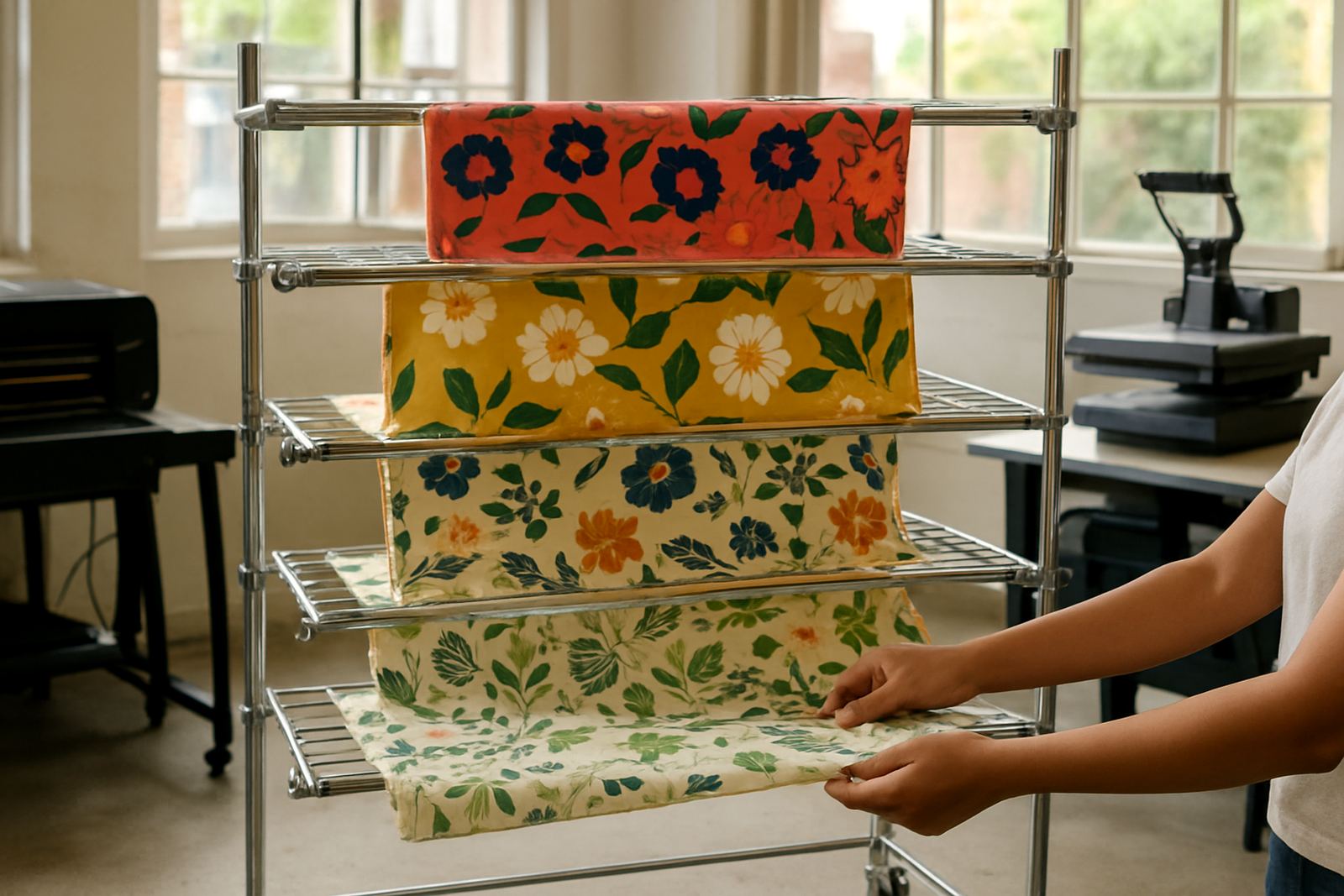
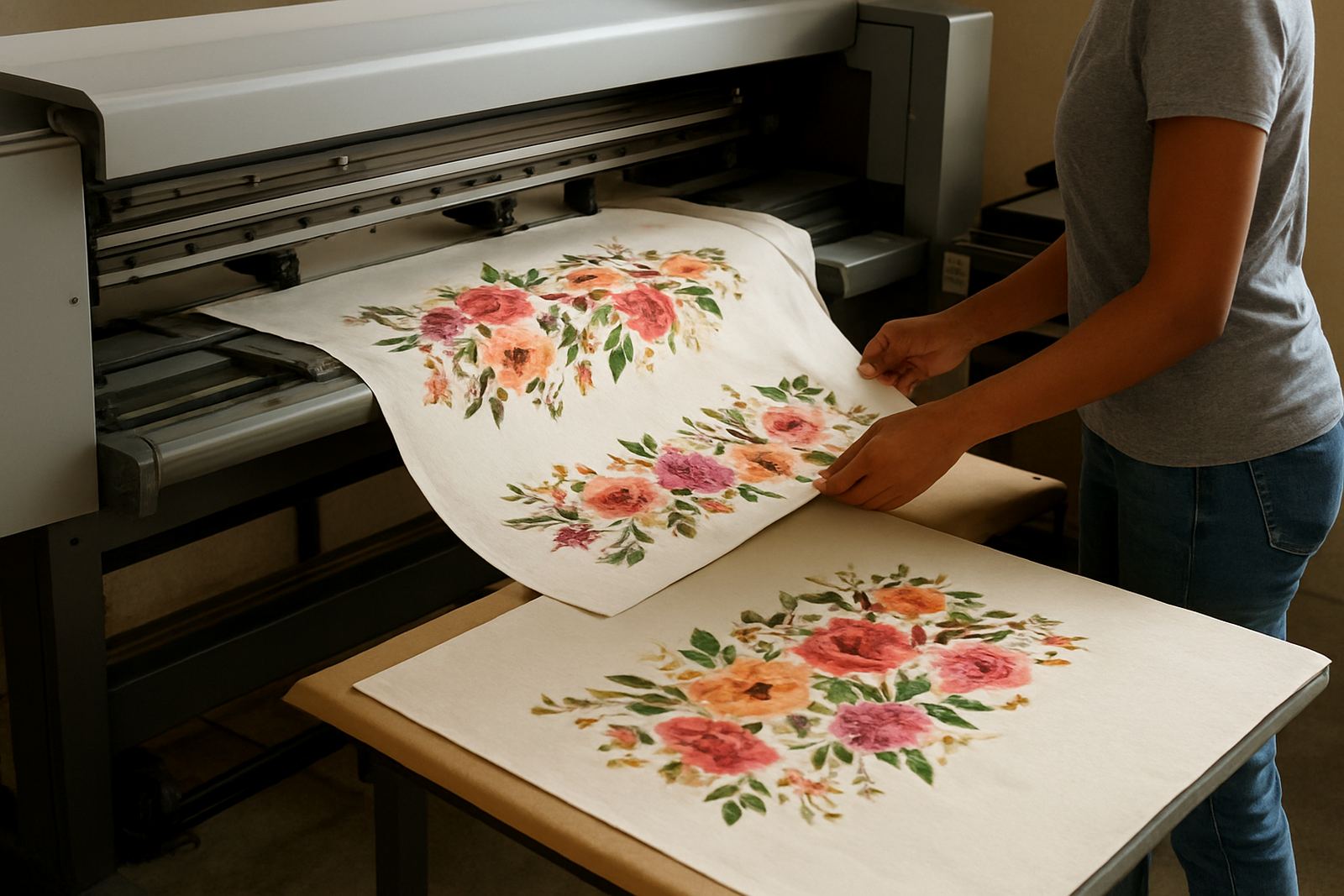
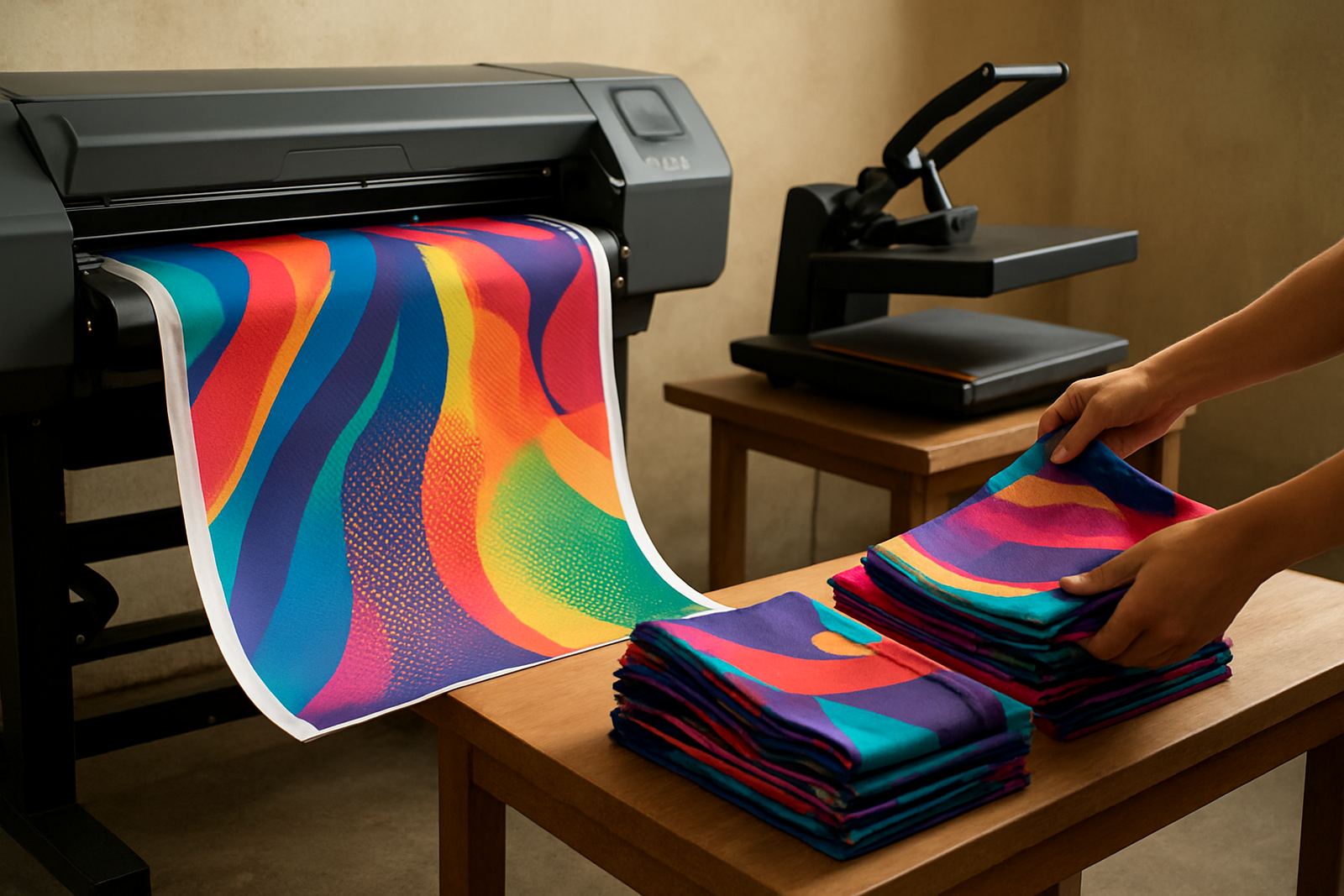
This printer is suited to polyester blends, performance fabrics and coated textile media used in sportswear production. It is a practical choice for garment shops in Wadeville, Germiston, Boksburg and Midrand that need repeatable prints for panels, sleeve inserts, racing kits and bold teamwear graphics.
For businesses working with both short runs and weekly reorders, the main value is consistency. Logos stay sharp, edge details hold, and you can keep colour stable across multiple batches when the artwork and fabric preparation are controlled properly.
- Good for activewear panels, bibs, training tops and club kits
- Handles fine text, numbers and sharp line work
- Suitable for low to medium volume production
- Useful where quick turnaround is needed for local teams
Size options and production setup
Sportswear production needs a printer size that matches your workshop space and the widths you actually sell. Many small businesses choose a 1.6 m class machine for panel work and wider textile jobs, while others start with a smaller format where floor space and budget are tight. We help match the machine to the type of work you want to print and the daily output you need.
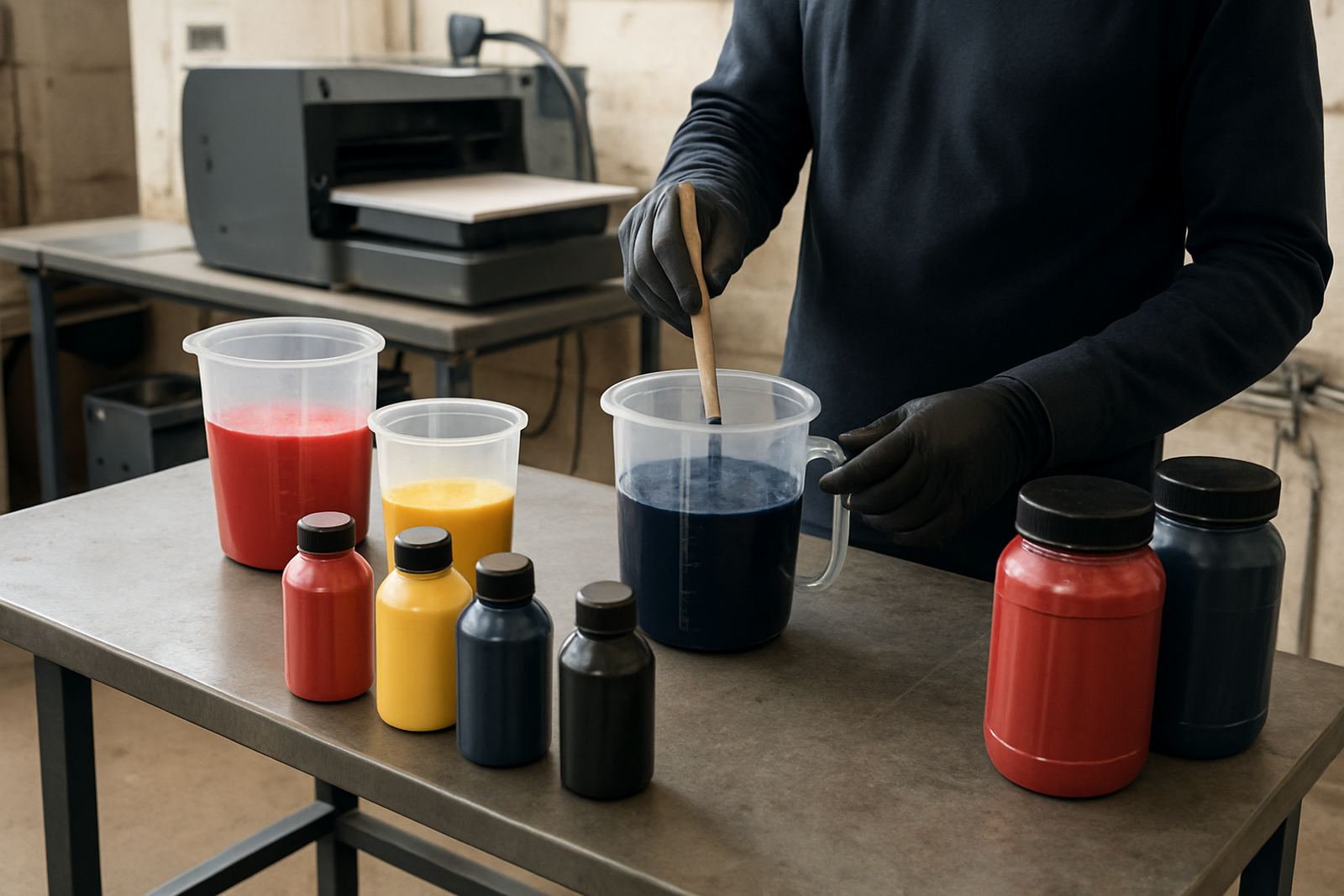
Set-up can include the printer, heat press, inks, media handling and colour profiling for your fabric range. If you are printing from a room in a factory, back office or light industrial unit, the layout needs enough space for loading, curing and finishing. In humid areas like Durban or coastal Cape Town, drying and storage conditions matter even more.
- Common widths: 1.2 m, 1.6 m and wider options where required
- Works with roll-fed textile media and panel-based production
- Can be paired with a flat heat press or large-format press
- Needs a clean area for media, ink and finished prints
Where it suits best in South African sportwear production
This equipment suits small garment businesses serving schools, cycling clubs, netball teams, running groups and promotional sportswear clients. It is also a good fit for boutique labels that make limited edition activewear ranges and need detailed prints that repeat accurately from one order to the next.
In Johannesburg and Pretoria, many customers use this type of printer for urgent teamwear jobs where collection deadlines are tight. In Durban and Cape Town, it is often used where fabric supply changes often and the business needs a machine that can handle varied textile stock without constant rework.
- Club kits and school sports items
- Training gear, leggings and fitted tops
- Panel prints for sewn garments
- Custom name, number and logo work
Installation, power and workshop requirements
Installation should be planned before the machine arrives. The floor must be level, the room should stay clean and the operator should have enough space to move fabric safely around the printer and press. We provide installation and setup training, including machine positioning, first print checks and basic daily operation.
Most small textile workshops will need stable power and a proper plug point, with protection against load-shedding and voltage dips. A UPS or backup plan is sensible if you are printing for orders with fixed collection dates. No gas supply is normally required for the printer itself, but some finishing setups may use additional equipment depending on the way you cure or press the textile.
- Stable 220V power supply recommended
- Backup power advised in areas with load-shedding
- Dry, dust controlled room preferred
- Allow space for printer, press and material staging
Caring for print quality and avoiding downtime
Direct-to-fabric equipment gives good results when it is kept clean and used regularly. Printhead cleaning, ink system flushing and preventive servicing should be part of your routine, especially if the machine stands idle over weekends or during slower seasons. In South Africa, dust and dry winter air can affect small nozzles, while humidity can change drying times and media handling.
For businesses that rely on weekly orders, a maintenance contract can be worthwhile. It helps keep the printer in working order and reduces the risk of losing production time on a Monday morning when the team is waiting for panels or sponsor logos. Small issues are easier to fix early than after they affect a full run.
- Run cleaning cycles as advised by the technician
- Keep inks sealed and stored correctly
- Check fabric feed and tension before each job
- Book servicing before peak season, not after a breakdown
What to check before you place an order
Before ordering, confirm the fabric types you print most often, the widths you need and how many garments you produce in a normal week. It helps to know whether your work is mostly panel printing, full-length graphics or repeat teamwear. You should also confirm your available space, power supply and whether the machine will need to move through a narrow door or stairwell.
Ask about training, colour profiling and spare parts supply too. If your team is new to textile printing, operator training will save time and reduce waste. If your workshop serves customers across Johannesburg, Pretoria, Durban, Cape Town or Bloemfontein, ask how remote troubleshooting and service cover will work when you need help quickly.
- Fabric type and finish you plan to print
- Required print width and daily output
- Power availability and backup plan
- Installation access, training and servicing needs
Key facts
| Print type | Direct-to-fabric inkjet printing for textile panels and sportswear graphics |
|---|---|
| Typical format | 1.2 m to 1.6 m class options, with wider setups available by application |
| Best materials | Polyester blends, performance textiles and suitable coated fabric media |
| Colour capability | High detail print output with repeatable colour profiling |
| Power requirement | Stable 220V supply, with backup protection recommended during load-shedding |
| Support included | Installation, operator training, servicing, troubleshooting and spare parts supply |