What a Take Up System Does on a Print Line
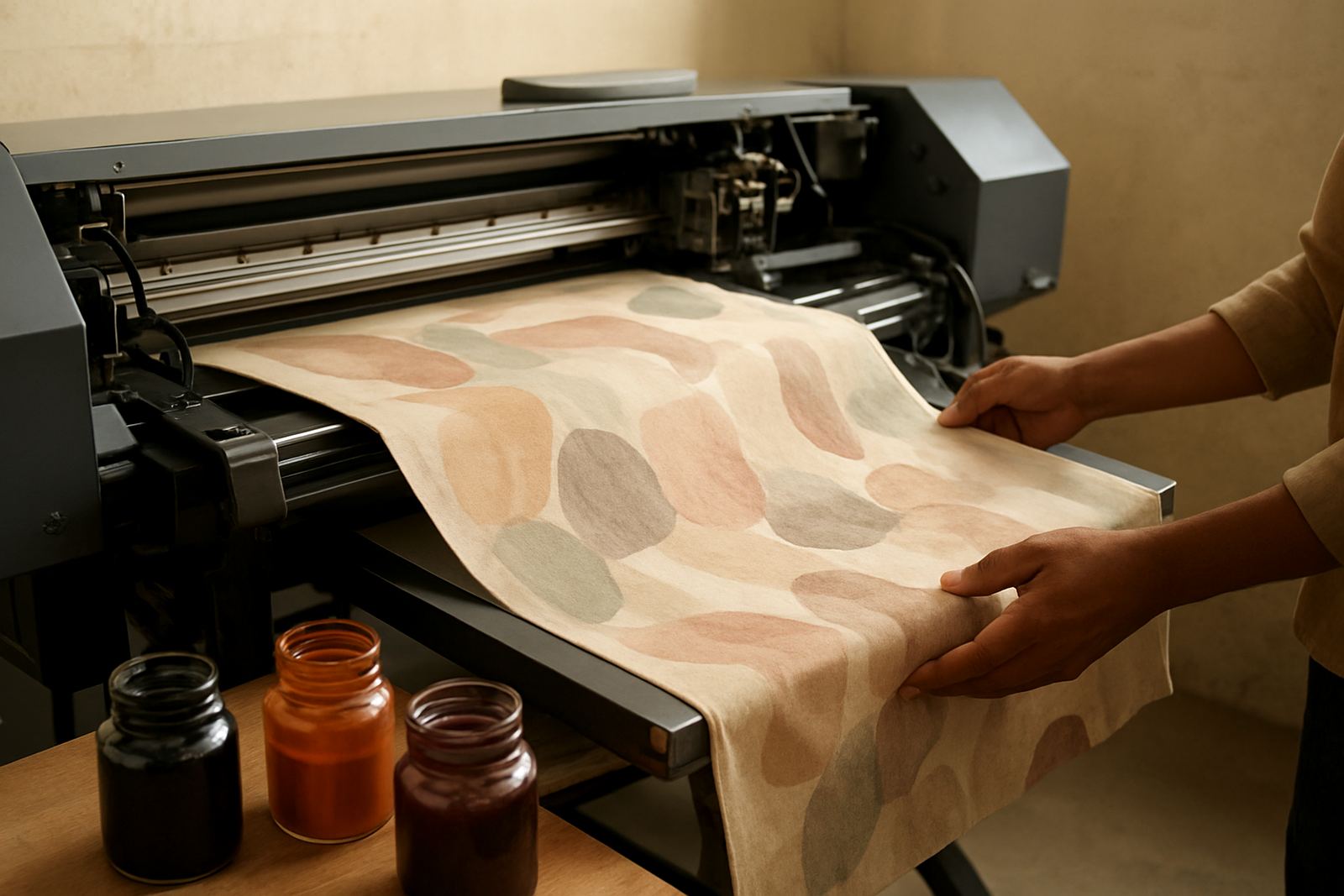
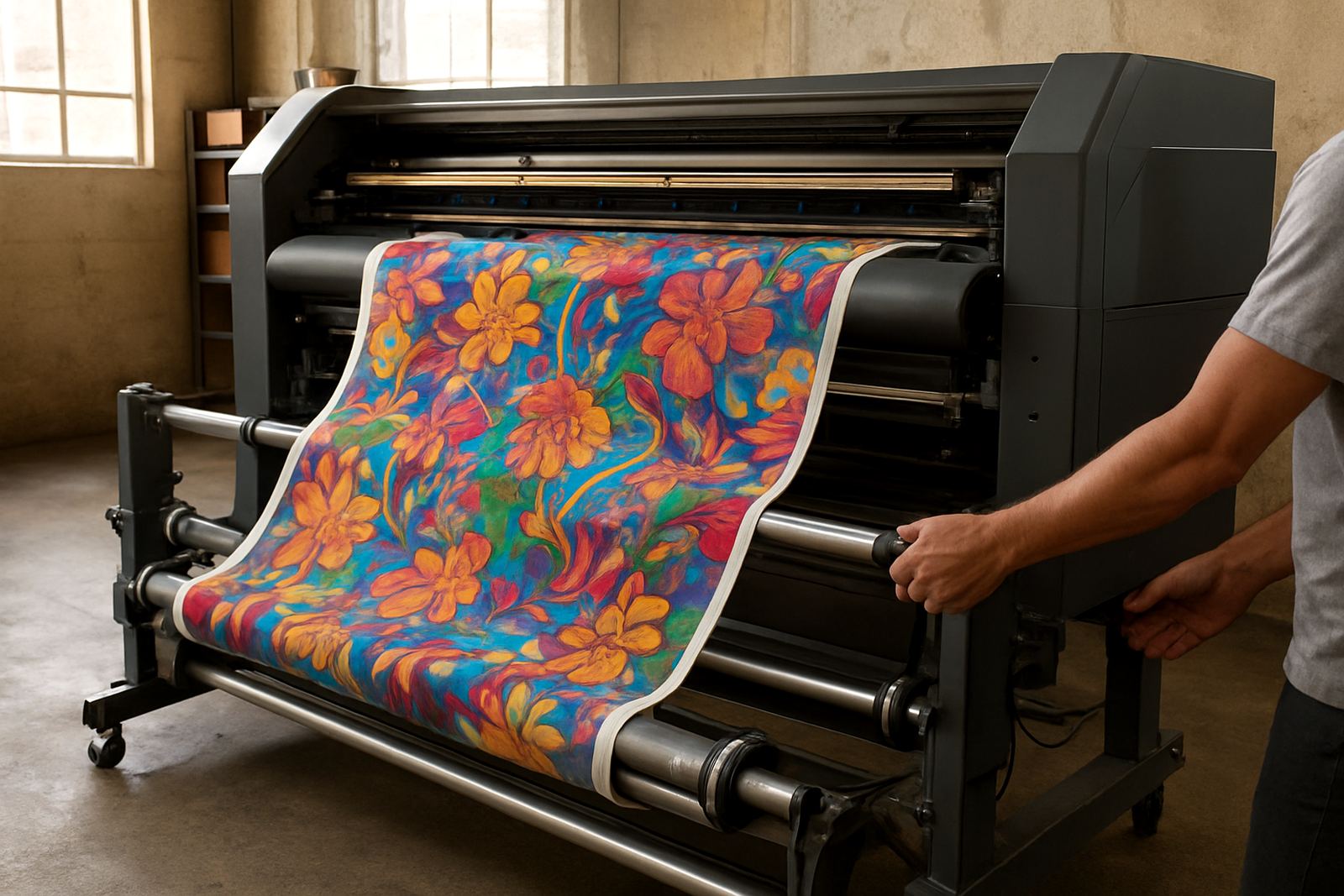
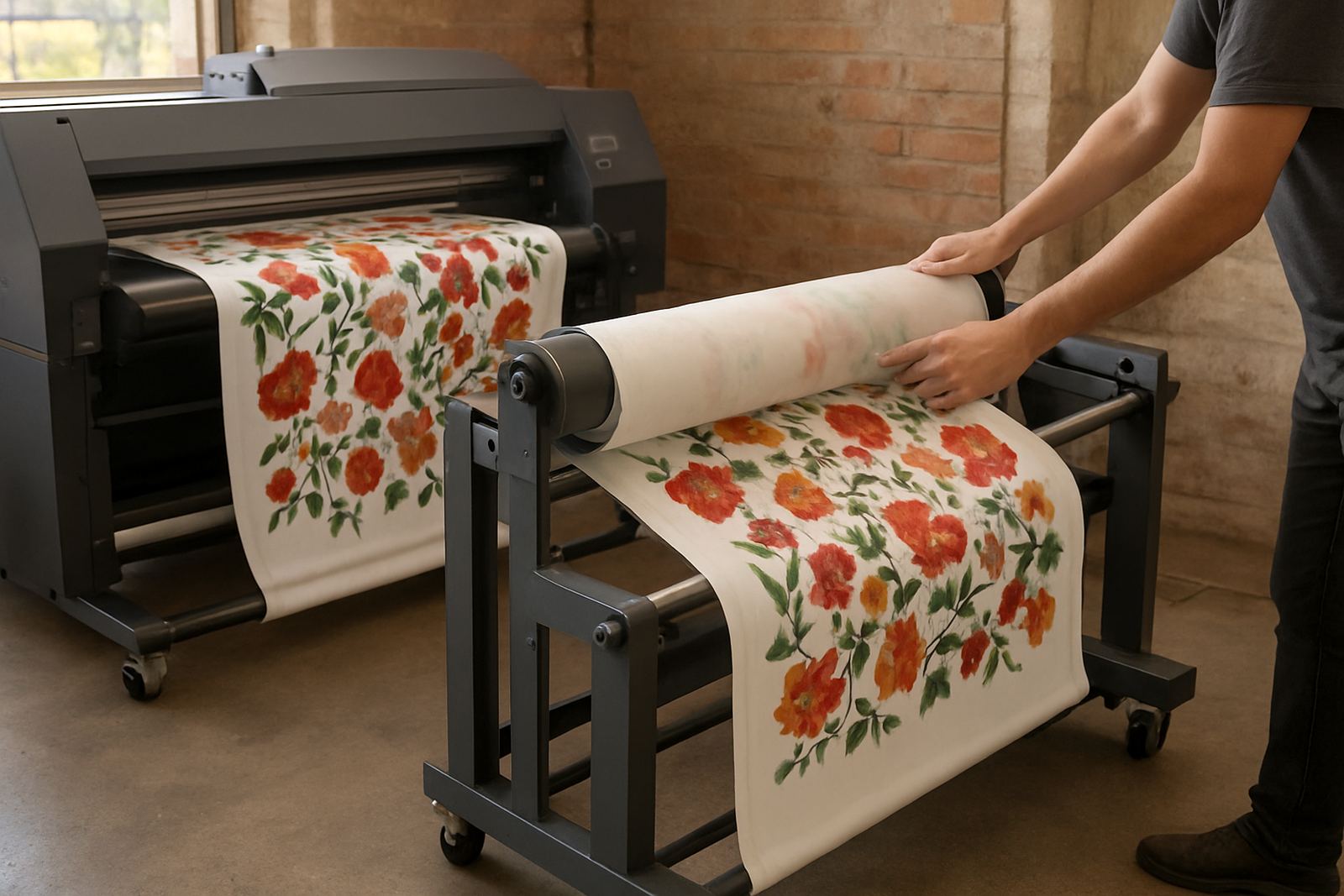
A take up system is a roll handling unit that collects printed fabric as it exits the printer or finishing line. Instead of letting the textile hang loose or pile on the floor, the system winds it onto a core at a steady rate. That helps protect the print, reduce creasing and keep the work area safer for operators.
For garment and textile businesses in Johannesburg, Pretoria, Durban, Cape Town and Bloemfontein, this matters when you are running back-to-back jobs or handling delicate fabric that can stretch while it is still warm. It also helps with colour consistency because the media feed stays more even from start to finish, which supports better registration on longer repeats.
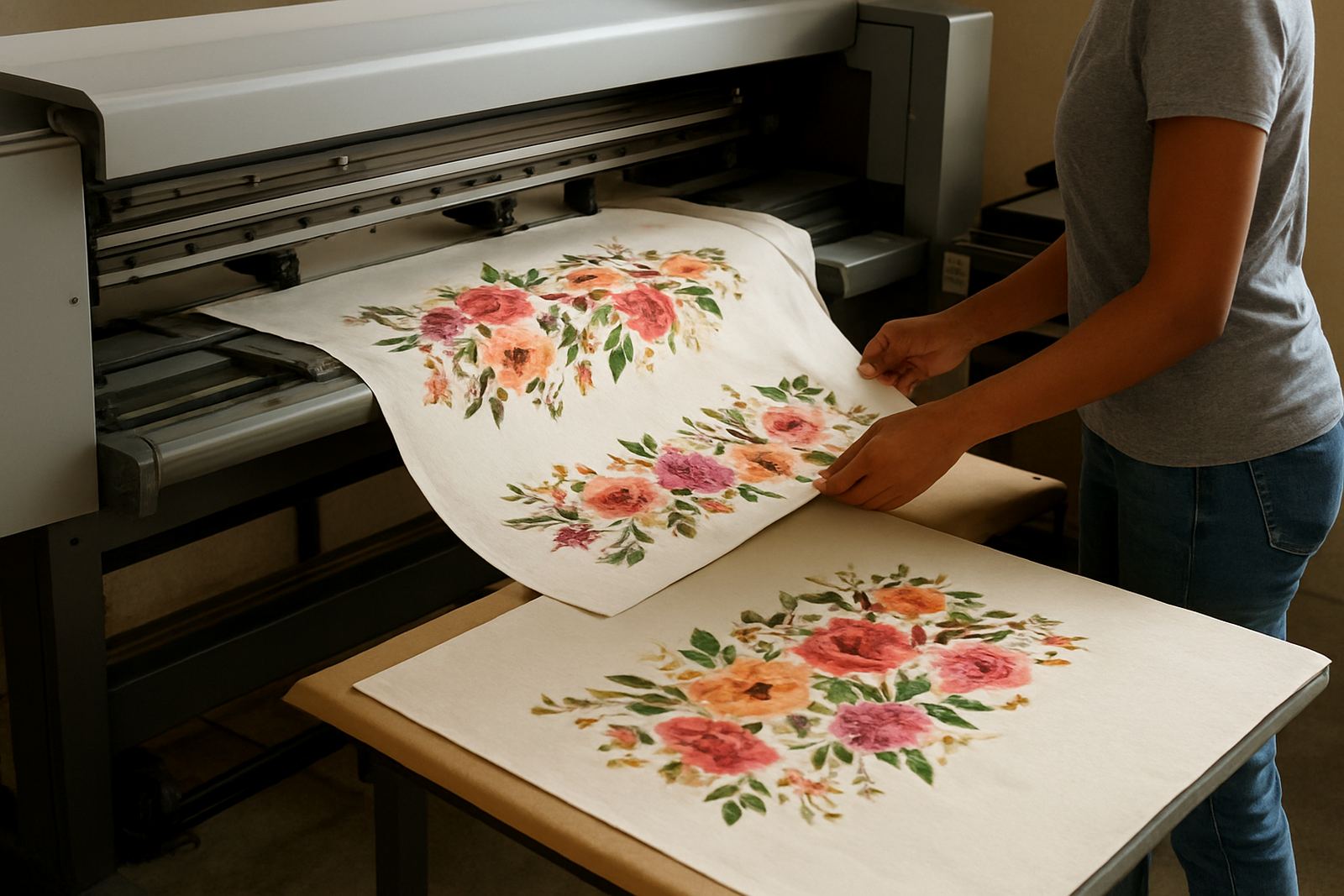
A take up system is especially useful where one person may be printing and finishing in the same room. Instead of stopping to gather loose fabric by hand, the roll is collected neatly and can be moved to drying, curing or cutting with less handling.
Typical Sizes, Drive Options and Roll Capacity
Take up systems are usually specified by the width of the printer and the weight of the fabric roll you want to handle. For smaller workshops, a compact unit can suit narrow rolls and lighter daily output. Larger units are better for broad textile media, longer production days and heavier rolls that build up quickly on the spindle.
- Common working widths: 1.3 m, 1.6 m, 1.8 m and 2.2 m
- Roll diameter range: often up to 250 mm to 400 mm, depending on model and core support
- Core sizes: 2 inch and 3 inch options are commonly used
- Speed control: variable speed to match printer output and keep tension even
- Drive type: electric driven systems are standard for steady winding
When matching a unit to your setup, check the actual printable width, the fabric weight and the longest job you expect to run in one shift. A system that is too light can start to slip or pull unevenly once the roll gets heavy. That can affect consitency on longer jobs and cause extra trimming later.
Where It Fits Best in South African Workshops
Take up systems suit direct-to-fabric printing rooms, small sublimation spaces and textile sample lines where output must stay clean and controlled. They are useful in shops printing for fashion labels, promotional textiles, soft signage and custom décor. In Durban and other coastal areas, keeping printed fabric off the floor also helps reduce exposure to moisture and dust while the roll cools.
These systems are a practical choice where load-shedding or limited floor space makes workflow planning important. If a team needs to stop and restart a job, the roll remains supported and easier to pick up again without causing marks at the end of the run. That can save material on longer orders and reduce operator strain.
- Ideal for repeat production runs
- Useful for wide fabric rolls and long metreage
- Helps when one operator manages the print and finish stages
- Supports cleaner handling in smaller rooms and shared work areas
Installation, Power and Practical Setup Needs
Most take up systems are installed alongside the printer or finishing line and need a stable frame, correct alignment and enough clearance for the roll to build evenly. The unit should sit level so the fabric tracks properly from the print path to the winding core. If it is mounted too high or too low, the roll can drift to one side and create uneven edges.
In a South African workshop, the basic power requirement is usually a standard single-phase supply, though the exact demand depends on the motor and control system. You should plan for a clean power source with surge protection, especially where municipal supply is unstable or where generator changeover happens often. No gas supply is normally needed for the take up system itself.
Allow enough room for loading and unloading cores, changing rolls and checking alignment. On busy production floors, a little extra space makes the job easier and safer. If the unit will sit near a heat press or curing area, keep clear separation so heat does not affect the fabric path or operator access.
Care, Servicing and What to Watch During Use
A take up system needs straightforward care but it should not be ignored. Dust, lint and adhesive residue can build up on rollers and guides over time. That can affect grip and tension, so regular wiping and inspection is worth doing. If the machine runs daily, a quick check before each shift is a good habit.
Look out for uneven winding, slipping at the spindle, noisy drive movement or roll edges that start to wander. Those are signs that the tension or alignment may need attention. If the fabric is delicate, the operator should avoid over-tight winding because that can leave marks or create a barrel shape in the finished roll.
- Clean rollers and guides with a soft dry cloth
- Check spindle locks and core fit before every run
- Inspect belts, fasteners and drive parts during servicing
- Keep the area clear of loose threads and offcuts
- Book preventive servicing if the unit is used daily
For businesses in humid or dusty areas, routine cleaning matters even more. A small issue left too long can turn into downtime, and that affects delivery dates fast.
What to Check Before You Place an Order
Before ordering a take up system, confirm the printer width, the fabric type you use most, the roll diameter you expect and the daily volume you want to handle. It also helps to know whether you will run light fashion fabric, heavier decorative textile or mixed jobs across the week. That tells you how much torque and support you need.
You should also check the core size, the drive control method and whether the unit is suited to your current layout. If you plan to move equipment later, mention that at the start so the mounting and alignment setup can be planned properly. Relocation is easier when the system is chosen with future space in mind.
- Printer width and available floor space
- Fabric weight and roll diameter
- Core size and winding direction
- Power access and cable routing
- Expected daily metreage
- Need for installation, training or remote support
For small garment and textile teams, the right take up system is not about adding complexity. It is about keeping the roll neat, reducing handling and helping every printed metre leave the machine in better shape.
Key facts
| Product type | Motorised roll take up system for fabric printing and finishing lines |
|---|---|
| Working widths | 1.3 m, 1.6 m, 1.8 m, 2.2 m options depending on setup |
| Core support | 2 inch and 3 inch core compatibility |
| Roll handling | Suitable for light to medium and heavier textile rolls |
| Power | Single-phase electric supply, model dependent |
| Control | Variable speed winding with tension adjustment |