Built for production runs, not just one-off samples
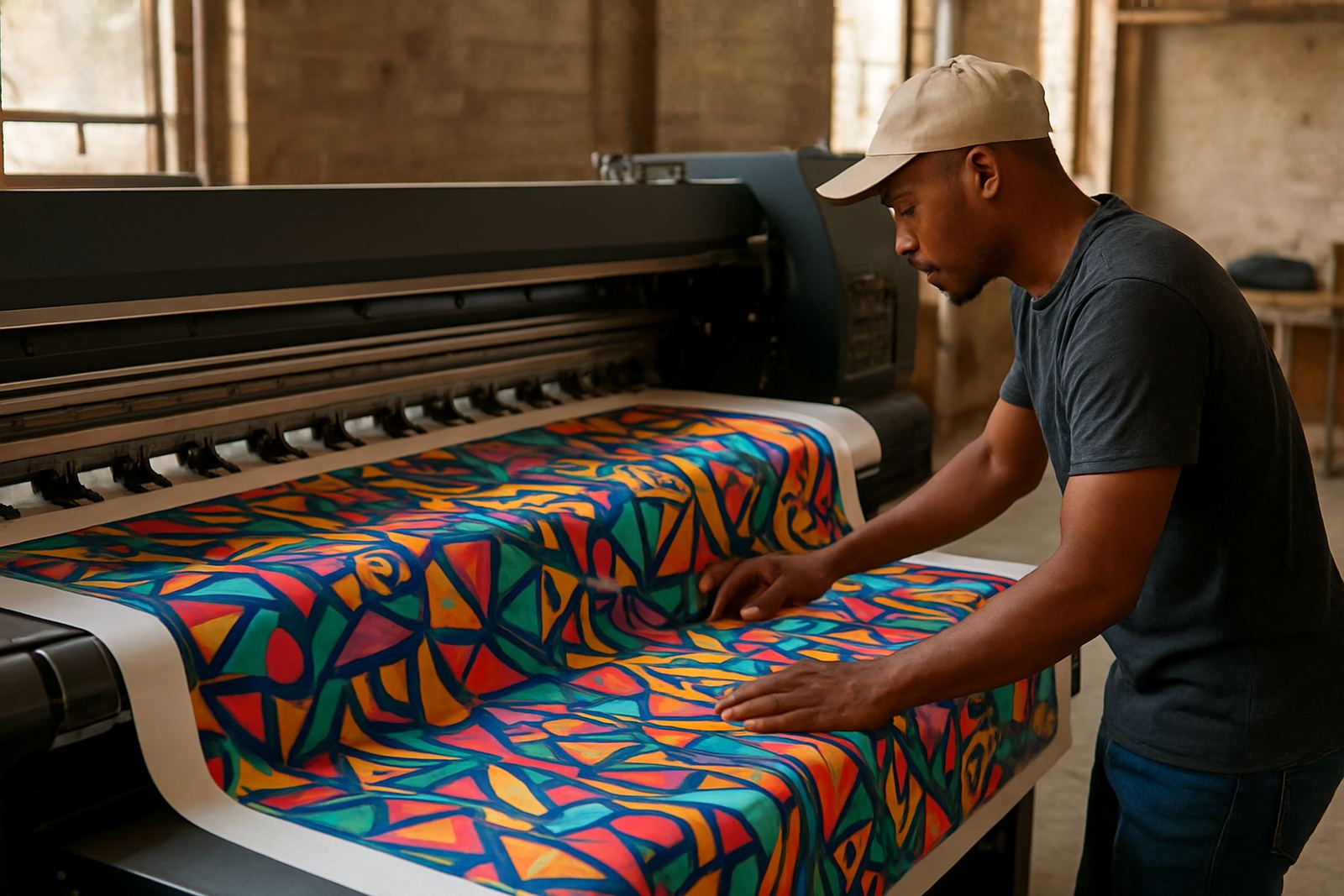
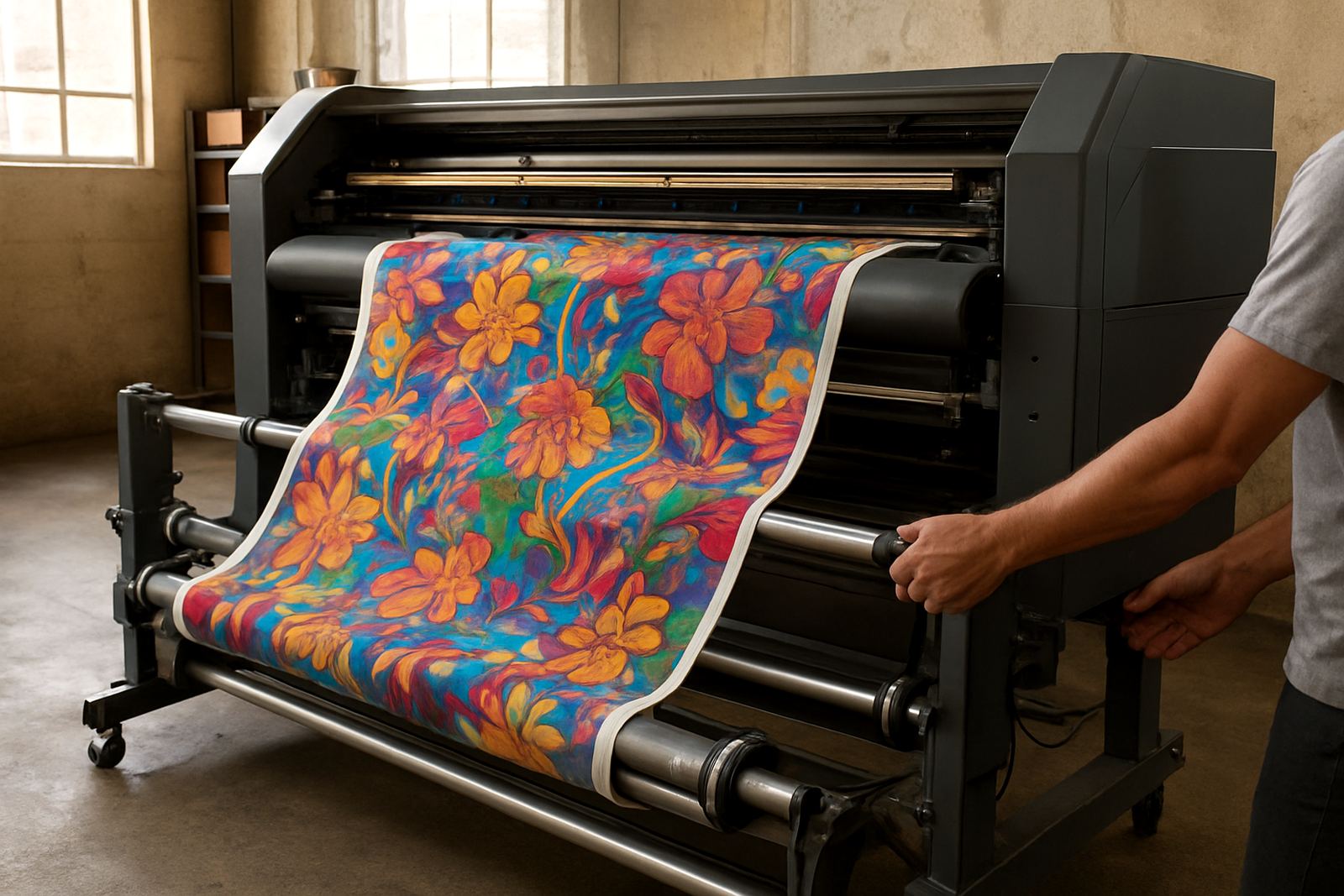
The High Speed Printer is a direct-to-fabric inkjet printer suited to businesses that already know their designs sell and now need to print more metres, more often. It is used by small factories, sampling rooms, fashion labels, curtain makers and textile decorators that want consistent output without moving straight into a large industrial line. For many clients in Germiston, Johannesburg and surrounding areas, it is the step between short test runs and proper daily production.
This type of machine is valued for speed, repeatability and detail. Fine linework, repeats, logos and full colour artwork can be printed on suitable fabric with good control over registration and density. It is practical for cotton, blends and other approved substrates depending on your ink set and pretreatment method. If your team is still printing a few metres at a time on a smaller unit, this model gives you more headroom for busy weeks and tighter deadlines.
- Designed for regular production, not hobby use
- Handles repeat orders and longer fabric lengths
- Useful for garment panels, home textiles and sample to bulk work
- Better fit for teams that need steadier output and less waiting
Sizes, print widths and configuration options
We supply the High Speed Printer in configurations that suit different floor spaces and output targets. The main choice is print width, because that affects what you can produce in one pass. A narrower machine can be enough for smaller work areas in Boksburg or Midrand, while a wider unit is better where you need more metreage per run and fewer joins.
Typical options include single or dual printhead setups, different ink channel arrangements and either manual or assisted media handling depending on the production requirement. If your team is printing garments panels, scarves, lining fabric or full-width textile panels, we will help match the machine to the job rather than over-specifying it.
- Print widths commonly available: 1.6 m, 1.8 m and 2.2 m
- Production speeds depend on resolution, pass count and fabric type
- Floor space and access routes must allow for loading, cleaning and service access
- Options can include fabric feed support, drying support and colour management tools
For most small factories, the practical question is not only how fast the machine prints, but how easily it fits into the room and the workflow. A machine that cannot be loaded safely, cleaned properly or serviced easily will slow you down over time.
Where this printer fits best in South African production
This model suits small businesses that are moving from design sampling into routine orders. It is a strong fit for fashion houses in Johannesburg, promotional textile work in Pretoria, soft furnishing production in Cape Town, and small garment factories in Durban or Bloemfontein that need dependable fabric output without overcomplicating the process. It also works well where turnaround matters and customers expect printed fabric within short lead times.
Coastal humidity, dust and power interruptions are part of the reality in South Africa, so the working environment matters. In Durban or Cape Town, you need to think about drying, ink storage and humidity control. In Johannesburg and Germiston, dust and airflow are often the bigger issue. The machine should sit in a clean room with stable temperature and enough space for fabric handling, especially when printing longer runs.
- Best for small factories that already have regular orders
- Useful where sample approval moves quickly into production
- Suitable for shops printing on demand for local clients
- Can support both fashion and textile homeware work
Installation, power and working conditions
Installation is part of the buying decision. The High Speed Printer needs a stable electrical supply, a level floor and enough clear working space for loading, maintenance and finished roll movement. Many sites use standard single or three phase supply depending on the final configuration, and we check this during planning so there are no surprises when the machine arrives. Where the building has load-shedding issues, a backup plan is needed for the computer, controls and any supporting equipment.
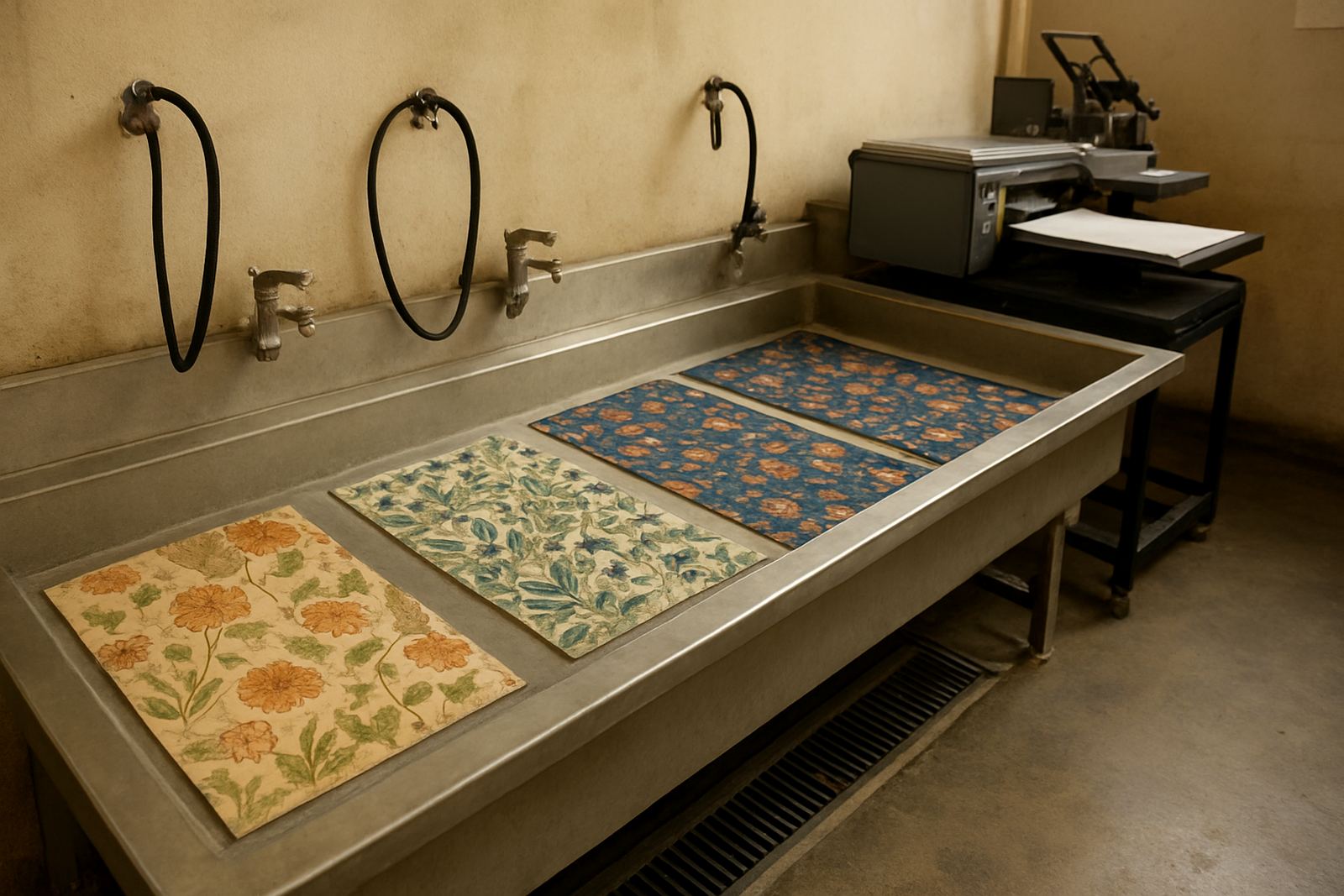
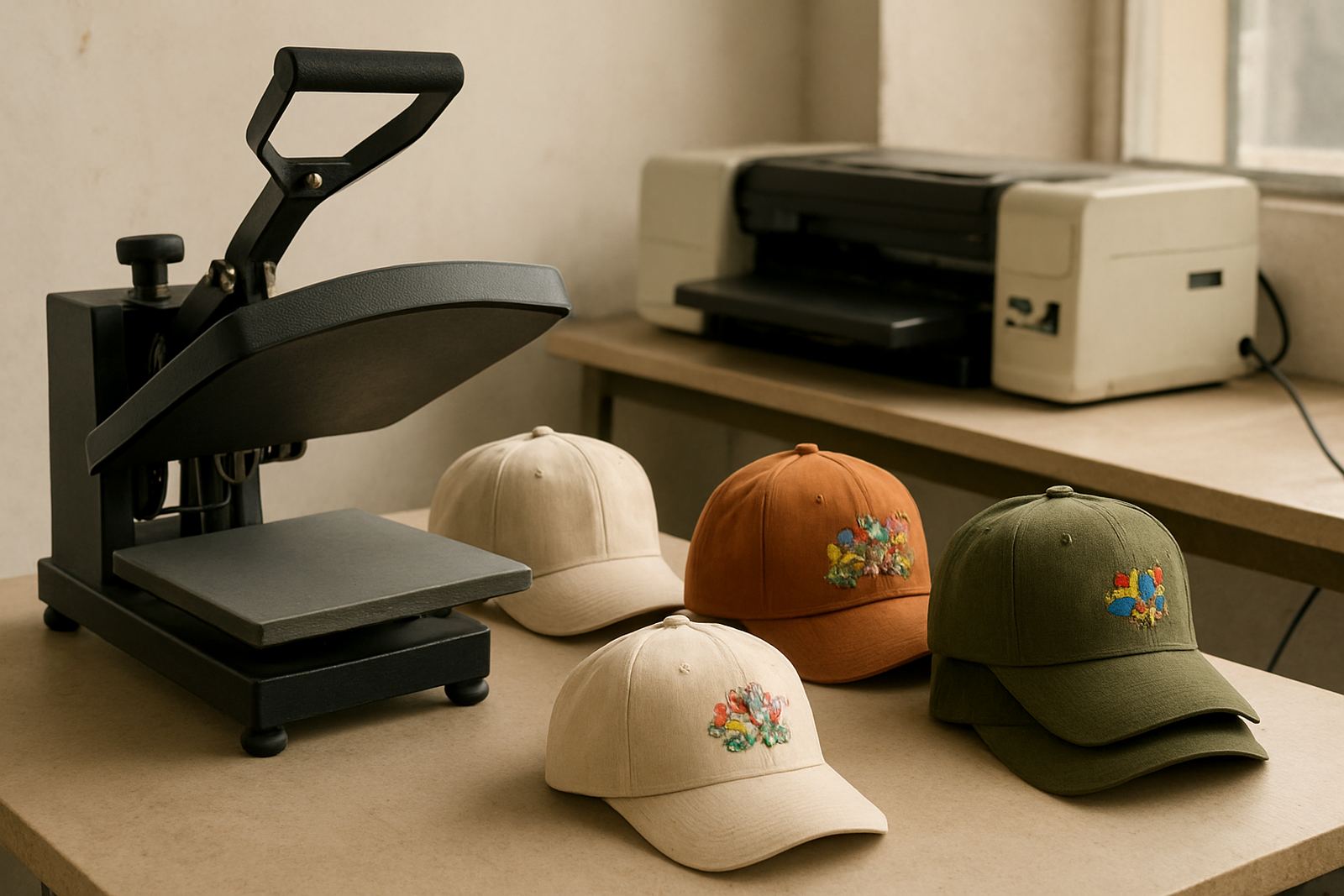
Power quality matters. Printer electronics do not like voltage dips, and fabric production does not respond well to sudden stoppages in the middle of a run. For that reason we advise surge protection and, where necessary, supported power for the control station. In some factories, the heat press and pre-treatment area must also be planned around the same supply so the whole workflow keeps moving.
- Needs stable mains power with protection against spikes and dips
- Install on a level floor with space for fabric loading and servicing
- Keep dust, moisture and direct sunlight away from the printer area
- Allow room for ventilation, drying and safe operator movement
We handle machine installation, operator training and remote troubleshooting across South Africa. For clients outside Germiston, we also help plan the site so the printer arrives with the right power and room conditions. That reduces first-day delays and keeps the handover practical.
Care, cleaning and ongoing servicing
A high speed fabric printer must be cleaned regularly if you want steady output. Ink systems, printheads and feed paths all need attention, especially when the machine is used daily or when a factory has long breaks between jobs. Preventive servicing is cheaper than breakdown work, and it also helps keep colour stable from batch to batch.
Daily care usually includes simple checks, wiping the correct areas, monitoring ink levels and making sure the fabric path stays clean. Weekly or monthly tasks can include printhead cleaning, ink system flushing and checks on alignment and nozzle performance. If your work involves reactive textiles or dusty fabric, you may need more frequent inspection. Coastal humidity can also affect storage and drying, so ink and media should be kept in proper conditions.
- Scheduled preventive servicing extends machine life
- Printhead cleaning helps maintain detail and shade consistency
- Ink system flushing is important after long downtime or changeovers
- Maintenance contracts are useful for active production sites
We supply spare parts, carry out breakdown repairs and assist with production audits when a site is not getting the output it should. In many cases the issue is not the printer itself but how it is being fed, cleaned or managed day to day. A simple service visit can save a full week of lost production.
What to confirm before you place an order
Before ordering a High Speed Printer, it helps to confirm exactly what you are printing and how often. The right machine depends on fabric type, average roll length, expected daily output and the level of finish your customers expect. A business that prints 20 metres a day has very different needs from one that wants 200 metres a day, even if both want sharp colour and clean detail.
You should also check your room size, power availability, operator experience and drying setup. If you already have a heat press, pretreatment workflow or existing colour workflow, tell us what you are using. That helps us match the printer to the rest of your process and avoid gaps after installation. A lot of issues come from missing parts of the workflow, not the machine itself.
- What fabrics you print most often
- Average metres per day and peak monthly output
- Available floor space, door access and electrical supply
- Whether you need training, servicing and relocation support
Clients can reach us through the enquiry form on our contact page. From Wadeville, Germiston, we support small garment and textile businesses across Johannesburg, Pretoria, Durban, Cape Town and Bloemfontein, with help also available in Boksburg and Midrand.
Key facts
| Product type | Direct-to-fabric inkjet printer for production use |
|---|---|
| Print widths | 1.6 m, 1.8 m or 2.2 m configurations |
| Use case | Sampling to regular production for small garment and textile businesses |
| Power requirement | Stable mains supply with surge protection; final setup depends on configuration |
| Support services | Installation, training, colour profiling, repairs and maintenance contracts |
| Coverage | South Africa wide with support from Germiston, Johannesburg, Pretoria, Durban, Cape Town and Bloemfontein |