What a cap press does in a busy workshop
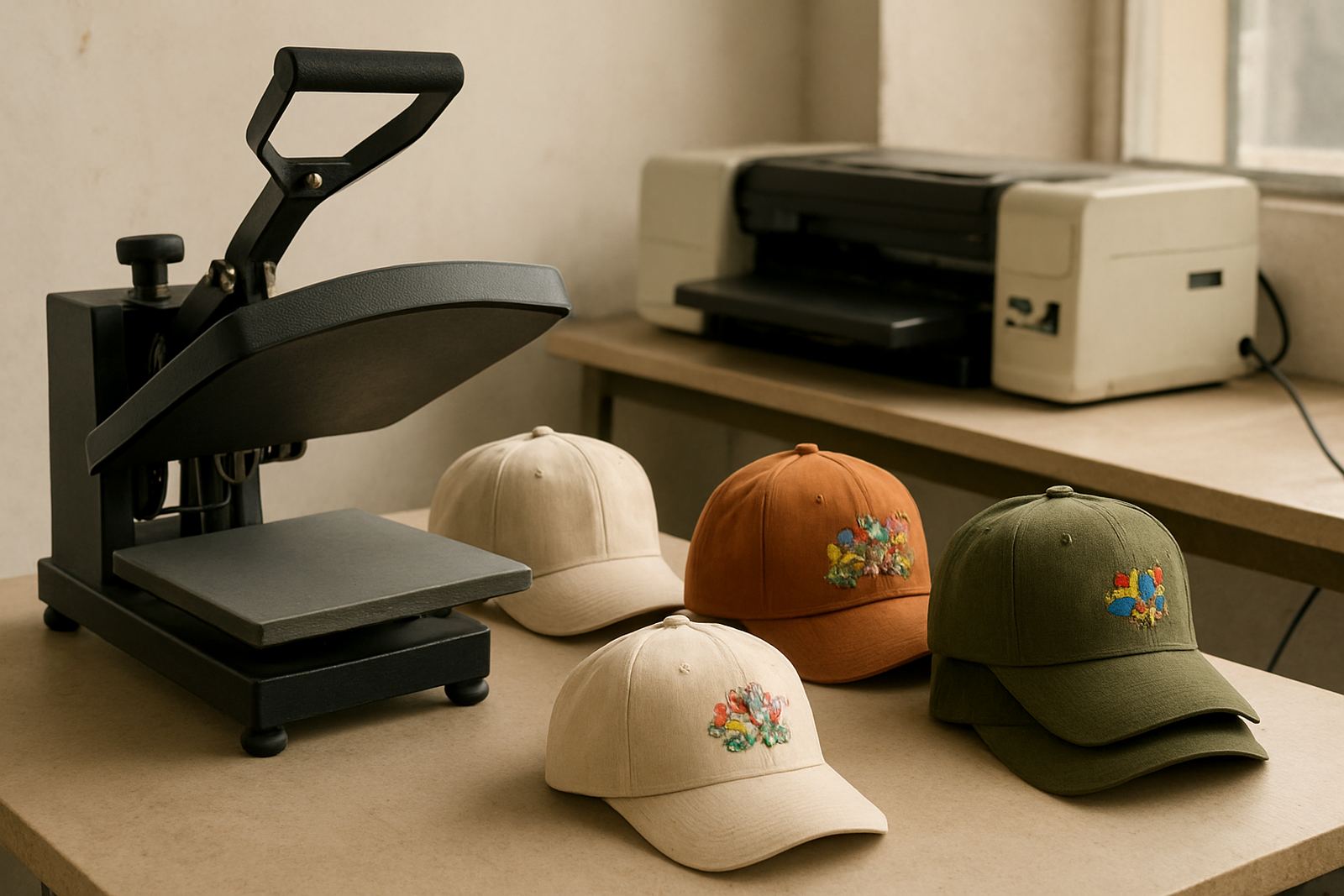
A cap press is made for curved headwear, so the platen shape follows the front panel of a cap instead of flattening it like a general flat press would. That matters when you are applying transfers, vinyl, sublimation blanks or heat-applied emblems to items that need a neat finish around seams and stitching.
In a South African workshop, this is a practical machine for short runs and custom work. You can produce team caps for schools, event crews, promotions and retail orders without needing a big floor area. The press gives focused heat and controlled pressure, which helps with clean edges and consistent bond strength.
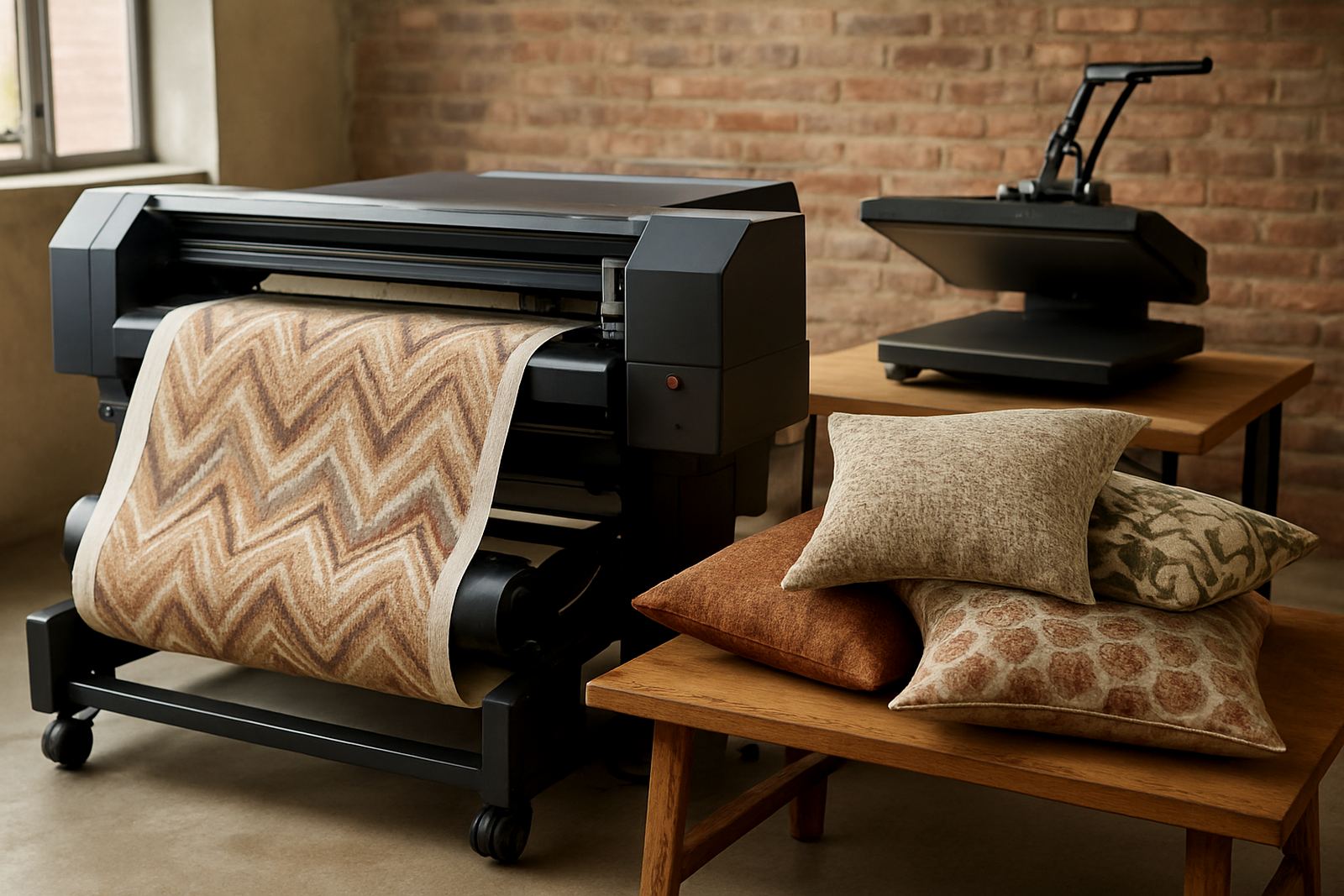
For many small operators, a cap press becomes part of a wider workflow alongside a garment printer and flat heat press. It is a simple way to add value to caps and branded accessories without taking on a large production line.
Sizes and options to match your cap work
Cap presses are usually supplied as a compact single-station unit with a curved upper platen and a lower mould that supports the cap crown. Some units are manual swing style, while others use a clamshell action. The right choice depends on your volume, the type of caps you print and how often you change between jobs.
- Curved platen designed for front panel printing
- Adjustable pressure control for different cap thicknesses
- Digital temperature and timer control
- Heat resistant mould to hold the cap in position
- Compact footprint for small studios and home-based setups
- Optional interchangeable lower moulds on some models
Most shops use one standard size for adult caps and a second setup for youth headwear if they do a lot of school or sports work. If you are working with thicker structured caps, check that the press opens wide enough and that the pressure setting can be fine-tuned without crushing the front panel.
Where a cap press fits best
This machine suits embroidery shops that want to add heat-applied branding, textile studios doing short custom runs, and clothing businesses that supply promotional headwear. It also works well for side businesses trading from a home workshop, especially where space is limited and power must be kept simple.
In areas like Germiston, Johannesburg, Pretoria and Boksburg, many small operators use cap presses for event work, uniform orders and retail customisation. On the coast in Durban or Cape Town, it is also worth keeping the machine in a dry room or near a dehumidified storage area, because moisture can affect transfer storage and adhesive performance.
For businesses that face load-shedding, the cap press is still manageable because it draws modest power compared with large industrial equipment. It is best used on a stable circuit with proper surge protection, and if you run a heat press room with other machines then load planning matters.
Installation, power and workshop setup
Most cap presses are plug-in units and do not need gas. They work from standard single-phase electricity, which makes them straightforward for small factories, garages and retail back rooms. A dedicated socket on a properly rated circuit is recommended, especially if the press will run beside other heating equipment.
Before installation, make sure the workbench is level and heat resistant. The operator should have enough room to rotate caps in and out without knocking the press or stretching the brim. Good ventilation is also useful, particularly when applying transfers that release vapours at high temperature.
Typical setup checks include:
- Stable single-phase power supply
- Surge protection for load-shedding recovery
- Heat resistant bench surface
- Clear workspace for cap loading and unloading
- Access to a dry storage area for consumables
Our team can help with machine installation, operator training and remote troubleshooting so the press is set up correctly from day one. If the press is being moved between sites, relocation support is available to reduce damage to heaters, cables and control panels.
Care, servicing and daily handling
A cap press stays accurate when the platen stays clean and the pressure mechanism is checked often. Wipe away adhesive residue when the machine is cool, and do not use sharp tools on the coated surfaces. If the cap mould or bracket loosens over time, the finish will suffer and the pressure can become uneven.
Preventive servicing helps extend heater life and avoids unnecessary downtime. We recommend regular inspection of wiring, hinges, control accuracy and pressure adjustment points. In dusty workshops or places with frequent power interruptions, it is wise to monitor the timer and temperature readings more often than usual.
If transfers start lifting at the edges or the finish looks patchy, the cause may be temperature drift, low pressure or dirty platen surfaces. A quick check now can save spoiled stock later. For shops doing higher volumes, maintenance contracts and breakdown repairs are useful to keep production moving.
What to check before you place an order
Before ordering a cap press, think about the cap styles you sell, the print method you use and how much volume you handle each week. Structured peak caps, soft panels and fitted headwear can all need slightly different handling. If you work with teamwear, ask whether the press can cope with thick seams and heavier fabrics.
You should also check the temperature range, timer accuracy and available pressure adjustment. For busy production, colour consistency across repeat jobs matters too, especially if your transfers or printed elements have to match a brand standard. If you are combining the press with inks, media or direct-to-fabric output, it helps to have a clear workflow from print to finish.
- Cap style and crown depth
- Power available at the site
- Type of heat-applied material you use
- Expected daily order volume
- Space for safe loading and cooling
- Need for training, servicing or relocation later on
We support businesses across Johannesburg, Pretoria, Durban, Cape Town and Bloemfontein, with service coverage in Germiston, Boksburg and Midrand as well. If you need guidance on the right press for your work, submit an enquiry through our contact page and our team will assist with the practical details.
Key facts
| Machine type | Dedicated heat press for curved headwear |
|---|---|
| Power | Single-phase electricity, typically 220V to 240V |
| Temperature range | Adjustable digital control for heat-applied transfers |
| Control system | Timer and temperature display with manual pressure adjustment |
| Footprint | Compact bench-top unit for small workshops |
| Best use | Caps, headwear branding and small accessory production |