What the Studio Fabric Printer is built for
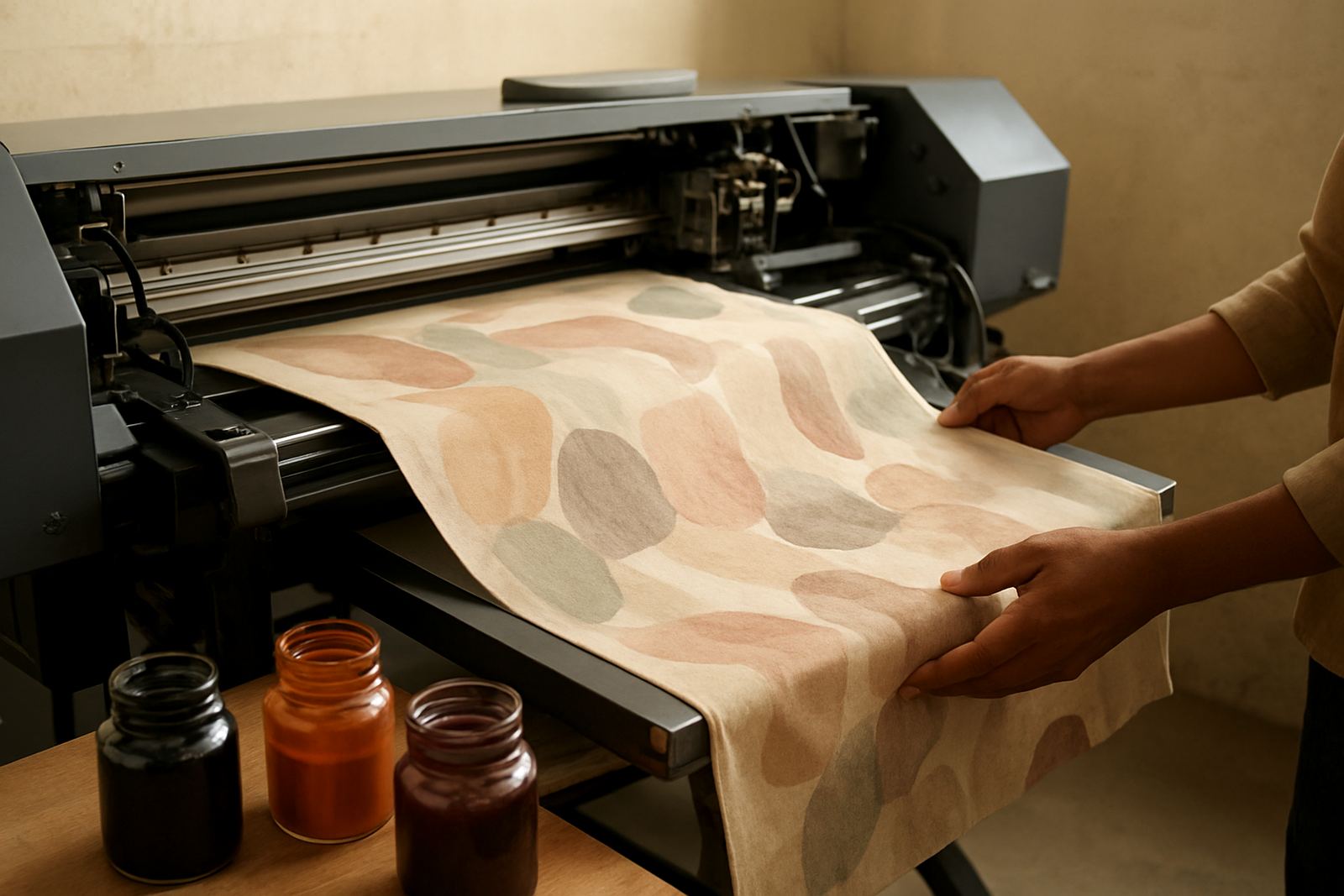
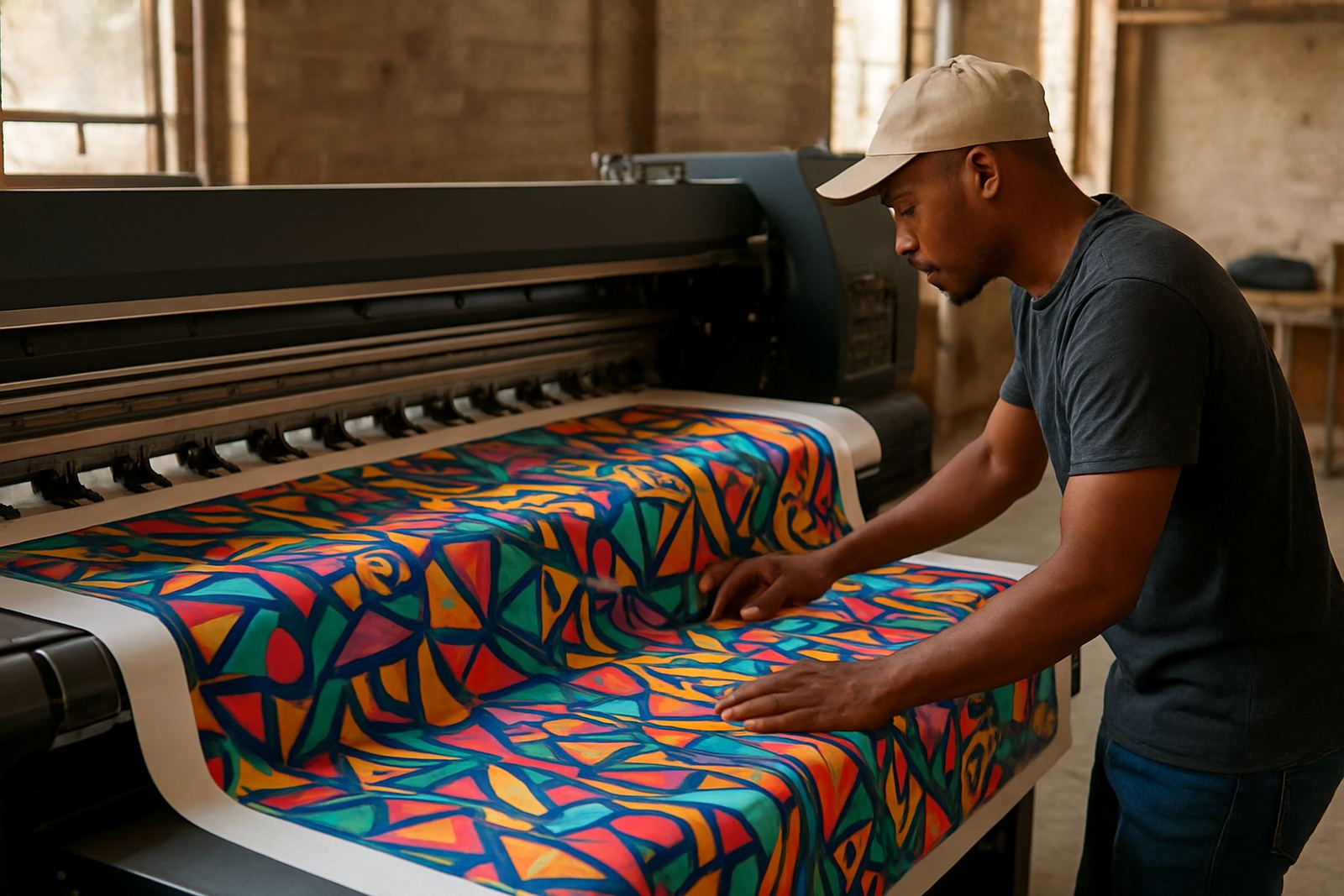
The Studio Fabric Printer is made for businesses that have moved past sampling and need a machine that can keep producing through the week. It is a practical choice for boutiques, small studios and makers working with cotton, polycotton, polyester blends and other prepared textile bases. The focus is on stable colour, neat edge definition and output that stays consistent from the first metre to the last.
In a South African workshop, that matters. Power cuts, humidity on the coast, dust in the yard and urgent customer orders can all affect print quality. This unit is set up for daily use with controls that are easy to learn, plus support for regular maintenance so the machine stays productive. It gives a small team the ability to handle short runs, custom orders and repeat colour work without overbuying on floor space or power demand.
The machine suits production where the work is measured in metres and finished garments, not industrial rolls all day. If you need dependable output for shirts, dresses, scarves, linings, fashion panels or promotional textile pieces, this model sits in that middle ground between entry level and full factory scale.
Production sizes and configuration options
The Studio Fabric Printer is available in practical width and speed combinations so you can match the machine to your current workload. Most buyers look at the usable print width, number of printheads and the ink set first, because these decide how quickly orders move through the workshop.
- Usable print width: 1.6 m or 1.8 m options
- Print resolution: up to 1200 dpi, depending on media and pass settings
- Production speed: suitable for short runs and daily workshop output
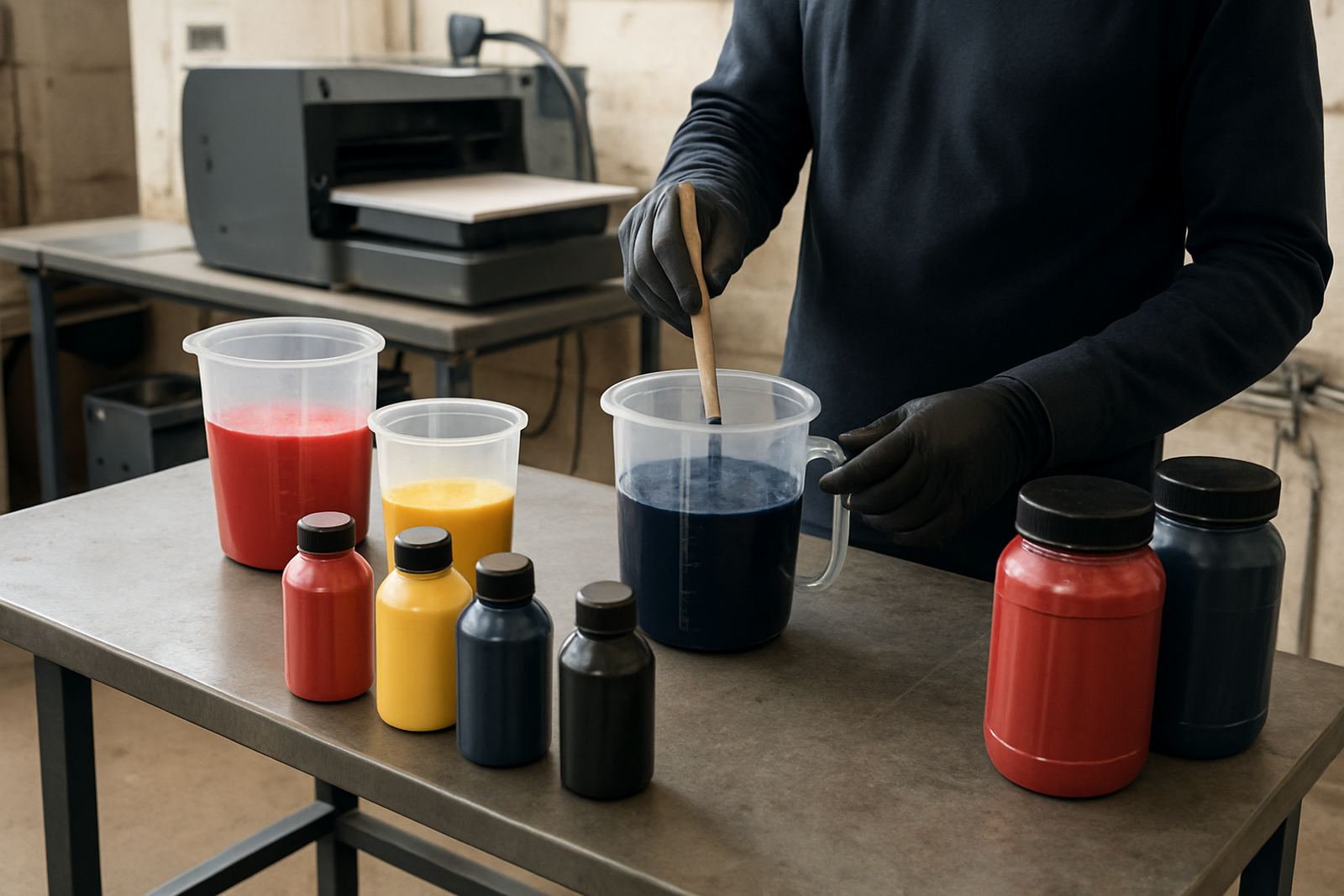
- Ink set: textile pigment or reactive setup, depending on fabric and curing process
- Feed and take-up: motorised media handling for straighter runs and less waste
- Software support: RIP-compatible workflow for repeat colour and layout control
For many boutique clients, the 1.6 m version is enough for clothing panels and smaller textile jobs, while the 1.8 m version gives more flexibility for wider fashion pieces and larger repeats. The right choice depends on your fabric widths, how many orders you turn around each day and whether you are printing mostly cut pieces or full-length textile rolls. If you are working from Wadeville, Germiston or nearby industrial areas, we also take into account space for loading, drying and safe movement around the machine.
Where it fits in the workshop
This unit suits businesses that need more than a sample printer but do not yet need heavy industrial capacity. It works well in boutique fashion houses, print studios, clothing brands, home textile workshops and small contract production spaces. Many clients use it for seasonal collections, personalised garments, sample yardage and repeat ranges that must match colour every time.
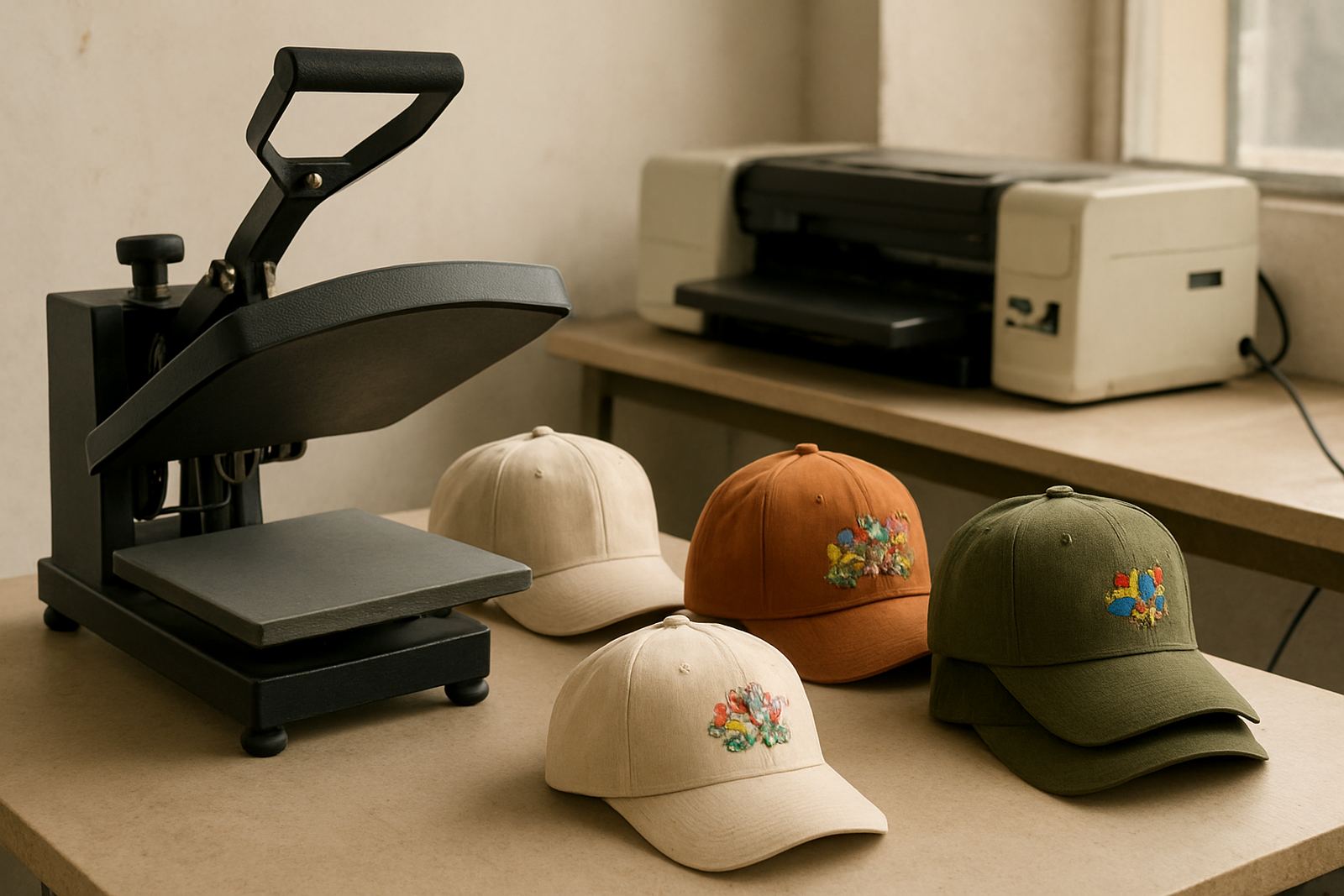
It is also a good fit for workshops that operate in a mixed production flow. A team can print, heat set or cure, cut and then move into finishing without having to handle a machine that is too large for the room. The footprint is manageable, and that helps when you are sharing space with cutting tables, drying racks and packing areas. In smaller premises the layout matters almost as much as the machine itself.
- Best for daily output rather than occasional hobby use
- Suitable for fashion, interior textile and promotional fabric work
- Useful where colour matching and repeat orders matter
- Works well for small teams with one main operator and one support person
If your orders come from Johannesburg, Pretoria, Durban, Cape Town or Bloemfontein, this model gives you a local production base that can respond quickly without needing a very large team. It is especially practical for businesses that want to grow gradually and keep control of their own turnaround times.
Installation, power and site preparation
Proper installation makes a big difference to print quality and long-term reliability. Before delivery, the floor should be level, clean and able to carry the machine plus the drying and finishing equipment around it. The room needs good ventilation, dust control and enough space for fabric loading, output handling and maintenance access. If the workshop is near the coast, moisture control becomes even more important because humidity can affect ink behaviour and fabric handling.
Power needs depend on the final configuration, but the machine should be placed on a stable electrical supply with surge protection and backup planning for load-shedding. Many South African workshops run a UPS for controls and clean shutdown, while production sites with frequent outages often plan a generator or inverter solution for the wider line. Heating and curing equipment may need separate power considerations, so it is worth checking the full setup before ordering.
- Stable level floor and clear access to the unit
- Ventilation for heat, vapour and general workshop comfort
- Surge protection and a backup plan for load-shedding
- Space for media storage, drying and finishing
- Electrical checks before commissioning
Our team can assist with machine installation and site checks in Germiston, Johannesburg, Pretoria and nearby service areas, with remote support available for clients further afield. A good first setup saves time later and reduces the risk of misfeeds, uneven colour and avoidable downtime.
Care, cleaning and servicing that keeps output steady
Fabric printing equipment needs routine care if you want steady colour and clean lines. Daily nozzle checks, head cleaning and safe shutdown procedures help prevent clogs and weak prints. In a workshop that runs often, small tasks done every day are usually cheaper than a breakdown repair later.
Coastal humidity, dust from loading bays and long idle periods can all affect the ink system. That is why preventive servicing matters. We recommend scheduled checks on printheads, ink lines, pumps, wipers and the feed system, plus ink system flushing when a machine has been sitting unused or changing between materials. If your workshop has busy seasons and quiet seasons, that schedule should be adjusted accordingly.
- Daily nozzle checks and basic cleaning
- Regular printhead cleaning and ink system flushing
- Preventive servicing at planned intervals
- Spare parts kept on hand for common wear items
- Remote troubleshooting for fast diagnosis before a visit
A well-kept machine gives more predictable colour profiling too, which is important when customers want repeat orders in the same shade. For many boutiques this is what protects the reputation of the brand and keeps returns down. It is not glamorous work, but it pays for itself in fewer stoppages and less wasted fabric.
What to check before you place an order
Before you order a Studio Fabric Printer, check your fabric mix, daily metre target, available floor space and whether your finishing process is already in place. It is also important to know whether you will print on pre-treated fabric, what curing method you will use, and who will operate the machine day to day. These details help match the unit to your actual production rather than the plan on paper.
Ask about the print width you need, the type of ink that suits your fabric, and the support you want after installation. If you are running a boutique in Midrand, a textile studio in Boksburg or a fashion business in Cape Town, the practical questions are usually the same: how much can it print, how fast can it run, and how much training will the team need. It is worth checking those points clearly before you commit.
Also confirm service access, spare parts supply and training on colour control. If your orders involve repeat ranges or client-approved shades, colour profiling should be part of the setup from the start. The right machine is not only about print quality, it is also about whether your team can keep using it confidently after the first month.
Key facts
| Machine type | Mid-size direct-to-fabric inkjet production unit |
|---|---|
| Usable print width | 1.6 m or 1.8 m options |
| Print quality | Up to 1200 dpi depending on mode and media |
| Recommended use | Boutiques, small garment studios and textile workshops |
| Power needs | Stable electrical supply with surge protection and backup planning |
| Support available | Installation, training, servicing, repairs and remote troubleshooting |