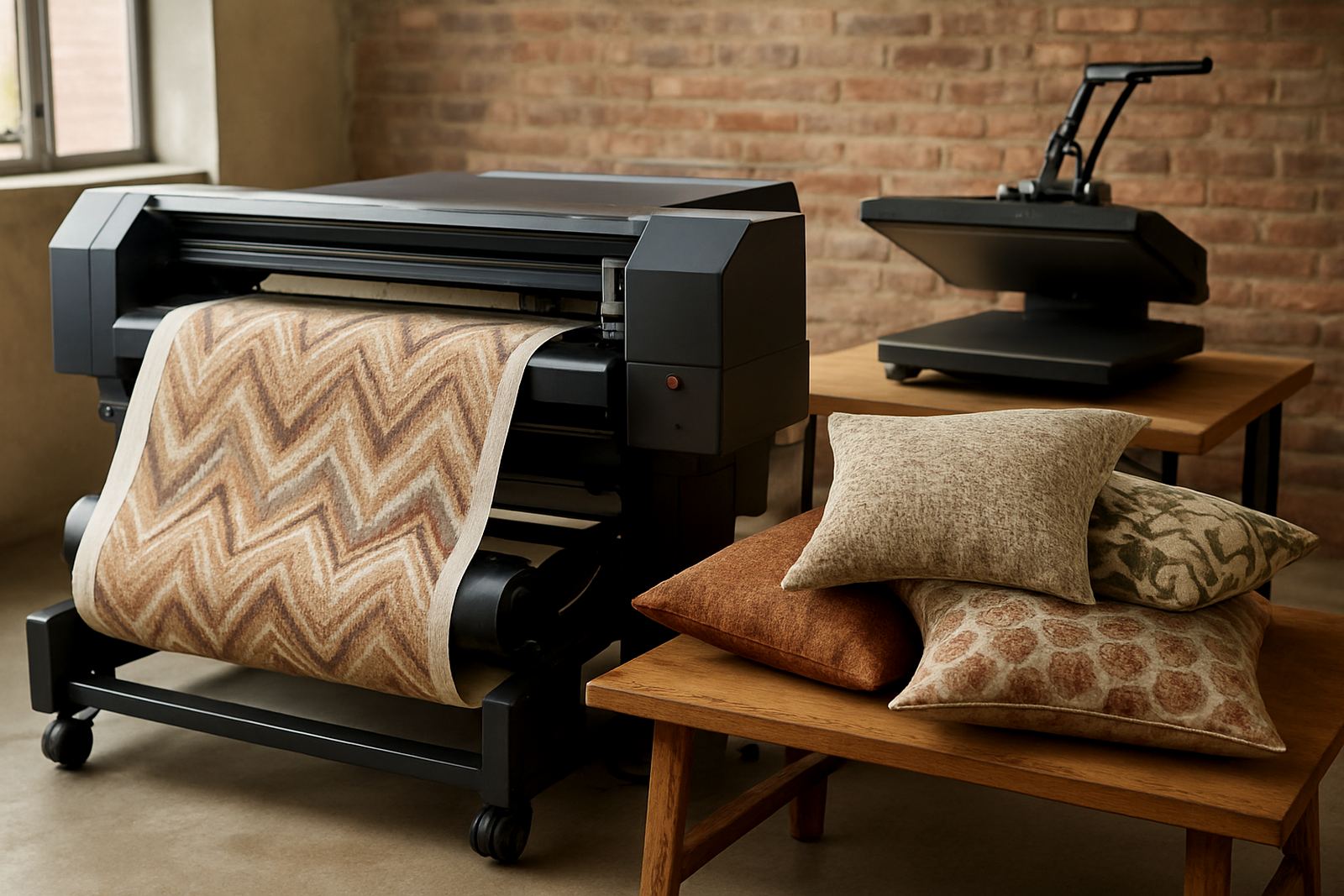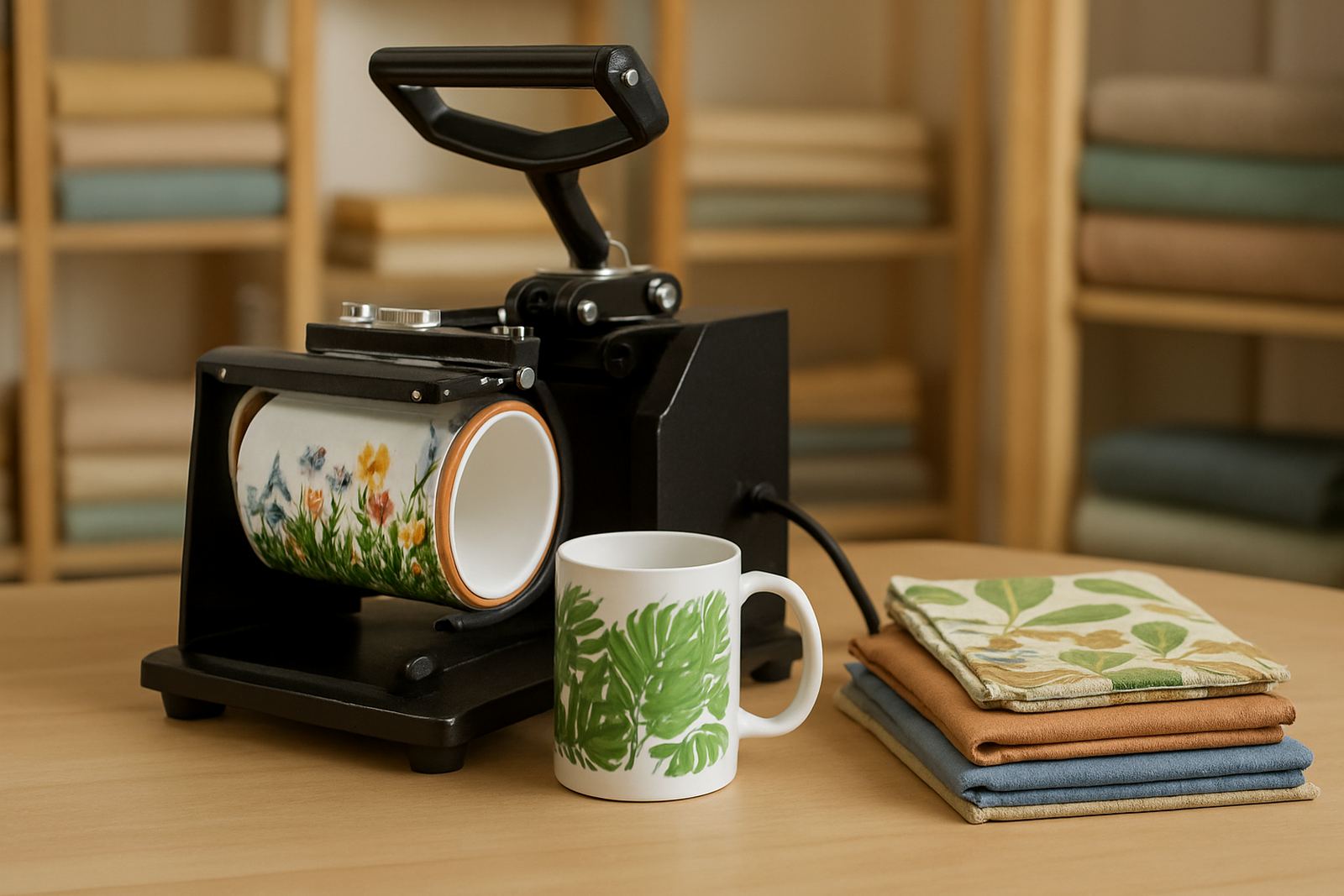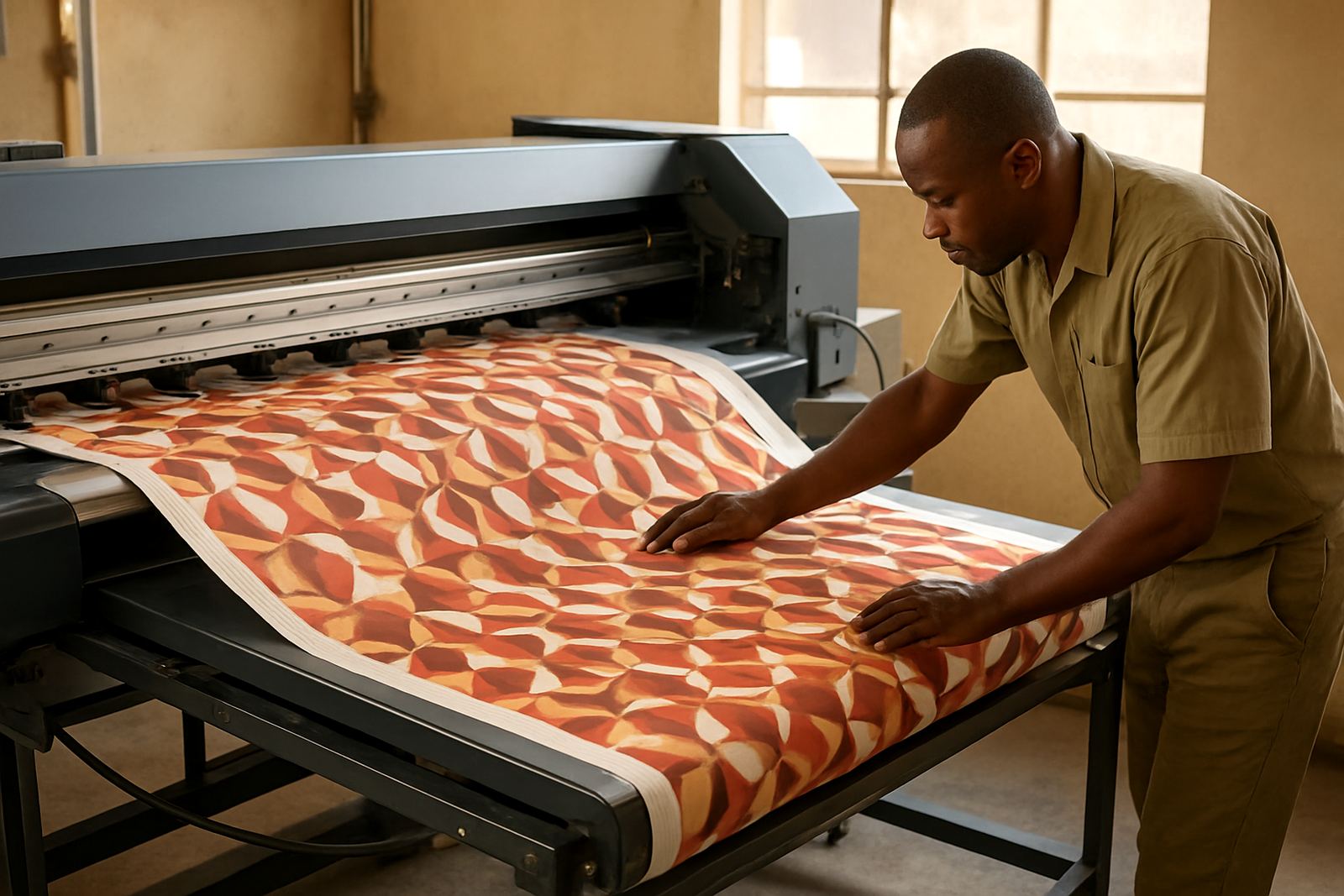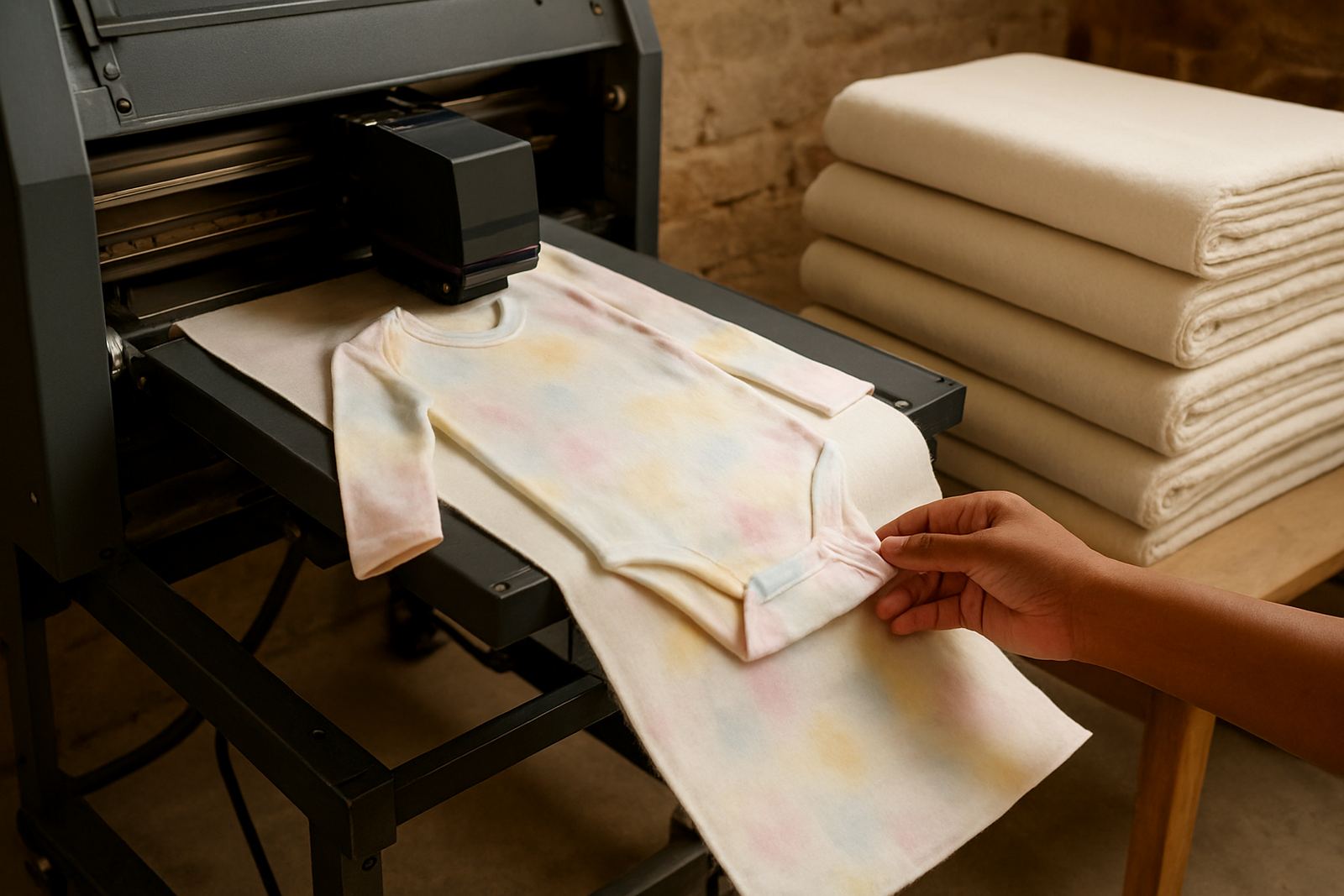
What a Cotton Print Printer is used for
This machine is aimed at businesses printing onto cotton-rich fabrics for garments, babywear, tote bags, cushion covers and other soft goods. The focus is on short runs, personalised orders and regular reprints where colour consistency matters and every metre counts. It is a good fit if you want to move from outsourced printing to in-house production with better control over turnaround times and margins.
For cotton-focused work, the printer is normally paired with the right pre-treatment, curing and finishing process so the print sits properly on the fabric. That matters especially for babywear and everyday clothing where softness, wash durability and clear detail are expected. If your work includes mixed fabric types, we can help you check whether your main line is cotton or cotton blend, because that affects ink choice, pretreatment and final feel.
- Suitable for t-shirts, baby vests, hoodies, tote bags and cushion covers
- Best for short runs, sampling and custom orders
- Helps reduce outsourcing delays and transport costs
- Works well for businesses that need fast turnaround in local markets
Sizes, print widths and setup options
We supply cotton print printer options in compact, mid-size and wider-format setups, depending on the volume you want to handle and the space available in your workshop. A smaller unit is ideal for a back room in a retail space or a first production line, while a wider machine suits higher daily output and larger garment panels. The right choice depends on your order size, room layout and the fabric widths you work with most often.
As a guide, most buyers look at print widths from around 600 mm up to 1600 mm, with some setups going wider for larger rolls. If you plan to print panels for dresses, blankets or larger lifestyle products, choose the wider option from the start so you do not outgrow the machine too quickly. We also look at carriage clearance, take-up handling and whether you need a separate finishing table or heat press nearby.
- Compact, mid-size and wide-format options available
- Common print widths: 600 mm, 900 mm, 1200 mm and 1600 mm
- Choose according to garment size, roll width and daily output
- Space planning includes printer footprint, operator access and drying area
Power, room conditions and installation needs
Most cotton print printer setups run on standard single-phase power at 220V, which suits many South African workshops and small factories. We still recommend stable power protection because load-shedding, voltage drops and sudden changeovers can interrupt a print job or damage sensitive parts. A proper UPS or line protection setup is worth budgeting for, especially if you work in an area with frequent outages.
The machine needs a dry, dust-controlled room with enough ventilation and space for loading fabric, cleaning heads and curing the print. Coastal humidity in places like Durban and Gqeberha can affect ink handling and fabric storage, while fine dust in industrial areas can affect print quality. Keep the area clean, level and away from direct sunlight. For most installations we also check the floor strength, access for moving the machine and whether the door opening is wide enough for delivery.
- 220V single-phase power for most small-business setups
- Use power protection because of load-shedding and voltage fluctuations
- Dry, dust-controlled area recommended
- Allow space for fabric loading, curing and maintenance access
What to look for before you place an order
Before ordering, it helps to know your fabric mix, daily metre usage and the kind of finish your customers expect. Cotton behaves differently from polyester or blends, so the ink system and curing process must match the fabric. If you are mainly printing babywear and premium apparel, wash feel and detail matter more than speed alone. If your output is for promos or bulk retail, then speed and cost per print may matter more.
We recommend checking the following before you commit:
- Maximum garment size or fabric width you want to print
- Average daily orders and whether you print one-offs or batch work
- Available power, floor space and ventilation
- Whether you need a heat press for curing or transfer finishing
- Ink colour range, cleaning cycle and maintenance routine
- Budget for setup training, spare parts and ongoing servicing
If you are still deciding between a compact printer and a larger unit, it is better to buy for the next 12 to 24 months not only for today. That usually saves money and avoids a second move or upgrade too soon.
Care, servicing and print consistency
A cotton printer needs regular cleaning and sensible daily handling if you want clean nozzles and consistent colour. In a small workshop, the most common problems come from ink drying in the system, dust around the carriage path, or skipping the basic morning and shutdown checks. If the machine stands idle for a while, proper maintenance becomes even more important.
Our team supports preventive servicing, printhead cleaning, ink system flushing, remote troubleshooting and breakdown repairs. For businesses that print every week, a maintenance plan can reduce downtime and keep jobs moving when orders come in fast. If a workshop is relocating from Johannesburg to Pretoria or opening a second site in Cape Town, we also help with relocation support so the machine arrives correctly set up and ready for production.
- Daily nozzle checks and cleaning routines help avoid stoppages
- Keep inks sealed and stored as recommended
- Schedule servicing before busy seasons
- Use proper fabric storage to limit dust and moisture
Installation, training and local support from Wadeville
Fabric Printer is based in Wadeville, Germiston, with support for customers in Johannesburg, Pretoria, Durban, Cape Town and Bloemfontein. We work with small garment and textile businesses that need practical guidance, not just a delivery. That includes machine installation, operator training, colour profiling and production audits so the printer fits your workflow from day one.
Our support team includes Naledi Khumalo on sales, Johan van der Merwe on installation, Ayesha Patel on training, Thabo Nkosi on service, Megan Naidoo on ink and media, and Lerato Molefe on customer success. If you need help after installation, clients reach us through the enquiry form on our contact page. We also support areas such as Boksburg and Midrand, and can assist with maintenance contracts for businesses that want regular check-ins and less downtime.
- Installation and operator training available
- Colour profiling for more consistent cotton prints
- Support across major South African business centres
- Maintenance contracts available for regular production sites
Key facts
| Product type | Direct-to-fabric cotton printing setup |
|---|---|
| Typical print widths | 600 mm to 1600 mm options |
| Power requirement | 220V single-phase, with power protection recommended |
| Best fabrics | Cotton and cotton-rich textiles |
| Typical use | Apparel, babywear, tote bags and lifestyle goods |
| Support services | Installation, training, servicing and repairs |